


To Start a Digital Billboard Business, you need more than a screen and a busy road. A profitable site comes from the right location, legal approval, reliable LED hardware, and steady advertiser demand. Digital billboards can rotate multiple ads from one structure, but the business still depends on permits, site control, power planning, and local sales. The smartest operators plan the full route before buying hardware.
Is a Digital Billboard Business Still Profitable in 2026?
A digital billboard business can still be profitable when the location, permit status, screen quality, and sales plan work together. The opportunity is strong because outdoor advertising remains visible, local, and hard to skip. Still, profitability is not automatic.
Revenue Potential per Billboard Location
Revenue depends on traffic, visibility, market size, advertiser demand, and how many ad slots the screen can sell. A digital billboard can display several advertisers in rotation, which gives operators more inventory than a static printed sign.
Common revenue sources include:
- Local business ads
- Regional brand campaigns
- Event promotions
- Real estate and automotive ads
- Restaurant and retail campaigns
- Public service or government messages
A single strong location can outperform several weak sites. For a first operator, the goal is not to own many screens quickly. The goal is to prove one site can attract paying advertisers every month.
Key Market Factors That Affect Billboard Profitability
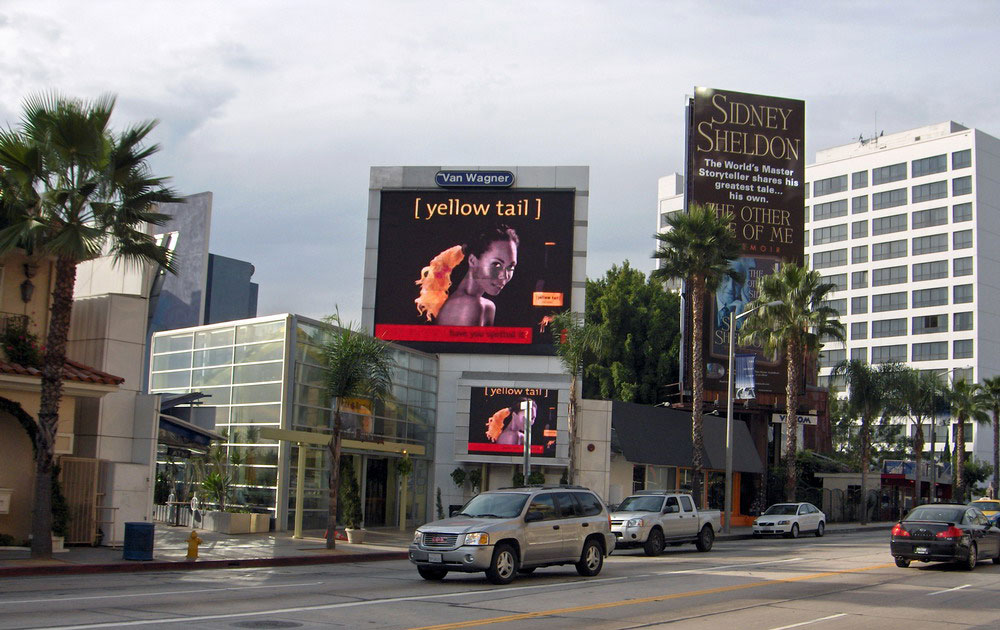
A good billboard location should have traffic and commercial demand. High vehicle count helps, but it is not the only factor. A screen beside slow-moving traffic near stores, hotels, offices, or entertainment areas may perform better than a high-speed road where drivers have little time to read.
Profitability is shaped by:
- Daily traffic count
- Driver dwell time
- Visibility angle
- Nearby business density
- Local ad budgets
- Competition from other signs
- Power access and lease terms
- Permit difficulty
The best markets are not always the biggest cities. Smaller cities with growing retail corridors can also support strong digital billboard revenue if local advertisers need visibility.
How Much Does It Cost to Buy a Billboard?
The cost to buy a billboard is not just the LED display price. A digital billboard project includes hardware, land rights, structure, electrical work, permits, software, insurance, and maintenance.
Digital LED Billboard Hardware Costs by Size and Spec
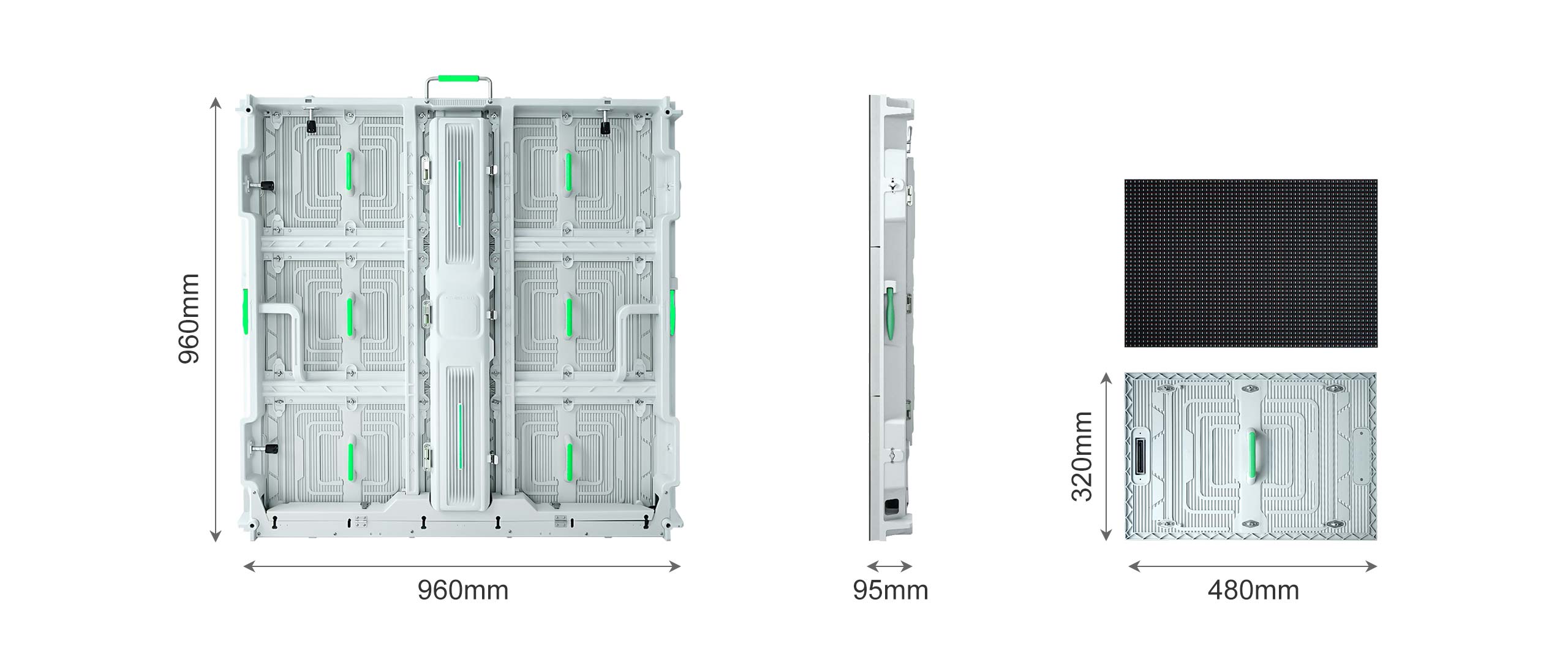
LED billboard hardware cost depends on screen size, pixel pitch, brightness, cabinet design, control system, and service access.
Pixel pitch means the distance between LED pixels, measured in millimeters. Smaller pixel pitch gives finer detail for closer viewing. Wider pixel pitch can work well when viewers are farther away.
Brightness is measured in nits, also called cd/m². Outdoor screens need high brightness to stay visible in sunlight. Chipshow can review high-brightness outdoor configurations for the site. Confirm working brightness and dimming range for the exact model in the proposal.
The table below shows how site type can affect hardware planning. It is a starting point for early budgeting, not a final quote.
| Location Type | Viewing Distance | Common Hardware Priority | Pixel Pitch Direction |
| Urban street | Short to medium | Detail, brightness, front service | Finer to mid pitch |
| Highway roadside | Medium to long | High brightness, size, reliability | Mid to wider pitch |
| Shopping plaza | Short to medium | Image quality, wall mounting, easy service | Finer to mid pitch |
| Large commercial road | Long | Large size, power efficiency, weather protection | Wider pitch |
A smaller screen with finer pitch may cost more per square meter than a larger screen with wider pitch. The right choice should match viewing distance and advertising content.
Land Lease, Steel Structure, and Installation Expenses
Many operators do not own the land. They lease space from a property owner and pay a monthly fee or revenue share. This land agreement can decide whether the project makes sense.
The structure is another major cost. A billboard needs a safe steel support system, wind-load review, mounting plan, and electrical connection. Installation may also require lifting equipment, traffic control, site work, and licensed contractors.
Cabinet platform design can affect both installation and future upgrade costs. Chipshow’s C-Fit cabinet platform is designed to support multiple pixel pitches from P2.5 to P20 using compatible 320 × 160 mm modules. For DOOH operators planning future resolution upgrades, this can help reduce the need for full cabinet replacement.
Chipshow’s outdoor display options include front-maintenance designs and structures that support different advertising sign formats. Operators can review Chipshow’s outdoor fixed LED display installation reference to see how cabinet layout, mounting structure, and service access are considered during installation.
Ongoing Costs: Power, Insurance, Content Management Software
Content Management Software, or CMS, is the system used to upload, schedule, and manage ads on the billboard. It allows operators to rotate campaigns, change schedules, and manage content remotely.
Ongoing costs usually include:
- Electricity
- Internet or data connection
- CMS fees
- Insurance
- Maintenance visits
- Spare parts
- Lease payments
- Sales commissions
Power cost matters because billboards may run 12 to 24 hours per day. Energy-efficient LED technology can protect margins over time, especially for networks with multiple screens.
Legal Requirements for Starting a Billboard Business
Legal approval is often the hardest part of starting a digital billboard business. Rules can change by state, county, city, road type, zoning district, and distance from highways.
Federal, State, and Local Billboard Zoning Laws in the U.S.
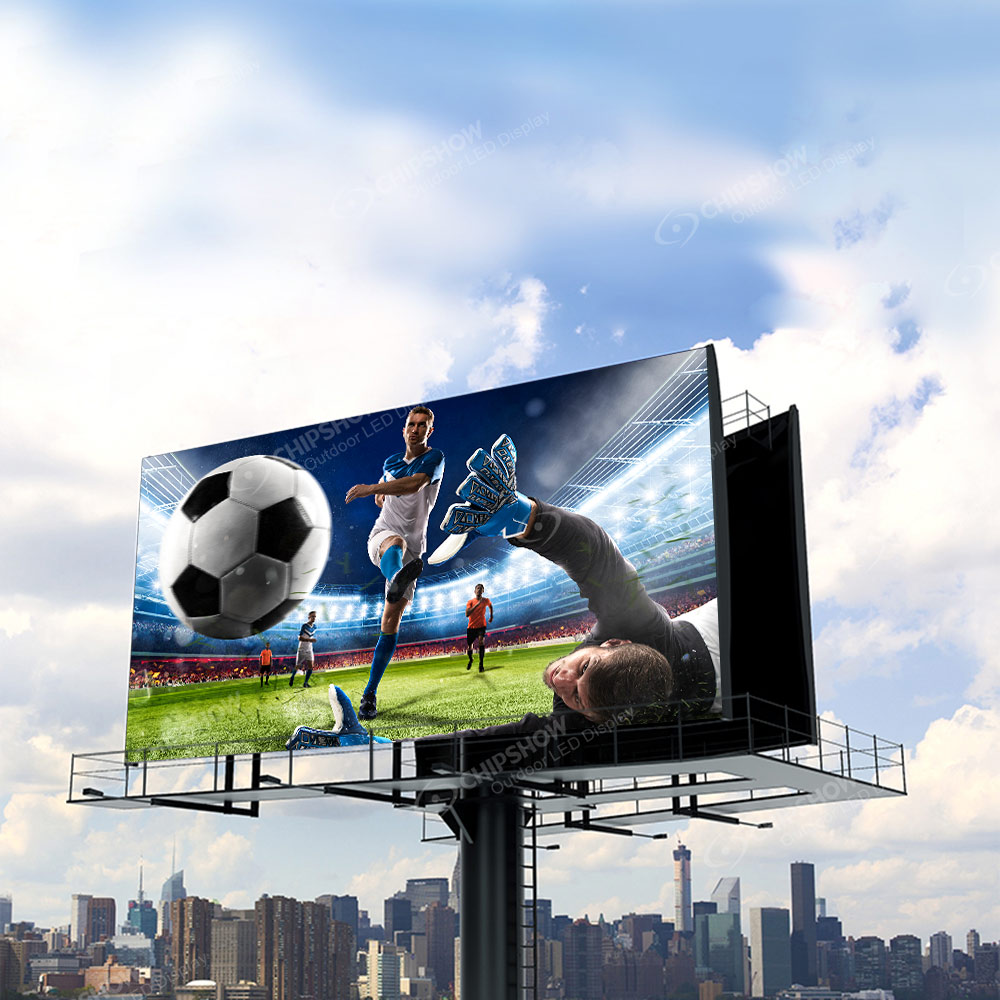
In the U.S., outdoor advertising near Interstate and Federal-aid primary highways is affected by the Highway Beautification Act, a federal law that supports state control of outdoor advertising near certain roads. State and local governments may also regulate billboard size, lighting, spacing, zoning, and digital display operation.
Do not assume that landowner approval is enough. A site may still be blocked by zoning, spacing rules, scenic area restrictions, safety rules, or digital sign limits.
Permit Application Process and Timeline
Permit timelines vary widely. Some projects move forward in a few months. Others take longer because of zoning hearings, engineering review, neighborhood concerns, or road authority approval.
A typical process may include:
- Site research
- Zoning check
- Lease or purchase agreement
- Engineering drawings
- Permit application
- Public hearing if required
- Electrical approval
- Final inspection
Before signing a long lease, confirm whether the billboard can legally be built and operated at that exact location.
Highway Beautification Act and Restricted Zones
The Highway Beautification Act does not ban every billboard near highways, but it does create a control framework. Many signs near controlled routes must fit within allowed commercial or industrial areas and follow size, lighting, and spacing rules.
Digital signs may face extra limits. These can include brightness caps, dwell time rules, automatic dimming, animation limits, and spacing from intersections or residential areas. Operators should work with local permit consultants or legal advisors before buying hardware.
How to Find and Evaluate Billboard Locations
A digital billboard business starts with real estate. Even the best LED display cannot fix a poor location.
Traffic Count, Demographics, and Advertiser Demand Analysis
Traffic count means the number of vehicles that pass a location during a set time period. Higher traffic often improves ad value, but quality matters too. A sign near a retail entrance, medical district, university, or tourist road may attract better advertisers than a sign on a fast road with weak local demand.
Evaluate each site by asking:
- Can drivers see the screen clearly?
- Is the viewing angle clean?
- Is traffic fast or slow?
- Are there local businesses nearby?
- Are there existing advertisers in the area?
- Is power available?
- Can the site pass zoning and permit review?
A strong site should satisfy both drivers and advertisers.
Billboard Sale and Lease Opportunities to Review
People searching for billboards for sale may find existing billboard assets, land leases, or outdoor media businesses listed through brokers. Existing assets can be faster to enter, but they need careful review.
Check whether the billboard has valid permits, current lease rights, ad contracts, structural reports, electrical records, and any nonconforming status. A cheap listing may not be a good deal if the permit cannot be transferred or the structure needs major upgrades.
For new builds, look for property owners near commercial roads, shopping centers, gas stations, entertainment districts, hotels, and highway service areas.
Choosing the Right LED Billboard Hardware
Hardware should support the business model. A first-time operator needs a screen that matches the location, stays visible in outdoor conditions, and can be maintained without excessive downtime.
Pixel Pitch, Brightness, and Size Recommendations by Location Type
For long-distance roadside billboards, screen size and brightness often matter more than ultra-fine pixel pitch. For plazas, storefronts, and urban roads, closer viewing may justify a finer pitch.
Outdoor screens should also have weather protection. IP rating, or Ingress Protection rating, shows how well equipment resists dust and water. For outdoor billboards, strong front and rear protection helps support year-round operation.
Chipshow’s outdoor LED display specifications include options such as IP65 protection, high-brightness configurations, front-maintenance designs, and modular formats for advertising signs, road advertising, commercial squares, storefronts, and outdoor walls.
Energy-Efficient LED Technology and Its Impact on Operating Margins
A billboard business earns revenue from ad slots, but profit also depends on operating costs. Electricity can become a major expense when screens run every day.
Common Cathode is an LED power design that supplies optimized voltage to different color channels. Compare measured average power for the proposed common-cathode configuration and the alternative at the same brightness, content, and operating schedule. Use those results in the electricity budget.
This efficiency can help protect operating margins, especially for high-usage DOOH networks.
Chipshow Turnkey Billboard Solutions for New Business Owners
A new operator needs more than panels. The project may require screen selection, cabinet planning, structure coordination, control system planning, installation guidance, and after-sales support.
Chipshow supports outdoor LED display projects for road advertising, commercial squares, storefront advertising, and large outdoor billboard applications. For early planning, operators can review a Chipshow C-Smart outdoor LED display demonstration to see how modular outdoor LED display solutions can fit advertising screen projects.
For first-time operators, a supplier with clear specs and project support can reduce avoidable mistakes before installation begins.
How to Attract Advertisers and Generate Revenue
After installation, a digital billboard business becomes a local sales business. The screen only earns money when advertisers trust the location, audience, and campaign value. To build revenue, focus on these steps:
- Start with local advertisers. Restaurants, clinics, car dealers, real estate firms, hotels, schools, and event organizers often need steady local visibility.
- Create simple ad packages. Offer weekly, monthly, peak-hour, and seasonal campaign options so buyers can choose based on budget.
- Show location value clearly. Share traffic estimates, viewing angle, nearby businesses, and photos of the screen location.
- Use direct sales first. Direct sales means selling ad slots to businesses yourself. It is often the most practical starting point for first-time operators.
- Add programmatic DOOH later. Programmatic DOOH means selling ad inventory through automated digital ad platforms. It can help fill unsold slots once the screen has stable operation.
- Report campaign delivery. Provide proof of play, campaign dates, ad screenshots, and basic performance notes to build advertiser confidence.
A strong advertiser pipeline comes from repeatable local outreach. The goal is not only to sell one ad slot, but to turn the location into a trusted media channel for nearby businesses.
Build Your Digital Billboard Plan With Chipshow
To start a digital billboard business, first secure a legal location, then plan costs, permits, hardware, and advertiser sales. The strongest projects connect site demand with reliable LED display performance. Share your target location, viewing distance, screen size, brightness needs, and business model with Chipshow to get a practical outdoor LED billboard solution for your first site or network expansion.
FAQs
Q1. How Much Does a Digital Billboard Earn per Month?
Monthly earnings depend on location, traffic, advertiser demand, ad slot pricing, and occupancy rate. A screen in a strong commercial corridor can earn far more than one in a low-demand area. First-time operators should model conservative sales first, then test higher pricing after advertiser demand is proven.
Q2. Do I Need to Own the Land to Put Up a Billboard?
No, many billboard operators lease land from property owners. The lease must clearly cover sign rights, access, utilities, term length, renewal options, and revenue sharing if used. Permit approval is still required even when the landowner agrees.
Q3. What Size LED Billboard Is Best for a First-Time Operator?
The best size depends on road speed, viewing distance, budget, permit limits, and advertiser needs. A first-time operator should not choose the largest screen by default. A legally approved, visible, serviceable screen in a strong location is usually a better starting point.
Q4. Can I Finance a Digital Billboard Purchase?
Yes. Financing may be available through equipment financing, business loans, investor funding, or leasing arrangements, depending on the buyer’s market and lender requirements. Lenders usually want to see site control, permits, project cost, revenue projections, and operator experience. A realistic cash-flow plan helps the financing discussion.





