




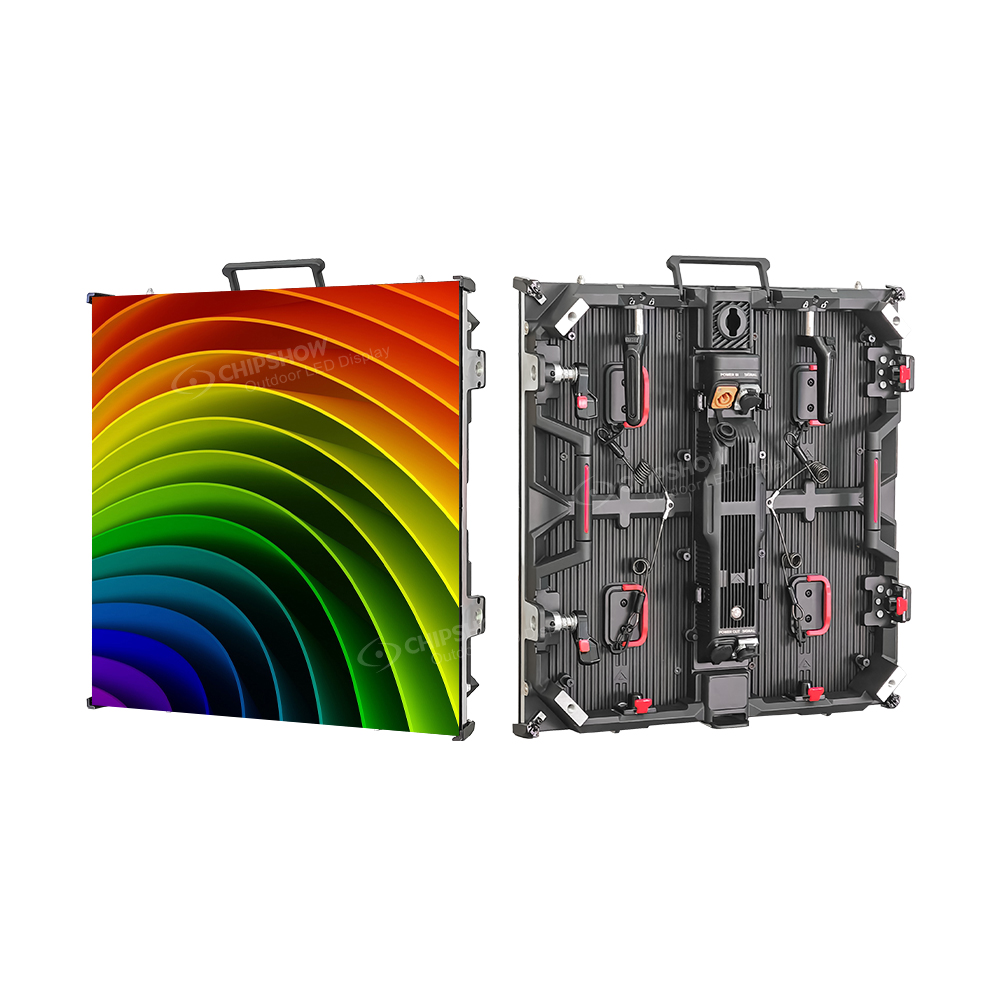
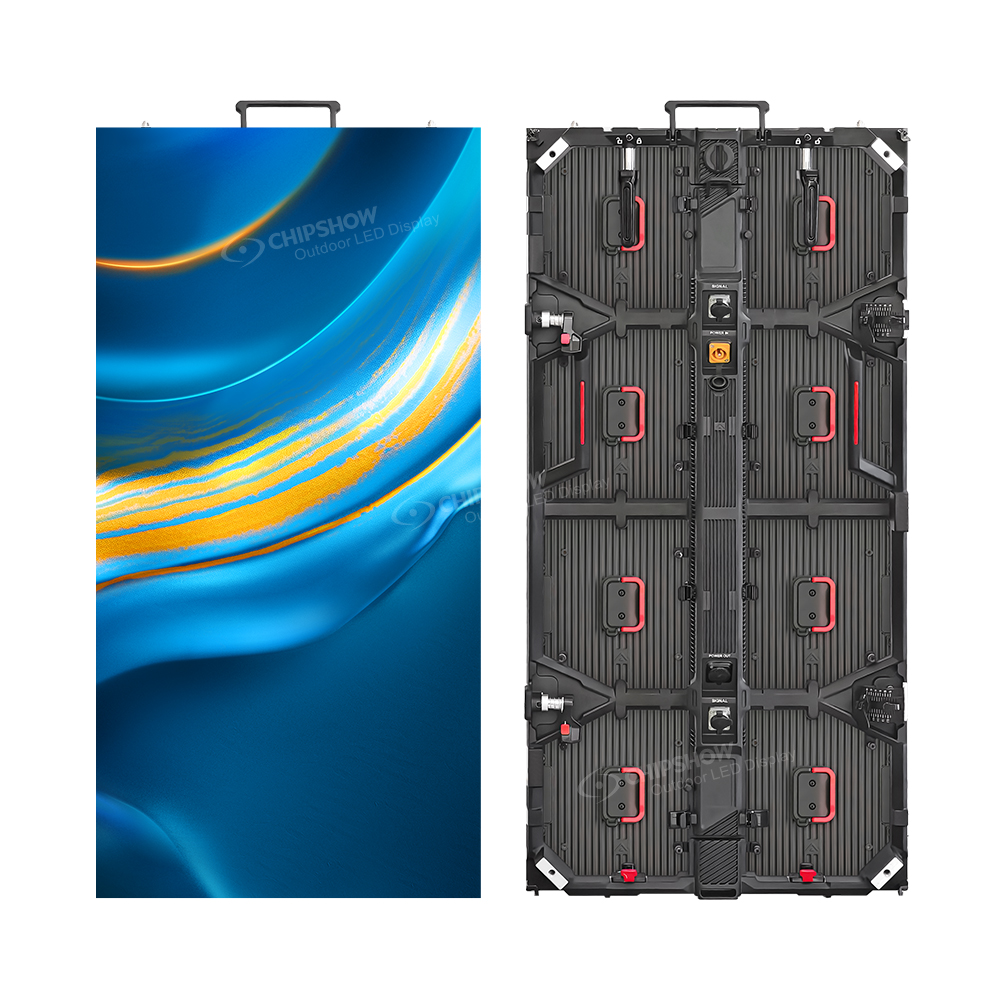
C-Rock Premium Touring LED Display
Touring LED displays need to perform across repeated setup, transport, and live production. For rental crews and stage teams, the display affects more than the image on screen. It also influences build efficiency, service access, viewing quality, and how reliably the screen adapts to different venues.
C-Rock is made for touring environments where indoor and outdoor productions place different demands on the LED wall. Indoor stages usually call for closer viewing and quieter operation, while outdoor stages need stronger visibility, protection, and structural support.
Indoor clarity for controlled venues
Indoor productions often place the screen closer to viewers, presenters, performers, and cameras. In conference halls, studios, worship venues, and premium event spaces, image detail and low operating noise can matter more than maximum brightness.
C-Rock Indoor supports this type of controlled environment with fine pixel pitch options and fanless 0dB silent cooling. For stage designs that need more than a flat wall, curved-build support also gives production teams more flexibility in shaping the visual backdrop.
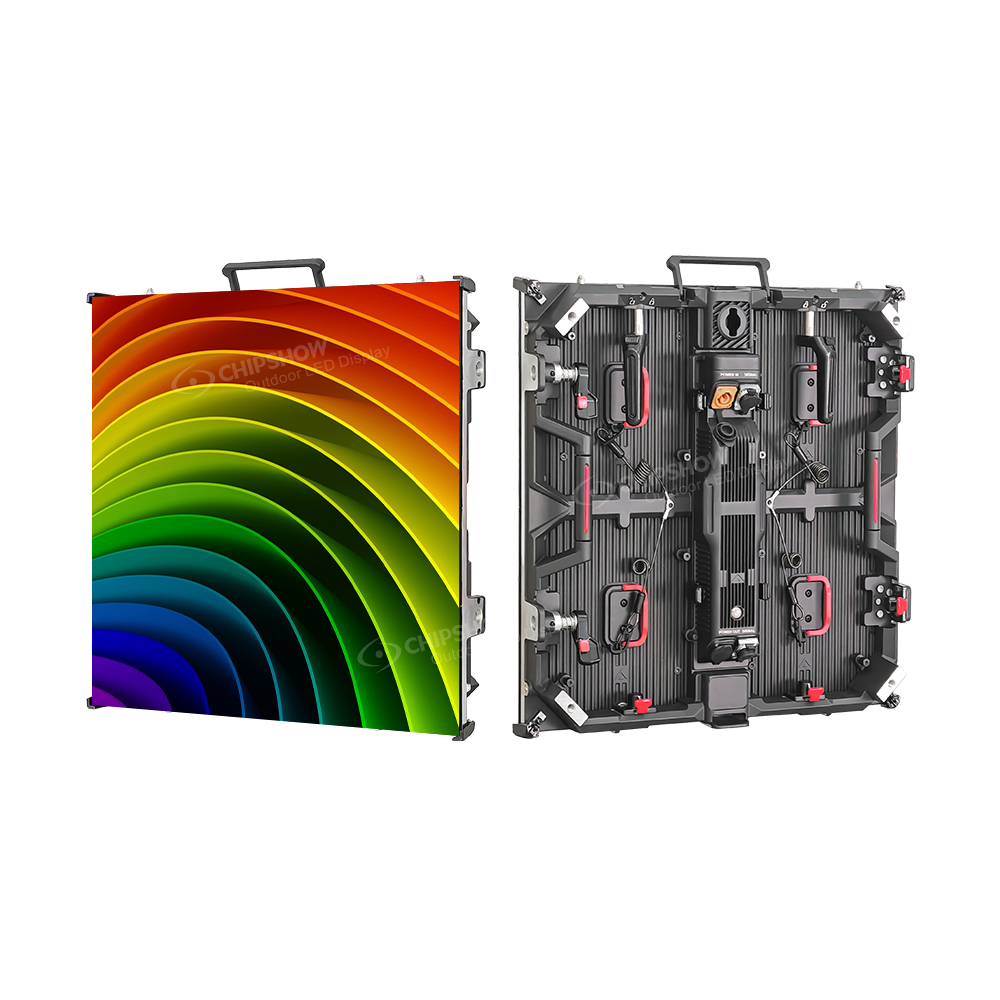
Outdoor performance for exposed stages
Outdoor LED walls face sunlight, weather exposure, wind, wider viewing distances, and camera capture. In these conditions, the key issue is not only sharpness, but whether the screen remains visible, stable, and production-ready.
C-Rock Outdoor is better suited to concerts, festivals, sports events, and outdoor touring stages where brightness, IP-rated protection, wind support, and high-refresh performance are more relevant to the production environment.
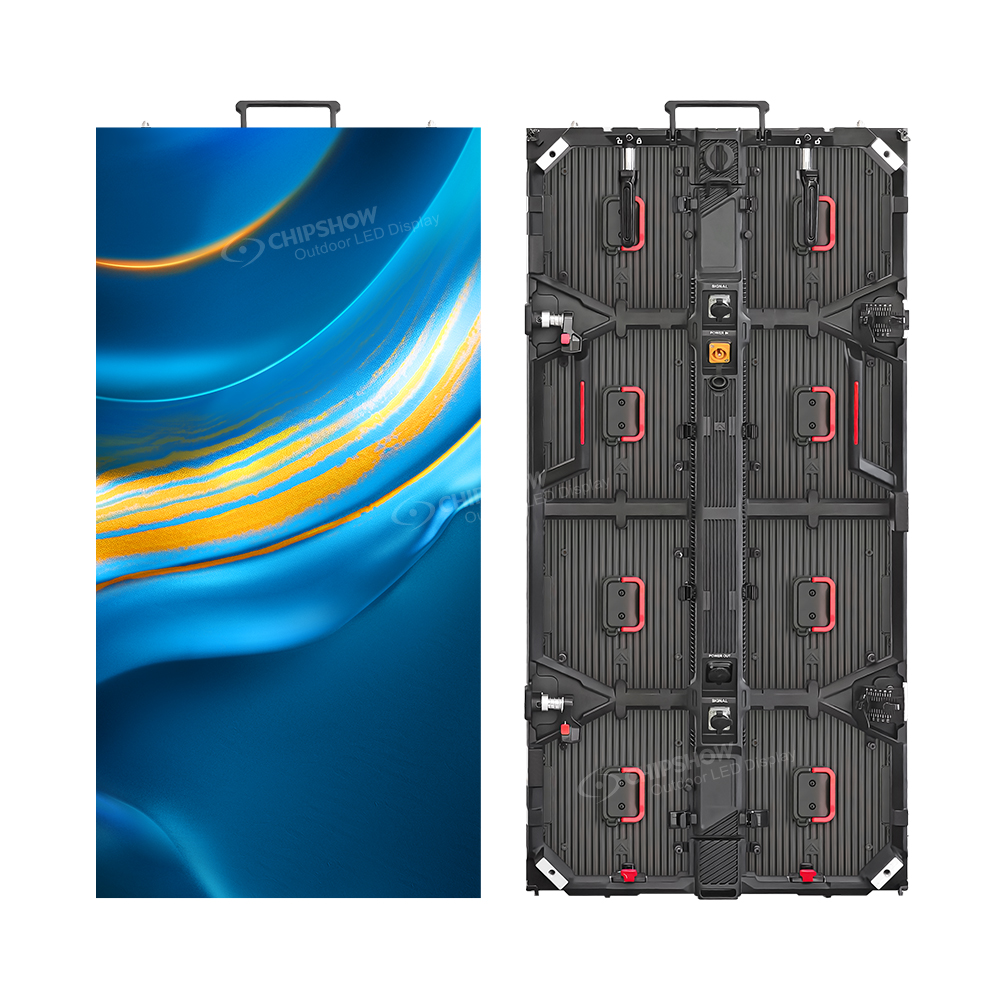
Practical details for rental workflows
Touring projects often depend on repeatable build planning. A consistent cabinet platform helps crews plan screen layouts across different stage sizes, while rapid service access can reduce pressure during setup, rehearsal, and show preparation.
These workflow details are especially important for rental teams moving between venues. When screen handling, servicing, and configuration are easier to manage, the LED wall becomes less of a production bottleneck and more of a flexible stage element.
Matching the screen to the venue
The indoor and outdoor options are not simply different versions of the same screen. They support different production priorities. Indoor projects benefit more from quiet operation, closer viewing, and refined image detail. Outdoor projects depend more on daylight visibility, environmental protection, and structural confidence.
A stronger touring setup is not always the one with the highest specification on paper. The better fit is the one that matches the venue, audience distance, camera needs, and production workflow.
FAQ
What is a touring LED display used for?
A touring LED display is used for rental stages, concerts, corporate events, worship venues, festivals, sports events, and live production where screens need to be installed, moved, serviced, and reused across different events.
What type of event is C-Rock Indoor better suited for?
C-Rock Indoor is better suited for controlled venues such as conferences, studios, worship spaces, and premium indoor stages where close viewing and quiet operation are important.
What type of event is C-Rock Outdoor better suited for?
C-Rock Outdoor is better suited for outdoor concerts, festivals, sports events, and touring stages where visibility, protection, wind support, and camera-facing performance are more important.
Why does the venue matter when selecting a touring LED display?
Venue conditions affect what matters most. Indoor venues often prioritize viewing distance and noise control, while outdoor venues place more pressure on brightness, protection, and structural support.


