Conference Room & Education LED Solution

Conference & Education LED Solution

Silent 0dB COB LED for Boardrooms and Lecture Halls with Front-service Magnetic Modules.

Get Quote
Home / Solution / Indoor DOOH/ Conference & Education LED Solution
Universities & Lecture Halls Universities & Lecture Halls

CE/FCC/ETL Certified LED Solutions with Local Stock in US & EU Hubs.

Conference Room & Education LED Solution

Silent 0dB COB LED for Conference and Lecture Halls. 3840Hz Flicker-Free, 100% Front-Service.

  • Highlights
  • Why Choose Us
  • Application
  • Project Case
  • Related Product
  • FAQs

Applications

Executive Boardrooms led display Executive Boardrooms led display

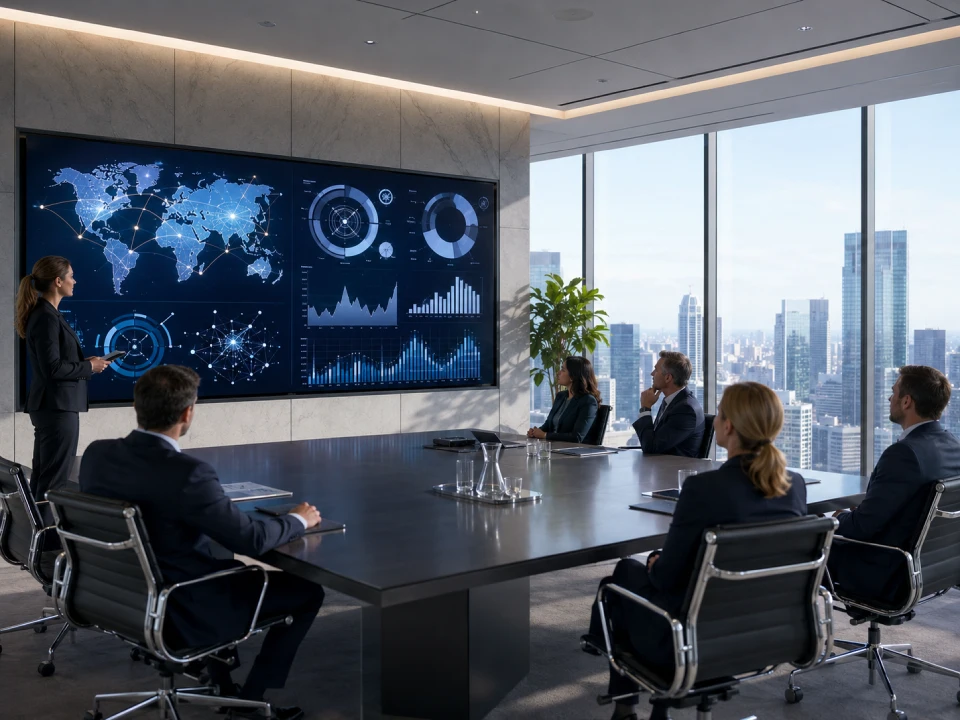
Executive Boardrooms

Benefit: Full ambient light, the screen stays clear, the display stays completely silent.

Recommended: P0.9–P1.5 · 600–800 nits · COB Tech

Suggested Series: C-Max / C-Pad Series

Why: Flush wall integration preserves boardroom architecture. COB tech for the tightest pixel pitch at close seating distances.

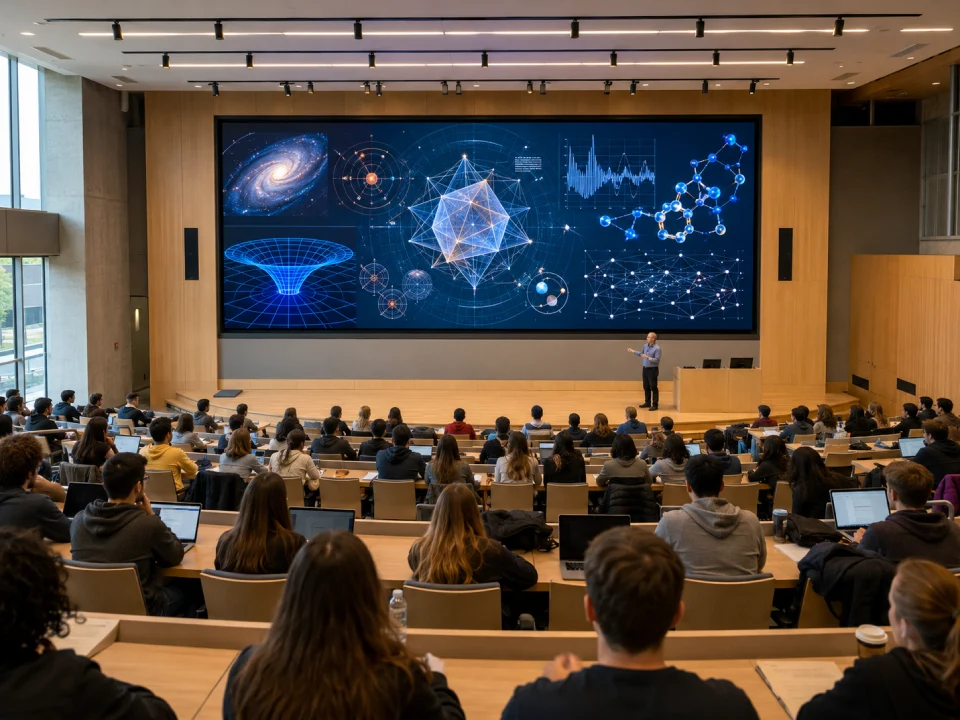
Universities & Lecture Halls Universities & Lecture Halls

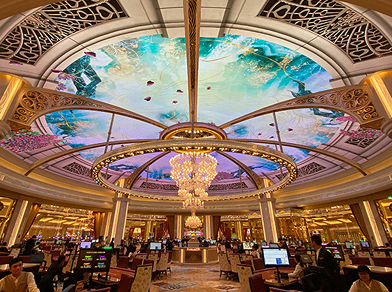
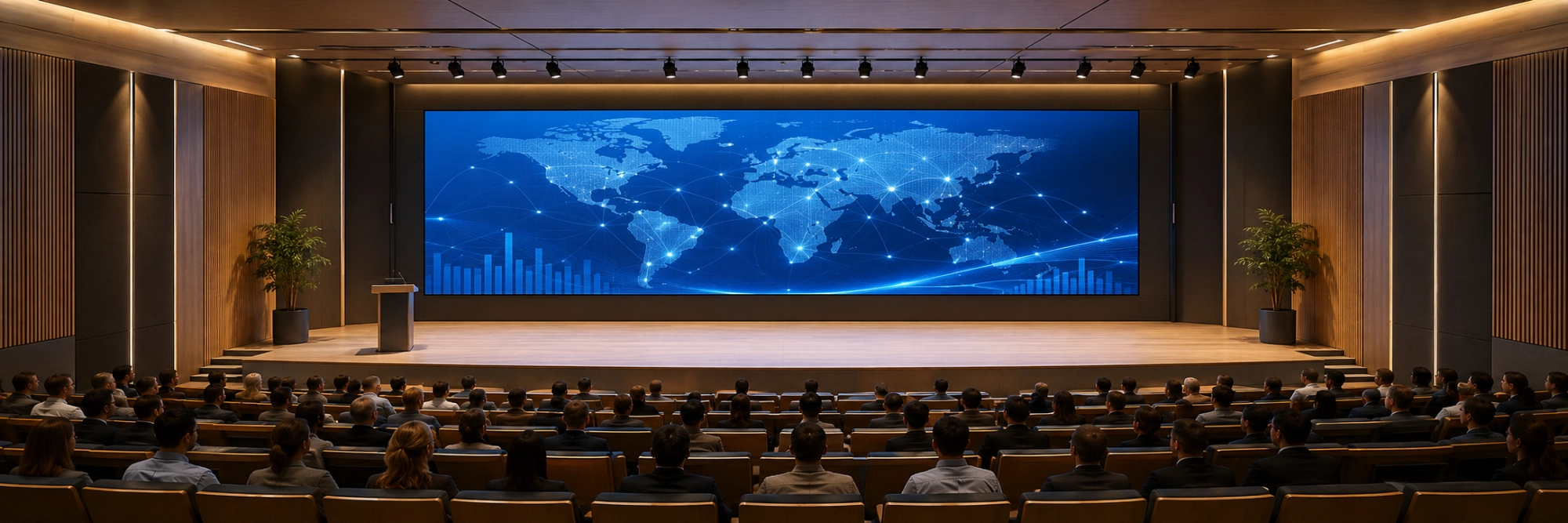
Universities & Lecture Halls

Benefit: The last row reads lecture slides as easily as the first row. A single seamless screen replaces the projector.

Recommended: P1.86–P2.5 · 600–1,000 nits

Suggested Series: C-Max Series

Why: 7.5kg magnesium alloy cabinet keeps wall load minimal. Eye-friendly brightness for hours of viewing.

Corporate Command & Campus Security led Corporate Command & Campus Security led

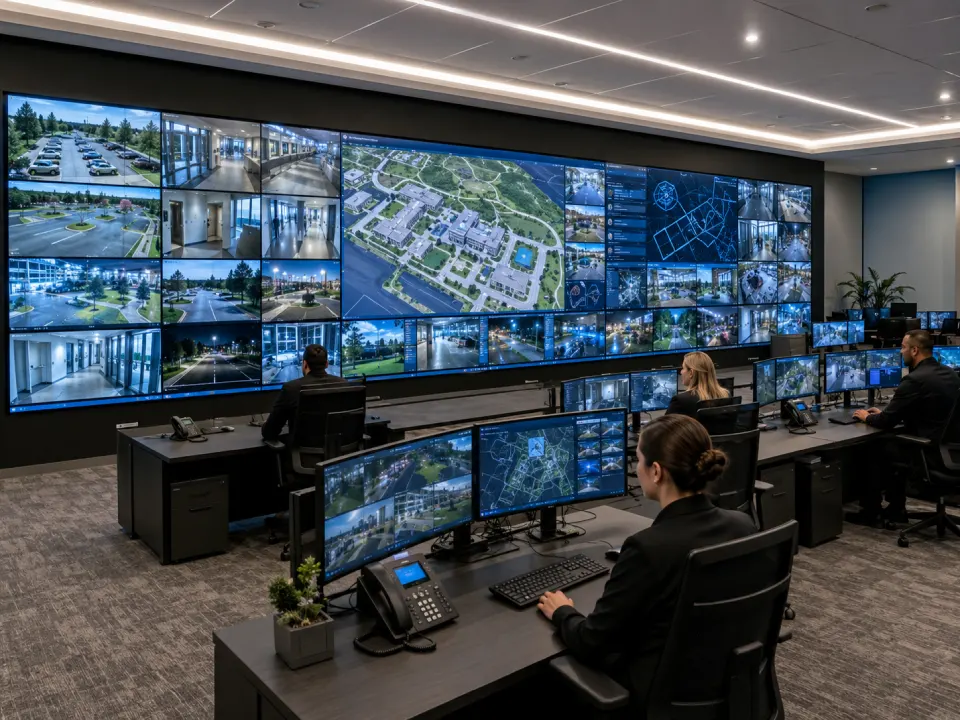
Corporate Command & Campus Security

Benefit: Security feeds run 24/7 across one seamless wall. Operators monitor multiple campus zones on a single canvas that stays on through every shift.

Recommended: P0.9–P1.2

Suggested Series: C-Max / C-Pad Series

Why: Power and signal dual redundancy for mission-critical uptime. COB P0.9-P1.2 sharpens distant surveillance details.

Studios & Hybrid Capture Studios & Hybrid Capture

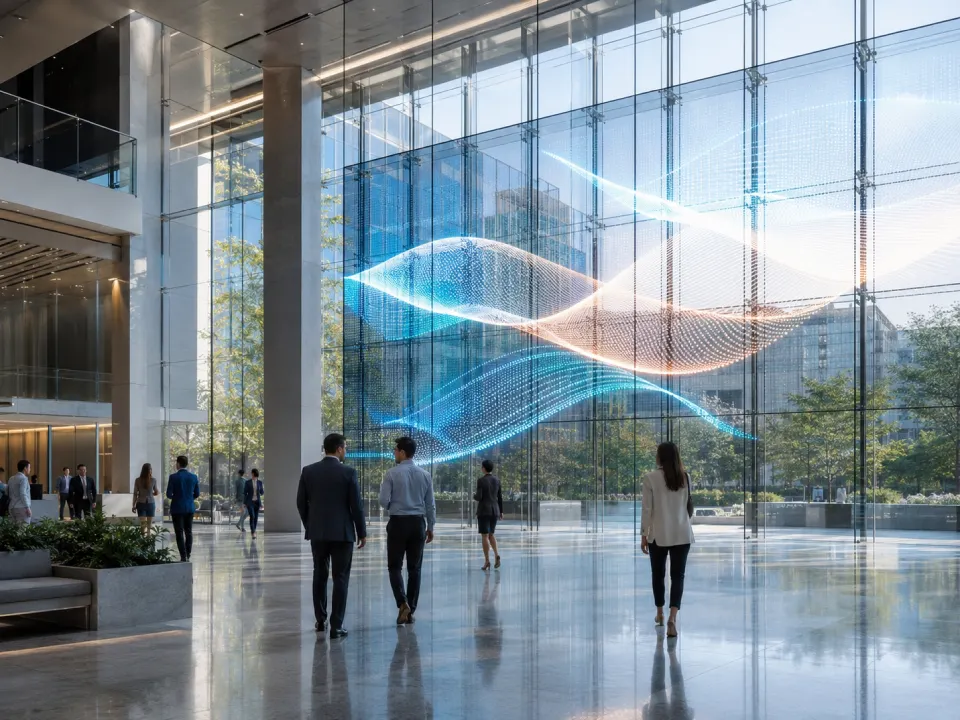
Corporate Atriums & Campus Glass Facades

Benefit: The screen draws attention without darkening the lobby.

Recommended: P1.25–P3.91 · Transparent/Textured

Suggested Series: C-Mesh / C-Max-Wall Series

Why: C-Mesh up to 90% transparency preserves daylight and outside views. C-Max-Wall blends into interiors as textured art when off, then resolves into HD video when active.

Studios & Hybrid Capture led Studios & Hybrid Capture led

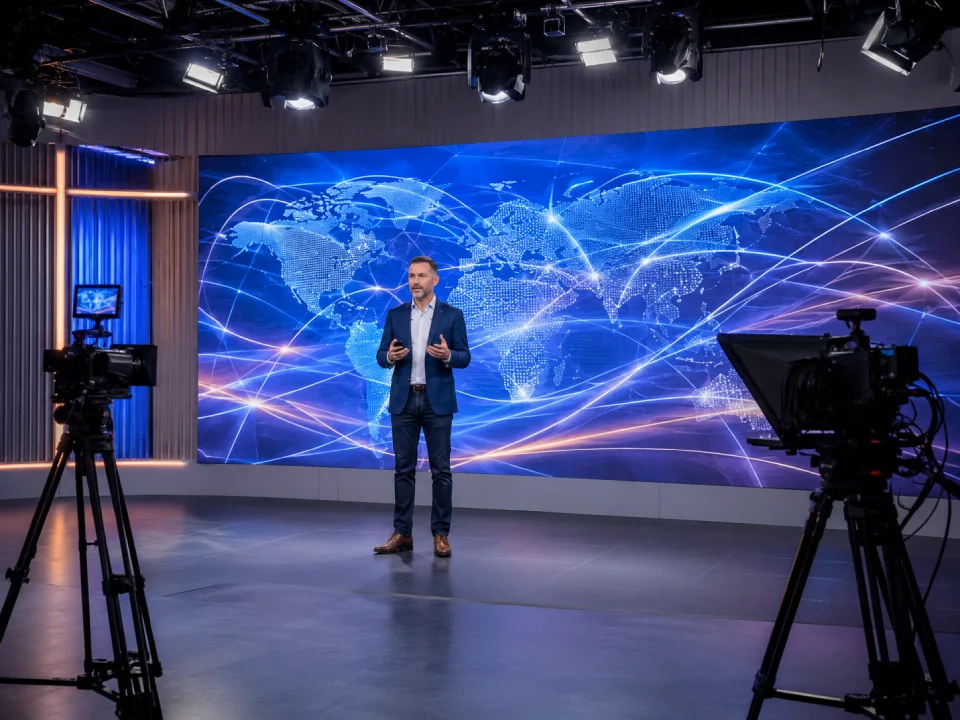
Studios & Hybrid Capture

Benefit: The screen behind the speaker stays bright and visible even with studio lights on. Every frame the camera captures is clean, flicker-free, and ready to stream.

Recommended: P1.5–P2.5 · Broadcast Refresh

Suggested Series: C-Max Series

Why: 3840Hz camera-sync refresh. Cinematic color depth for 4K recording. Low-latency processing keeps speaker and screen perfectly synced.

Campus Signage & Wayfinding Campus Signage & Wayfinding

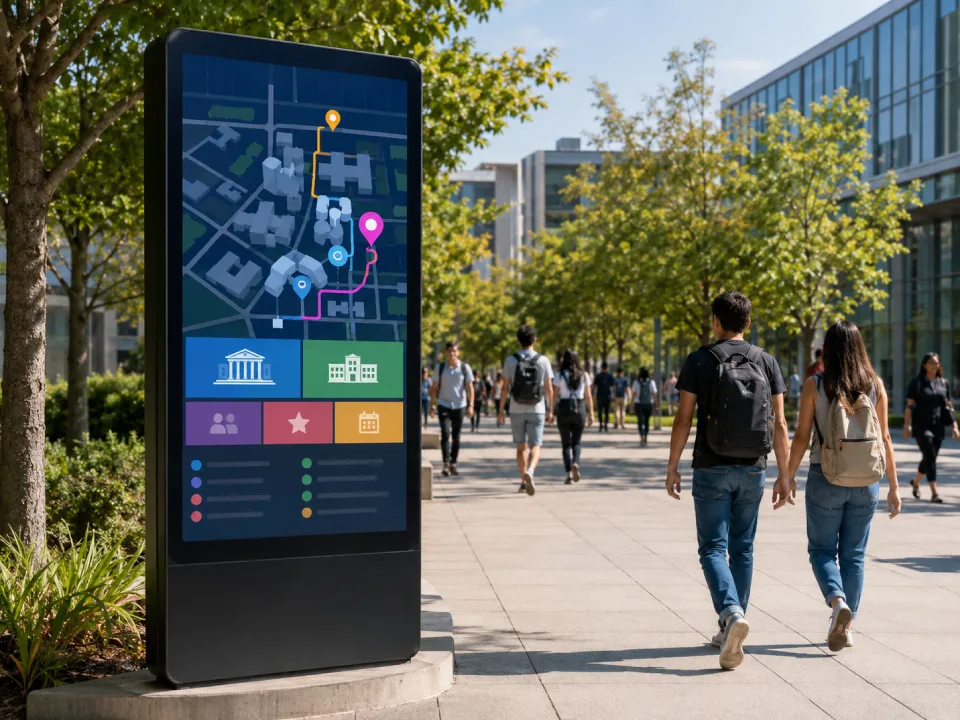
Campus Signage & Wayfinding

Benefit: Digital signage helps students and staff navigate campus with clear directions and event information.

Recommended: P2.5–P4.0 · High Durability

Suggested Series: C-Max / C-Shine Series

Why: Robust protection handles high-traffic student areas. Simple interface lets admin staff update content daily.

Project Case

Indoor-P2-5-holographic-stage-screen-project
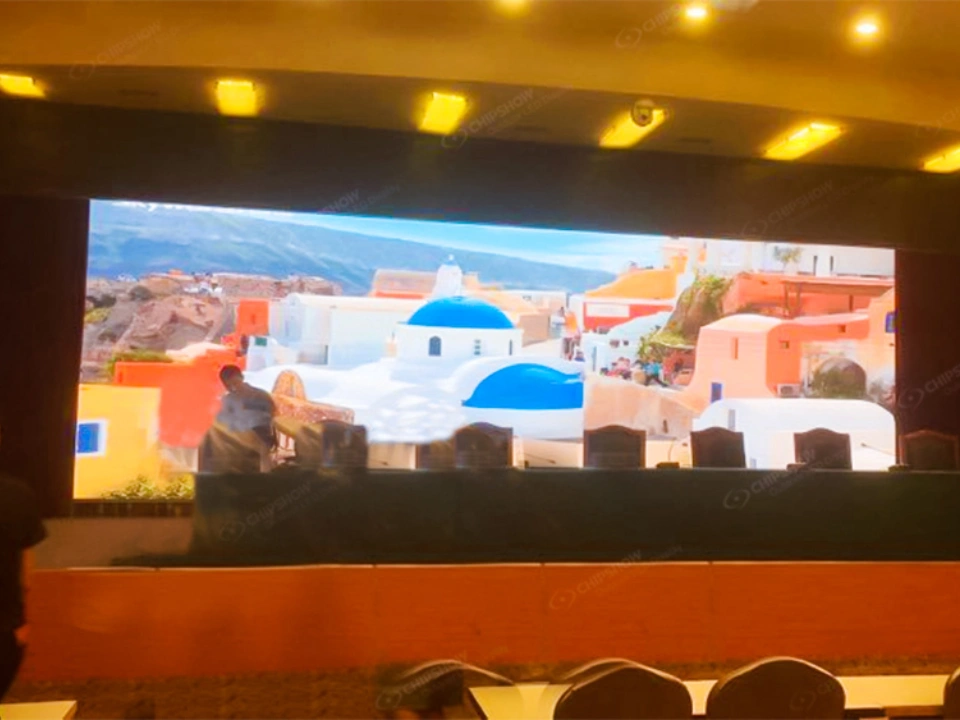
P2.5 Conference Screen Government Unit — China
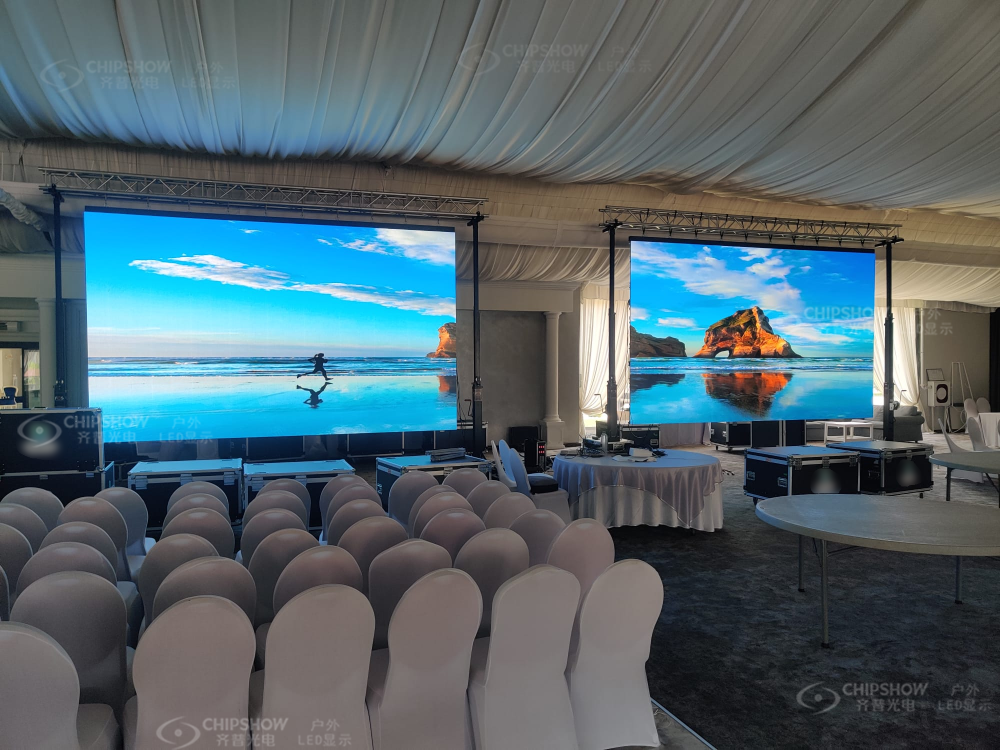
P3.91 Quick-Disassembly Conference-Romania
P3.91 Quick-Disassembly Conference — Romania
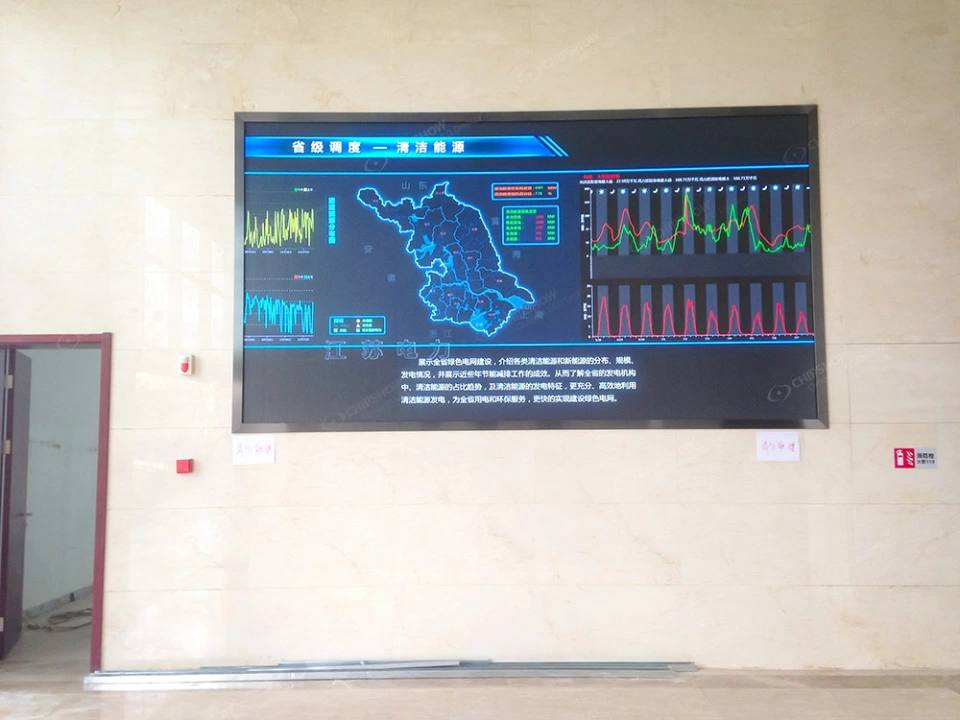
P2.5-Indoor-high-definition-full-color-LED-display-screen-project-at-a-university-in-Nanjing-1
P2.5 University Lecture Hall — Nanjing , China
Recommended Products
C-Max-Wall
C-Max-Wall Architectural Texture LED Display
Break free from the traditional "black screen" aesthetic. C-Max-Wall embeds LED display technology beneath a custom-textured surface — stone, wood grain, or fabric — so the screen disappears into the interior when idle and resolves into high-definition video when active. Built for luxury retail, hotel lobbies, executive boardrooms, and private residences.
P1.25–P4.0 · Textured Surface
Best For luxury interiors and architectural branding on solid walls.
C-Max Commercial Indoor LED Display
Quiet, scalable LED walls for auditoriums and schools C-Max Commercial is built for larger indoor spaces where budget control, readability, and service efficiency matter—auditoriums, lecture halls, banquet halls, and public interiors. Its native 4:3 cabinet format supports flexible wall sizing, while efficient heat dissipation and front maintenance help keep operations stable and service-friendly.
Cost-Effective Magnesium
P2–P4 Scalable Platform
Lightweight & Strong
Stock in US/EU
C-Pad
C-Pad Command: The Zero-Downtime COB Video Wall
Dual-side protected COB video wall for 24/7 control rooms. C-Pad-C is built for mission-critical visualization where uptime, electrical reliability, and service access matter. Inverted COB packaging, die-cast 169 cabinets, and magnetic front service enable a seamless wall-mount canvas for operators and decision-makers.
IP54 front & back
Rugged COB surface
P0.78 ultra-fine
Front service wall-mount
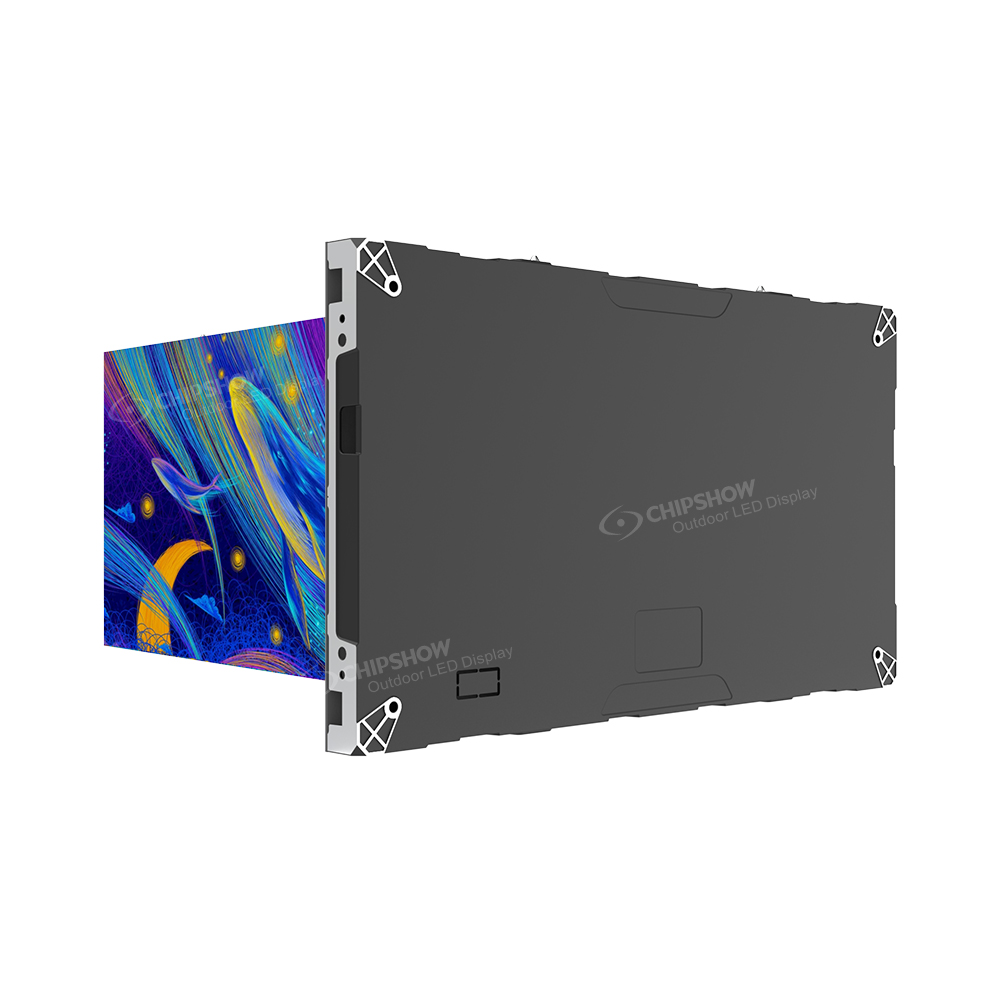
Chipshow C-Pad-H Slim Indoor COB LED Display with vibrant 16:9 whale art screen and 34.6mm ultra-slim cabinet.
C-Pad-H Slim Indoor COB(P0.9-1.56)
C-Pad-H is a slim indoor COB display for boardrooms, control rooms, showrooms and flagship retail. Its 16:9, 34.6 mm cabinets support space-saving wall installation and magnetic front service.
34.6mm slim cabinet
3.1kg easy handling
Cathode opt (1.25/1.56)
Front service flush-mount
C-Mesh G
C-Mesh G Invisible Strip (Custom)
Turn glass facades into dynamic media without blocking light. Engineered to behave like architectural glass, C-Mesh G features customizable strip lengths (up to 2000 mm) that align with existing window mullions. With transparency peaking at 90% on P6.25 and a featherlight footprint of around 5 kg/m², it creates a seamless “video glass” layer. It is ideal for premium façades where structural load, daylight and clean sightlines are critical priorities.
Tailor-match window grids
Up to 90% transparency
Featherlight 5 kg/m² load
Frameless floating video

Why Choose Us

chipshow

Comprehensive Global Compliance

All indoor series meet rigorous CE, FCC, ETL, and RoHS standards, ensuring smooth electrical inspections in any region or municipality.
chipshow

Worldwide Supply & Support

Bypass cross-border delays. Warehouses and technical hubs across Asia, Europe, and North America ensure rapid project deployment and local spare parts access.
chipshow

Universal Control Integration

Fully compatible with global mainstream controllers like NovaStar and Brompton, effortlessly integrating into your existing Microsoft Teams or Zoom ecosystems.
chipshow

24 Years of Reliability

As a publicly traded leader with 24 years of expertise, we use highly efficient heat dissipation designs to ensure 24/7 mission-critical uptime for corporate hubs.

Qualification
R&D
Product Certifications
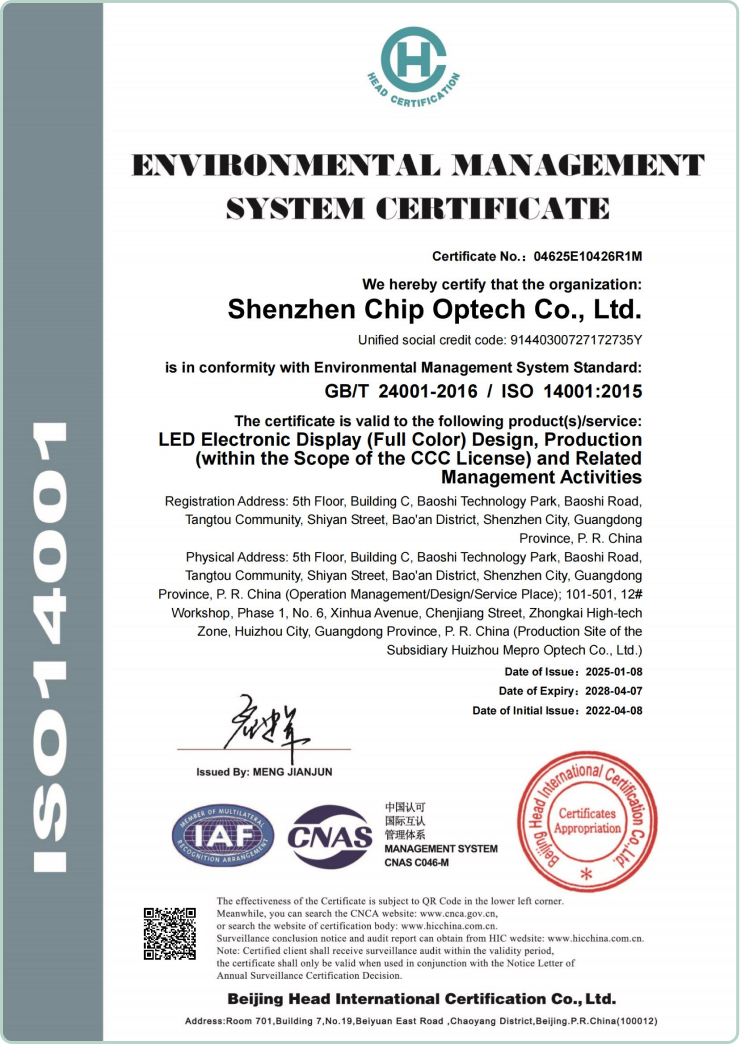
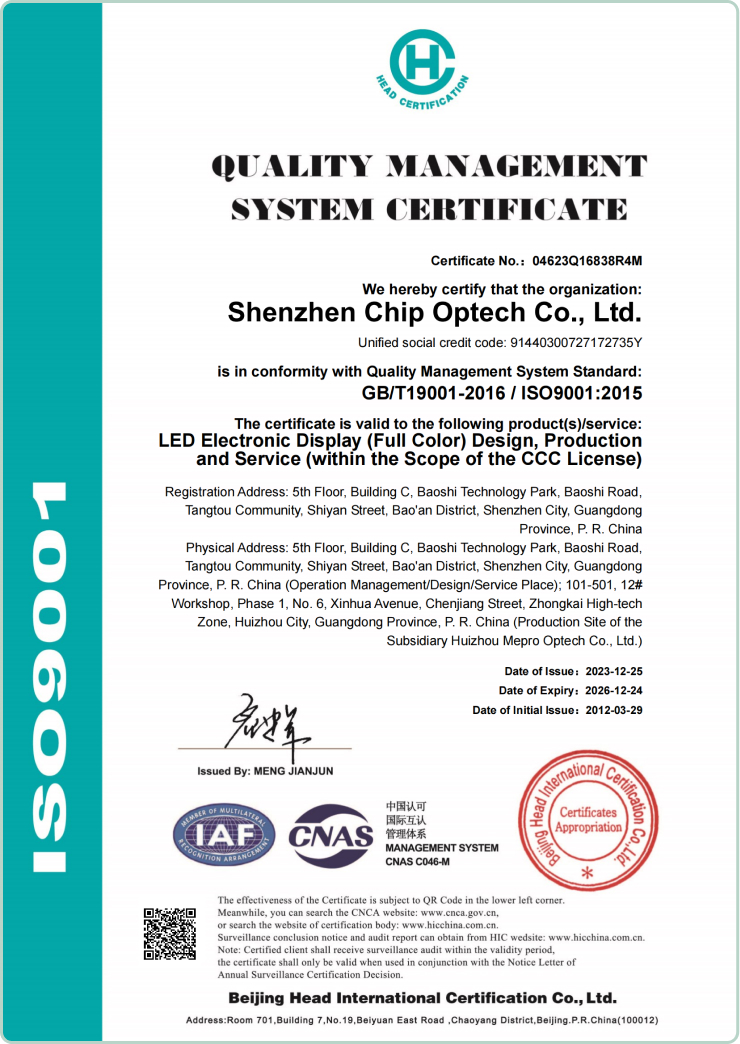
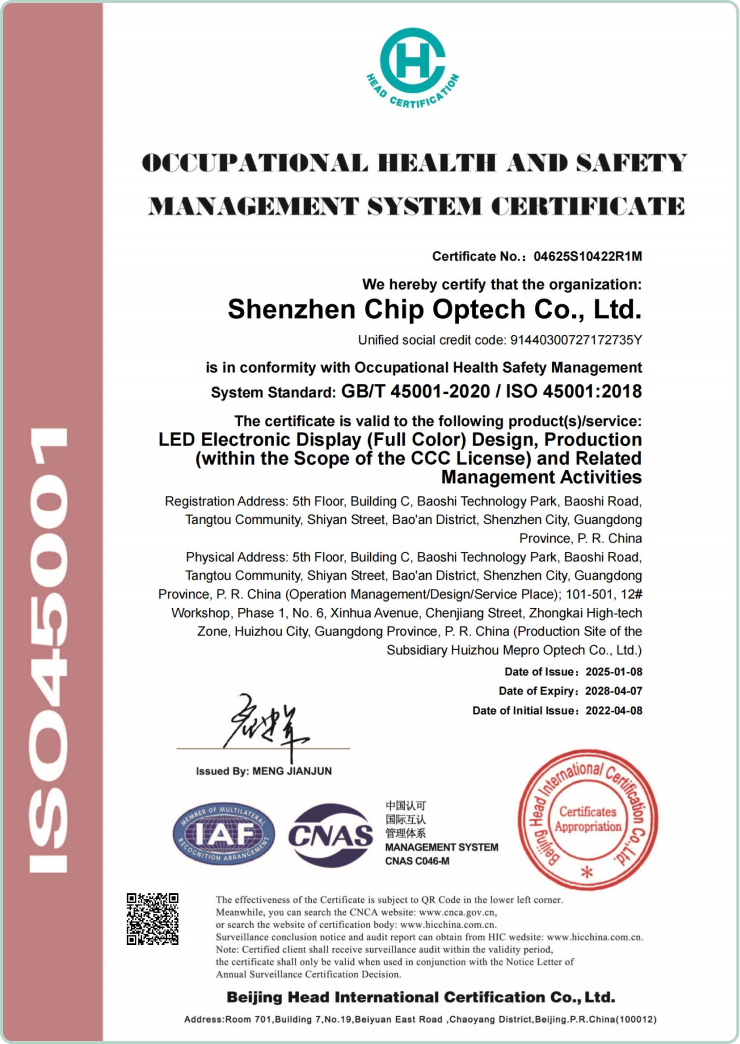
Management Systems
Design Honors
R&D & Patents
58 patents including 30 inventions (with 7 US and 2 EU), plus 13 utility models, 8 designs, 6 software copyrights.
chipshow
chipshow
chipshow
chipshow
chipshow
chipshow
chipshow
Product Certifications
58 patents including 30 inventions (with 7 US and 2 EU), plus 13 utility models, 8 designs, 6 software copyrights.
chipshow
chipshow
chipshow
chipshow
chipshow
chipshow
chipshow
Management Systems
58 patents including 30 inventions (with 7 US and 2 EU), plus 13 utility models, 8 designs, 6 software copyrights.
chipshow
chipshow
chipshow
chipshow
chipshow
chipshow
chipshow
Design Honors
58 patents including 30 inventions (with 7 US and 2 EU), plus 13 utility models, 8 designs, 6 software copyrights.
chipshow
chipshow
chipshow
chipshow
chipshow
chipshow
chipshow

Send a Comment

Checkboxes
Chat on WhatsApp

About Us

We design and manufacture outdoor & indoor LED display systems, delivering campaigns from concept to go-live. With in-house R&D, disciplined manufacturing, and a global service network, we help advertisers, integrators, and distributors deploy brand-safe screens—on time and at scale.
chipshow
chipshow
Tunnel Lighting Tunnel LightingTunnel Lighting
chipshow
Tunnel Lighting Tunnel LightingTunnel Lighting
chipshow
Tunnel Lighting Tunnel LightingTunnel Lighting
chipshow
Tunnel Lighting Tunnel LightingTunnel Lighting
chipshow
Tunnel Lighting Tunnel LightingTunnel Lighting
Shenzhen
Shenzhen
Shenzhen
Shenzhen
Shenzhen
0+
Established in
0+
Production and operation area
0+
distributor
0+
Development experience
0+
Exporting countries
0+
Success stories
Learn More

Frequently Asked Questions

From specs and compatibility to warranty and support, our FAQ covers everything you need to know to get the most out of your experience.
Why choose LED video walls over projectors and LCD panels?
Unlike LCD panels with distracting bezels or projectors that wash out in daylight, LED provides a 100% seamless, ultra-bright visual experience. You never need to dim the lights, and it boasts a 100,000-hour lifespan without expensive bulb replacements.

LED Displays for Meeting Rooms: Why Replace Traditional Projectors?

If your office still runs on a projector and a pull-down screen, you’ve probably dealt with the frustration: a washed-out image, a bulb that burns out mid-presentation, or the awkward ritual of dimming the lights just to see the slides. LED displays for meeting rooms are changing the standard for what professional collaboration looks like. Here’s a clear breakdown of what projectors get wrong, what LED screens get right, and whether the upgrade makes sense for your space.

LED video wall studio with camera setup, white chairs, and curved blue display backdrop

What’s Holding Traditional Projectors Back in Meeting Spaces?

Projectors have been the default for decades, but they come with a consistent set of problems that add up over time — in cost, in maintenance, and in meeting quality.

  1. Image quality drops with ambient light. Projectors rely on a dark room to produce a visible image. In a modern office with windows, overhead lighting, or both, the projected image often looks dim and washed out. This forces teams to close blinds and dim lights every time a presentation starts, which disrupts workflow and creates a less comfortable environment.
  2. Bulb replacement is a recurring expense. Projector lamps typically last between 2,000 and 5,000 hours depending on the model and usage mode. In a room that runs meetings eight hours a day, that’s a bulb replacement every one to two years — and replacement lamps aren’t cheap. Over a five-year period, maintenance costs can rival or exceed the original purchase price.
  3. Setup takes time. Connecting a laptop, adjusting focus, waiting for the bulb to warm up, fixing keystone distortion — these are small delays that add up. In back-to-back meeting environments, they create friction that slows down the start of every session.
  4. The projection surface matters more than people realize. Irregularities in a wall or screen fabric cause visual distortion. A slightly wrinkled pull-down screen or an uneven painted wall noticeably degrades image quality, especially for detailed content like spreadsheets or engineering diagrams.
  5. Noise and heat are real. Projector fans generate consistent background noise, which becomes distracting in smaller rooms or during video calls. The heat output can also make a meeting room feel stuffy, especially in tight spaces.
Conference hall with large LED screen showing mountain landscape and rows of audience chairs

Why LED Conference Screens Outperform What You’re Used To

LED display panels address most of the problems above directly, and they add capabilities that projectors simply can’t match.

  1. Brightness that works in any lighting condition. Modern LED conference screens typically output 400–700 nits or more, which is bright enough to deliver a sharp, vivid image even in a fully lit room. There’s no need to adjust the lighting for presentations.
  2. No bulbs, no lamps, no recurring replacement costs. LED panels have a rated lifespan of 50,000–100,000 hours. For a meeting room running eight hours a day, five days a week, that’s over 24 years of operation before significant degradation. The total cost of ownership is substantially lower over the long run.
  3. Instant-on operation. LED screens reach full brightness the moment they’re powered on. There’s no warm-up period, no cooldown requirement — just turn it on and start the meeting.
  4. Consistent image quality across the full screen. Unlike projectors that can suffer from hot spots, color shifting, or focus inconsistency across a large surface, LED panels deliver uniform brightness and color from edge to edge.
  5. Compatibility with modern collaboration tools. Many LED conference displays support wireless screen sharing, touch input, multi-source display, and integrated video conferencing software. This makes them a functional hub for the meeting room, not just a display device.
  6. Better for video calls. When remote participants are part of the meeting, a high-resolution LED screen makes faces, presentations, and shared documents far easier to read than a dim projected image. For companies shopping for an indoor led screen for sale, this capability is increasingly a baseline requirement.
Speaker on stage presenting Asia bank connections on a giant LED screen in an auditorium

LED Displays vs. Projectors: How Do They Actually Compare?

Here’s a direct side-by-side look at the key performance factors:

Feature LED Display Traditional Projector
Image brightness 400–700+ nits; works in full light 3,000–5,000 lumens; needs dimmed room
Resolution Up to 4K native (common in 4k led screen factory output) Often 1080p; 4K models are expensive
Lifespan 50,000–100,000 hours 2,000–5,000 hours (lamp)
Maintenance cost Minimal (no consumables) Lamp replacements every 1–2 years
Setup time Plug in and use immediately Alignment, focus, keystone correction needed
Noise output Near-silent Fan noise; audible in quiet rooms
Image consistency Uniform across full panel Can vary with surface quality and distance
Touch / interactivity Available on most modern models Requires separate hardware
Form factor Flat panel; mounts to wall Requires projector + screen/surface setup
Long-term ROI Higher upfront, lower total cost Lower upfront, higher ongoing costs

If you’re comparing a mid-range projector setup to a professional LED flat screen for sale at a similar resolution, the projector is cheaper day one. But when you factor in lamp replacements, service calls, and eventual bulb degradation over five or more years, the LED panel often wins on total spend — especially in high-use environments.

Where LED Screens Are Being Used in Today’s Meeting Rooms

LED display technology isn’t just for large boardrooms anymore. Here’s where it’s showing up across different types of professional spaces:

1. Standard Conference Rooms (8–20 Person Capacity)

A single large-format LED panel — typically 75 to 110 inches — replaces the projector setup entirely. Many companies searching for a big screen led tv for sale for this use case are now opting for commercial-grade LED panels over consumer televisions, because commercial panels are rated for continuous operation and offer better warranty support.

2. Huddle Rooms and Small Team Spaces

Smaller LED displays in the 55–75 inch range are increasingly common in compact meeting rooms designed for two to six people. Their slim profile fits naturally into tight spaces where a projector and screen would be awkward to install.

Conference room with curved LED display wall showing charts, branding, and presentation content

3. Executive Boardrooms

High-end boardrooms often install seamless LED video walls made up of multiple fine-pitch panels. These deliver an immersive, high-resolution experience for C-suite presentations, investor meetings, and executive briefings.

4. Training and Education Rooms

Rooms used for onboarding, corporate training, or continuing education benefit from LED screens because content stays legible even to people seated at the edges or back of the room.

5. Hybrid Meeting Environments

As remote work and hybrid teams remain common, meeting rooms with strong display technology give remote participants a better experience on camera and during screen shares. An LED screen paired with a quality camera and microphone system creates a much more professional setup than a projector-based room.

6. Multi-Room and Signage Integration

Some organizations use the same LED panel technology across meeting rooms, lobbies, and hallways, creating a unified visual system managed from a central platform.

Make the Switch to LED Displays for Meeting Rooms

If your team is still dealing with dim projections, bulb replacements, or wasted setup time at the start of every meeting, the case for switching to LED displays for meeting rooms is straightforward. The technology has matured, prices have dropped, and the operational advantages are well-documented. Start by auditing how often your current projector causes friction — you may find the upgrade pays for itself faster than expected.

FAQ About LED Displays for Meeting Rooms

Q1: Are LED displays significantly more expensive than projectors upfront?

Yes, LED panels generally cost more upfront than a comparable projector setup. However, the total cost of ownership over five or more years tends to favor LED, especially in high-use environments. Eliminating lamp replacements, reducing service needs, and avoiding early equipment failure all contribute to better long-term value for most organizations.

Q2: What size LED screen is right for a standard conference room?

It depends on the room dimensions and seating distance. A common rule of thumb is to divide the viewing distance (in inches) by 1.5 to get the minimum recommended screen size in inches. For a room where the farthest seat is 12 feet (144 inches) from the screen, a 75-to-100-inch display is typically appropriate for comfortable viewing.

Q3: Can an LED display replace a projector in a room with high ambient light?

Absolutely. This is actually one of the strongest arguments for LED panels. Unlike projectors, LED screens produce enough brightness to remain clearly visible in fully lit rooms with windows. You don’t need to close blinds or dim overhead lights, which keeps the environment more comfortable and professional.

Q4: Do LED conference screens support wireless screen sharing?

Yes, most commercial-grade LED displays sold today include built-in wireless connectivity or support for wireless dongles compatible with Windows, Mac, and mobile devices. Some models also integrate natively with collaboration platforms like Zoom Rooms or Microsoft Teams.

Q5: How long does a commercial LED display typically last?

Most commercial LED panels are rated for 50,000 to 100,000 hours of operation. In a meeting room used eight hours a day, five days a week, that translates to well over 20 years before the panel reaches 50% of its original brightness — significantly longer than any projector lamp-based system.

Q6: Is a commercial LED panel different from a consumer big screen TV?

Yes. Commercial LED panels are built for continuous operation (often 16–18 hours per day), carry longer warranties, support remote management, and are designed for consistent performance in professional environments. A consumer big screen led tv for sale may work in low-traffic settings but typically isn’t rated for the daily wear of a corporate meeting room.