

C-Slim Alloy DH Outdoor LED Display
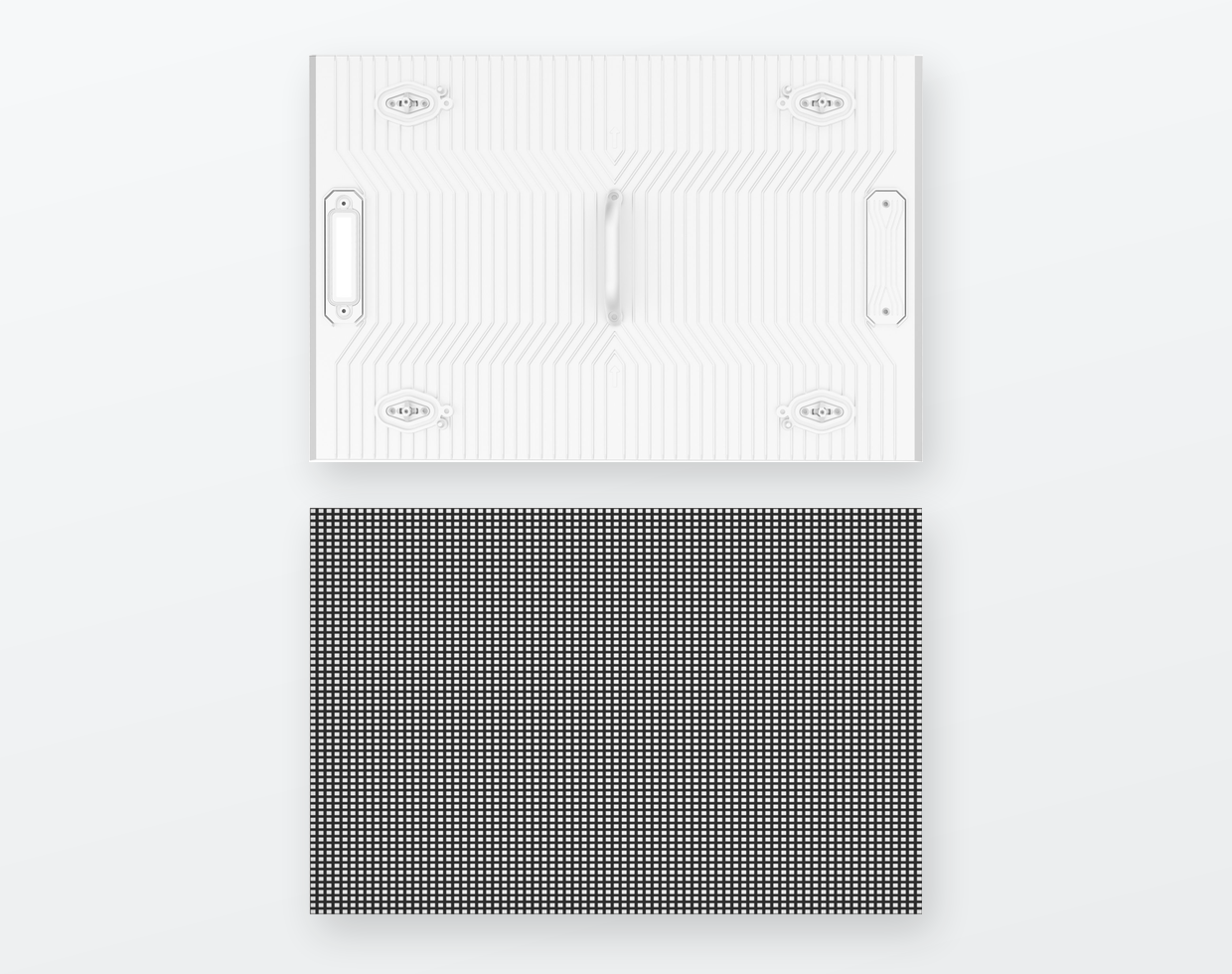
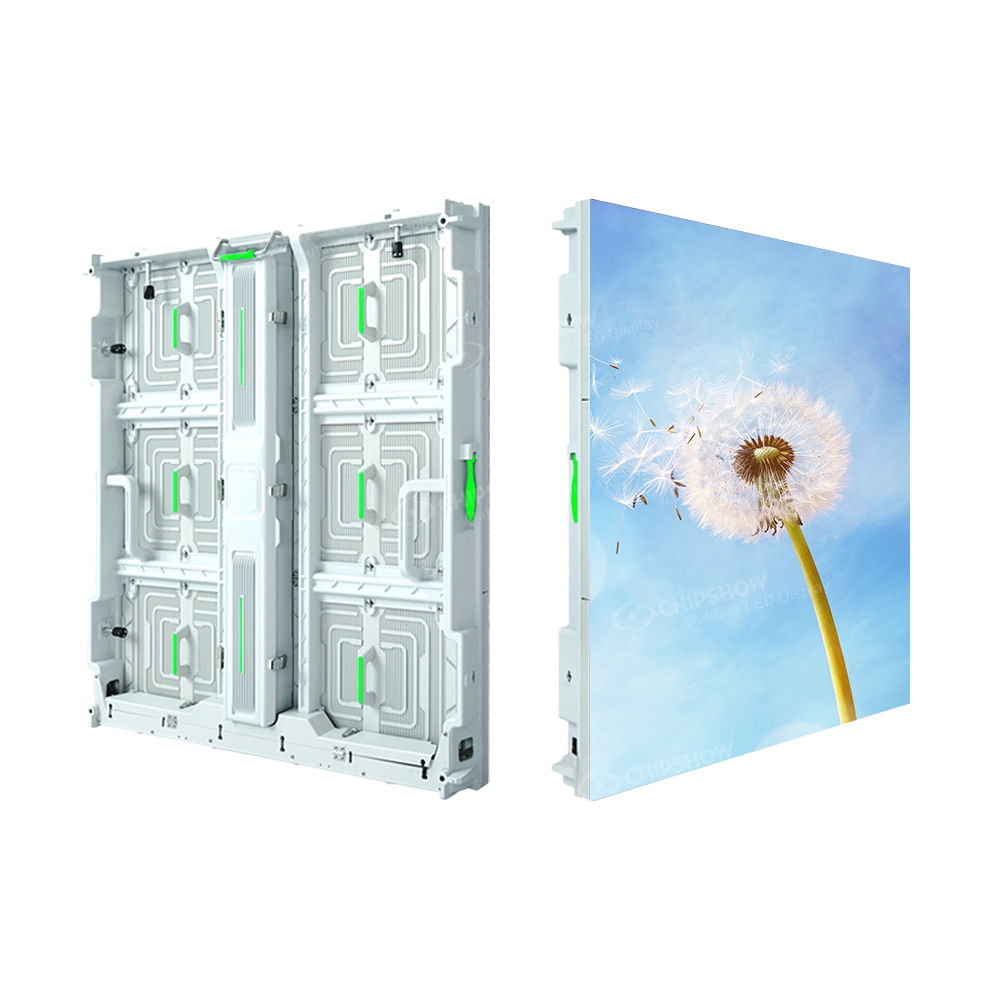
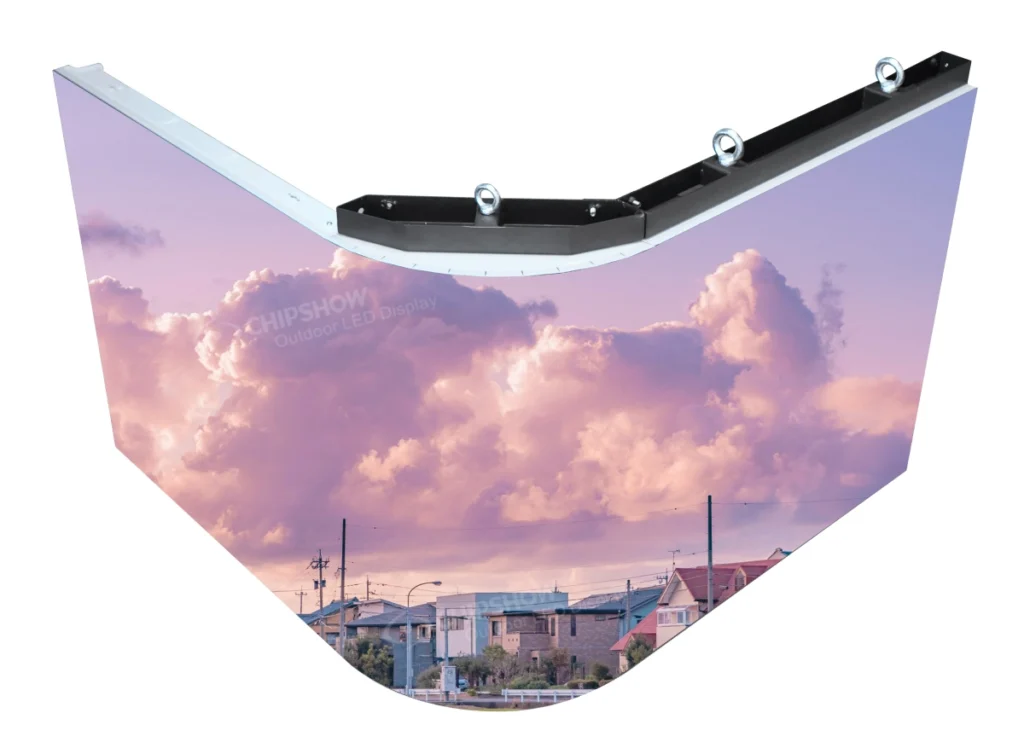
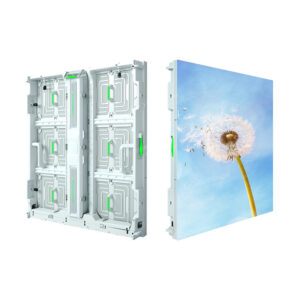
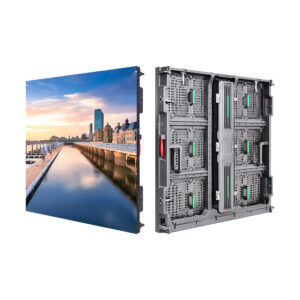
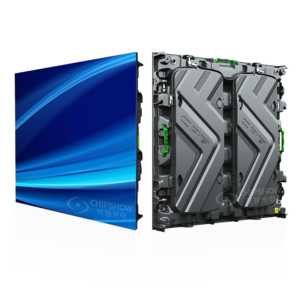
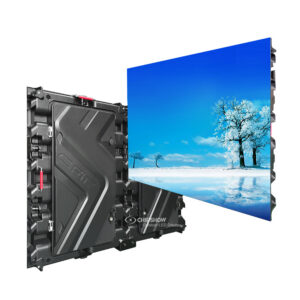
C-Slim Alloy DH: outdoor billboards built for fast installs. Seven pixel pitches from P4.44 to P10 run on one aluminum profile cabinet, so a single platform covers close roadside panels and long-view highway screens. The cabinet weighs 26.5 kg at 95 mm thick, supports front and rear service, and reaches IP65 on both faces. Match pitch to viewing distance and content plan.
C-Slim Alloy DH Outdoor LED Display
C-Slim Alloy DH: outdoor billboards built for fast installs. Seven pixel pitches from P4.44 to P10 run on one aluminum profile cabinet, so a single platform covers close roadside panels and long-view highway screens. The cabinet weighs 26.5 kg at 95 mm thick, supports front and rear service, and reaches IP65 on both faces. Match pitch to viewing distance and content plan.
Specification
Pixel pitch P4 / P4.44 / P5 / P5.71 / P6.67 / P8 / P10
Cabinet size 960 × 960 × 95 mm
Cabinet weight 26.5 kg
Refresh rate 3840 Hz
Reference brightness 5000 / 5500 / 6000 cd/m² by pitch
Protection IP65 front and rear
- 26.5 kg per cabinet — aluminum profile cabinet at 95 mm thick cuts freight cost and eases handling on multi-cabinet installs
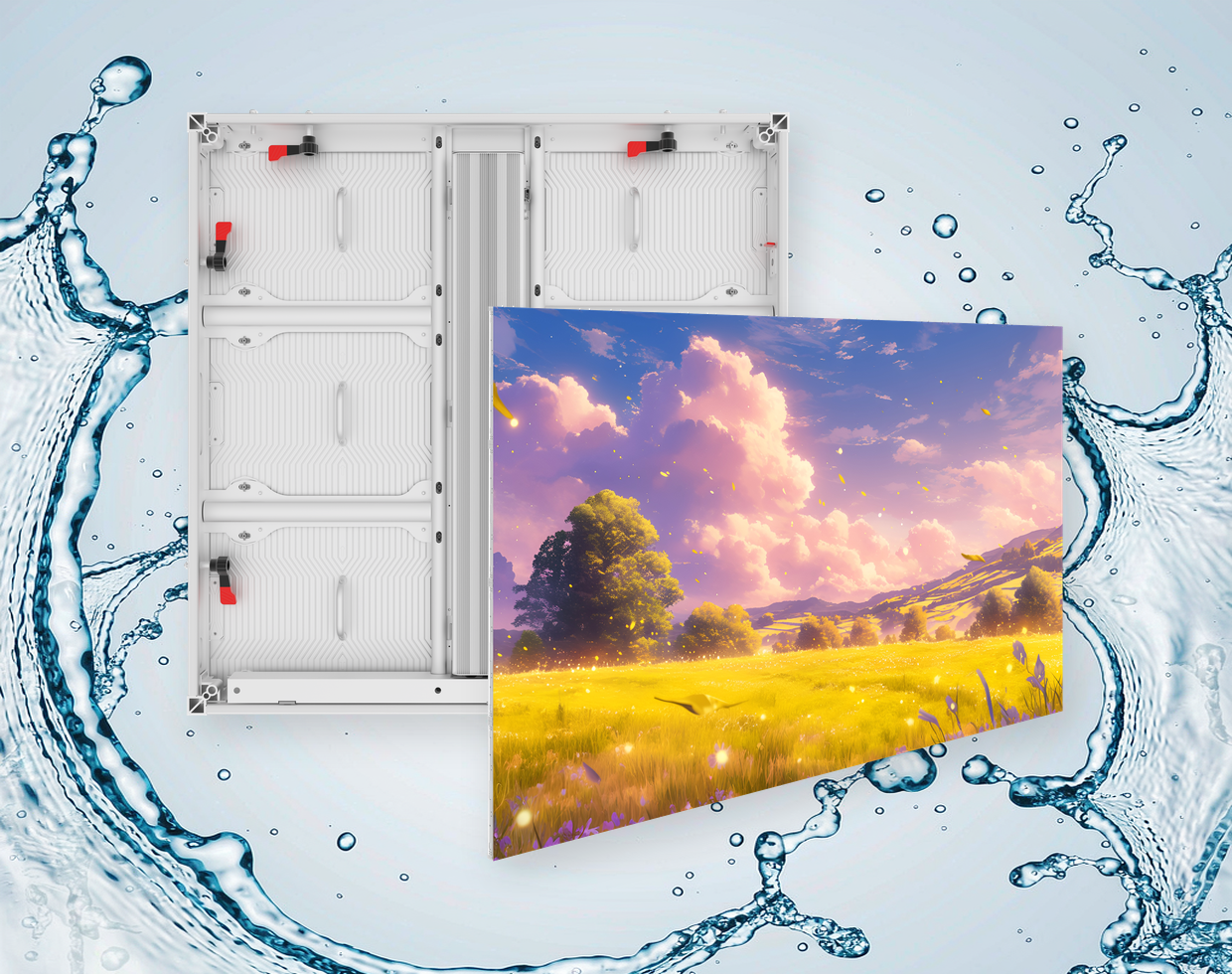
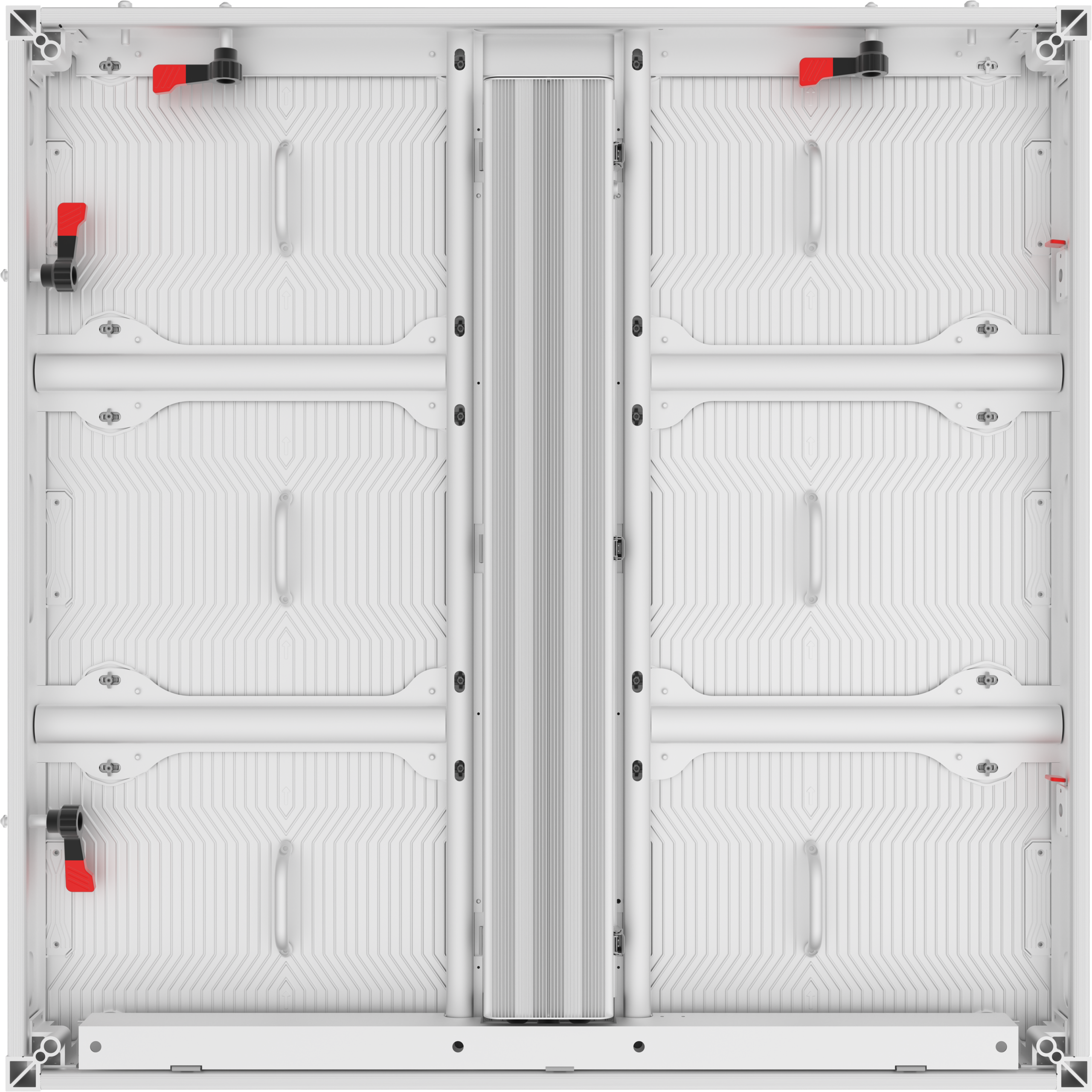
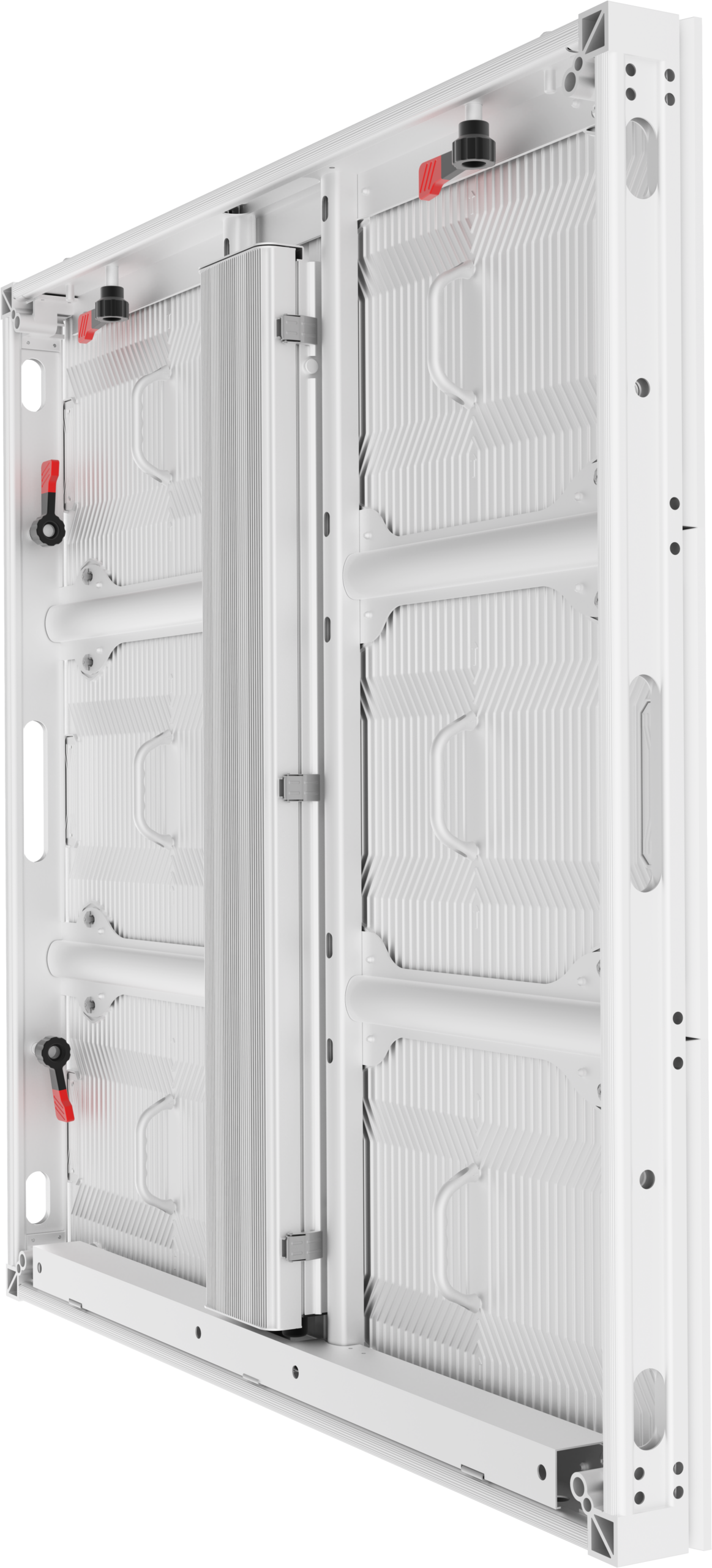
- Front and rear service — crews reach modules and power parts from either face, so installation and repairs take less labor on site
- Common-cathode energy savings — with the common-cathode module plan, average power runs at 180 W/m² versus 320 W/m² common-anode
- IP65 front and rear — sealed cabinets operate from minus 20 °C to 50 °C, and the aluminum profile resists corrosion outdoors
- One cabinet, seven pitches — P4.44 to P10 modules fit the same 960 × 960 mm frame, so mixed-pitch projects and later upgrades stay simple
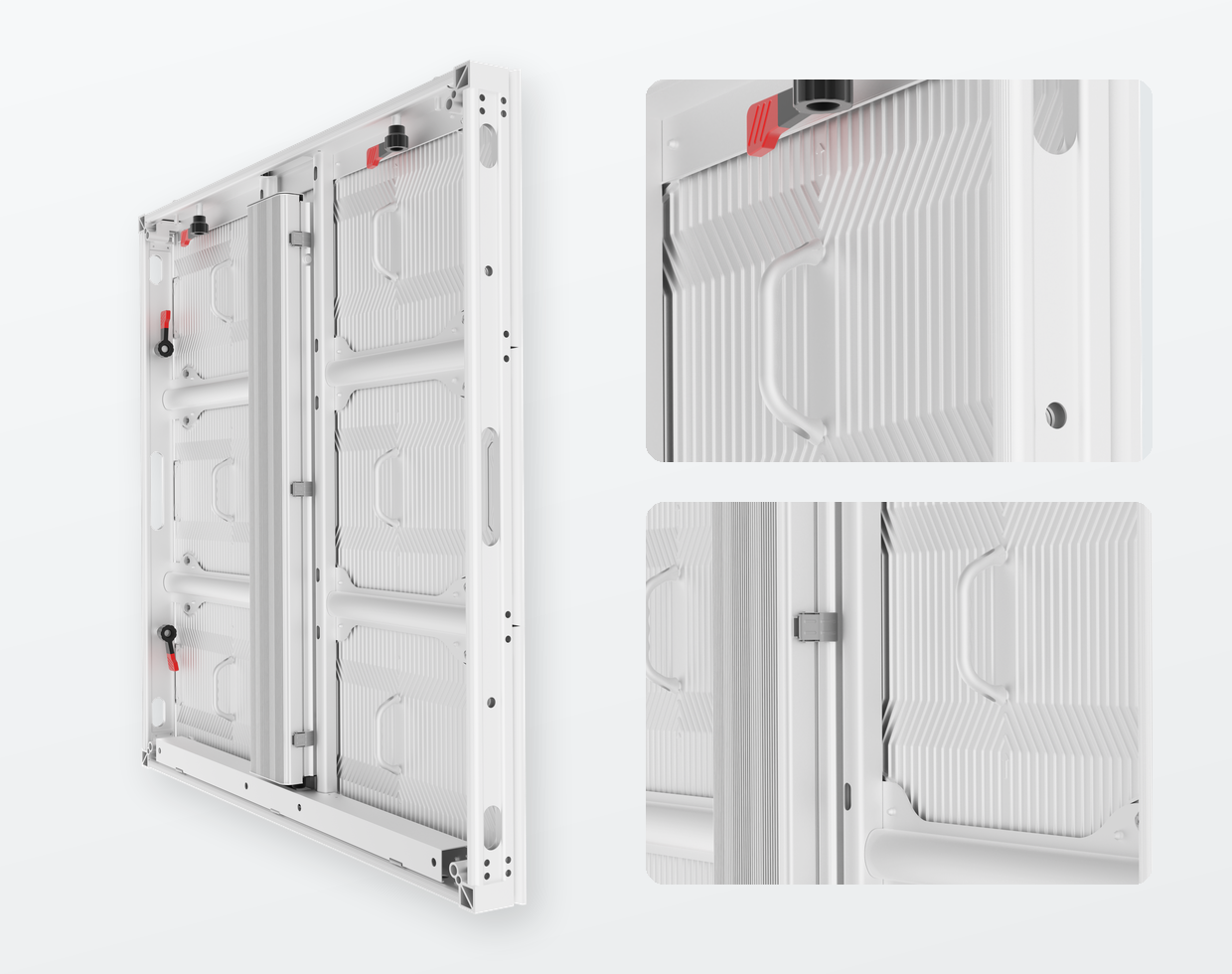
The aluminum profile cabinet adopts contact heat conduction with heat-dissipating silica gel to accelerate module heat dissipation. The aluminum base shell and profile structure give modules a high heat dissipation coefficient. Stable heat control supports long-hours operation through summer peak temperatures.
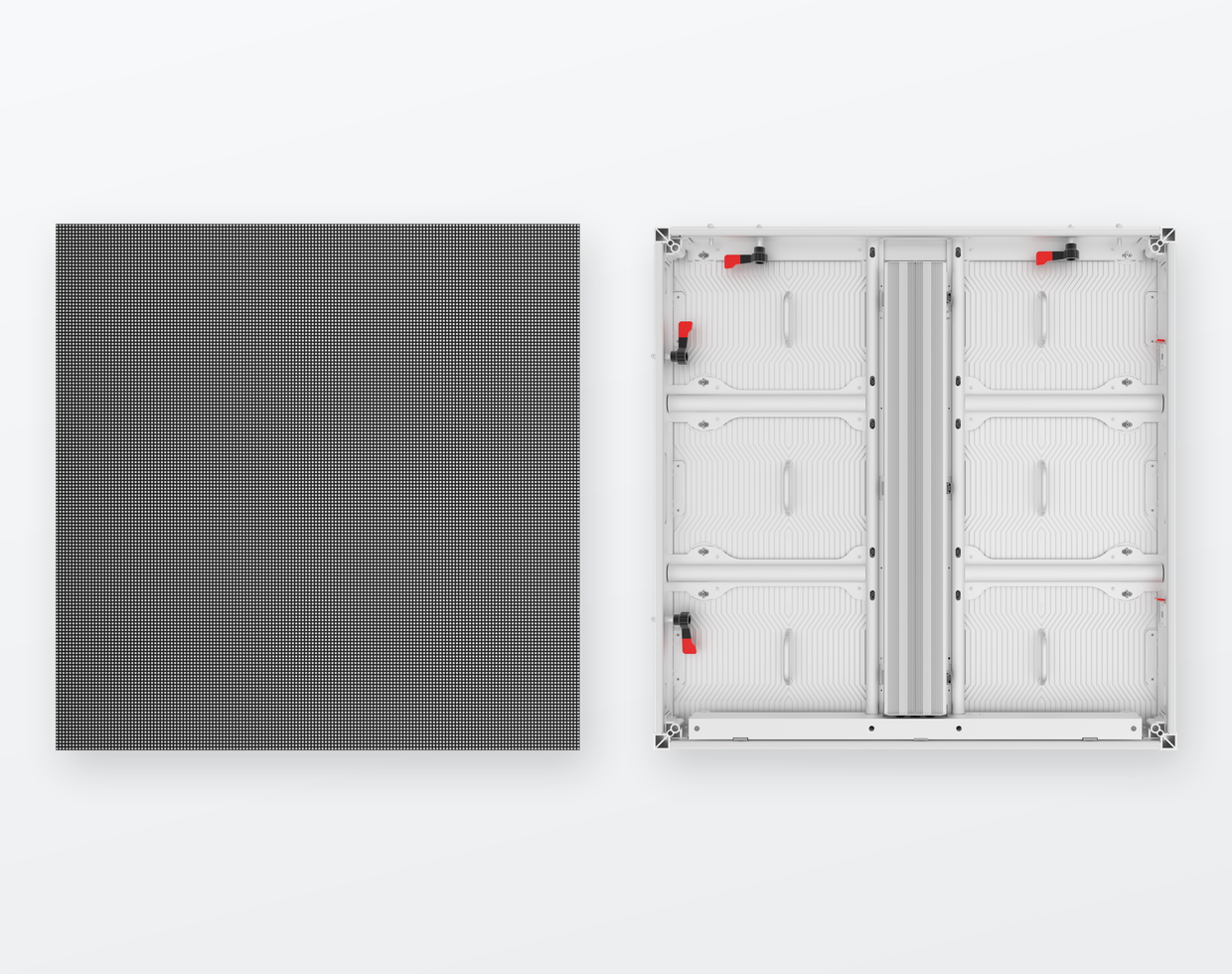
Service from Both Faces
Front and rear accessibility lets crews reach modules, power supplies and receiving cards from either side of the cabinet. Operation stays simple, so installation and later service take less labor and time on site. Walls mounted flush against a structure can still be serviced from the front.
Common-Cathode Option, Lower Running Power
With the common-cathode module plan, average power runs at 180 W per square meter, versus 320 W per square meter under common-anode drive. Maximum power falls from 750 W to 550 W per square meter. For screens that run long hours, the difference shows up directly in the electricity line item.
3,840 Hz Refresh for Moving Content
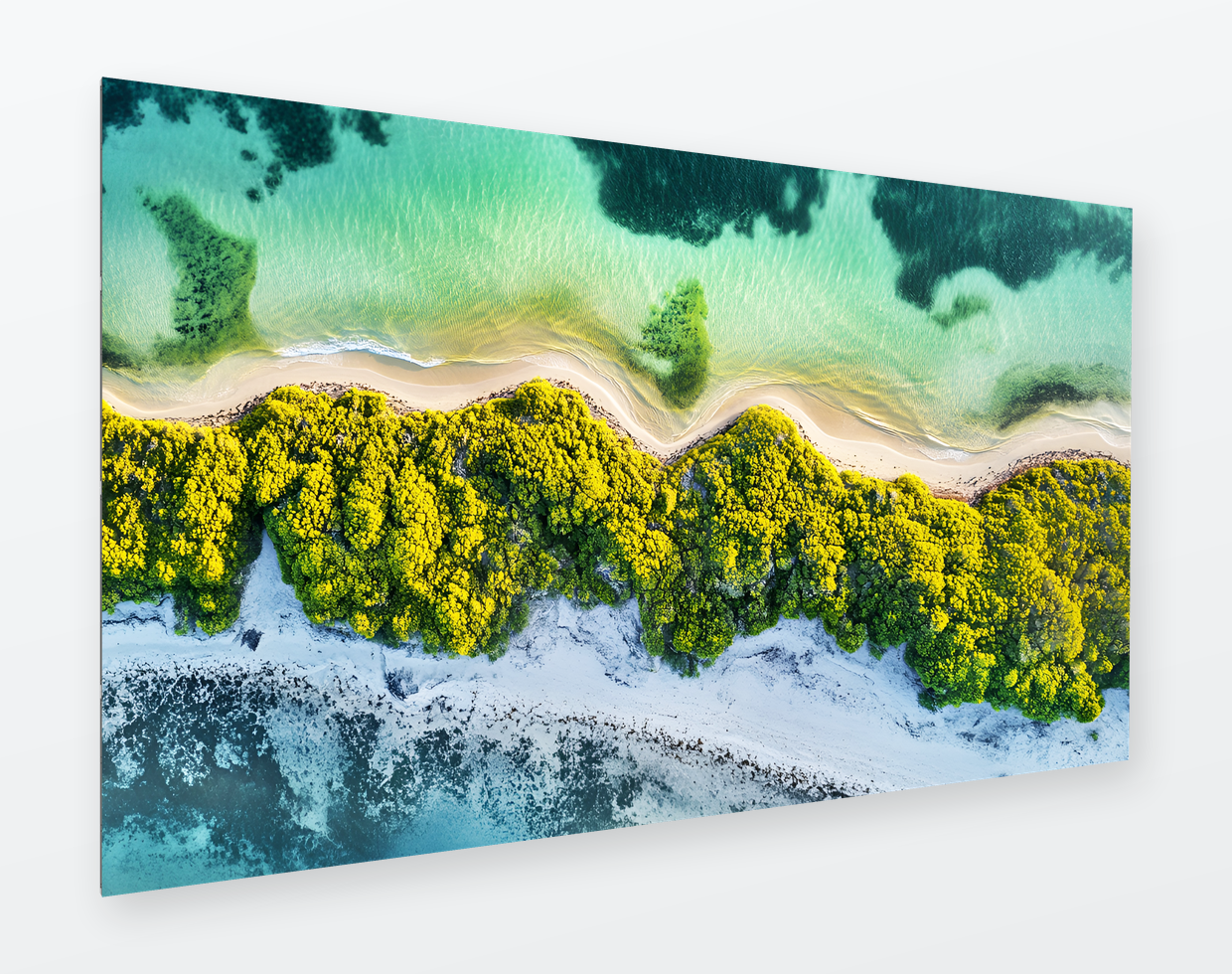
A 3,840 Hz refresh rate with 14-bit gray grade keeps motion content smooth for sports events and roadside video; P4 configurations reach 7,680 Hz. High refresh helps recorded footage stay clean on camera, and final results depend on camera settings and shooting conditions.
IP65 Sealing, Outdoor-Ready
Front and rear protection reaches IP65, sealing the cabinet against dust and rain. Rated operation spans minus 20 °C to 50 °C, covering winter installs and summer peak heat. The aluminum profile structure resists corrosion for long-term outdoor service.
Plan Your Display
Service Support
Frequently Asked Questions
From specs and compatibility to warranty and support, our FAQ covers everything you need to know to get the most out of your experience.
Which pixel pitch should I choose?
Viewing distance drives the choice. P4.44 to P5.71 suits close roadside and storefront panels, while P6.67 to P10 covers highway and long-view billboards. Brightness runs from 5,000 to 6,000 nits across the range.
What is the difference between common-anode and common-cathode?
Can I mix pixel pitches in one screen?
Will it survive rain, dust and summer heat?