




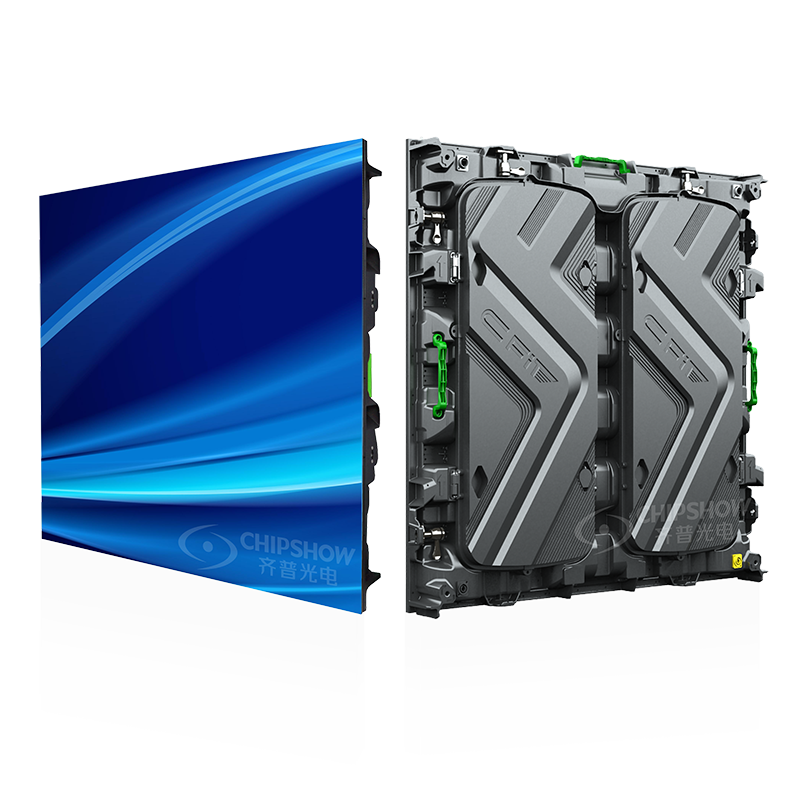
C-Fit Hybrid Magnesium Outdoor LED Display
Outdoor LED projects rarely fit a single template. Sites combine curved perimeters with flat facades, phased budgets demand future-proof hardware, and installation windows shrink every year. The C-Fit Hybrid Magnesium series is built for exactly that kind of project — a unified platform covering P2.5 to P16 pixel pitches, with cabinet sizes of 960 × 960 mm, 640 × 960 mm, and 1280 × 960 mm to match structural grids without custom fabrication.
What Makes This a Platform, Not Just a Product
One Cabinet System Across the Full Pitch Range
The C-Fit Hybrid Magnesium keeps the same cabinet structure, rigging interfaces, and electrical connections across every pixel pitch. That means a P10 installation today can be upgraded to P5 or P4 later — module replacement only, no structural rebuild. For phased rollouts or evolving content strategies, this directly reduces long-term capital expenditure.
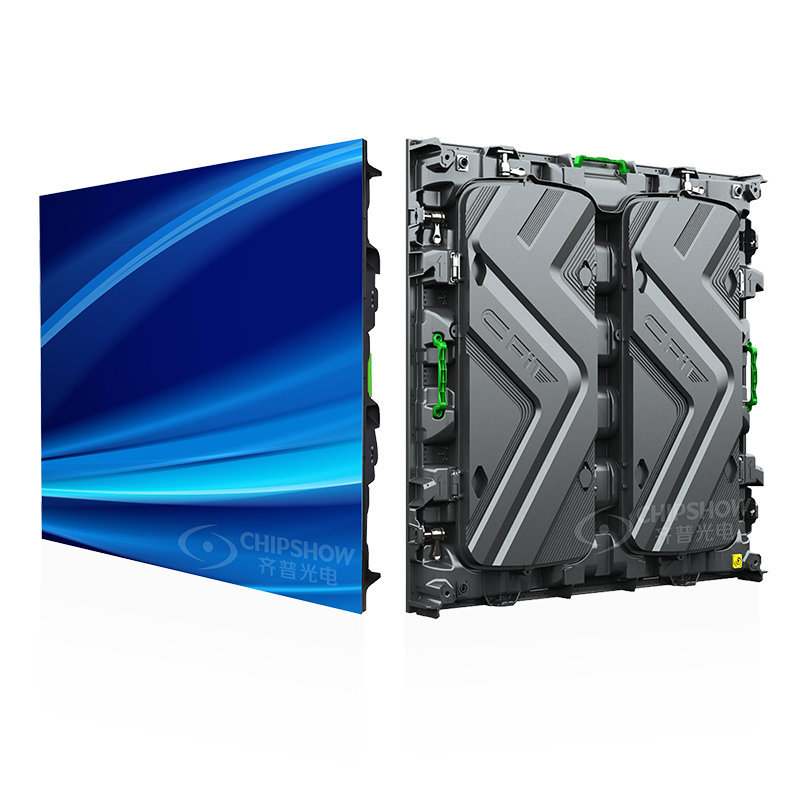
Hybrid Fast Rigging
Cabinet-to-cabinet assembly is accelerated through the Hybrid Fast Rigging mechanism, cutting tool requirements and personnel hours on-site. For large-format builds — stadium perimeters, transit facades, commercial hoardings — fewer installation steps mean shorter site windows and lower labor costs, without compromising structural integrity under wind load or thermal expansion.
Thermal Management and Structural Flexibility
Negative-Pressure Cooling
Heat accumulation degrades LED brightness and shortens component lifespan. The C-Fit Hybrid Magnesium integrates a Negative-Pressure Cooling system directly into the cabinet body, managing airflow internally rather than relying on external fans or passive fins alone. The result is more stable operating temperatures, consistent brightness output, and reduced maintenance frequency — critical for high-uptime public and commercial deployments.
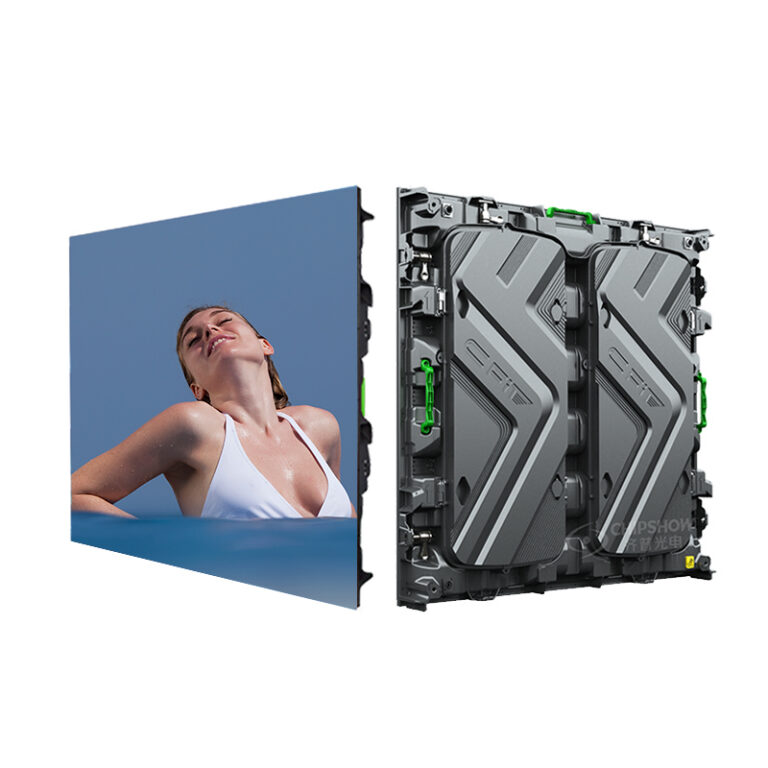
Perimeter-Ready Options
Not every outdoor installation is flat. Sports venues, retail perimeters, and architectural facades regularly require curved or angled screen segments. The Perimeter-Ready Options in this series allow flat and curved sections to share the same cabinet platform, eliminating the need to source separate products for different parts of the same project.
Where the C-Fit Hybrid Magnesium Fits Best
This series suits projects where installation complexity, multi-pitch requirements, or long-term upgrade planning are primary decision factors:
- Sports venue perimeters — fast rigging during tight construction windows, curved cabinet compatibility, mixed pixel pitches across viewing zones
- Transit hub facades — long-distance wayfinding and close-range HD content within one procurement framework
- Phased advertising networks — standardize on the platform now, upgrade pixel pitch as site revenue justifies it
- Architectural facade wraps — perimeter-ready cabinets handle non-rectangular grids and corner configurations
The magnesium alloy cabinet contributes to all of these scenarios: higher strength-to-weight ratio than standard aluminum die-cast reduces structural load while maintaining the dimensional precision needed for seamless multi-cabinet alignment.
FAQs
Q1: Can different pixel pitches be used within the same installation?
Yes. The P2.5–P16 range means separate zones of the same project — say, a close-range HD content wall and a long-distance roadside segment — can use different pixel pitches while sharing the same cabinet platform, rigging system, and structural framework.
Q2: What does upgrading pixel pitch actually require on-site?
Module replacement only. The cabinet structure, rigging interfaces, and electrical connections remain consistent across the full pitch range, so future upgrades do not require structural rebuilding or new cabinet procurement.
Q3: How does Negative-Pressure Cooling perform compared to fan-based systems in outdoor conditions?
Fan-based systems introduce moving parts that require periodic maintenance and can underperform in dust-heavy environments. The Negative-Pressure Cooling system manages internal airflow through the cabinet structure itself — no external fans, fewer maintenance points, and more stable thermal performance across seasonal temperature swings.


