





C-Vent Architectural LED Series for Long-Range Outdoor Visibility
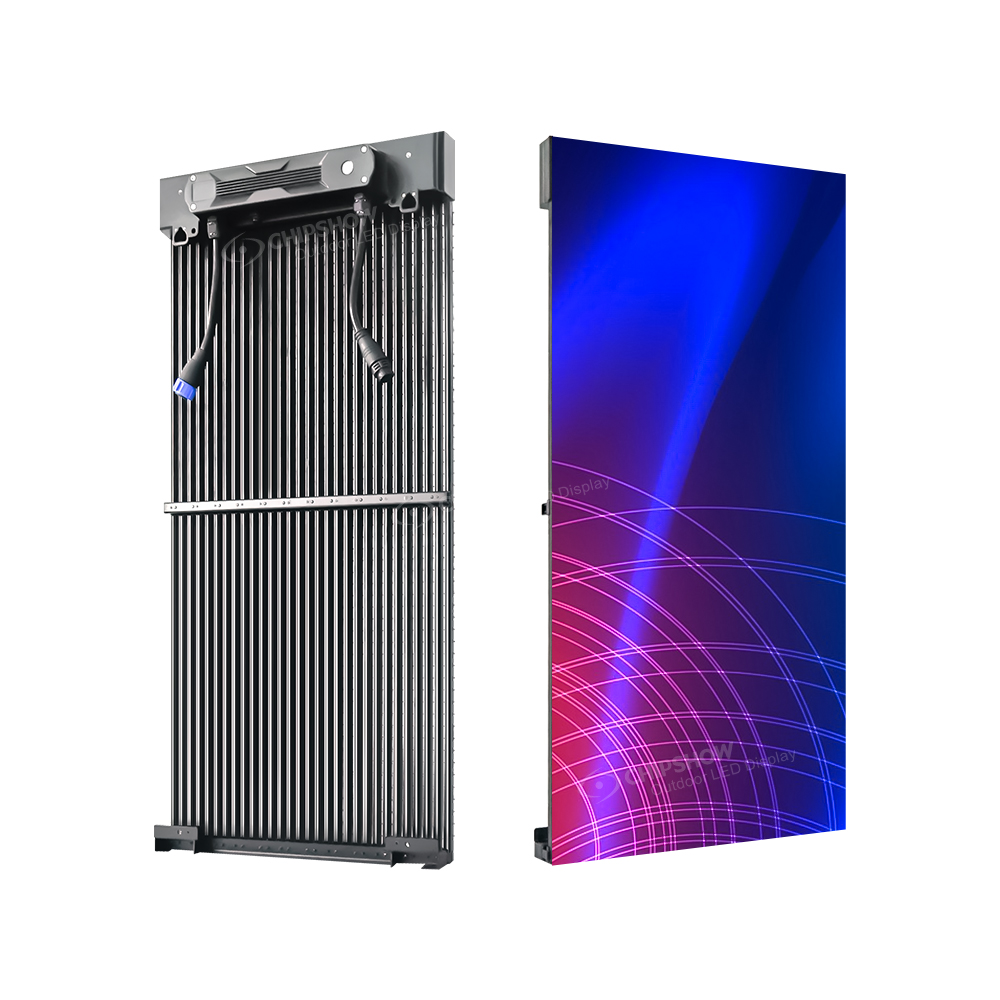
Outdoor LED displays used in architectural façades and digital out-of-home environments must perform under conditions far beyond indoor or short-range screens — intense sunlight, long viewing distances, structural load requirements, and continuous outdoor exposure. Chipshow’s C-Vent Architectural LED Series is engineered for these demanding applications, covering large-scale DOOH advertising, road and traffic signage, architectural façade integration, and exposed billboard installations.
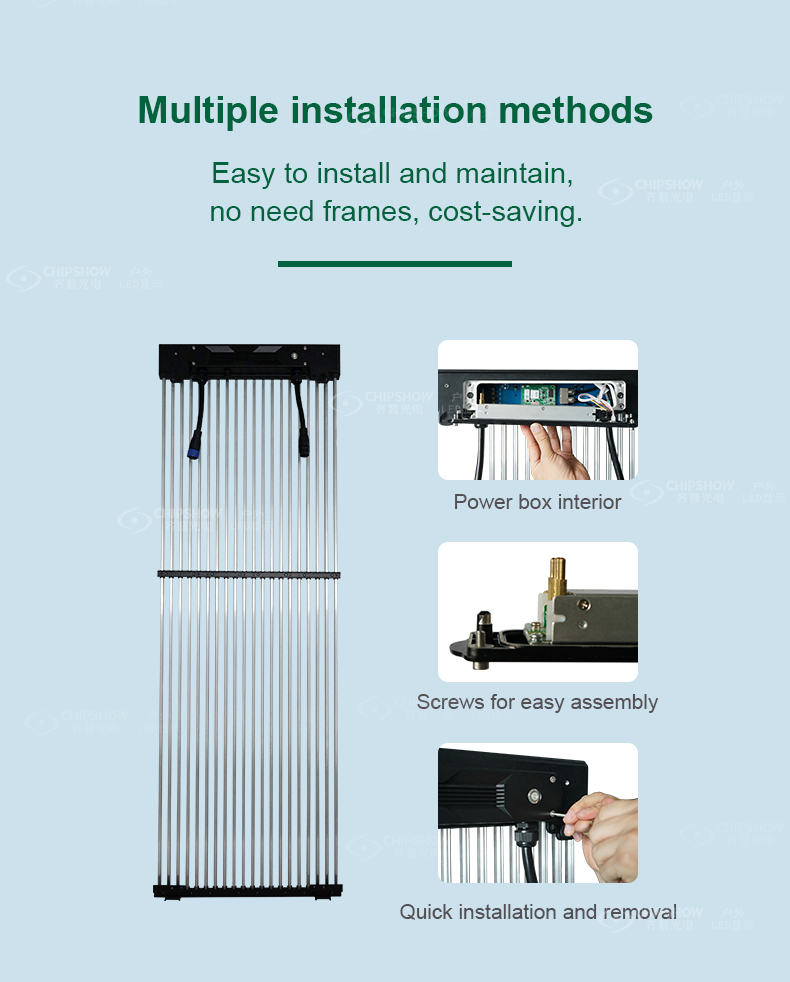
Engineered for Architectural and Digital Outdoor Applications
Long-Range DOOH Advertising
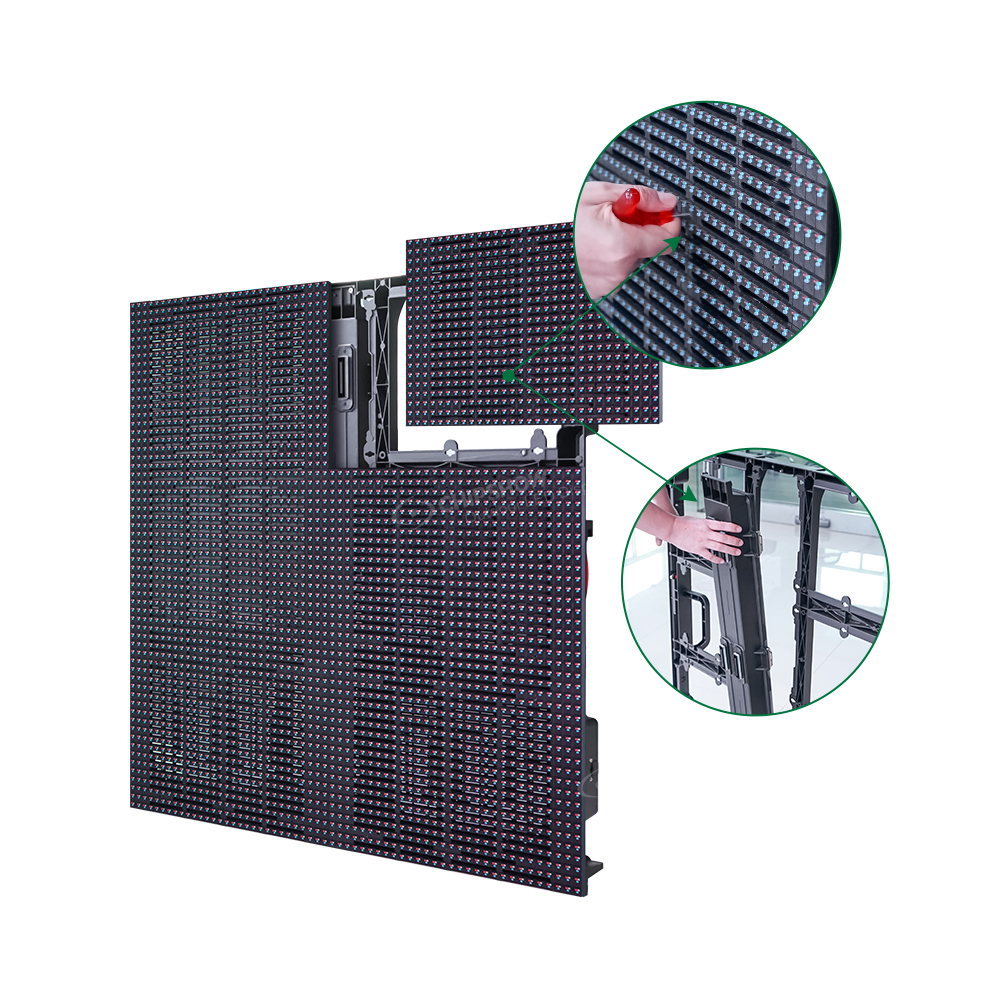
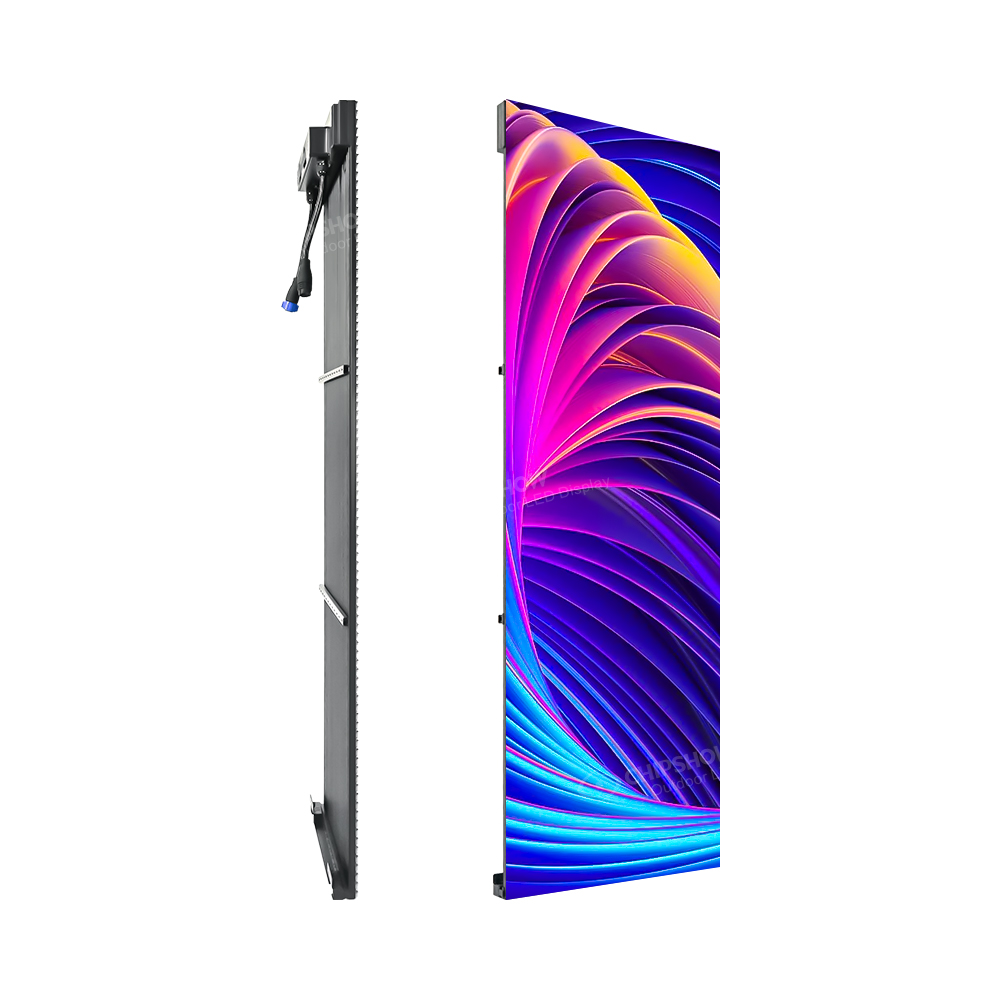
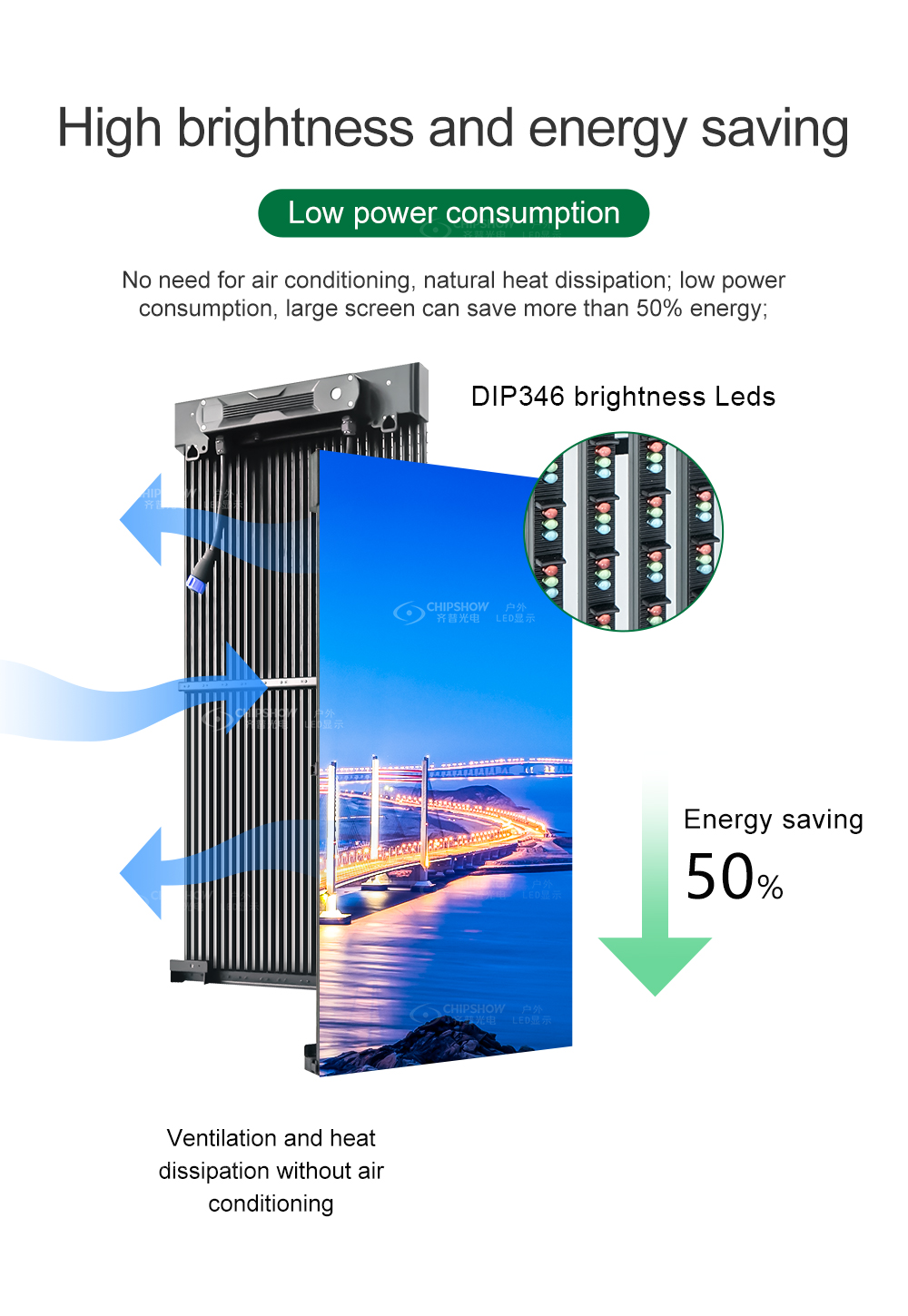
The C-Slim Vent Long-View Eco-DOOH targets large-format advertising placements along highways and open public spaces. It combines high-brightness DIP output with a lightweight cabinet and passive airflow cooling — no fans, no mechanical failure points, and a lower maintenance burden over its operational life.
Road and Traffic Information
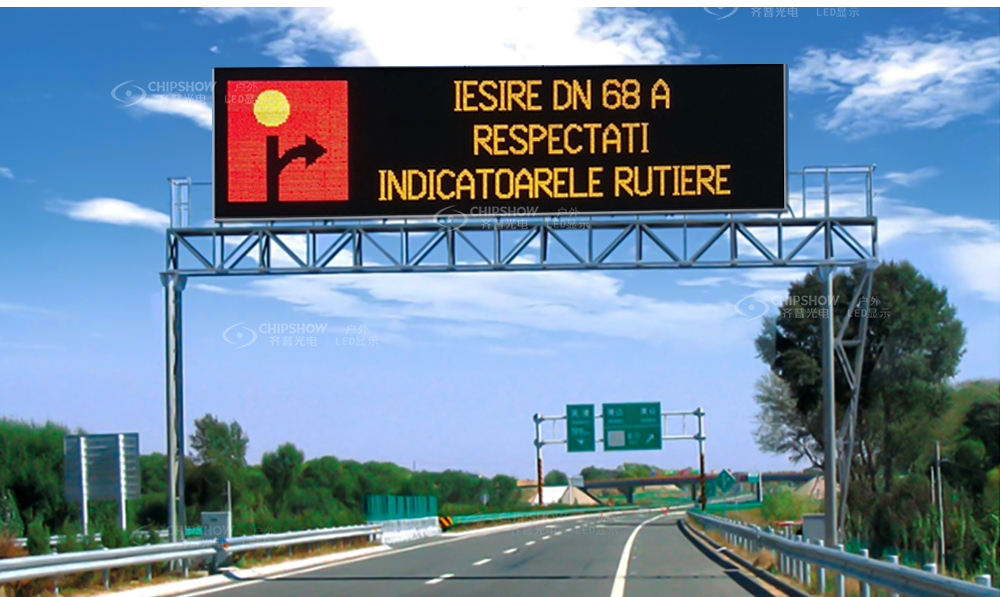
The C-Slim Vent Traffic (VMS) is configured for variable message signage and traffic guidance. It carries EN12966 tender-ready compliance and a peak luminance of 12,400 cd/m² (L3), meeting the visibility standards required for public road infrastructure. Front-access maintenance is built in, which matters on roadside installations where rear access is restricted or unsafe.
Architectural Mesh Façades
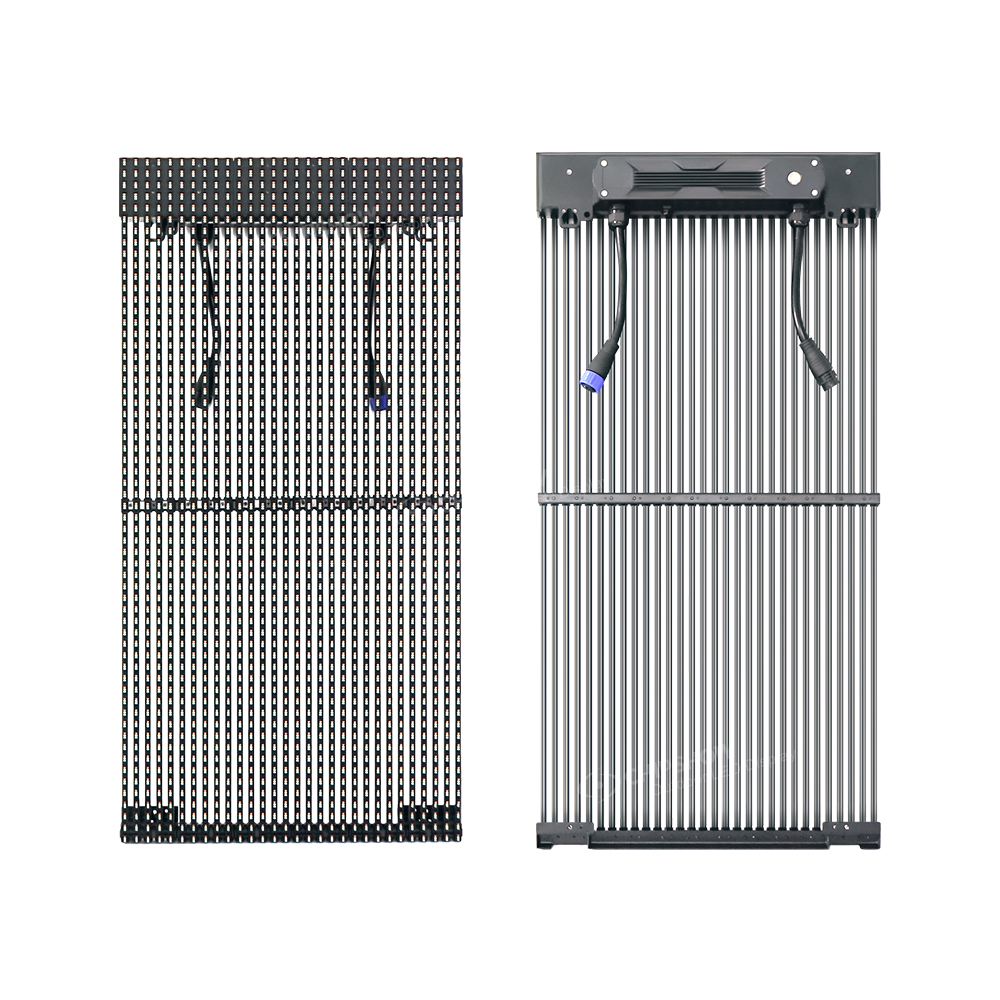
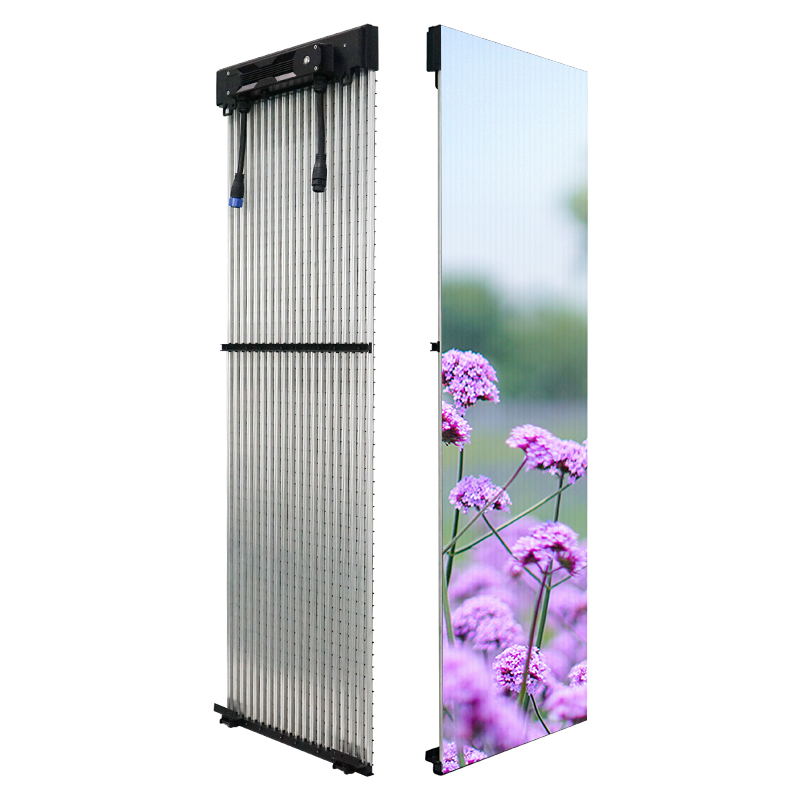
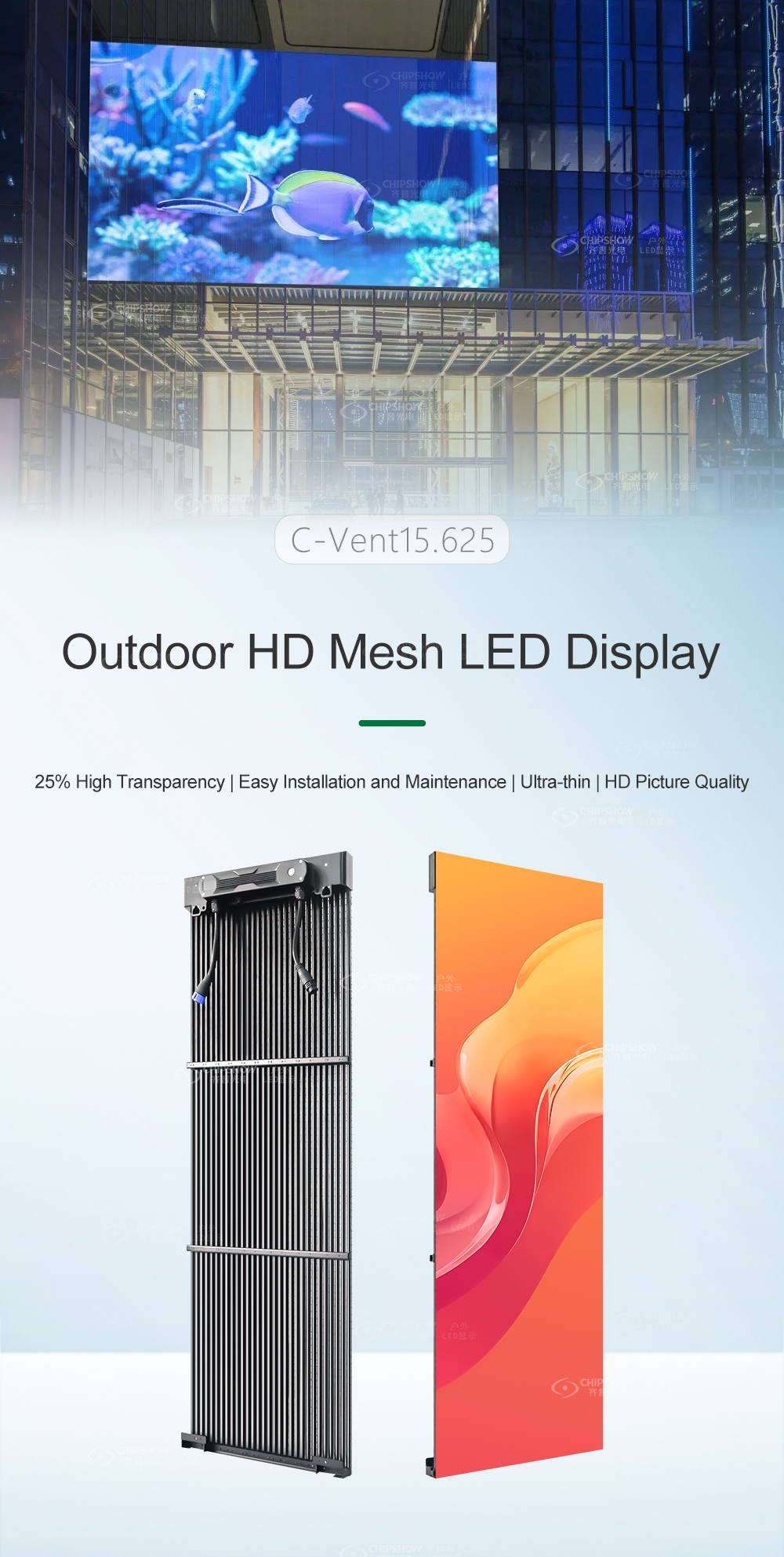
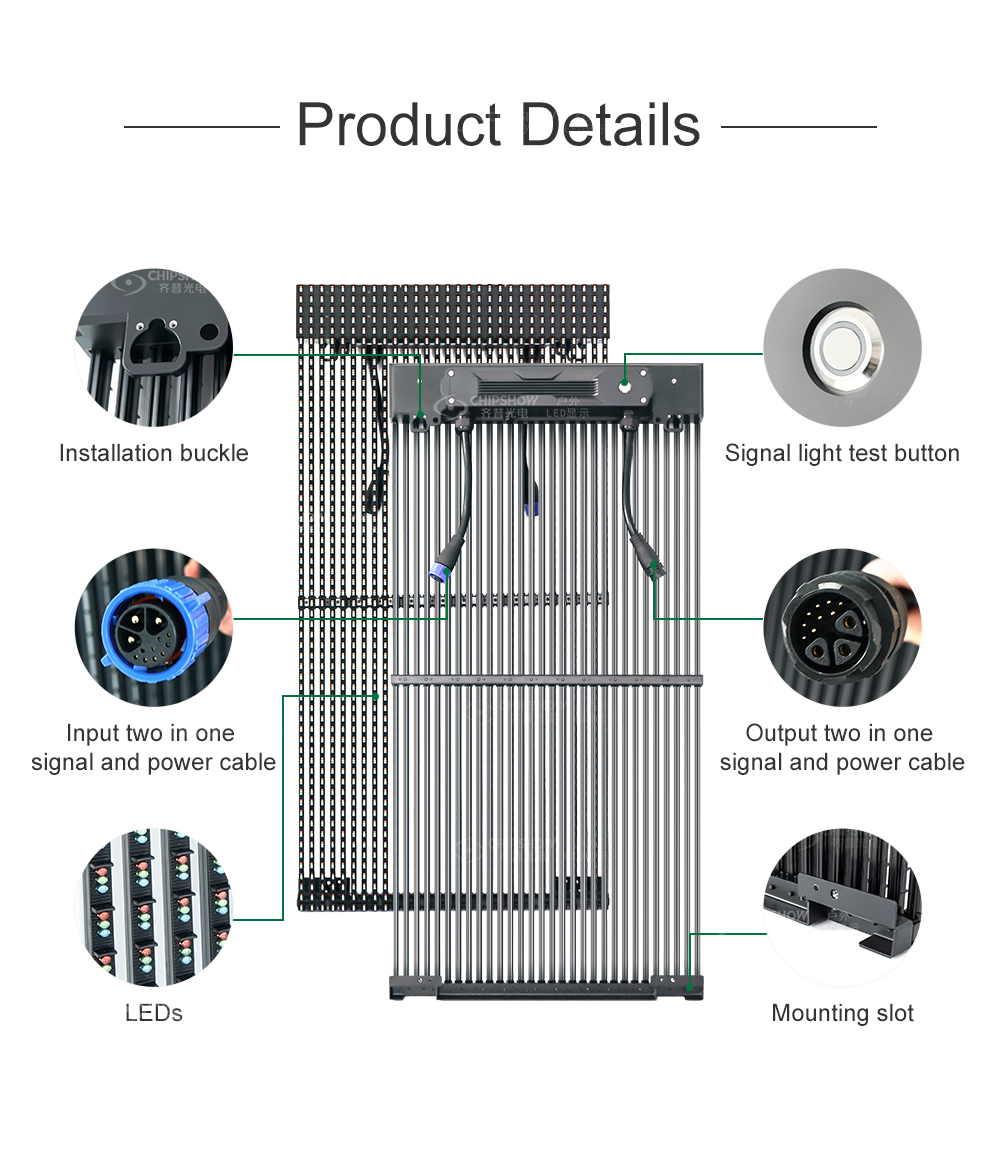
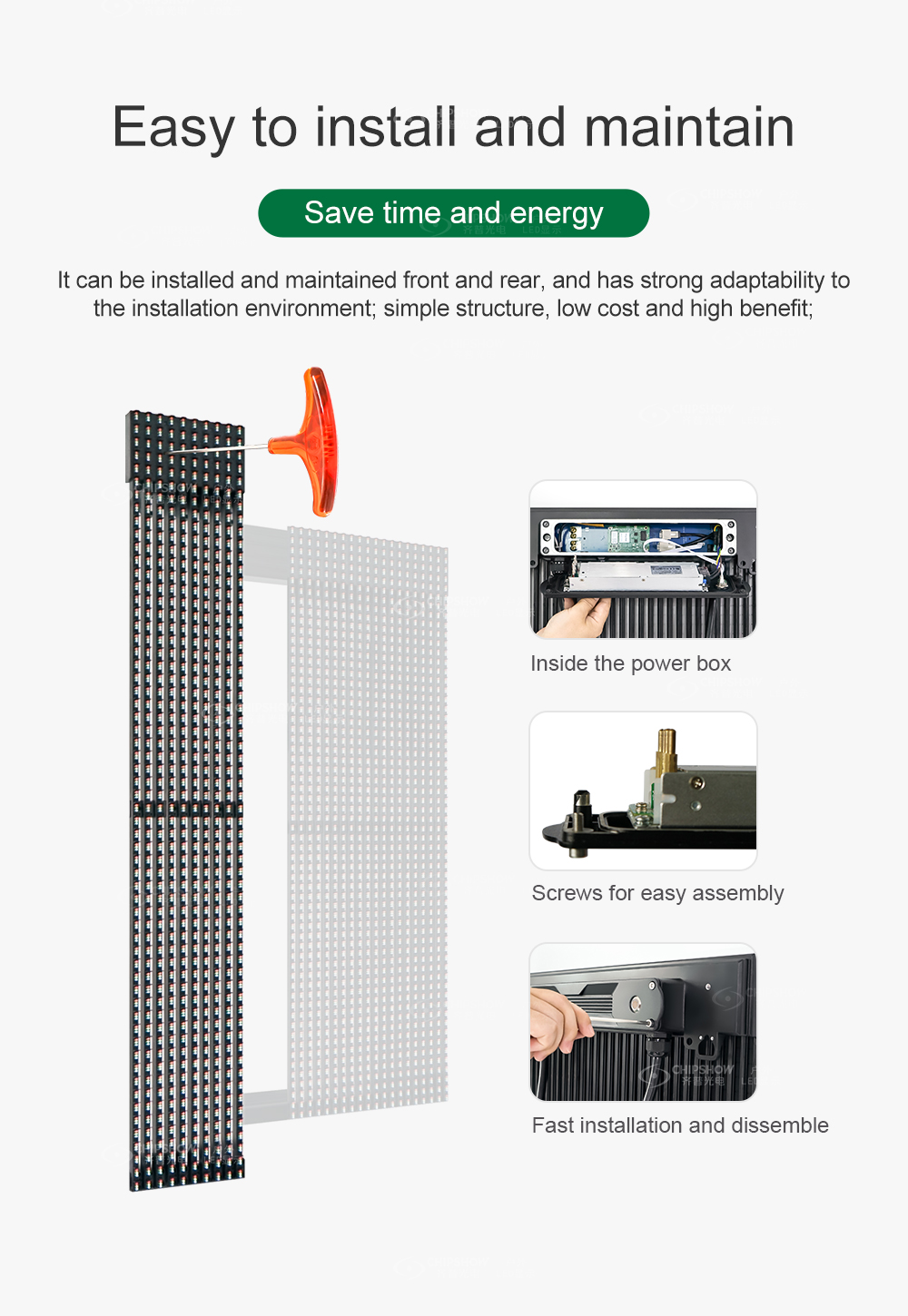
The C-Vent P15.6 Outdoor Mesh Façade uses a grille cabinet structure that allows air and light to pass through the panel surface. This reduces wind pressure on the building and supports façade ventilation requirements. Both front and rear maintenance access are available, making it adaptable to different building configurations — including concrete wall retrofits.
High-Wind Billboard Environments
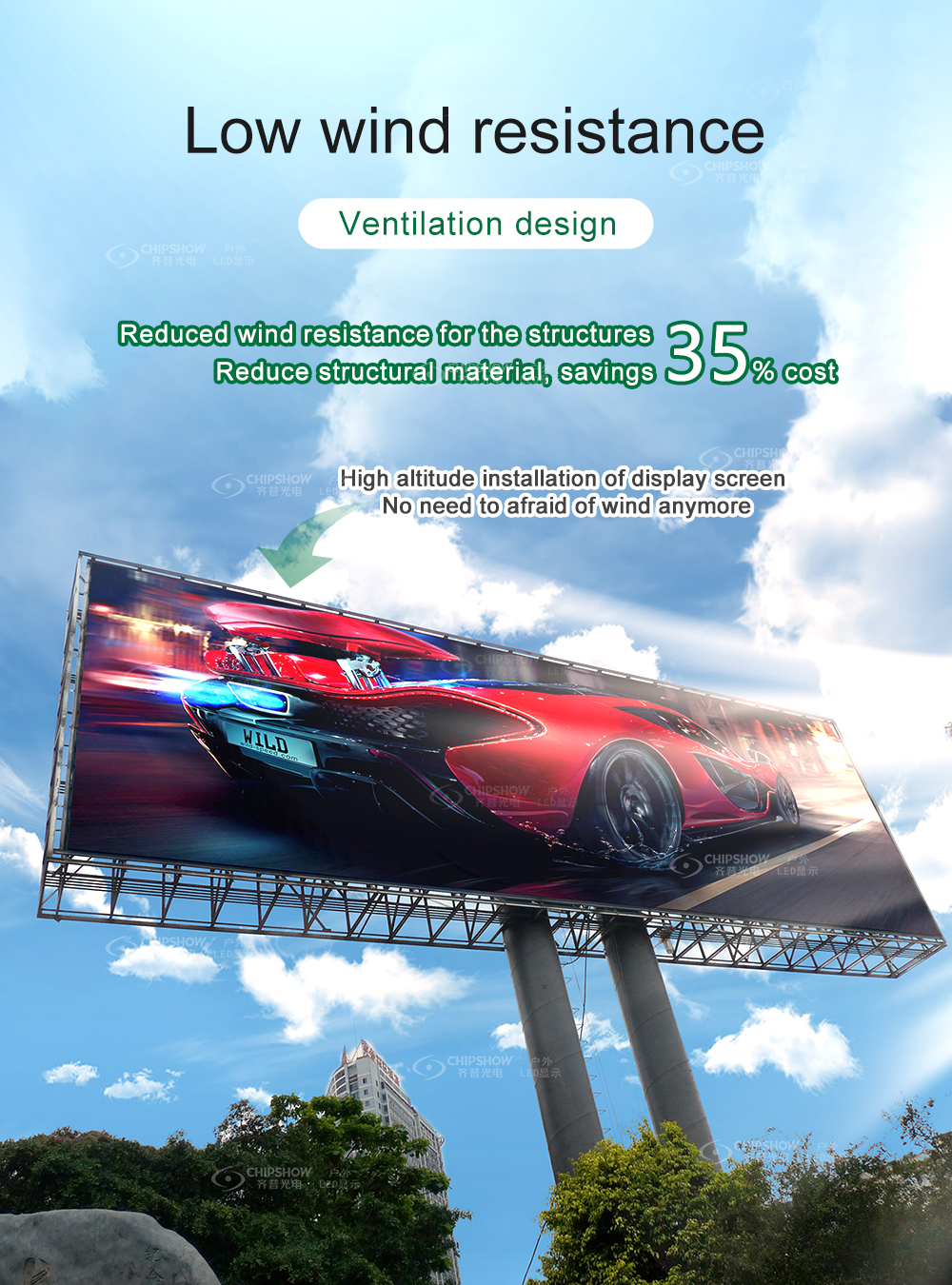
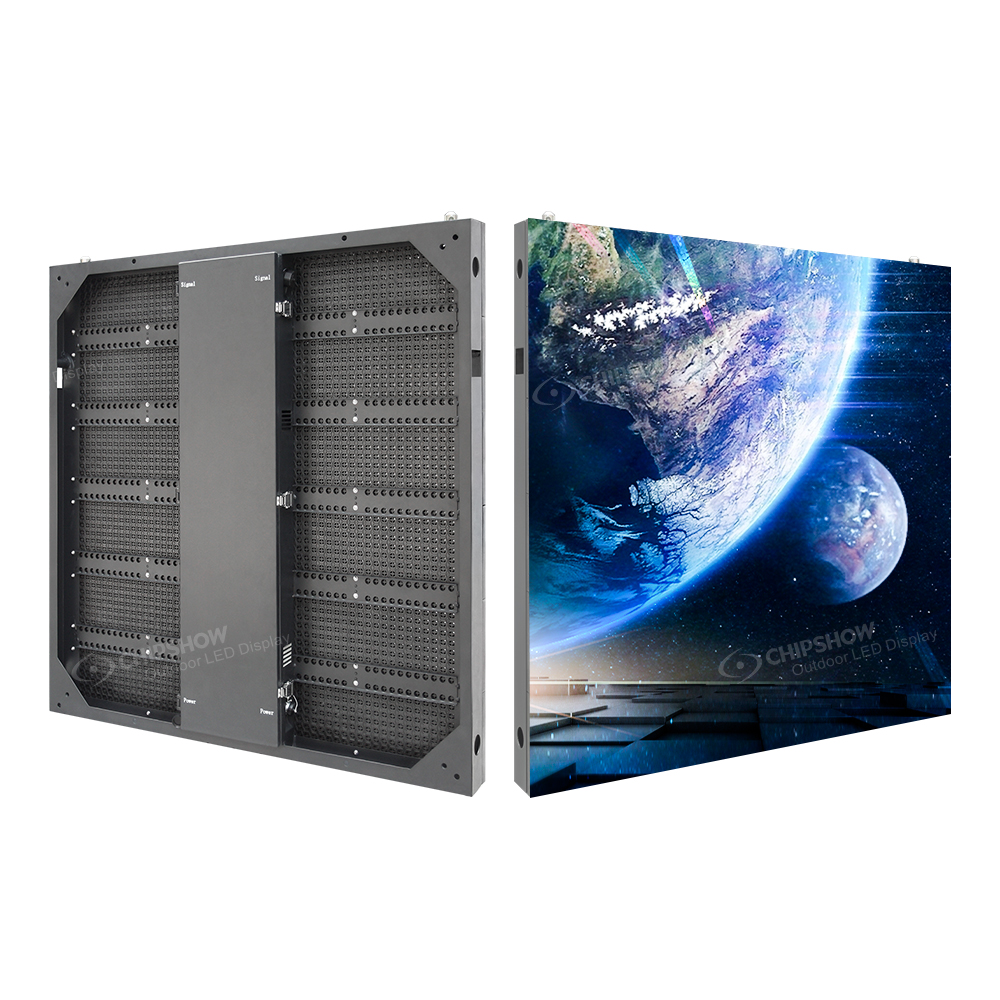
The C-Vent P16 Wind-Resistant Billboard is designed for exposed locations where wind load is a structural and financial concern. Its reduced wind-load cabinet design lowers the steel specification required for the supporting frame — a direct cost saving at the civil engineering stage. Combined with fanless self-cooling and IP65 protection on both front and rear faces, it is built to operate reliably in coastal, elevated, or seasonally high-wind environments.
Why DIP Delivers Higher ROI for Extreme Outdoor Viewing Conditions
SMD technology performs extremely well in indoor and close-viewing environments, where fine pixel pitch, high image density, and refined visual detail are often the top priorities.
But outdoor long-distance applications follow a different performance logic.
When a display is viewed from more than 24 meters away, required to reach 7,000 nits or higher brightness, and expected to operate under direct sunlight on a 24/7 basis, the key question is no longer pixel density alone. It becomes long-term visibility, brightness stability, durability, maintenance cost, and return on investment.
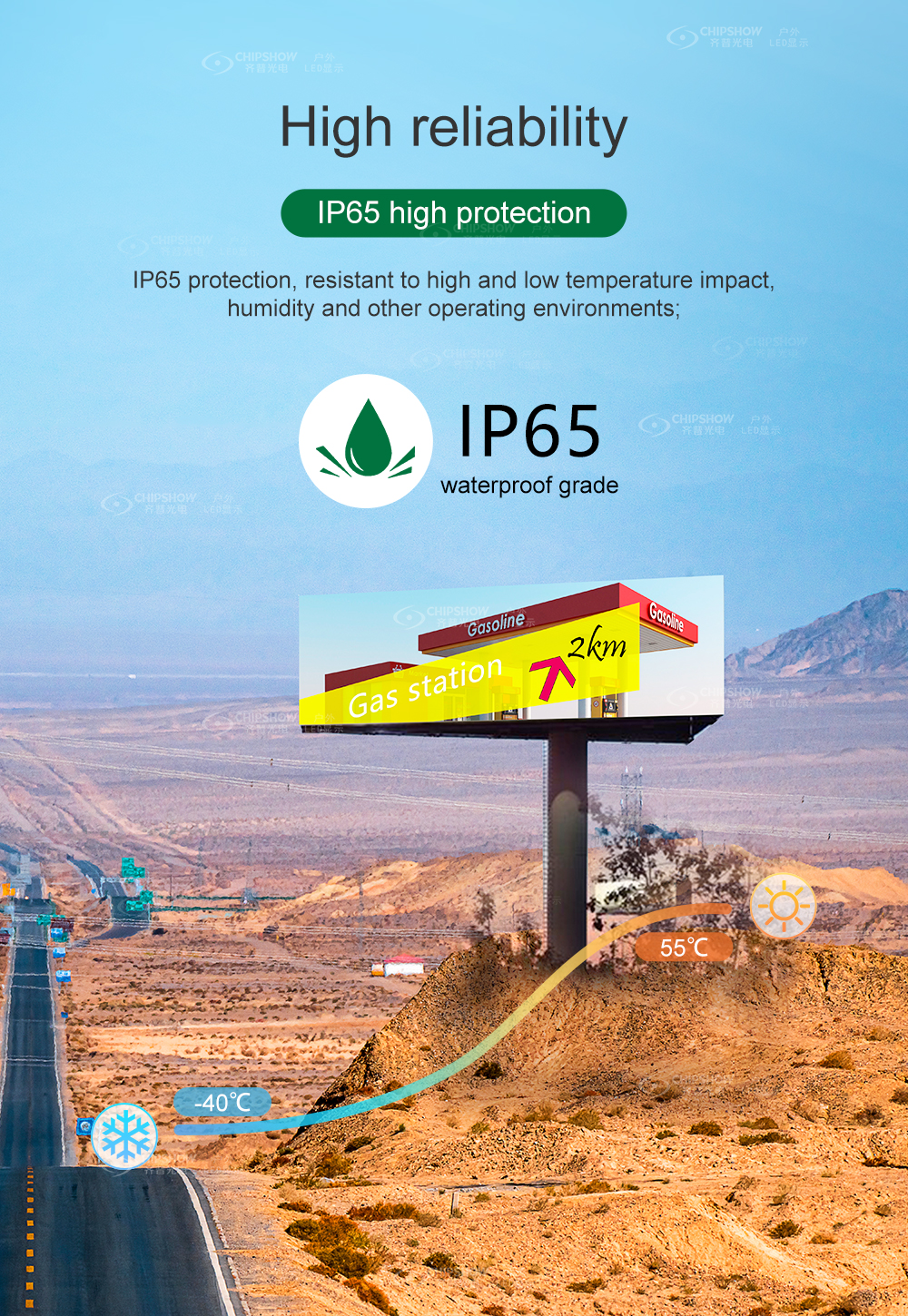
This is where DIP technology shows its value. Its through-hole LED structure supports strong brightness output, stable long-distance readability, and proven resistance to heat, sunlight, vibration, and outdoor exposure. For highway DOOH, traffic information systems, architectural façade displays, and large-format billboards, DIP provides a practical high-ROI specification for projects where long-distance visibility, outdoor durability, and lifecycle cost matter most.
FAQs
Q1: Which product is right for a government traffic management tender?
The C-Slim Vent Traffic (VMS) is the correct specification. It is EN12966 tender-ready, rated at 12,400 cd/m² (L3), and designed with front-access maintenance — the three criteria most commonly required in public infrastructure procurement for variable message signage.
Q2: How does the C-Vent P16 reduce overall project costs beyond the display unit price?
The ventilated cabinet structure helps reduce wind load on the supporting frame, allowing the project to optimize structural steel requirements. For exposed billboard installations, this can create measurable savings in civil engineering, foundation design, and long-term structural maintenance — costs that often exceed the display hardware budget in large-format outdoor projects.
Q3: Can the C-Vent P15.6 Mesh Façade be installed on an existing concrete building wall?
Yes. The lightweight, ventilated cabinet format is suitable for structural retrofit projects, including concrete wall applications. Front and rear maintenance options give installers more flexibility when adapting the display system to existing building conditions, façade layouts, and access limitations.


