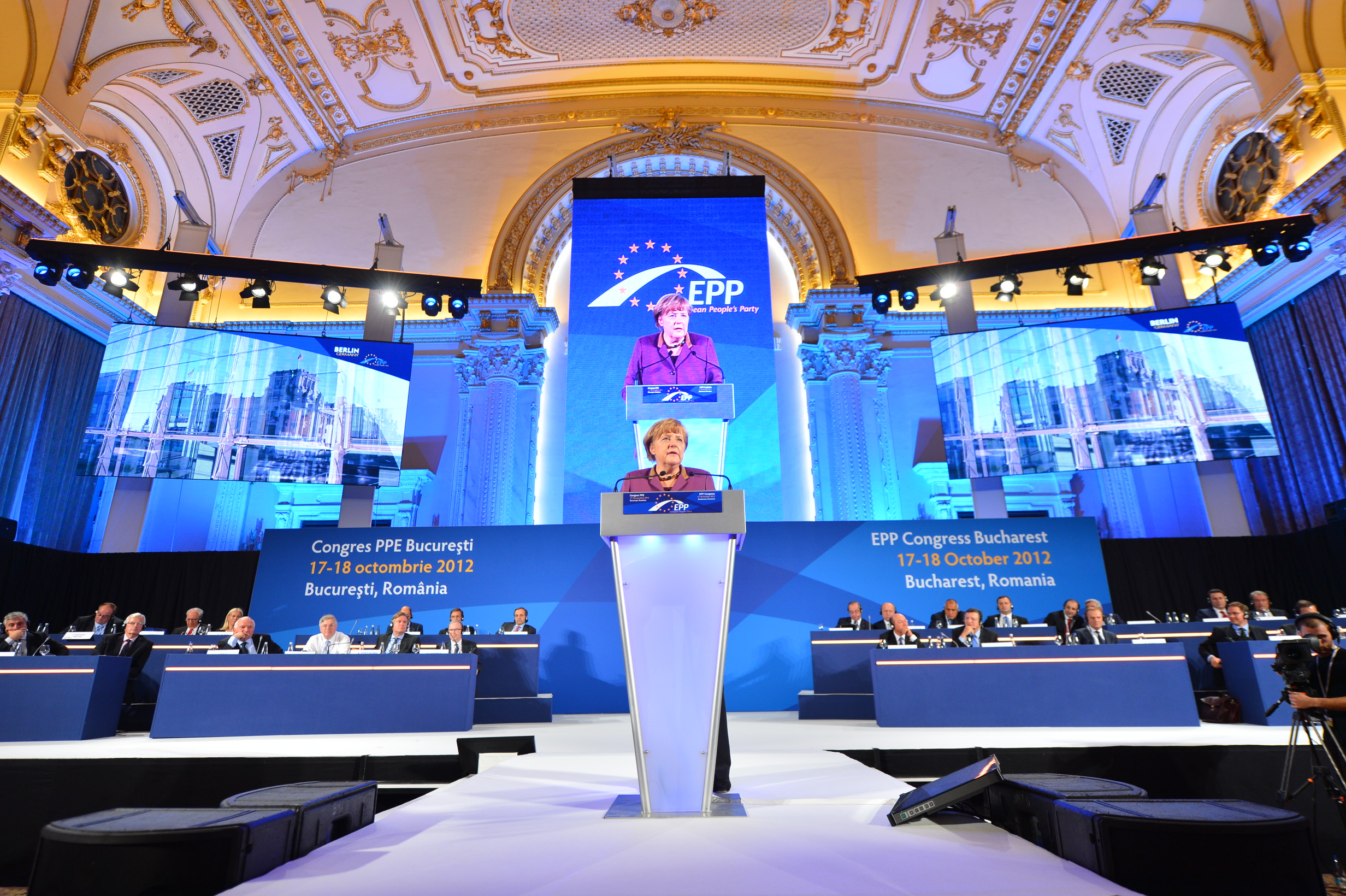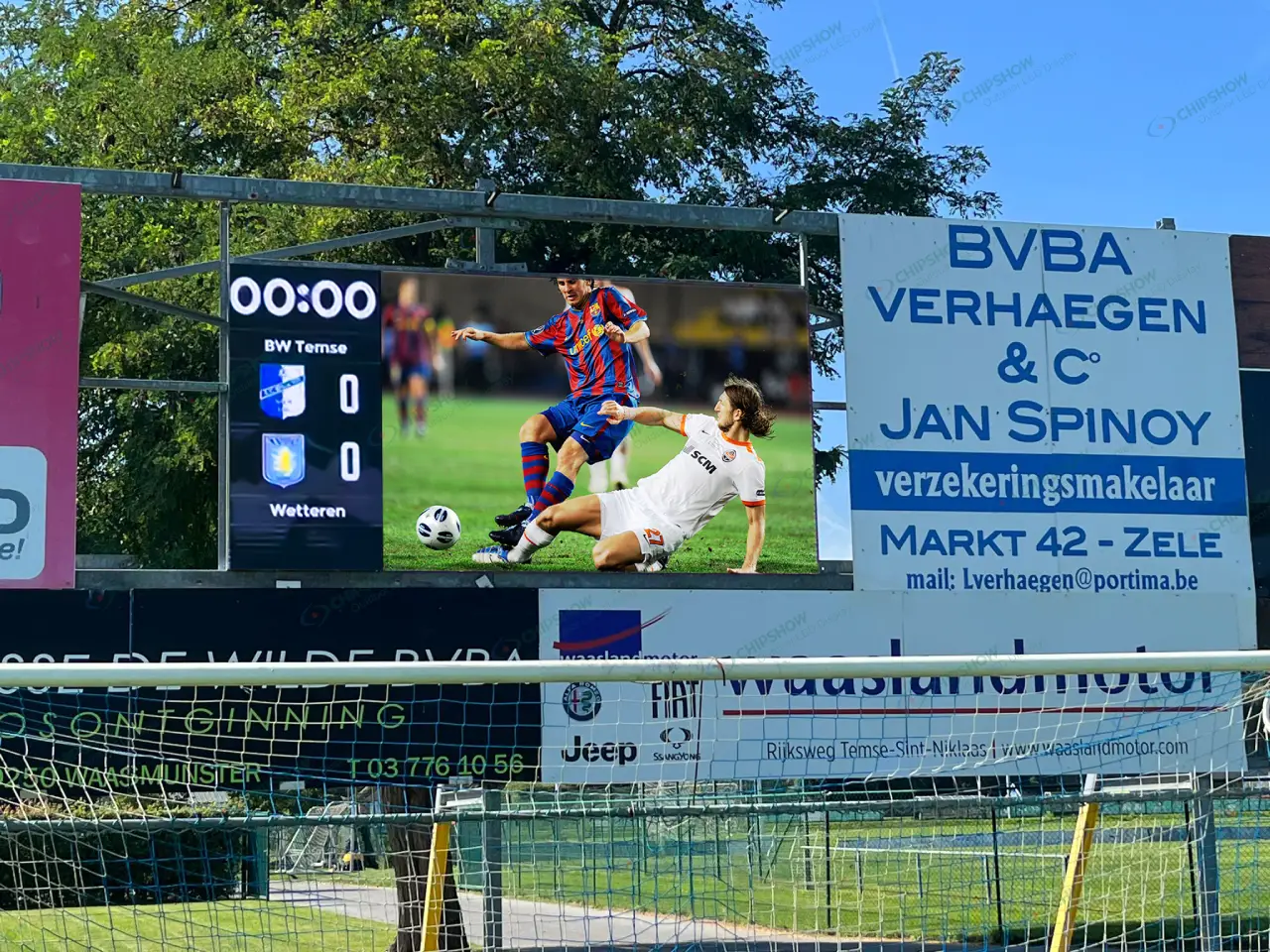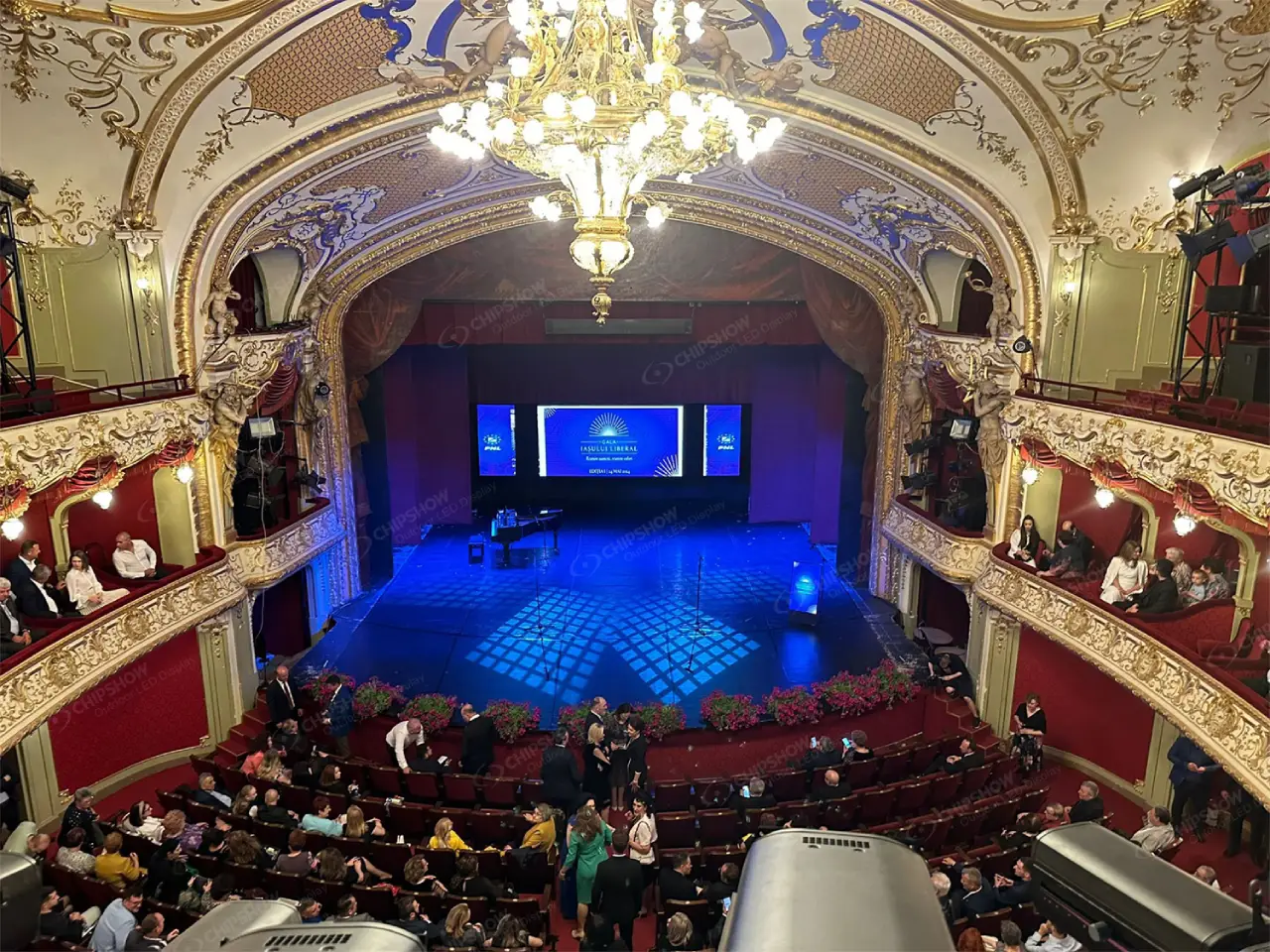


Programmatic DOOH automates buying and can support flexible activation and testing; direct buying lets teams negotiate particular placements and reservation terms. Specific-screen control can also be negotiated through programmatic deals, so compare the actual deal rather than the label. Validate impressions, attribution and ROI using the disclosed methodology in either buying path.

How Programmatic DOOH Differs From Direct Buy
Programmatic Buying Basics
Programmatic DOOH is the automated way to buy digital out-of-home inventory through a platform or marketplace instead of negotiating every placement manually. In buyer terms, it usually gives you faster activation, more pacing control, and easier audience or context targeting, but not always the same level of placement certainty as a direct reservation. The OAAA’s updated OpenOOH taxonomy is meant to make that inventory easier to classify and compare across formats, which matters when you are screening supply at scale.
Direct Buy Workflow
Direct buy is the negotiated reservation path. You choose the screen, venue, or network more deliberately, then lock in the placement terms with the publisher or seller. That can be a better fit when the location itself is part of the campaign idea, or when a brand wants tighter control over where the message appears. It can still be measured, but the reporting conventions may not line up perfectly with what a programmatic platform shows.
Where Each Model Fits
For always-on coverage, test-and-learn campaigns, or quicker pace control, programmatic DOOH is often the cleaner fit. For premium inventory, highly specific locations, or campaigns that depend on fixed presence, direct buy can be the safer choice. Many plans end up blended: use programmatic for reach and flexibility, then reserve direct placements where venue quality or exact geography matters most.
Choose the buying route from the placement guarantees, pacing controls, reporting access and commercial terms actually offered. Where exact screens matter, request explicit inventory and delivery terms. A blended plan can be useful, but it is not automatically the lowest-risk option.

How Impressions Are Defined in Practice
For most buyers, the important point is that DOOH impressions are modeled estimates, not direct counts of every person who looked at a screen. That distinction matters because headline totals can look precise even when they rest on assumptions about traffic, exposure, dwell time, visibility, and playback timing. The IAB DOOH Measurement Guide frames the channel with shared measurement language, while Geopath remains the main US reference point for audience measurement in out-of-home.
A practical way to think about this is that the model is estimating opportunity to see, then adjusting that estimate based on the method used. A secondary 2026 explainer on play-to-impression conversion describes how a screen play becomes a modeled impression rather than a direct headcount. That is why two vendors can report different totals for the same screen or flight without either one being obviously wrong.
Core Impression Inputs
When a proposal includes impression estimates, check the inputs first. The most important ones are traffic assumptions, exposure zone logic, dwell assumptions, visibility criteria, and any location or audience data used to calibrate the estimate. If those inputs are not visible at a high level, the number should be treated as a planning signal, not a final proof point.
Why Reporting Varies
Reporting varies because different publishers, platforms, and measurement partners may use different data sources, refresh cadences, or formulas. That variation does not automatically mean the data is bad. It does mean that buyers should compare methodology, not just the largest impression number. A lower number with cleaner disclosure can be more useful than a higher number with fuzzy assumptions.
Questions to Ask Vendors
Use these checks before you approve a proposal:
- How are impressions modeled, and what exposure assumptions are being used?
- Is the same methodology applied across all sites, geographies, and buying paths?
- What gets updated during the flight, and what stays fixed?
- What caveats should appear in post-campaign reporting?
If a seller cannot explain those basics clearly, the campaign may still be viable, but the reporting should not be used as if it were a direct audience count.
Attribution, ROI, and Benchmark Language
Attribution and ROI are related, but they are not the same thing. Attribution tries to connect exposure with later behavior, while ROI tries to judge whether the campaign created value relative to cost. The OAAA exposure methodology guidance is useful here because it reinforces the idea that exposure data, attribution design, and business outcomes should not be collapsed into one vague claim.
| Metric | What It Measures | When It Helps | Common Pitfall | What To Verify |
|---|---|---|---|---|
| Impressions | Modeled opportunity to see | Planning and CPM comparison | Mistaking a model for a direct count | Inputs, assumptions, and disclosure |
| Attribution | Link between exposure and later action | Evaluating campaign influence | Treating correlation as causation | Window, device graph, and method |
| Lift study | Change versus a control or baseline | Comparing campaign effect | Overgeneralizing one result to every market | Control design and sample context |
| Store visits or traffic | Physical response after exposure | Retail or local response goals | Using it for every objective | Geography, timing, and match logic |
| ROI | Value relative to spend | Budget decisions | Applying one benchmark across all campaigns | Category, creative, geo, and measurement window |
The safest performance language is usually campaign-specific. For example, say the campaign showed positive lift in a disclosed method, or that it outperformed a prior flight on the same measurement setup. Avoid universal benchmark claims unless the study design, category, and window are clearly comparable. When a vendor uses a different attribution window, device graph, or optimization goal, the result may look similar on paper while answering a different question.

Standards and Trust Signals to Check
The current standards environment is still evolving, so the right move is to treat standards language as a verification aid, not as a shortcut to certainty. Start with the IAB DOOH Measurement Guide for shared measurement language, then check whether the seller’s proposal matches that framework in spirit and in disclosure. The ongoing OAAA and Ipsos modernization effort also signals that measurement language is still being refined, which is another reason to review the exact version in use rather than assume the market has fully converged.
A short buyer checklist is usually more useful than a long standards summary:
- Is the methodology disclosed clearly and consistently?
- Are the same definitions used across buying paths and venues?
- Is there documentation for impression logic, attribution windows, and reporting cadence?
- Is there any third-party review or validation where applicable?
- Does the proposal explain limits, instead of implying every number is directly comparable?
If a proposal only uses standards language as a buzzword, that is a warning sign. The best trust signal is not a big label; it is a method you can actually compare from one campaign to the next.
Choosing a Buying Model for Your Campaign
- Start with the campaign goal. If you need testing, broader reach, or easier pace control, programmatic DOOH is usually the better starting point. If you need premium locations, fixed geography, or tighter reservation control, direct buy often fits better.
- Check your inventory need. A national burst with varied venue types can work well programmatically, while a launch tied to exact neighborhoods, airports, or venue-specific context may justify direct reservations.
- Match the measurement plan to the buy. If the vendor cannot explain impression logic, attribution window, or reporting cadence, the campaign is not ready yet.
- Decide whether a blended plan reduces risk. Many campaigns benefit from using programmatic for scale and direct buy for the most important placements.
- Verify the post-campaign review. Before launch, define what will count as success, what the baseline is, and which data source will be used for the final readout.
If you want a quick rule: choose programmatic when flexibility is the real advantage, choose direct when precision is the real advantage, and blend them when both matter. That is the most practical way to avoid overpaying for control you do not need, or giving up control you actually do need.
For teams planning their screen mix, a browse step can help translate strategy into deployment. If you are comparing outdoor DOOH versus indoor DOOH, keep the same measurement questions in place before you compare inventory.
Final Takeaway
Programmatic DOOH is not automatically better than direct buy, and direct buy is not automatically more trustworthy. The right choice depends on whether your campaign needs flexibility, precise placement, or a blend of both. Once you pick the buying path, judge the reporting on its method, not just the headline numbers. If a proposal is vague about impressions, attribution windows, or ROI logic, slow down before approving it.
FAQs
What Is the Difference Between Programmatic DOOH and Direct Buy?
Programmatic DOOH uses automated buying through a platform or marketplace, while direct buy is a negotiated reservation with the publisher or seller. Programmatic usually favors speed and flexibility, and direct buy usually favors placement control. The better choice depends on whether the campaign is built around pace and audience access, or around specific screens and fixed presence.
How Is DOOH ROI Measured in Practice?
ROI compares the financial value attributable to a campaign with its complete cost. Lift, store visits, traffic and exposure studies can inform that value estimate but are not financial ROI on their own. State the attribution method, margin or value assumption, campaign cost and reporting window before comparing results.
Why Do DOOH Impression Numbers Vary by Vendor?
Impression numbers vary because vendors may use different assumptions, data sources, refresh cadences, and formulas. That is normal in a modeled medium. The buyer’s job is to compare methodology, documentation, and disclosure before comparing headline totals.
Can Programmatic DOOH Improve Attribution?
It can improve workflow consistency, targeting, and reporting alignment in some setups, but it does not guarantee better attribution by itself. Attribution still depends on how exposure is defined, how the match is built, and what outcome is being measured. Better buying automation does not fix a weak measurement design.
What Should a Buyer Verify Before Approving a pDOOH Proposal?
Check how impressions are modeled, what attribution window is being used, whether the same methodology applies across the buy, and what caveats will appear in reporting. If the proposal does not clearly explain those items, treat the numbers as directional rather than decision-grade.