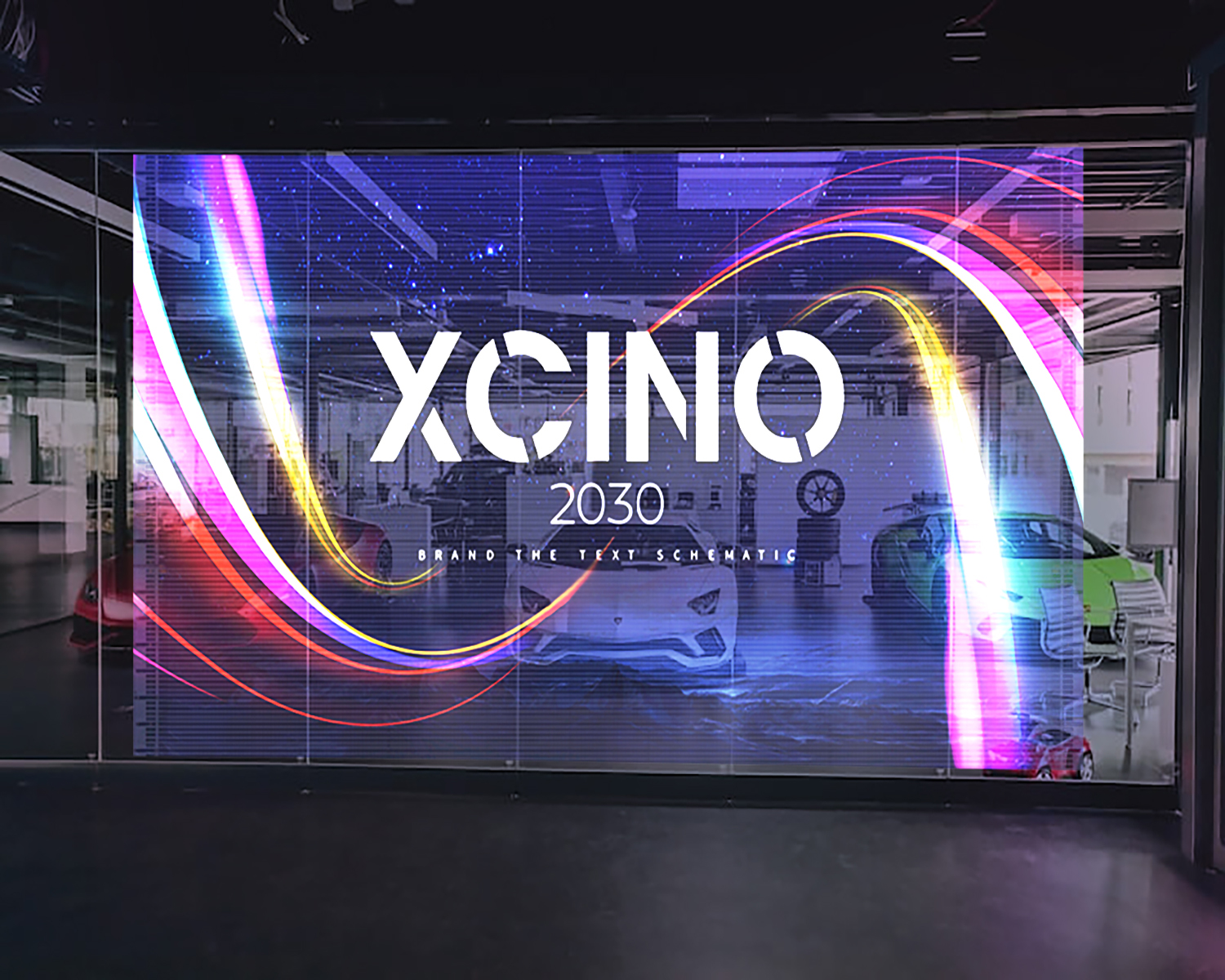
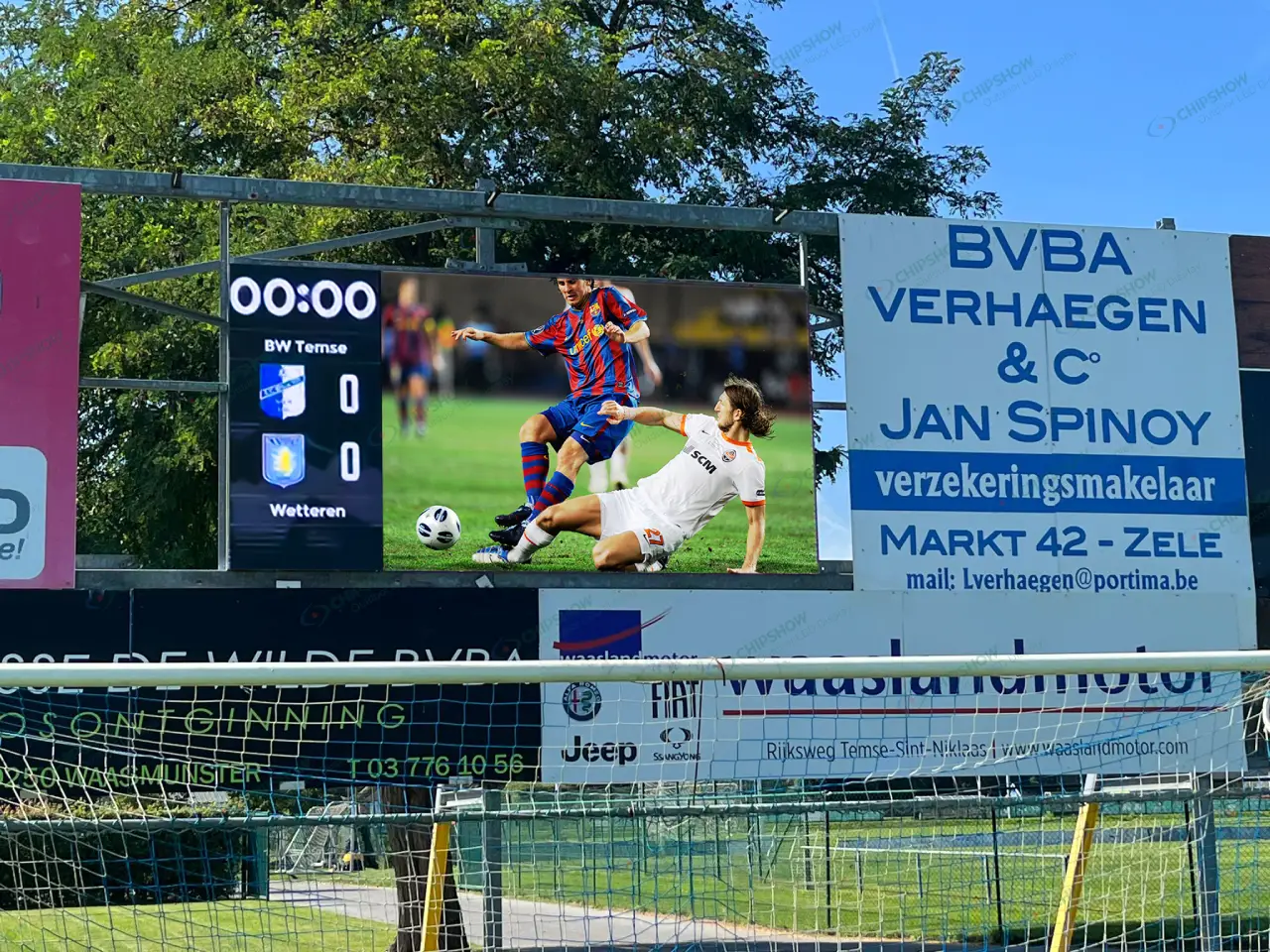
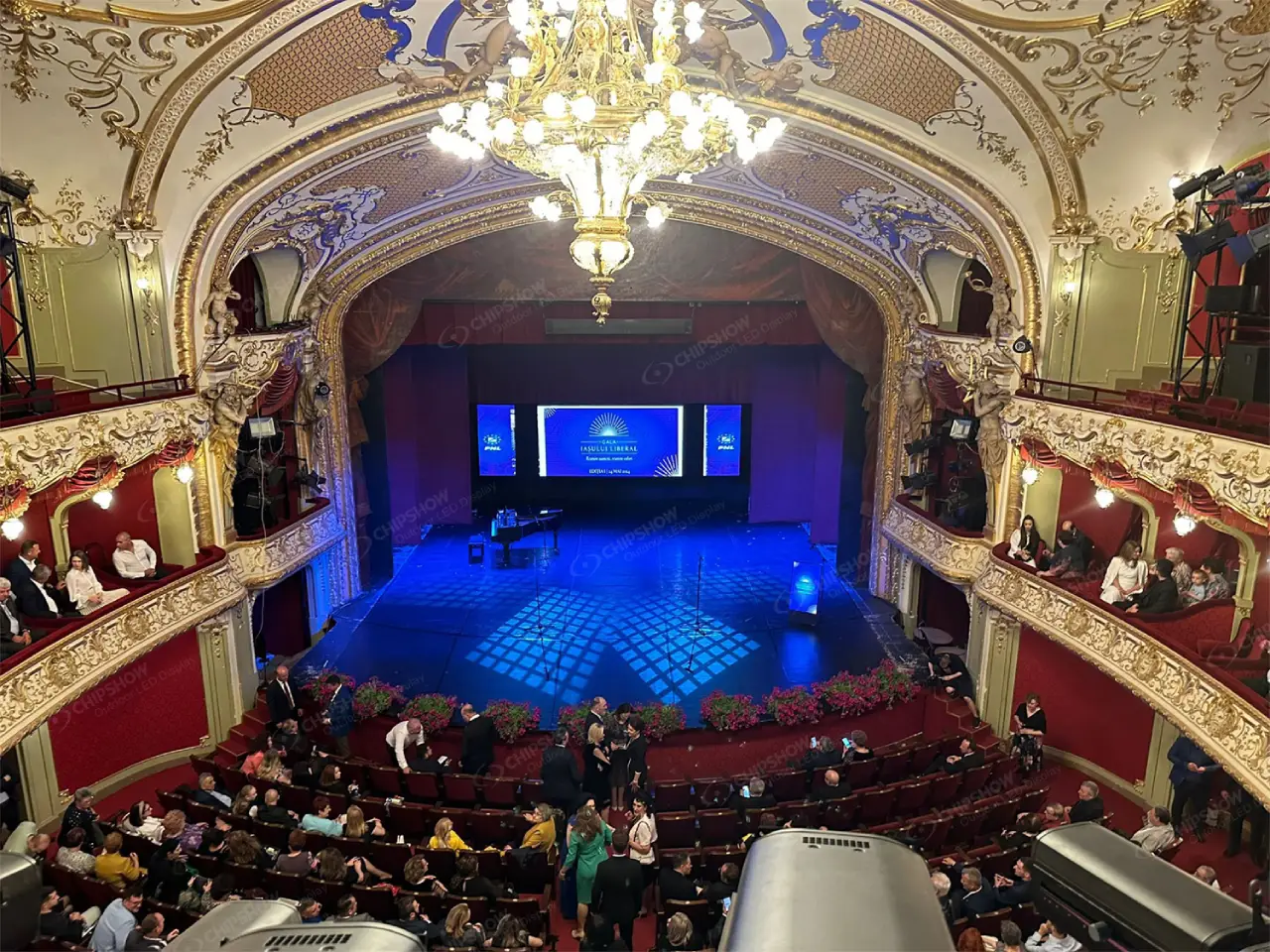
Choosing between an LED video wall vs LCD video wall is one of the most consequential AV decisions a commercial buyer can make. The upfront price gap is significant, yet the five-year cost picture often reverses completely. Rapid advances in MicroLED and Chip-on-Board (COB) packaging have also closed the image quality gap faster than most procurement guides acknowledge. This guide cuts through the confusion with current data.
What Is the Core Difference Between LED and LCD Video Walls?
Understanding the underlying technology clarifies every downstream decision about cost, quality, and fit.
Self-Emissive vs. Backlit: How Each Technology Creates an Image
Direct View LED (dvLED) displays are self-emissive: each LED semiconductor generates its own light and color independently. No backlight layer, no liquid crystal shutter, and no diffusion panel stand between the source and the viewer. LCD panels work the opposite way, relying on a fluorescent or LED backlight that shines through a liquid crystal matrix to modulate color and brightness. Self-emissive pixels switch off completely in dark scenes, a physical property that produces true black levels impossible to replicate with a backlit system. COB packaging, now the high-end mainstream standard, bonds LED chips directly to the substrate, eliminating the fragile individual lenses of older SMD designs and adding meaningful resistance to dust, moisture, and impact.
Bezels, Seams, and the Visual Impact on Large-Format Displays
Every LCD tile carries a physical border, and even ultra-narrow-bezel panels carry a combined seam of roughly 0.88 mm per joint. Across a 4×4 grid that means nine visible lines fragmenting the image, a persistent distraction in flagship retail spaces and executive boardrooms. dvLED panels tile seamlessly because the pixel matrix runs to the physical edge of each module with no intervening frame. For applications where the display itself is the brand statement, the seamless surface of LED is a decisive visual advantage over any LCD configuration currently available.
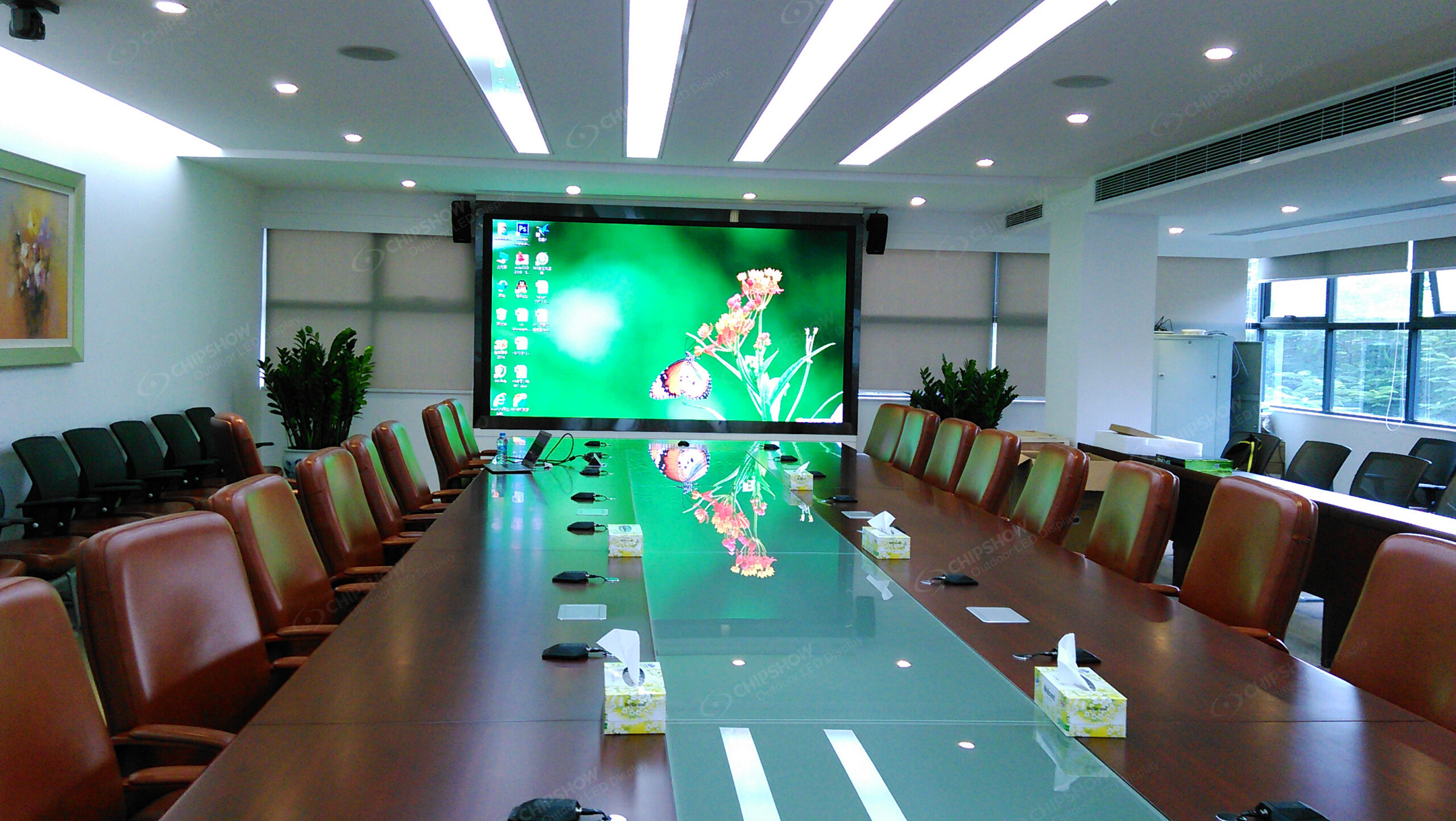
Image Quality Comparison: LED vs. LCD Video Walls
Image performance determines viewer impact and content versatility across the full range of commercial environments.
Brightness, Color Gamut, and HDR Performance
Standard commercial LCD panels produce 500 to 700 nits, sufficient for dim conference rooms but inadequate for sunlit atriums or high-ambient-light retail floors. Indoor dvLED walls routinely deliver 1,200 to 2,000 nits, enabling legible, vivid content even when exterior light floods the space. Wide color gamut coverage follows the same hierarchy: self-emissive LED pixels reproduce a broader DCI-P3 color volume than LCD systems constrained by backlight spectrum. HDR content benefits most from LED’s combination of peak brightness headroom and per-pixel dimming, which together render specular highlights and shadow detail simultaneously.
Contrast Ratio: True Black Levels in LED vs. LCD Panels
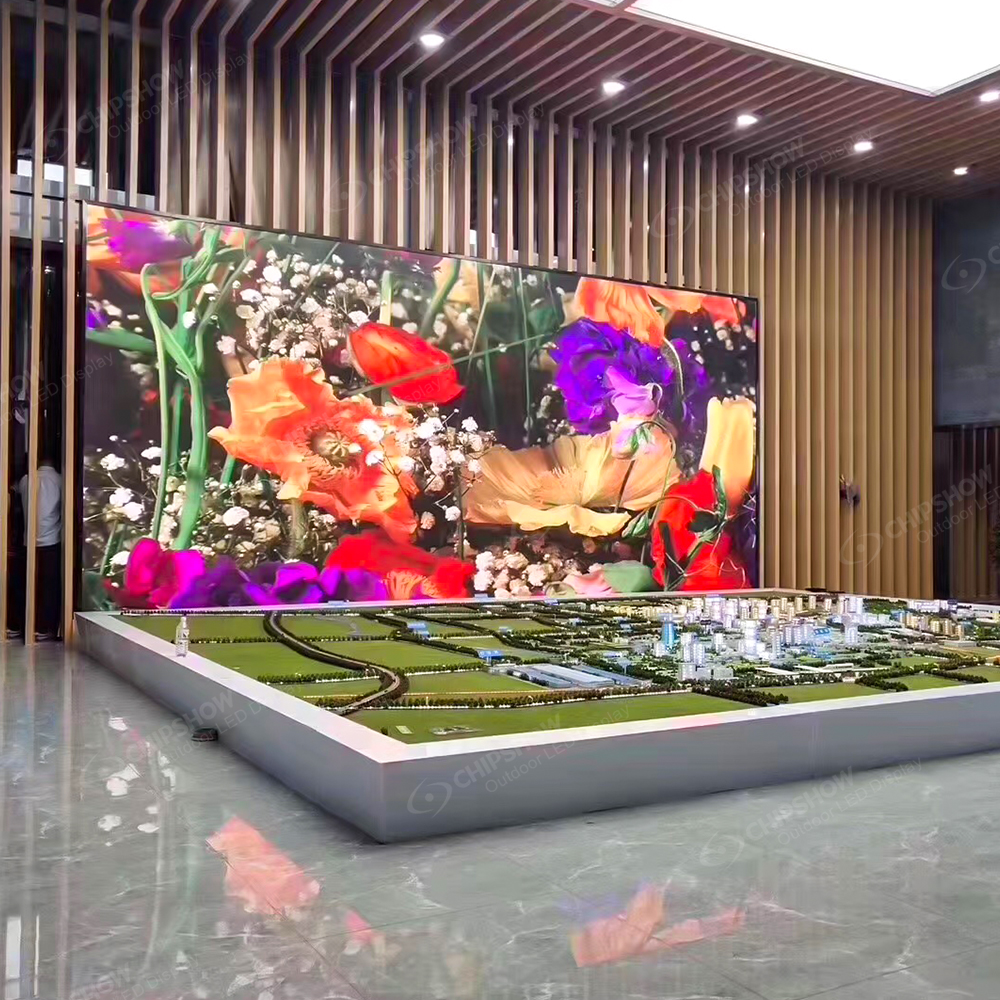
Contrast ratio separates the two technologies most starkly. LCD panels rely on global or local dimming zones; even premium local-dimming implementations produce black levels measured in the hundreds of nits when surrounding pixels are bright. A dvLED pixel that carries no signal draws no current and emits no light, producing a measured contrast ratio above 1,000,000:1. In control rooms where operators read fine data overlaid on dark map backgrounds, or in cinema-style experience centers, this difference is immediately perceptible and operationally meaningful.
Viewing Angle and Uniformity Across the Full Screen
LCD panels exhibit brightness roll-off beyond roughly 60 degrees off-axis, and color shift accelerates further out. dvLED maintains consistent luminance and color accuracy at angles exceeding 160 degrees, which matters in wide auditoriums and open-plan lobbies where viewers occupy many positions simultaneously. Uniformity across the full surface is another LED advantage: LCD multi-panel grids accumulate color temperature drift as individual backlights age at different rates, requiring periodic re-calibration to prevent a patchwork appearance that becomes obvious within three to four years of continuous operation.
Total Cost of Ownership: LED vs. LCD Video Walls
Procurement decisions based solely on the purchase order price routinely underestimate the true five-year spend.
Upfront Hardware and Installation Costs
LCD video walls carry a materially lower entry price. A comparable indoor installation can cost one-quarter to one-half the hardware price of an equivalent dvLED system. An entry-level LCD wall for a mid-size conference room may be configured for $5,000 to $6,000, whereas a fine-pitch LED equivalent routinely runs $40,000 to $50,000 for the same active area. Installation labor also favors LCD in most cases: standard mounting hardware, familiar wiring runs, and a large pool of certified technicians keep labor costs predictable and competitive.
Power Consumption, Maintenance, and Replacement Costs Over 5–7 Years
LCD backlight assemblies degrade continuously, and by year three many installations require brightness compensation adjustments. Panel replacement after backlight failure is a full-unit swap, typically requiring a service call, downtime, and the risk of color mismatch between the new panel and the aged neighbors. Front-serviceable LED modules allow a single cabinet to be swapped in minutes without disturbing adjacent modules or taking the wall fully offline. Power draw per square meter is broadly similar between technologies at matched brightness, but LED walls are rarely run at maximum output in typical indoor applications, reducing real-world consumption.
When Does LED Become More Cost-Effective Than LCD?
Total cost crossover typically occurs between years five and seven for installations running twelve or more hours daily. Longer operational hours, higher replacement part costs, and more frequent service calls accelerate the crossover for LCD. For 24/7 environments such as network operations centers or transportation hubs, dvLED frequently achieves lower TCO within four years. Budget-focused buyers with low daily runtime and a three-year refresh cycle may never reach the crossover point, making LCD the rational financial choice for those specific parameters.
Which Technology Fits Your Application Best?
Matching technology to environment is more reliable than chasing the highest specification sheet.
Control Rooms and 24/7 Monitoring Environments
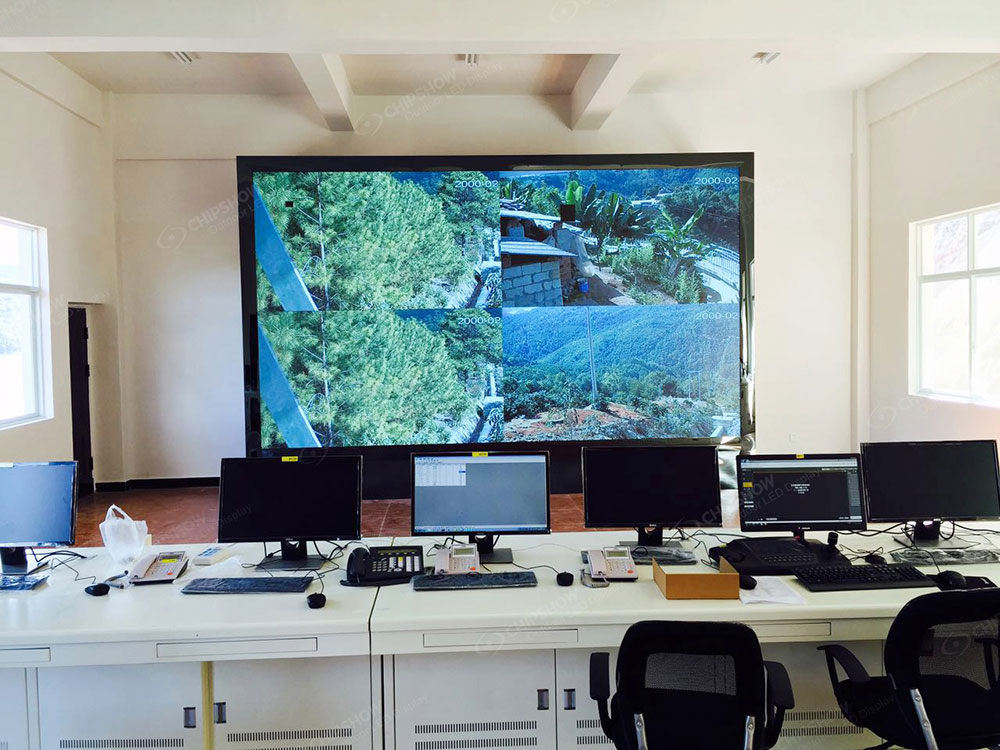
Control rooms demand continuous uptime, consistent color accuracy across years of operation, and the ability to service the display without halting operations. Fine-pitch dvLED (P1.2 to P1.8) satisfies all three criteria. LCD remains viable for budget-constrained control rooms where operators sit close to the screen and the installation runs fewer than twelve hours daily, particularly because a 55-inch 4K LCD panel achieves an effective pixel pitch of approximately 0.315 mm, a density that fine-pitch LED at equivalent cost cannot yet match at distances below 1.5 meters.
Corporate Lobbies, Retail, and Experience Centers
High ambient light, wide viewing angles, and brand-image expectations favor dvLED decisively in lobbies, flagship retail, and immersive experience installations. The seamless surface eliminates the grid artifact that undermines high-production content. Brightness headroom above 1,500 nits sustains visual impact when automatic doors open and flood the reception area with daylight. MicroLED panels at P0.4 to P0.6 pitch now deliver pixel densities comparable to premium LCD at close range, removing the last remaining argument for LCD in prestige commercial environments where budget is secondary to impact.
Houses of Worship, Auditoriums, and Lecture Halls
Large-format environments with fixed seating and controlled lighting benefit from LED’s wide viewing angle and high contrast. Audiences at ten meters or more never require the pixel density that justifies LCD’s close-range advantage. Brightness flexibility is operationally important in venues that transition between dimly lit worship services and fully lit presentations: dvLED handles that dynamic range without the washed-out appearance LCD produces in low-light settings. All-in-one LED display panels are increasingly the replacement choice for projector-based systems in mid-sized auditoriums and lecture halls.
Installation, Maintenance, and Lifespan Compared
Operational realities over the full product lifecycle carry as much weight as day-one image performance.
Installation Complexity and Structural Requirements
dvLED video walls transfer more weight per square meter to the host structure than equivalent LCD configurations, and larger installations require engineered rigging or reinforced mounting frames. The modular nature of LED adds assembly time on-site; a skilled crew typically takes one to two days to assemble and align a medium-format LED wall versus a half-day for a comparable LCD grid. LCD installations use standardized video wall mounts, commodity cabling, and widely available display controllers, reducing the skill ceiling required for the integrating technician.
Module-Level Repair for LED vs. Panel Replacement for LCD
Front-accessible LED module design allows a single defective cabinet to be replaced in under thirty minutes without removing the entire wall or interrupting adjacent content zones. LCD panel failure requires replacement of the complete display unit, which generates a visible color or brightness mismatch if the replacement unit has not been aged to match the surrounding panels. Spare module inventory for LED is smaller and less expensive per unit, and replacement parts remain available from manufacturers for eight to ten years post-purchase on enterprise-grade systems.
Expected Lifespan and Depreciation Considerations
LCD backlights reach 50,000 to 60,000 operating hours before luminance falls below 50% of rated output, translating to roughly six to eight years at twelve hours per day. dvLED rated at 70,000 to 100,000 hours sustains usable brightness for ten to fourteen years under the same operating schedule. Longer asset life directly improves capital depreciation schedules and reduces the frequency of full replacement cycles, a factor that matters to facility managers planning five-year and ten-year capital budgets.
How to Make the Final Decision: LED or LCD?
Four variables determine the correct answer for most commercial projects.
Budget, Environment, Content Type, and Viewing Distance
A structured decision framework helps clarify the choice between LED video wall vs LCD video wall options:
- Budget under $20,000 with low daily runtime: LCD delivers the most display per dollar and remains a rational choice when the viewing distance is under two meters and refresh cycles are short.
- Ambient light above 500 lux or seamless image required: dvLED’s brightness ceiling and bezel-free surface justify the premium in lobbies, retail, and sunlit atriums.
- 24/7 operation or ten-year asset life targeted: dvLED total cost of ownership typically undercuts LCD within five years; longer operational hours accelerate that crossover.
- Pixel-dense content at under 1.5 meters: A 4K LCD panel at that distance still provides superior pixel density per dollar compared to current fine-pitch LED at the same budget.
Content type matters as well. Video-heavy, high-contrast creative content exploits LED’s contrast and color volume. Data-dense dashboards displayed at arm’s length still favor the pixel density of a quality LCD panel.
The Bottom Line
Choosing between an LED video wall vs LCD video wall comes down to budget, viewing distance, and operational lifespan. LCD wins on upfront cost and close-range pixel density. dvLED wins on seamless visuals, long-term TCO, and performance in demanding environments. For most permanent commercial installations running beyond five years, fine-pitch LED is now the stronger investment.
FAQs
Q1. Is an LED Video Wall Better Than an LCD Video Wall?
It depends on the application. dvLED outperforms LCD on contrast, brightness, seamless image quality, and long-term TCO. LCD holds an advantage at close viewing distances on a limited budget. For most permanent commercial installations with high daily runtime, an LED video wall vs LCD video wall comparison favors LED overall.
Q2. How Long Does an LED Video Wall Last Compared to LCD?
dvLED walls are rated at 70,000 to 100,000 operating hours, versus 50,000 to 60,000 hours for LCD backlights. At twelve hours of daily use, that translates to roughly ten to fourteen years for LED versus six to eight years for LCD before luminance falls below 50% of rated output.
Q3. Which Has Lower Power Consumption: LED or LCD Video Walls?
At matched brightness levels, power draw per square meter is broadly comparable. In practice, indoor LED walls are rarely run at maximum output, which reduces real-world consumption. LCD systems compensate for backlight aging by increasing drive current over time, gradually raising power draw as the installation ages.
Q4. Can an LED Video Wall Be Used in a Control Room?
Yes. Fine-pitch dvLED at P1.2 to P1.8 is well-suited to control room environments, offering seamless imaging, front-serviceable modules for live maintenance, and consistent color accuracy over years of continuous operation. For very close viewing distances on a tight budget, a high-resolution LCD configuration remains a viable alternative.
Q5. What Is the Minimum Viewing Distance for an Indoor LED Video Wall?
A common guideline is to multiply the pixel pitch in millimeters by a factor of 8 to 10 to get the comfortable minimum viewing distance in feet. A P1.5 display is comfortable from approximately 1.5 meters. MicroLED panels at P0.4 to P0.6 pitch have reduced this threshold substantially, making LED viable in spaces previously reserved for LCD.
Q6. Do LCD Video Walls Still Have Visible Bezels?
Yes. Even ultra-narrow-bezel LCD panels carry a combined seam of approximately 0.88 mm at each joint. Across a multi-panel grid, these seams form a visible grid that interrupts continuous content. dvLED tiles seamlessly with no physical border between modules, making it the only bezel-free option for large-format commercial video wall applications.