


Display contrast ratio compares measured white luminance with black luminance under stated conditions. In this direct-view LED comparison, “black LED” and “white LED” mean dark-face and light-face LED packages, not LCD backlights. Darker surfaces can reduce ambient reflection; compare complete panels at matching brightness and lighting to decide whether the difference justifies the price.
What Is Display Contrast Ratio and How Is It Measured?
Contrast ratio is the numeric relationship between a display’s maximum luminance and its minimum luminance, expressed as a ratio such as 3000:1 or 5000:1. A higher ratio means the screen can render a wider range between its brightest highlight and its darkest shadow. Measurement standards vary by manufacturer, so comparing figures across datasheets requires careful attention to testing conditions.
Static Contrast vs. Dynamic Contrast: What the Numbers Really Mean
A full-white/full-black sequential test and a simultaneous checkerboard test measure different conditions; both can use fixed settings. Request the test pattern, measured white and black luminance, ambient illumination, and any automatic dimming behavior. A dynamic figure obtained with changing settings is not directly comparable with fixed-setting contrast.
How Ambient Light Affects Perceived Contrast on LED Screens
Ambient reflection raises observed black luminance and can reduce effective contrast. The amount depends on panel reflectance, illumination direction, brightness, and viewing position. A dark-room ratio cannot establish the result in an office or retail installation.
What Makes Black LED Screens Achieve Higher Contrast?
Dark package faces and surrounding surfaces can reduce reflected light around the emitters. Evaluate the complete panel, including masks, coatings, emitter layout, drive settings, and calibration.
Black-Face SMD vs. Standard White-Face SMD: Material and Structure Differences
Light-face and dark-face SMD packages differ in the appearance and reflectance of their surfaces. Materials and layouts vary by supplier; “black LED” does not identify a universal substrate or encapsulant formula. Compare proposed modules at matching pitch and operating brightness.
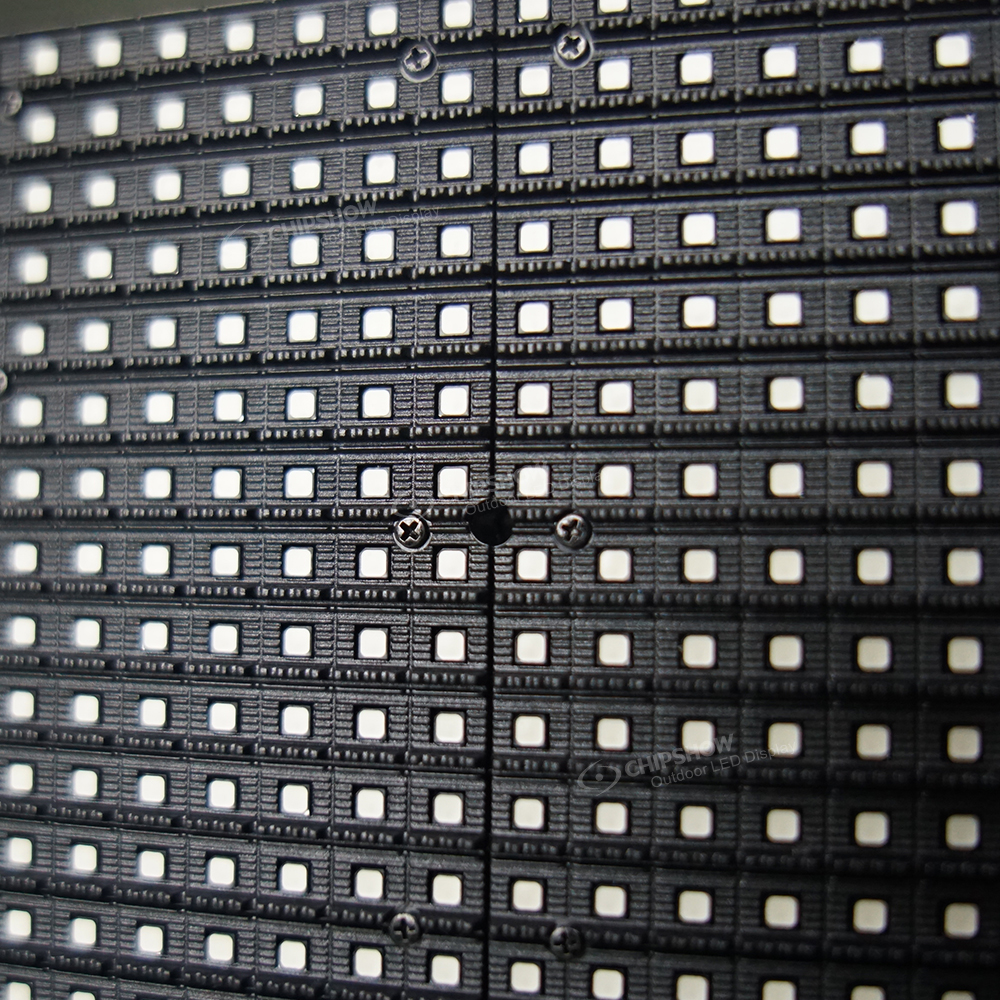
How Black LED Reduces Light Reflection and Improves Black Levels
Lower-reflectance surfaces can help keep observed black levels lower under ambient lighting. Request measured panel reflectance and white/black luminance rather than assuming an 80–90% absorption rate for every dark package. Confirm shadow detail with actual content at the planned brightness.
Black LED vs. White LED: Side-by-Side Visual Performance Comparison
Compare both complete panels under controlled conditions and the installation’s actual lighting. Evaluate contrast, low-gray rendering, calibrated color, power at the selected brightness, and the quoted system price separately.
Contrast Ratio, Color Accuracy, and Grayscale Performance
Contrast, color gamut, and color accuracy are separate properties. A lower black level can make shadow detail easier to distinguish, but does not by itself expand gamut or guarantee a lower Delta E. Request the color space, calibration target, grayscale test, and color-difference method separately.
Performance Under Different Ambient Lighting Conditions
Test lighting representative of broadcast control rooms, retail showrooms, or lobbies as applicable. Include dark scene content and the brightest expected ambient conditions. A universal lux threshold cannot establish whether black-face packages are worth the premium.
When Does Black LED Justify the Extra Cost?
The decision depends on content type, ambient light levels, and the role the display plays in the viewer experience. Not every installation benefits enough from the contrast improvement to absorb the price premium.
High-End Applications: Broadcast Studios, Retail Flagships, and Corporate Showrooms
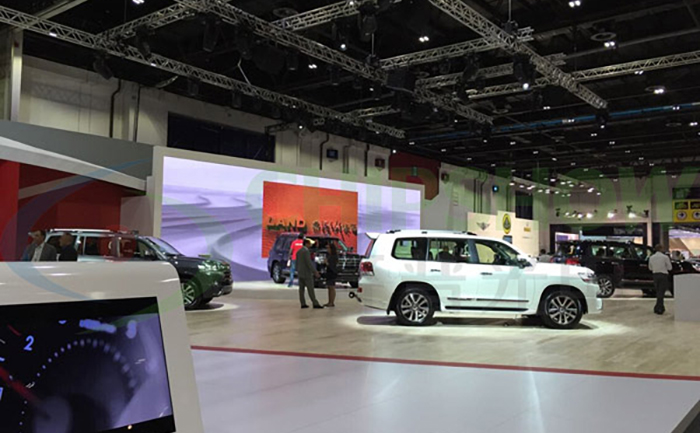
Studios, flagship stores, and showrooms often value shadow detail and consistent color. For on-camera video walls, check camera capture as well as direct viewing. Black-face panels can be a valuable option when a matched demonstration shows a benefit in the intended conditions.
Cost-Effective Scenarios Where Standard LED Performs Well Enough
A light-face panel can be cost-effective when it meets the actual contrast, brightness, content, and viewing requirements. Compare matched quotations and installed-condition samples rather than treating package color as the automatic choice for a venue category.
How to Specify Contrast Ratio in Your LED Display RFP
A well-written request for proposal (RFP) forces manufacturers to provide comparable, verifiable contrast data rather than optimistic marketing figures.
Key Contrast-Related Specs to Include in Your Requirements
- Report contrast under an agreed method, with test pattern, ambient illumination, white/black luminance, brightness setting, and automatic adjustments recorded. ISO 9241-307 covers electronic-display analysis and compliance test methods; agree the applicable procedure and intended context for this project.
- Minimum black level in candelas per square meter (cd/m2) should be stated separately from contrast ratio to allow independent verification.
- Reflectance percentage of the panel surface must be disclosed, as it directly determines how ambient light degrades the effective display contrast ratio in the installed environment.
- Grayscale bit depth and gray-level uniformity across the panel should be specified, because low-quality gray rendering can negate gains in contrast ratio.
How to Verify Manufacturer Contrast Claims
Request third-party test reports where required, identifying the model, procedure, and settings. Demonstrate full-white, full-black, checkerboard, and low-gray content under representative lighting. Use a suitable luminance meter and fixed geometry; record settings for a like-for-like comparison.
Conclusion
Contrast measurements help compare white, black, and shadow detail under your installation’s lighting. Dark-face packages can reduce surface reflection; gamut, calibration, low-gray rendering, and camera behavior need separate checks. Put the agreed measurements and acceptance conditions in the RFP to make the purchase decision testable.
FAQs
Q1. What Is a Good Contrast Ratio for an Indoor LED Display?
Set a contrast target from the content, operating brightness, ambient lighting, and agreed test method. View representative material and measure proposed panels under matching conditions. A catalog ratio alone is not a universal acceptance threshold.
Q2. Is Black LED the Same as Mini LED or Micro LED?
No. Black LED refers to the dark encapsulant and substrate used in standard or fine-pitch SMD packages to improve contrast and reduce reflection. Mini LED and Micro LED describe the physical size of the emitters and the backlight or direct-emissive architecture. A mini LED or micro LED panel can also use black-face packaging, but the terms describe different characteristics.
Q3. How Much More Does a Black LED Screen Cost Than a Standard LED?
Request quotations for matching pitch, size, package, processing, service scope, and warranty. This comparison does not establish a universal percentage premium. Evaluate the demonstrated contrast benefit and complete system fit.
Q4. Does Black LED Improve Performance in Brightly Lit Environments?
A lower-reflectance dark surface can reduce reflected ambient light and improve the observed black level. The result depends on the complete panel and lighting geometry; verify it under the actual illumination.
Q5. How Do I Compare Contrast Ratios From Different LED Manufacturers?
Request static contrast ratios measured under identical, documented conditions from all suppliers, including ambient lux level, drive current, and measurement standard. Reject any figure listed only as dynamic contrast. Where possible, arrange side-by-side demonstrations under your installation’s actual lighting to validate datasheet claims before committing to a specification.





