A digital billboard and an LED billboard often point to the same outdoor advertising project, but they do not mean exactly the same thing. One term comes from media operation. The other comes from display hardware. For buyers, knowing the difference helps align advertising goals, technical specs, budget, installation needs, and supplier communication before the project moves forward.
What Is a Digital Billboard?
A digital billboard is an advertising industry term. It usually means an outdoor or public display that can show digital ad content instead of printed vinyl or static posters. The main idea is content flexibility.
A digital billboard can rotate different ads, update campaigns remotely, and schedule messages by time, date, location, or audience strategy. Media owners often use this term when they talk about selling ad slots, managing campaigns, reporting playback, and building a digital out of home network.
Digital out of home, often shortened to DOOH, means digital advertising shown in public places. This can include roadside screens, mall screens, transit displays, plaza screens, and other public media formats.
In simple terms, a digital billboard describes the media function. It answers questions like:
- How will advertisers use the screen?
- How often can content change?
- Can ads be scheduled remotely?
- Can one screen serve several advertisers?
- How will the operator sell and manage ad space?
For buyers, this term is useful when the project starts from an advertising business need.
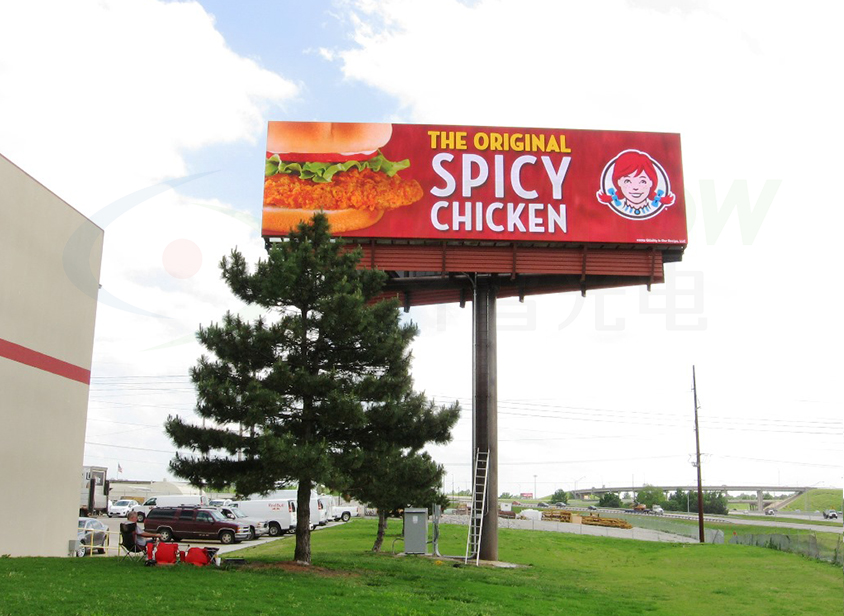
What Is an LED Billboard?
An LED billboard is a display hardware term. LED means Light Emitting Diode, a small light source used to create images on a display. An LED billboard is built from LED modules, cabinets, power supplies, control systems, cables, and mounting structures.
This term is usually used by manufacturers, engineers, installers, and procurement teams. It describes the physical screen system that makes the digital advertising possible.
An outdoor LED billboard must be designed for sunlight, rain, dust, heat, service access, and long operating hours. That is why buyers need to evaluate more than screen size. They also need to check brightness, pixel pitch, IP rating, cabinet structure, control system, and installation environment.
Pixel pitch means the distance between LED pixels, measured in millimeters. A smaller pixel pitch gives finer detail for closer viewing. A wider pixel pitch can work well for longer viewing distances.
An advertising LED billboard is the actual equipment behind many digital billboard signs. The hardware system is what turns the digital billboard plan into a working display.
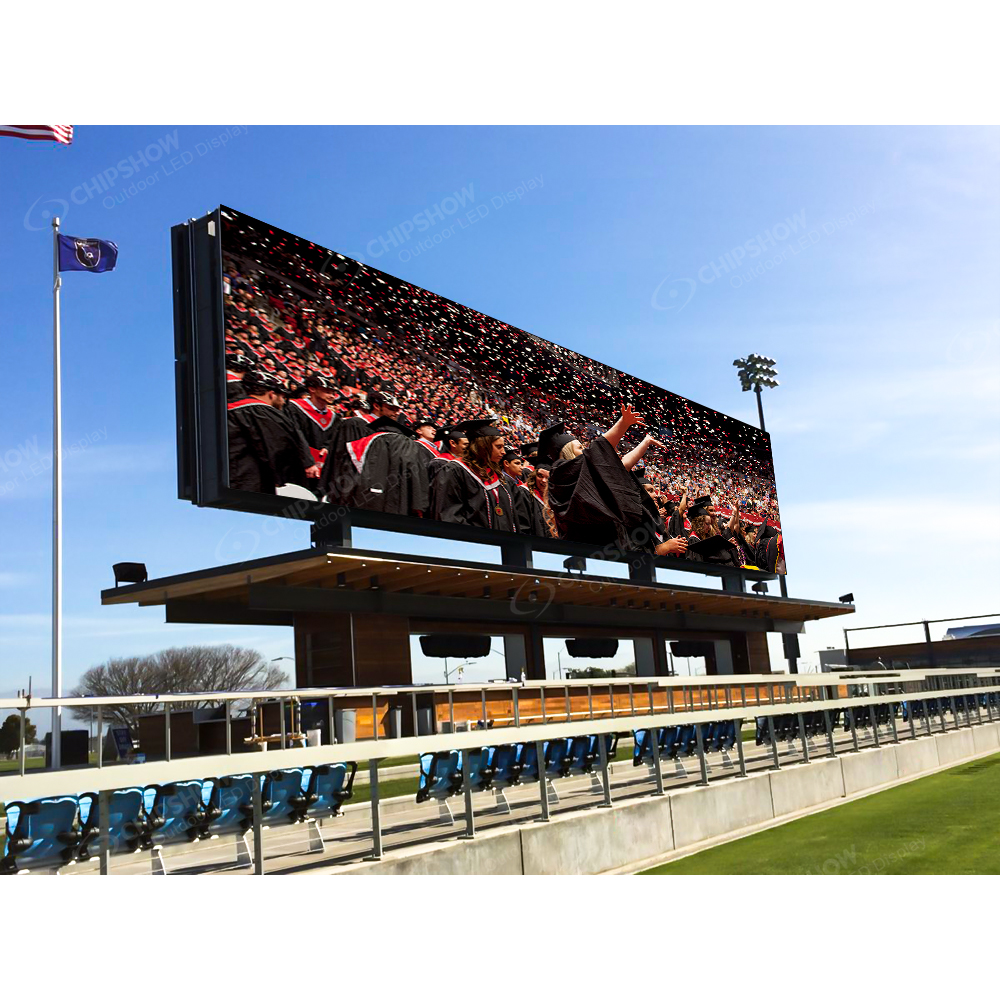
Digital Billboard vs LED Billboard: Key Differences in Buyer Understanding
The two terms are connected, but they belong to different levels of the same project. A buyer may say “digital billboard” when describing the business goal. A supplier may say “LED billboard” when defining the screen system.
Advertising Operation Term vs Display Hardware Term
A digital billboard is the language of advertising operation. It focuses on selling media space, rotating ads, managing campaigns, and reaching audiences.
An LED billboard is the language of product engineering. It focuses on display quality, cabinet design, power, brightness, pixel pitch, control system, and installation.
Both terms matter. If the advertising team and the technical team use only one term, important project details can be missed.
Media Scheduling vs LED Display System
Digital billboard planning often starts with scheduling. The operator wants to know how many advertisers can run on one screen, how long each ad appears, and how content can be changed.
LED billboard planning starts with the display system. The supplier needs to know the screen size, viewing distance, brightness need, installation method, maintenance access, and environmental conditions.
A Content Management System, or CMS, is the software used to upload, schedule, and manage digital content. The CMS belongs to the digital billboard operation layer. The LED display system belongs to the hardware layer.
Project Requirement vs Product Specification
When a buyer says “we need a digital billboard,” they may be describing a business requirement. They want a screen for outdoor advertising, local campaigns, brand promotion, or DOOH media sales.
When an engineer says “LED billboard,” they are usually defining a product specification. This includes cabinet size, resolution, refresh rate, waterproofing, control system, and service method.
The table below summarizes the difference in a simple buyer-friendly way.
| Buyer Question | Digital Billboard View | LED Billboard View |
| Main meaning | Advertising media platform | Physical display system |
| Core focus | Campaigns, scheduling, ad sales | Screen specs, structure, performance |
| Main users | Media owners and advertisers | Engineers, suppliers, installers |
| Key tool | CMS and ad scheduling | LED modules, cabinets, control system |
| Success factor | Sold ad inventory and content impact | Visibility, reliability, installation fit |
Both views should be aligned before purchase. A strong project connects media goals with the right LED billboard configuration.
When Buyers Use These Terms in Real Projects
Different project roles use different language. This is normal, but it can create confusion during quoting and planning.
Media owners usually say digital billboard because they focus on revenue. They care about advertiser demand, ad rotation, campaign packages, and proof of play.
Engineers and integrators often say LED billboard because they focus on the technical system. They care about installation drawings, power, brightness, pixel pitch, cabinet access, and control equipment.
Procurement teams must connect both sides. They need to translate the advertising need into a clear hardware request.
In a real project, the buyer should clarify:
- Is the screen for roadside advertising, plaza media, storefront ads, or commercial real estate?
- Will the content be static images, video, mixed campaigns, or scheduled ads?
- What is the viewing distance?
- Will the screen run all day or only during business hours?
- Does the site need front service, rear service, or both?
- What local weather and sunlight conditions affect the screen?
Clear answers help suppliers quote the correct outdoor LED billboard system instead of guessing from a broad media term.
What Specs Matter When Buying an LED Billboard System?
Once the project moves from media planning to purchase, the LED billboard specs become critical. These specs belong to the hardware layer, not the advertising operation layer.
Key specs include:
- Brightness: Brightness is measured in nits, also called cd/m². Outdoor screens need strong brightness so ads remain visible in daylight.
- Pixel pitch: Pixel pitch affects detail and viewing distance. Close-view urban screens may need finer pitch than long-distance roadside screens.
- IP rating: IP, or Ingress Protection, shows how well equipment resists dust and water. Outdoor LED billboard projects need suitable weather protection.
- Cabinet structure: The cabinet holds LED modules, power parts, and control components. Good cabinet planning affects installation and maintenance.
- Control system: The control system sends content signals to the LED display and keeps playback stable.
- Installation environment: Roadside, wall-mounted, rooftop, plaza, and storefront projects all have different structure, power, and service needs.
Chipshow outdoor LED display configurations can support advertising LED billboard projects with high-brightness options, IP65 protection in selected outdoor designs, front and rear maintenance options in relevant configurations, and modular cabinet structures for different installation scenarios.
For project teams comparing digital billboard signs with actual LED billboard hardware, Chipshow’s outdoor LED display demonstration can help show how a modular outdoor LED display supports advertising use in real project planning.
The best hardware choice should match the media goal. A roadside screen, commercial plaza screen, and storefront advertising screen may all be digital billboards, but they may need different LED billboard specifications.
Build a Clear Digital Billboard Project Brief
Before asking for a quotation, buyers should create one shared brief for both media and technical teams. This keeps the project focused and prevents mismatched expectations.
A strong project brief should include:
- Target application, such as roadside, plaza, storefront, or building wall
- Expected screen size
- Viewing distance and viewing angle
- Daily operating hours
- Main content type
- Brightness requirement
- Installation method
- Maintenance access
- CMS or scheduling needs
- Local climate and site conditions
This brief helps a manufacturer recommend the right LED billboard system while helping the buyer plan the digital billboard business or media operation.
A digital billboard is not only a screen. It is a media platform powered by reliable LED display hardware.

Align Your Digital Billboard Project With Chipshow
A digital billboard describes the advertising platform. An LED billboard defines the display hardware behind that platform. In project planning, both terms describe the same project from different angles. Share your application, site conditions, screen size, viewing distance, brightness needs, and content plan with Chipshow to match your digital billboard goal with a practical outdoor LED billboard solution.
FAQs
Q1. Is a Digital Billboard the Same as an LED Billboard?
They are closely related, but not exactly the same. A digital billboard describes the advertising media platform, while an LED billboard describes the display hardware. Many outdoor digital billboard signs use LED billboard systems to show ads.
Q2. What Is an Advertising LED Billboard Used For?
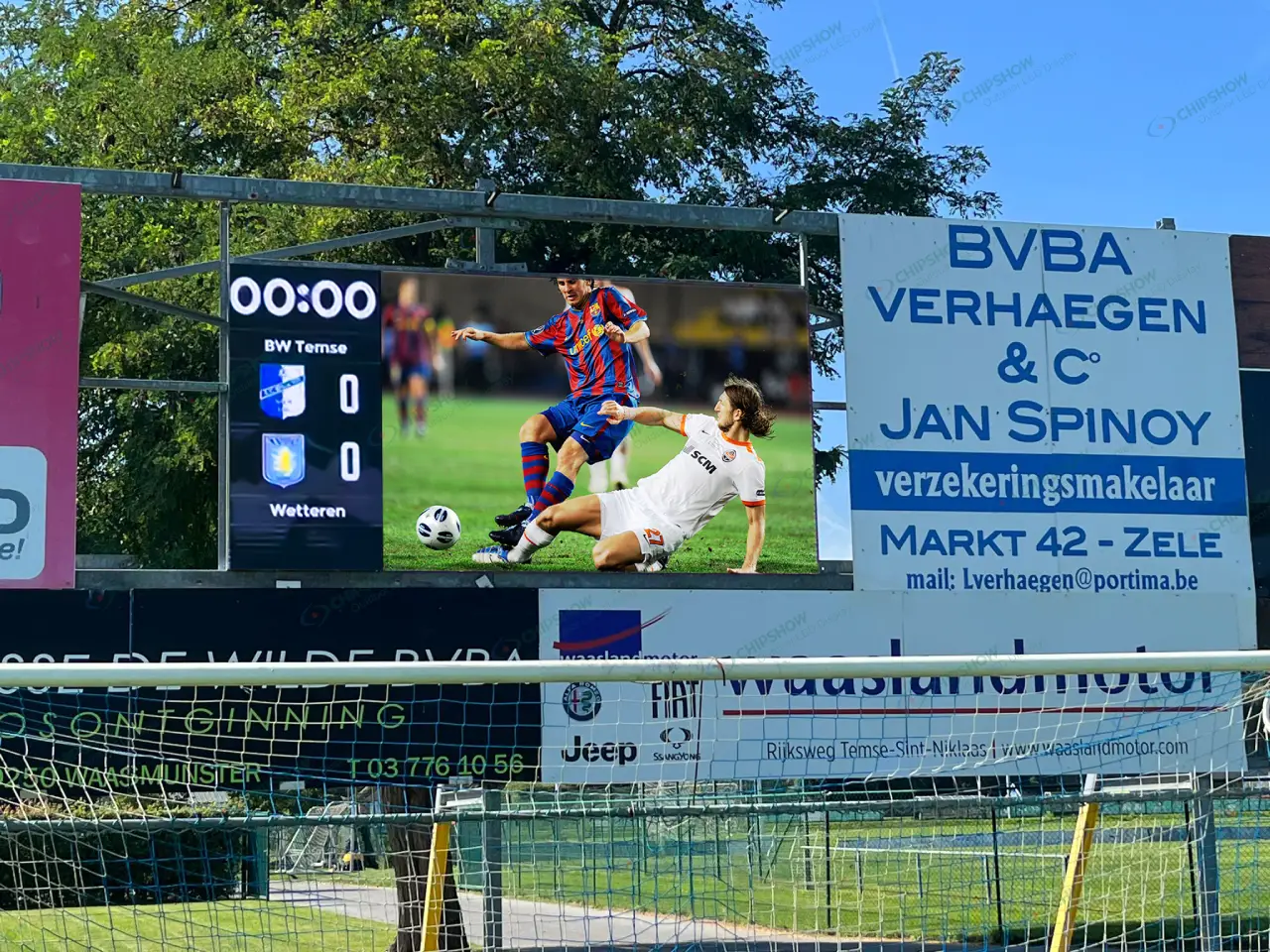
An advertising LED billboard is used to display digital ads, public messages, brand campaigns, event promotions, and local business content. It is often installed along roads, on commercial buildings, in plazas, or near retail areas. The right setup depends on viewing distance, brightness needs, and site conditions.
Q3. Is an Outdoor LED Billboard Better Than a Static Billboard?
An outdoor LED billboard offers content flexibility because ads can be changed and scheduled without printing new materials. It can also rotate multiple advertisers on one screen. Static billboards can still work for fixed campaigns, but digital formats support faster updates and more flexible media sales.
Q4. What Should Buyers Check Before Ordering Digital Billboard Signs?
Buyers should confirm the location, permit requirements, viewing distance, screen size, brightness level, pixel pitch, IP rating, cabinet access, and control system. They should also decide how content will be scheduled and updated. These details help connect the digital billboard business goal with the correct LED billboard specification.