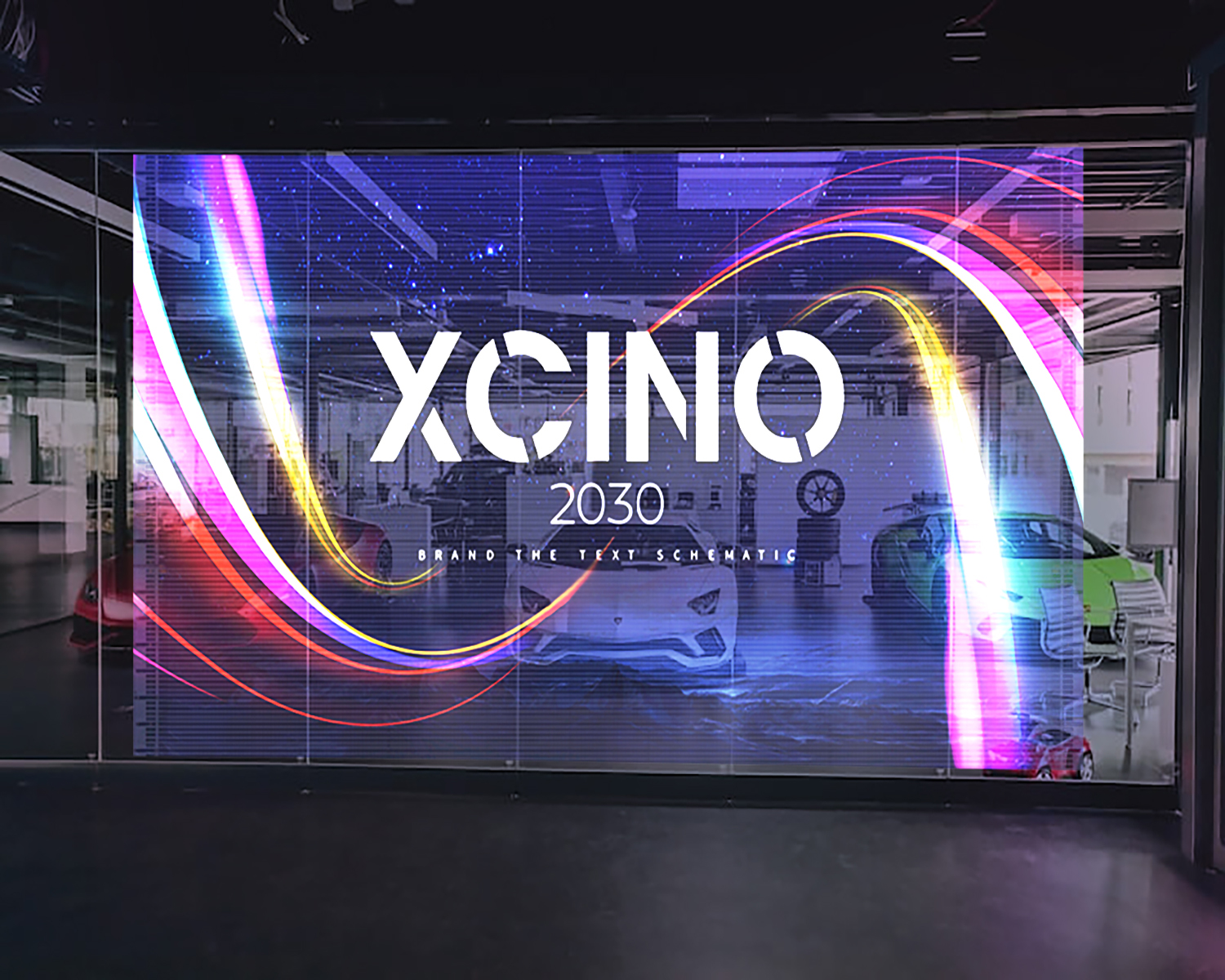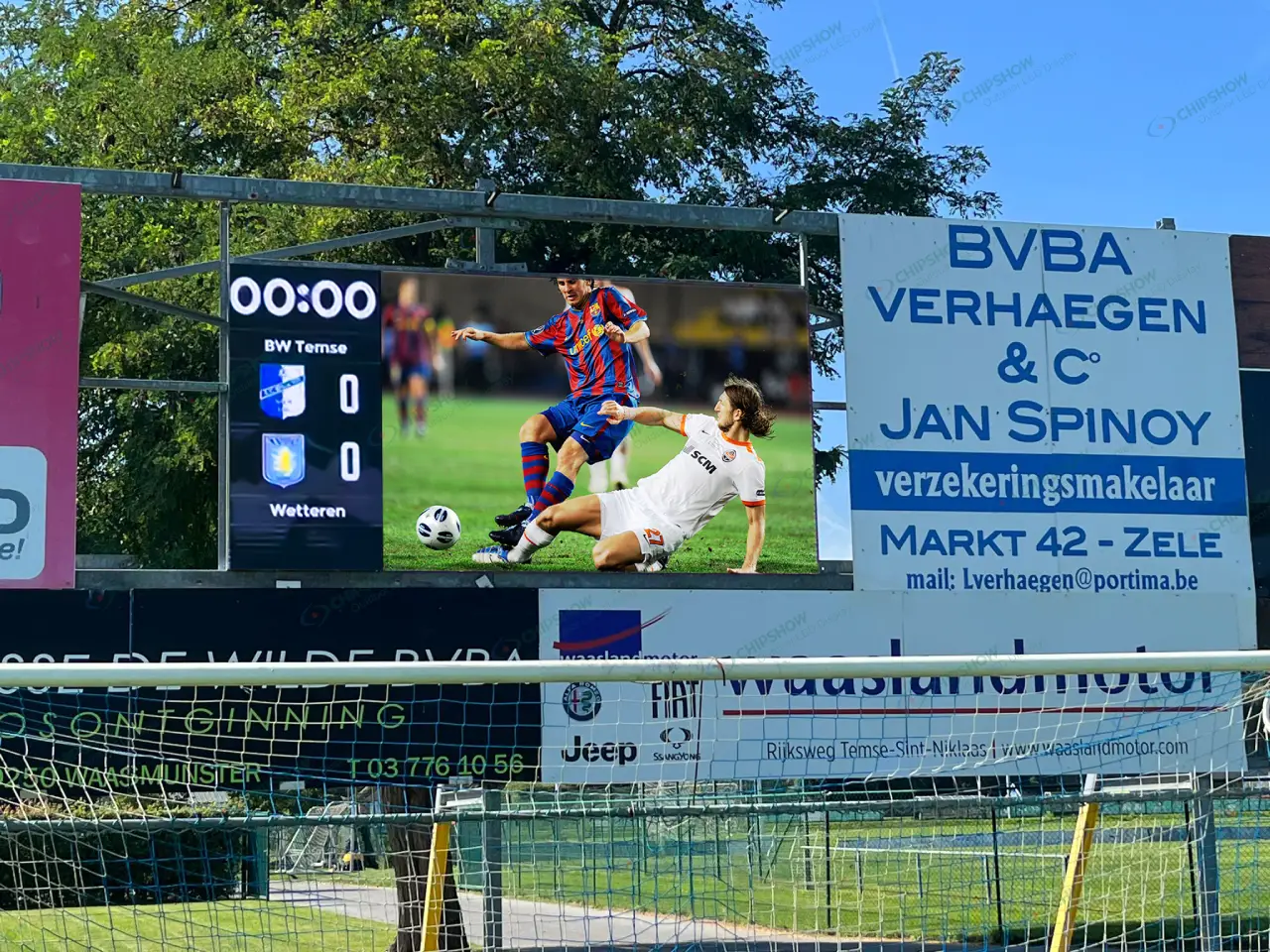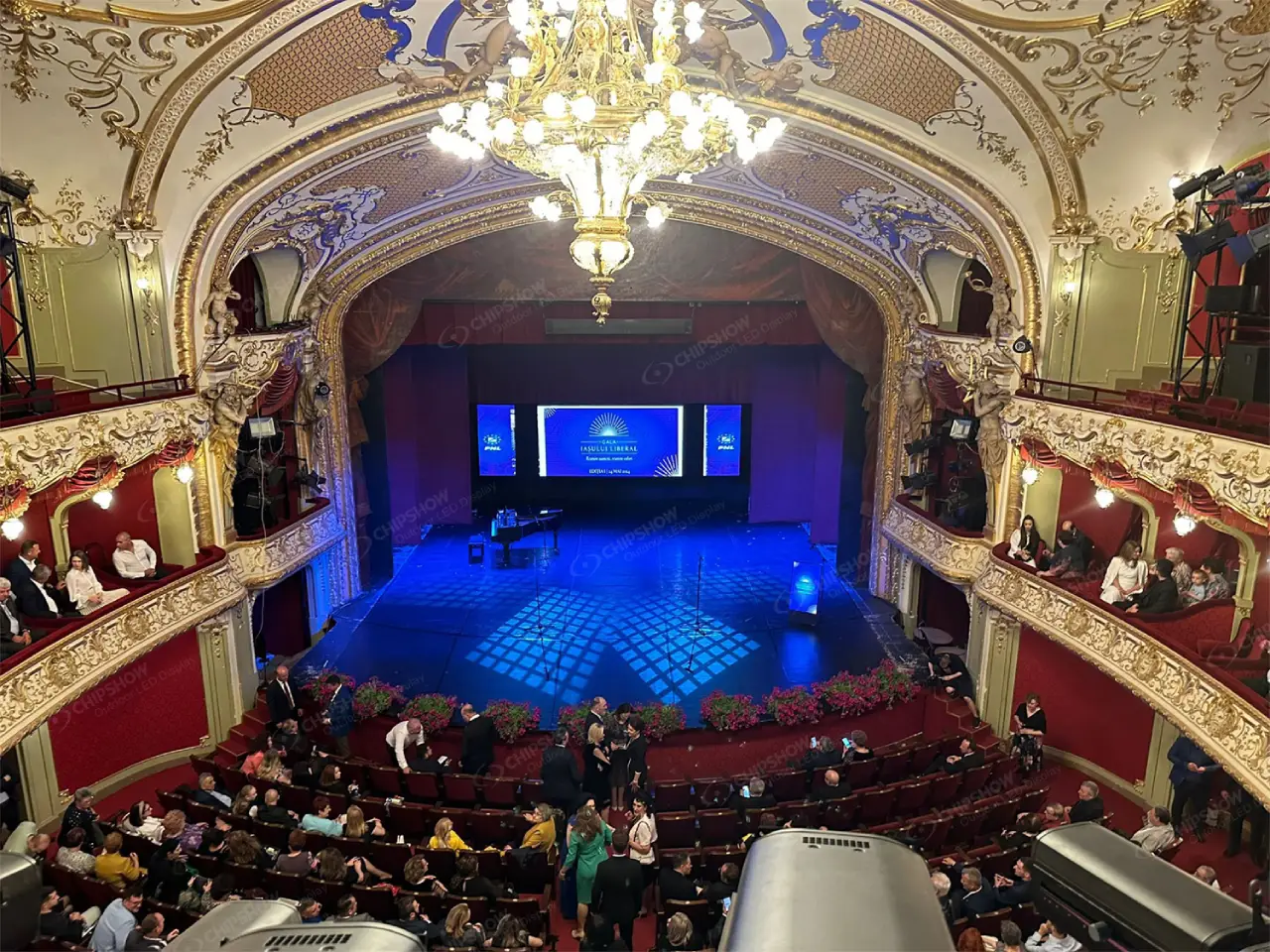


LED screen lifespan should not be treated as a single fixed hour rating. The more practical question is how long an LED wall can maintain useful brightness, stable color, and reliable operation under real site conditions. Brightness settings, heat management, operating environment, power stability, maintenance access, and service strategy all affect how long the screen remains effective in use.
What Is the Average LED Screen Lifespan in Operating Hours?
Professional LED walls are often described through operational half-life, but this figure should be used as a planning reference, not a fixed service deadline.
Operational half-life, when the supplier uses an L50 definition, refers to output declining to 50% of the stated initial reference under defined test conditions. It is not the failure time of the complete wall. Ask for the threshold, test current, temperature, sample, and prediction method before converting any hour rating into a maintenance or replacement plan.
|
Evaluation Factor |
What It Affects |
What Buyers Should Check |
|
Brightness settings |
Heat load and brightness decay |
Whether the screen runs at practical brightness instead of maximum output. |
|
Heat management |
LED stability, color consistency, and component stress |
Whether the cabinet design supports heat release and airflow. |
|
Usage environment |
Dust, humidity, sunlight, vibration, and handling risk |
Whether the display matches indoor, outdoor, or rental conditions. |
|
Power stability |
Power supply stress and fault risk |
Whether grounding, surge protection, and voltage stability are planned. |
|
Maintenance strategy |
Uptime and repair efficiency |
Whether service access, spare parts, and inspection schedules are defined. |
A better procurement question is not “How many hours will this LED screen last?” It is “How can this display be operated, cooled, powered, and maintained to protect long-term performance?”
Rated Operational Half-Life vs Field Usage
Rated operational half-life comes from controlled test conditions. Field use adds heat, dust, power variation, vibration, cleaning habits, and service quality.
A lab-based rating can help buyers compare LED components. It should not replace project-level checks for drivers, power supplies, cabinet structure, cooling, control hardware, and maintenance access.
For procurement teams, operational half-life is useful only when it is connected to the real operating plan. Brightness policy, heat control, power quality, installation environment, and maintenance records decide how long the screen stays useful.
Indoor vs Outdoor Service Life Differences
Indoor and outdoor LED walls age under different stresses. Indoor LED wall service life usually benefits from lower brightness demand and steadier air conditions. Outdoor systems face sunlight, rain, wind, temperature shifts, and higher luminance demand.
|
Use Environment |
Main Aging Pressure |
Procurement Focus |
|
Indoor control room |
Long daily operation and heat buildup |
Low thermal resistance and front service access. |
|
Corporate lobby |
Color consistency and close viewing |
High grayscale at low brightness and calibration. |
|
Education hall |
Dust, uptime, and limited service windows |
Front maintenance and stable power design. |
|
Outdoor digital out-of-home (DOOH) |
Sunlight, heat, rain, and high brightness |
Ingress protection (IP) rating, heat design, and auto-brightness. |
|
Rental stage use |
Transport, impact, rigging, and repeated setup |
Cabinet strength, fast locks, and module protection. |
Indoor projects should match operating brightness to ambient lighting and content. Check low-brightness grayscale, contrast, and comfortable direct viewing at the planned settings instead of adopting a universal 600–800 cd/m² operating target.
What Factors Affect LED Display Operational Half-Life?
LED screen lifespan depends on how the display is specified, installed, operated, and maintained.
Buyers should review the full display system. LED package, driver IC, power supply, cabinet structure, heat path, control system, installation environment, and service workflow all affect long-term performance.
LED Chip Quality and Driving Current
LED chip quality affects brightness decay, color drift, and dead-pixel risk. A stronger chip and package can support more stable output under controlled current.
Driving current also matters. Overdriving LEDs for extra brightness increases heat stress. That can speed up brightness decay and reduce LED wall durability.
A responsible specification should match brightness to the viewing environment. Routine operation should not depend on maximum output.
Heat Dissipation and Operating Temperature
Heat is a major driver of LED aging.
High internal temperature can speed up brightness decay, color drift, and component stress. Tight wall mounting, blocked ventilation, dust buildup, direct sunlight, and poor cabinet airflow can all increase thermal load.
Good heat dissipation depends on the full path from LED package to PCB, cabinet, airflow, and installation space. Outdoor projects need a stronger heat plan because sunlight and ambient temperature add extra stress.
Usage Hours and Brightness Level
Usage hours matter, but they should not be read as a fixed countdown.
A screen used for long daily hours needs stricter brightness control, better heat management, stable power, and more regular inspection. A screen used for shorter periods may still age faster if it runs too bright, too hot, or under unstable power.
Brightness level also affects heat. Running at maximum brightness all day can increase power draw and heat load. Auto-brightness control helps outdoor DOOH and public information displays reduce output during night hours, cloudy weather, or shaded conditions.
Why Heat Management Matters in LED Display Systems
Heat management matters because it affects brightness stability, color consistency, and component stress.
A wall may look stable during acceptance testing. Long-term operation shows whether the display has a strong heat path, stable cabinet structure, clear service access, and practical operating settings.
C-Pad-C COB Technology and Low Thermal Resistance Design
C-Pad-C is relevant for control rooms and other high-use indoor environments where close-view stability matters.
It uses COB, short for Chip-on-Board, where LED chips are packaged directly onto the board. This structure can reduce exposed solder points and create a tougher surface for professional close-view spaces.
C-Pad-C also supports low thermal resistance design. Lower thermal resistance helps move heat away from the emitting area faster. This supports stable brightness, color consistency, and long-hour operation under demanding indoor use.
C-Pad-C is useful when a project requires fine pixel pitch, close viewing, surface protection, heat control, and high grayscale at low brightness.
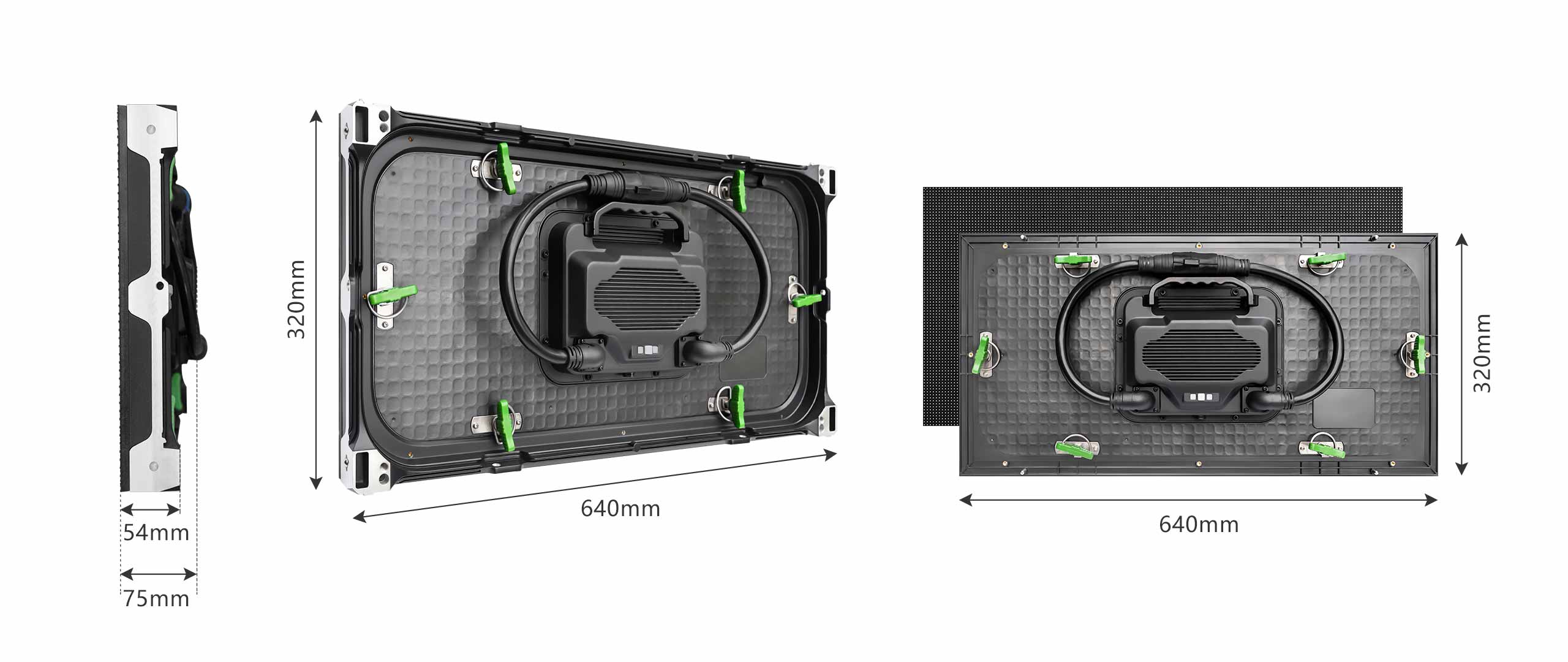
C-Max Cabinet Structure and Front Maintenance Design
C-Max is relevant for commercial indoor walls, education spaces, auditoriums, and retrofit projects.
Its stable cabinet structure helps support flatness, module alignment, and long-term installation quality. A stable cabinet reduces unnecessary service pressure caused by poor alignment or weak structural support.
Front maintenance also supports long-term operation. Technicians can access modules and service parts from the room side. This reduces dependence on rear service corridors and makes inspection easier in wall-mounted spaces.
A display that is easier to inspect and maintain is more likely to receive proper service. That helps protect uptime, reduce emergency repairs, and support predictable lifecycle cost.
|
Chipshow Series |
Long-Term Stability Support |
Suitable Project Type |
|
C-Pad-C |
COB structure, low thermal resistance design, and close-view image stability. |
Control rooms, data visualization rooms, and premium indoor spaces. |
|
C-Max |
Stable cabinet structure, front maintenance access, and practical service workflow. |
Commercial indoor walls, education spaces, auditoriums, and retrofit projects. |
Together, these design choices help teams manage heat, service access, image consistency, and long-term reliability more effectively.
How Can Maintenance Extend LED Screen Service Life?
A strong operation plan protects the investment after installation.
Maintenance should match the display’s usage pattern. An always-on control room needs a different plan from a lobby wall or event screen.
Use these checks as part of a practical service workflow:
- Set brightness according to ambient light, not the maximum rating.
- Keep ventilation paths clear around cabinets and power supplies.
- Inspect modules, signal cables, power units, and receiving cards on a fixed schedule.
- Clean dust with approved methods to protect airflow and surface quality.
- Log operating hours, brightness settings, temperature events, and repairs.
- Keep spare modules and key components from the same batch where possible.
- Recalibrate color and brightness after module replacement or long operating periods.
Receiving cards are control boards inside the cabinets. They help process display signals and should be checked during scheduled maintenance.
Good operation also reduces total cost of ownership (TCO). Fewer emergency repairs, lower power stress, and faster service all support better lifecycle value.
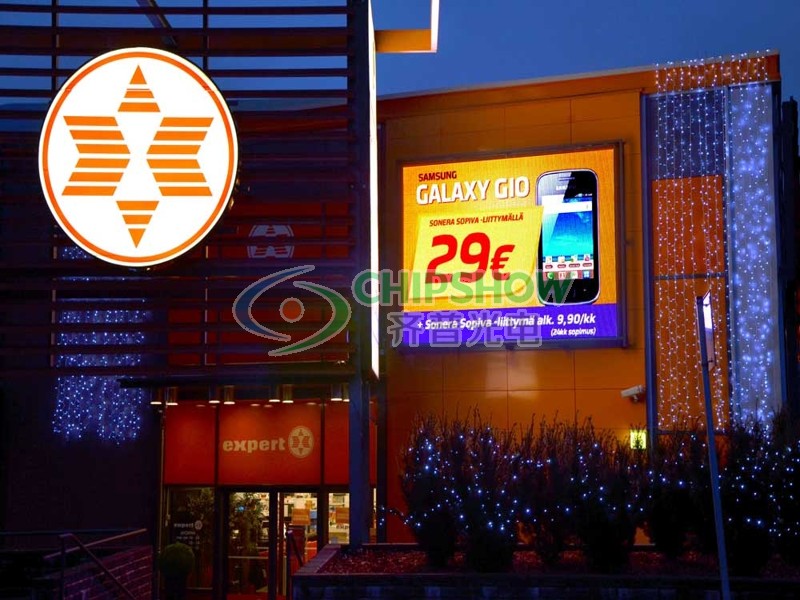
For outdoor displays, auto-brightness and weatherproofing deserve close review. For indoor walls, high grayscale at low brightness, stable power, and service access often matter more than peak brightness.
What Signs Show an LED Screen Is Aging?
Aging usually appears through visible and operational changes.
Early detection helps teams repair the wall instead of replacing it too early. Aging signs should be tracked against operating hours, service history, and brightness settings.
|
Aging Sign |
What the Team Sees |
Practical Response |
|
Brightness reduction |
The wall looks dimmer at the same setting. |
Recalibrate, review brightness history, and inspect modules. |
|
Color inconsistency |
Some areas show uneven white balance or color shift. |
Run calibration and check mixed module batches. |
|
Dead pixels increase |
Dark or stuck pixels appear across modules. |
Replace affected modules and review handling practices. |
|
Flicker or scan lines |
Camera capture shows unstable lines or flicker. |
Check refresh settings, driver IC configuration, and control hardware. |
|
Local overheating |
Certain cabinets feel warmer than nearby areas. |
Inspect airflow, power supplies, and installation clearance. |
|
Frequent service alarms |
Fault reports become more common. |
Review power quality, cabling, receiving cards, and maintenance records. |
Aging does not always require full replacement. Many systems can regain useful performance through module replacement, calibration, power inspection, and better operating settings.
Evaluate LED Screen Lifespan Around Real Operating Conditions
Evaluate LED screen lifespan through brightness policy, heat control, usage environment, power stability, maintenance access, and component quality. Operational half-life can support planning, but it should not be treated as a fixed service deadline. For high-frequency indoor spaces, C-Pad-C and C-Max support long-term stability through low thermal resistance design, stable cabinet structure, and front maintenance access.
FAQs
Q1. How Many Years Does an LED Screen Last?
A commercial LED screen has no universal 8–12-year service life. Convert a documented rating into equivalent years as rated hours ÷ annual operating hours, then separately evaluate power supplies, controls, parts availability, brightness, color, and acceptable downtime. For example, 10,000 operating hours at 10 hours/day is approximately 2.74 years; that is a duty-cycle calculation, not a lifespan prediction.
Q2. What Affects LED Display Lifespan the Most?
Heat management, brightness policy, usage environment, power stability, and maintenance strategy affect LED display lifespan the most. LED package quality also matters, but poor ventilation, unstable power, dust buildup, and excessive brightness can shorten useful service life.
Q3. Can LED Screens Be Repaired to Extend Life?
Yes. LED screens can often be repaired through module replacement, power supply service, cable inspection, receiving-card checks, and recalibration. Repair is practical when the cabinet structure, control system, and spare parts remain stable. Replacement becomes more reasonable when aging spreads across many areas.
Q4. Should an LED Wall Be Turned Off When Not in Use?
Schedule an LED wall off or standby period when the operating plan allows it. Confirm standby draw and the supplier’s shutdown/startup procedure. Reducing unnecessary active runtime can lower electricity use and heat exposure; it does not establish a fixed extension of service life.
Q5. Can Static Content Cause Uneven LED Aging?
Yes. Static content can cause uneven LED aging when fixed high-brightness logos, menus, or dashboards keep the same LED zones working harder. It is not OLED-style burn-in, but uneven brightness wear. Use layout rotation, brightness scheduling, screen protection modes, and periodic calibration.