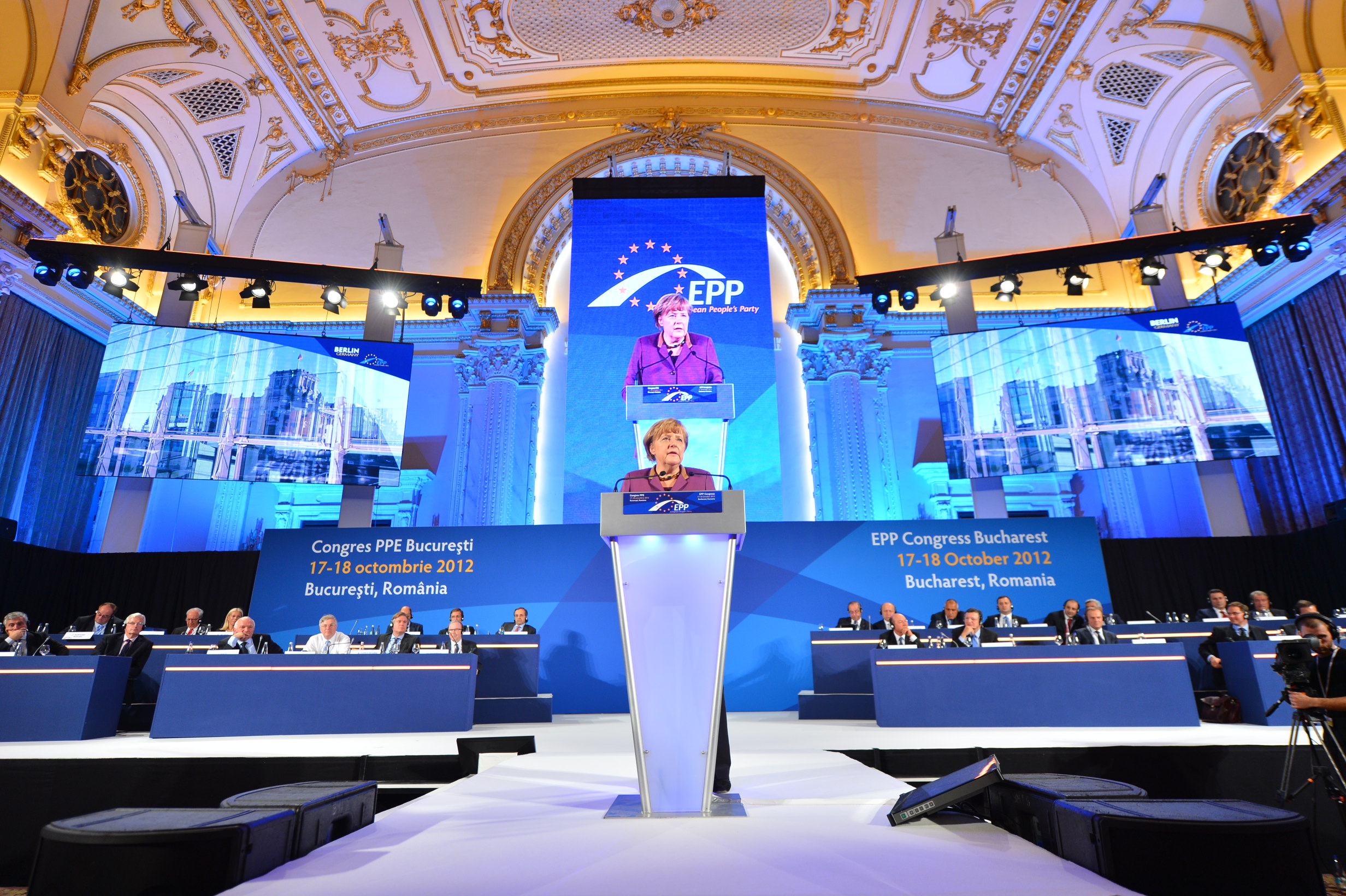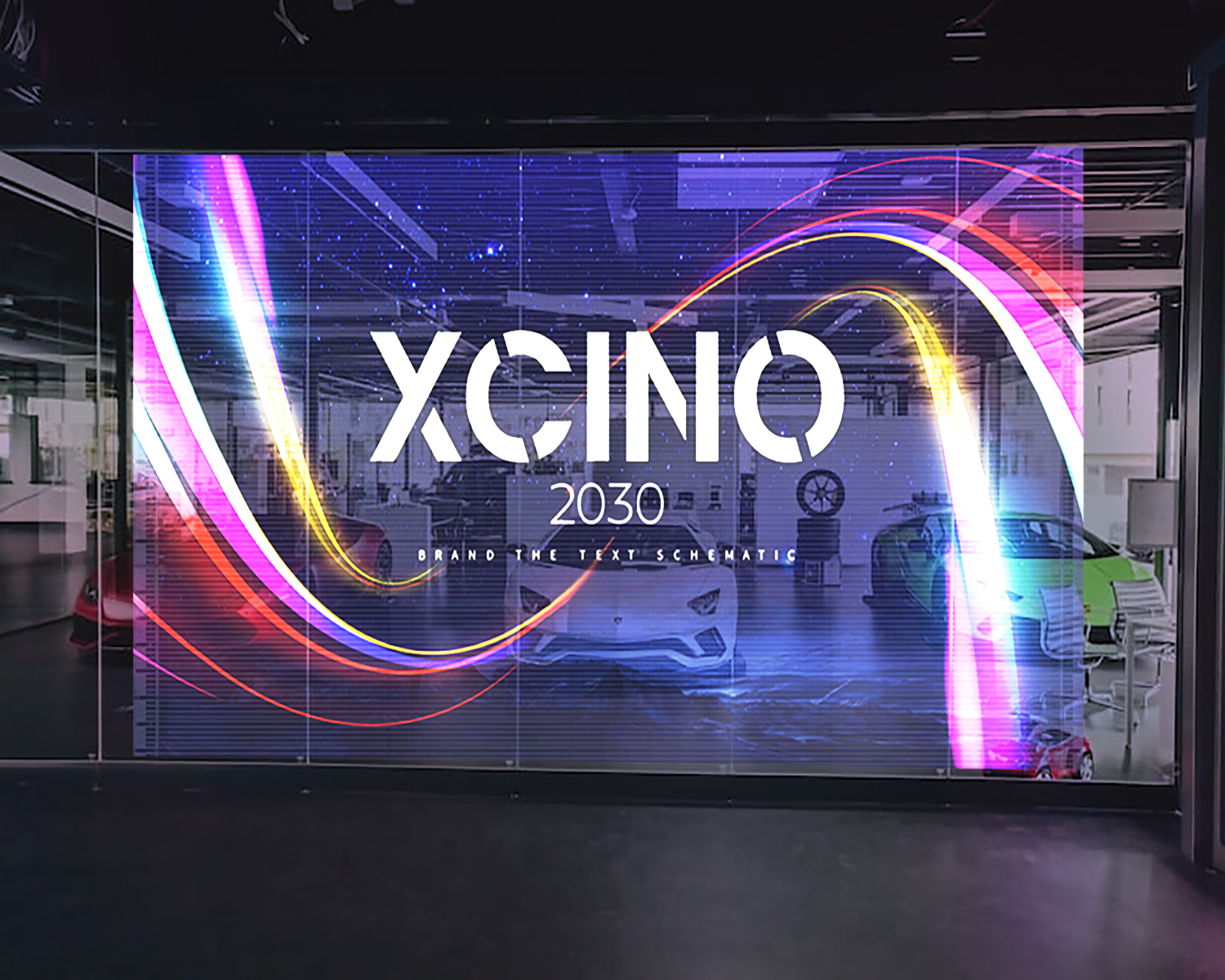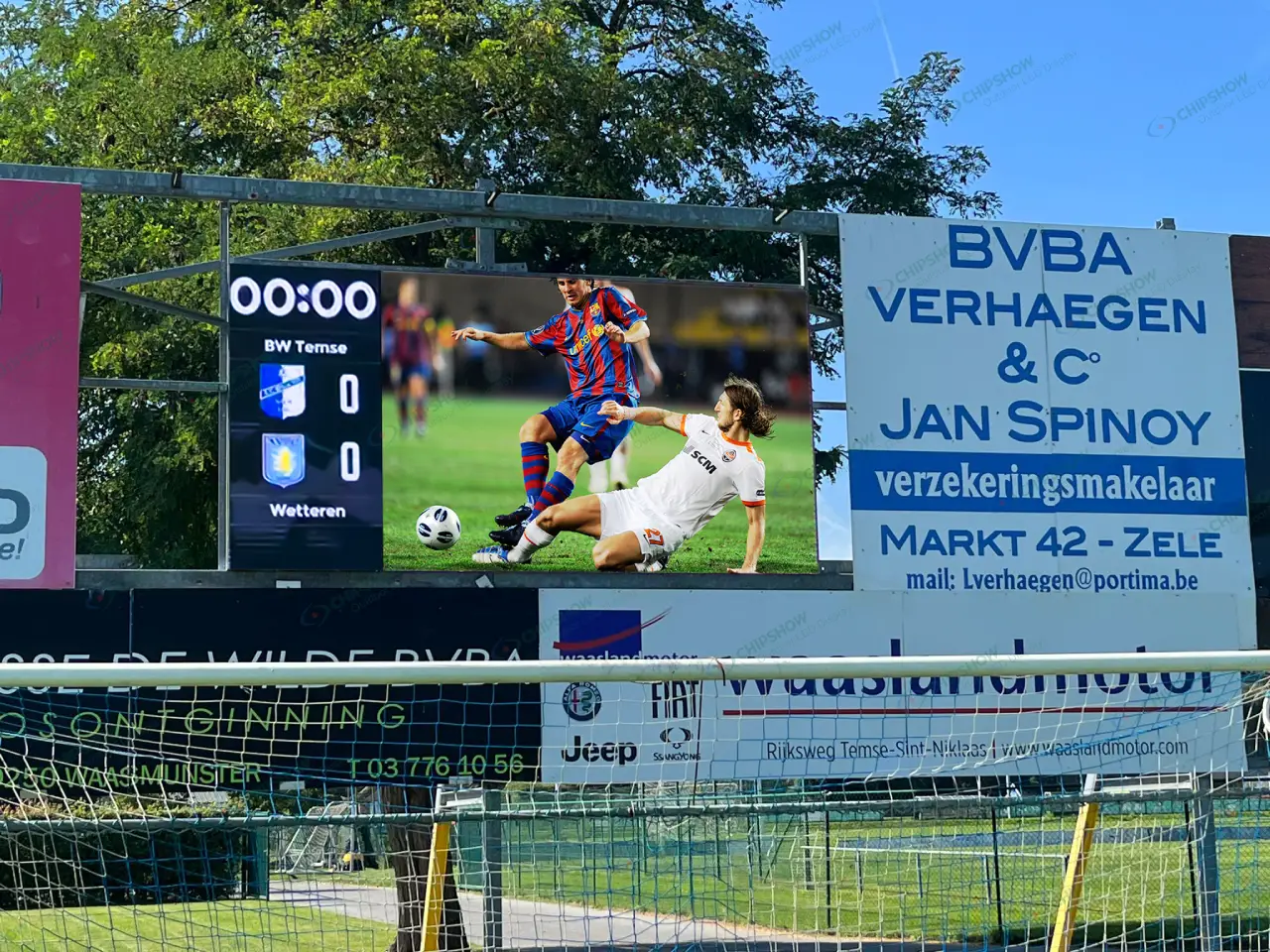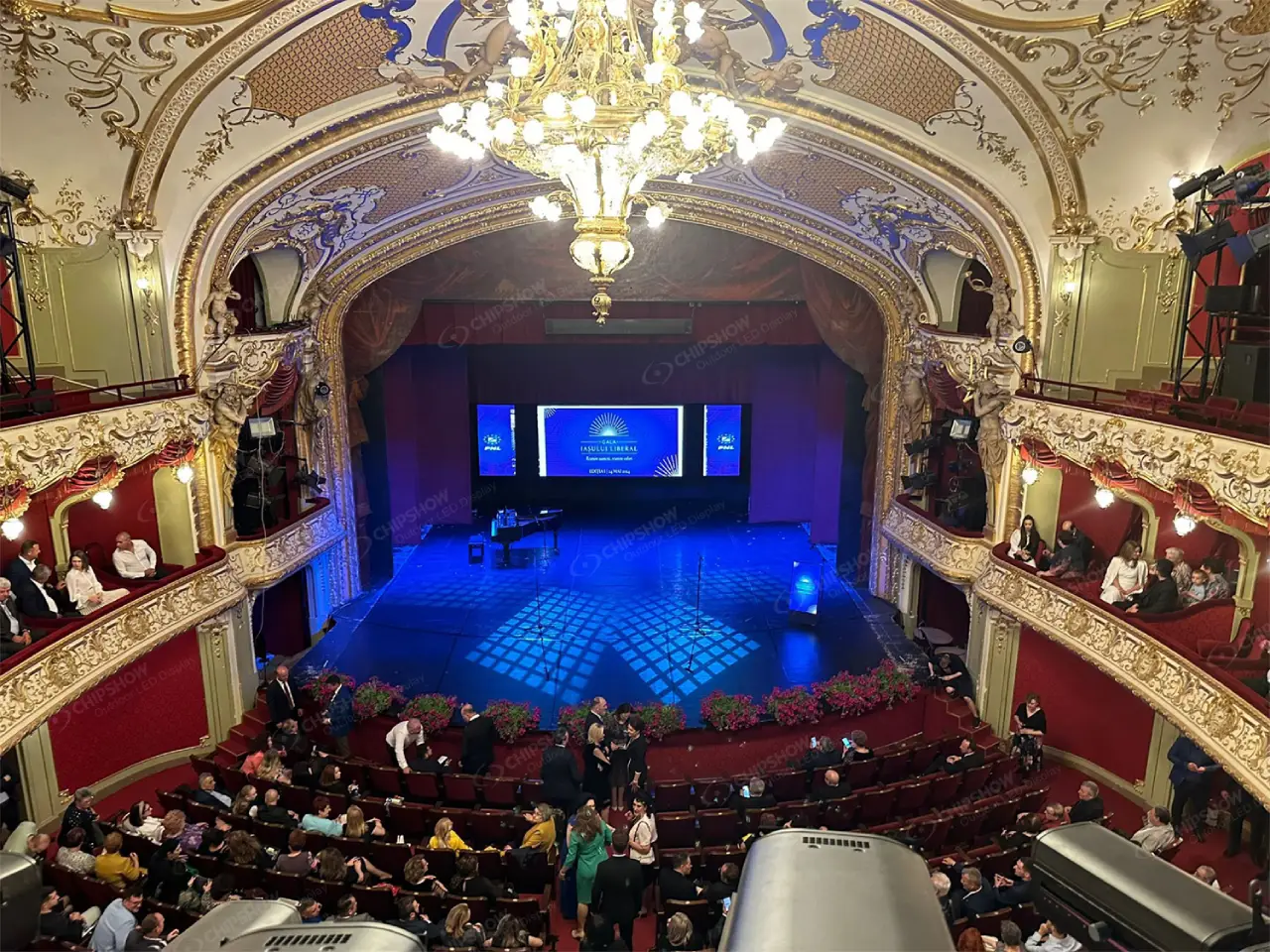


For luxury weddings, an LED screen for wedding needs to match the venue, camera setup, installation timeline, and long-term rental value. Screen size is only one part of the decision. A strong wedding backdrop screen delivers clean on-camera visuals, fast installation, indoor or outdoor adaptability, and flexible reuse across weddings, galas, and premium events.
What Should Confirm for an LED Screen for Wedding
A clear site brief helps rental companies quote accurately and avoid late setup changes.
Venue Size, Ceiling Height, and Stage Layout
Start with the usable stage width, stage depth, ceiling height, and rigging points. A wedding stage LED screen rental plan must leave space for flowers, lighting, speakers, aisle access, and crew movement.
Record all key dimensions in metric and imperial units. A ballroom with a 4 m (13 ft) ceiling may need a lower screen than the design team expects.
Guest Viewing Distance and VIP Table Position
The closest viewing point often decides the pixel pitch. The VIP table, family seating, and camera aisle can sit closer than the general audience.
Use a practical rule: minimum viewing distance in feet ≈ 3 × pixel pitch in millimeters. A P2.6 panel usually starts around 2.4 m (7.8 ft) for comfortable viewing.
Indoor Ballroom, Outdoor Garden, and Tent Conditions
Indoor ballrooms need quiet operation, low glare, and clean cable routes. Outdoor gardens need weather checks, ground stability, counterweight planning, and IP rated panels.
Tented weddings need extra care. Heat, condensation, uneven flooring, and limited truss height can affect a rental LED screen for luxury events.
Content Format, Aspect Ratio, and Playback Source
Confirm the content ratio early. Common formats include 16:9, ultra-wide, split-screen, and custom scenic layouts.
Ask for the playback source, video processor plan, file resolution, and backup media. Test video loops, name graphics, live camera feeds, and ceremony footage on site.
How to Match Visual Performance to a Wedding Backdrop Screen
Visual quality should support guest comfort, photography, and the production plan.
| Specification | Rental Decision | Practical Target |
| Pixel pitch | Match the closest viewing distance. | Use the 3 × pitch rule in feet. |
| Refresh rate | Match camera and livestream needs. | 3,840 Hz is a practical baseline. |
| Low brightness grayscale | Keep indoor images rich at lower brightness. | Around 600 to 800 cd/m² (nits) often suits ballrooms. |
| Outdoor brightness | Match daylight, shade, and stage lighting. | Around 4,000 to 6,000 cd/m² (nits) can suit many outdoor stages. |
| Cabinet flatness | Protect the seamless luxury backdrop look. | Check locks, alignment, and seam control. |
A good LED screen for wedding rental plan balances image detail with site conditions. Over-specifying pixel pitch can raise cost without improving guest viewing.
Pixel Pitch Should Follow Viewing Distance
Pixel pitch controls visible detail at a given distance. Closer seats need finer pitch. Larger venues can use wider pitch.
For a LED screen wedding backdrop, P1.9 to P2.6 often fits close indoor work. P2.9 to P3.9 can fit larger stages or longer guest distances.
High Refresh Rate Helps Reduce Flicker and Scan Lines on Camera
Wedding production often includes photographers, handheld video, livestreams, and LED background shots. A low refresh rate can create flicker or scan lines on camera.
A refresh rate of 3,840 Hz or above is a practical baseline. For livestreams, XR work, or broadcast-style capture, 7,680 Hz can give stronger camera support. Refresh rate helps camera capture, but it does not solve moiré caused by spatial interference.
Low Brightness Grayscale Matters for Indoor Ballroom Comfort
Indoor wedding screens should not run too bright. A ballroom often works better around 600 to 800 cd/m² (nits).
The key check is low brightness grayscale. The screen should keep skin tones, gradients, and dark floral visuals clear at reduced brightness.
Brightness and Contrast Should Match Stage Lighting Conditions
A wedding backdrop screen competes with spotlights, chandeliers, uplighting, and camera exposure. Brightness alone cannot fix poor contrast.
Ask the AV team to test screen settings during the real lighting scene. Brightness, contrast, gamma, and content color should be checked together.
Cabinet Flatness Supports a Seamless Wedding Backdrop Screen
Luxury events leave little tolerance for visible seams. Flatness affects floral animations, monograms, and soft gradient backgrounds.
Check cabinet locks, panel aging consistency, and floor level. A small stage slope can create visible line breaks across a wide wall.
Why Lightweight Rental LED Cabinets Matter for Wedding Event Teams
Rental margins depend on faster movement, lower handling risk, and repeatable builds.
Faster Load In and Load Out for Tight Event Schedules
Wedding venues often restrict dock access, elevator time, and overnight storage. Faster load in protects rehearsal, décor, and lighting schedules.
Quick-lock cabinets and repeatable rigging plans reduce rework. They also help crews handle short venue turnover windows.
Lower Transport Weight
Cabinet weight affects truck loading, case count, freight charges, and crew fatigue. It also affects movement through hotels, resorts, and garden venues.
Lower transport weight can support smaller trucks and lighter local crews.
Single Person Handling for Smaller Crews
Many wedding jobs do not justify a large concert crew. Single person handling helps smaller teams control labor hours.
Crew managers should still follow safe lifting rules. Dollies, flight cases, and clear access paths remain important for repeat rental cycles.
Carbon Fiber Cabinets for High Turnover Rental Fleets
For high-turnover wedding and gala fleets, C-Carbon P3.91 fits large backdrops where lower handling weight and outdoor readability matter. The 1000 × 1000 × 83.75 mm (39.37 × 39.37 × 3.30 in) panel uses a carbon fiber frame, 20 kg (44 lb) panel weight, up to 6,000 cd/m² (nits), 3,840 Hz refresh, IP65 front and rear protection, and front and rear service access.
These features support faster handling, lower freight pressure, and repeated outdoor wedding or gala use. A short C-Carbon outdoor rental screen video can also help project teams review cabinet handling, panel scale, and outdoor stage fit during proposal planning.
How to Build a Safe and Clean Wedding Stage LED Screen Setup
A good LED screen for wedding setup must look premium and pass site safety checks.
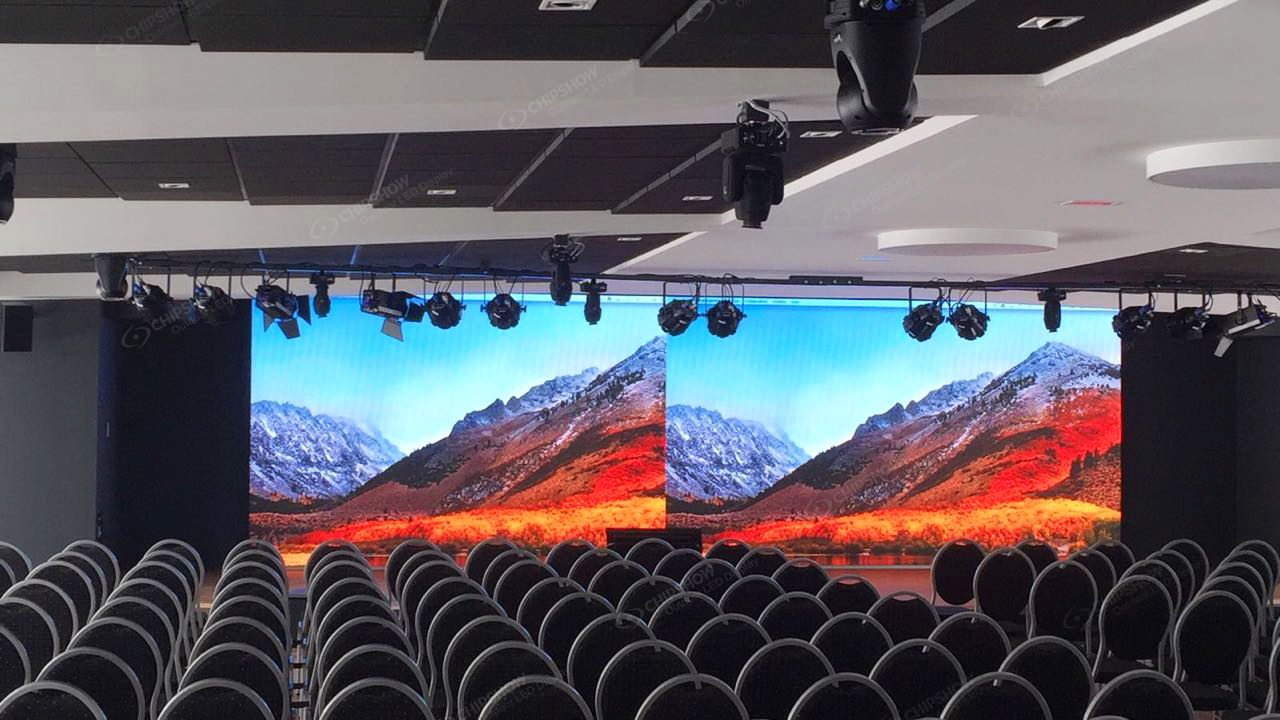
Ground Support, Hanging, and Truss Load Checks
Confirm the structure type, load rating, counterweight plan, rigging height, and venue rules. Qualified riggers should review suspended walls and large ground-support systems.
Do not size the screen from visual design alone. The support plan must match panel weight, wind exposure, and site access.
Power Distribution and Backup Preparation
Separate screen power from audio and lighting where possible. Use proper distribution, cable rating, grounding, and circuit planning.
Prepare spare power supplies, receiver cards, signal cables, and modules. A luxury wedding schedule rarely allows long troubleshooting windows.
Signal Routing and On Site Screen Testing
Plan signal routing from the media server, laptop, camera switcher, or playback device. Label all ports and signal paths.
Test the full LED video wall for wedding backdrop content on site. Check resolution, scaling, color, loop timing, and backup playback.
Cable Management for a Clean Luxury Event Look
Luxury events require hidden cable runs and neat backstage paths. Visible cables can weaken the premium stage design.
Route power and signal cables away from guest paths. Use cable ramps, covers, black wraps, and backstage tie points.
IP Rating Checks for Outdoor Wedding Screens
Outdoor wedding screens need the right IP rating for the exposure side. Front and rear protection can differ.
IEC 60529 defines IP ratings for protection against dust and liquid intrusion. For outdoor weddings, confirm rain direction, cable connectors, ground drainage, and generator placement.
How to Improve ROI From an LED Screen for Wedding
Rental ROI depends on setup speed, cabinet durability, power cost, and cross-event reuse.
| ROI Lever | What Improves | Why It Matters |
| Faster setup | Lower labor hours per event. | More jobs can fit the same crew calendar. |
| Durable cabinets | Fewer repairs after transport. | Repeated rental cycles protect margin. |
| Cross-use inventory | Weddings, galas, concerts, and corporate events share panels. | Fleet utilization rises across seasons. |
| Lower average power draw | Lower operating cost during long events. | Net profit improves on multi-day rentals. |
The same LED screen for wedding inventory should support visual quality and practical fleet economics. A panel that works across event types can reduce idle stock.
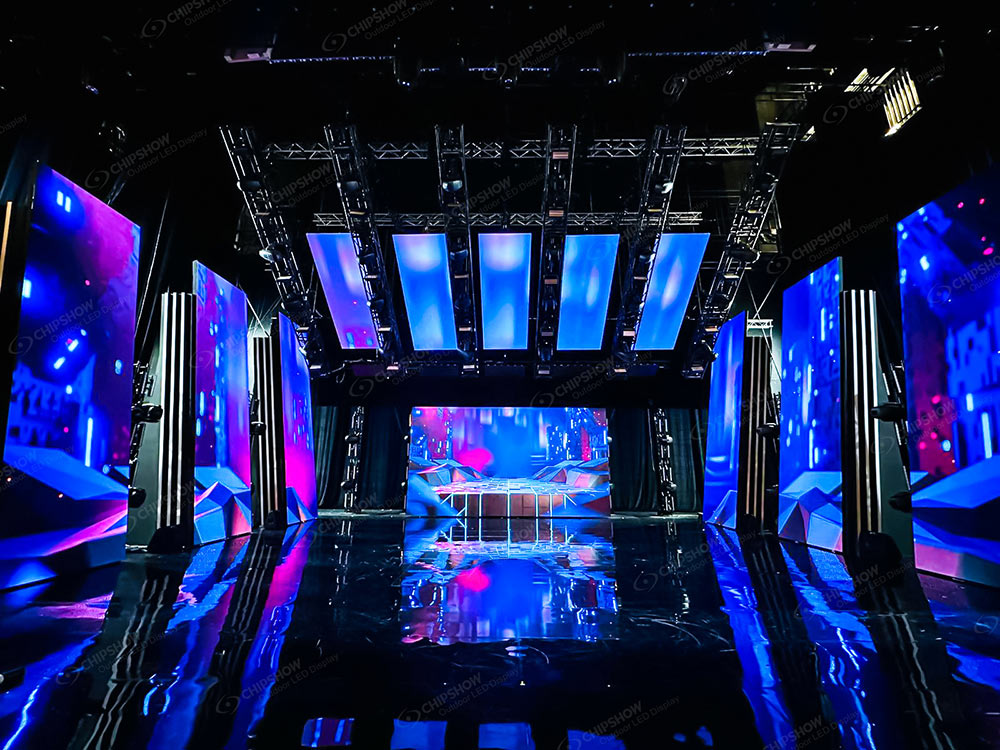
Faster Setup Reduces Labor Cost
Labor cost can exceed hardware cost on tight event calendars. Faster locks, lighter frames, and better cabinet alignment reduce paid crew hours.
Track setup time per square meter (sq ft). This helps identify which cabinet types create delays during load in, alignment, and teardown.
Durable Cabinets Support Repeated Rental Cycles
Wedding screens move through docks, ballrooms, trucks, and outdoor sites. Repeated movement makes cabinet durability a direct profit factor.
Operational half-life also matters. In LED terminology, operational half-life describes brightness decay to 50 percent of the initial level. It does not describe total device failure.
Cross Use for Weddings, Galas, Concerts, and Corporate Events
A rental LED screen for luxury events should not sit idle after wedding season. The same platform can support galas, award nights, fashion events, worship events, and corporate launches.
Standard cabinet sizes, shared video processors, and common spare parts improve fleet flexibility. That lowers training needs across crew teams.
Average Power Consumption and Long Term Operating Cost
Average power matters more than peak power for rental planning. A useful estimate is around 180 W per square meter (16.7 W per sq ft) under typical operation.
Use a simple formula: energy cost = screen area × average power density × operating hours × electricity rate. Add generator cost when the site lacks stable power.
Choose the Right LED Screen for Wedding Events
Match the screen to the venue plan first, including pixel pitch, brightness, rigging method, cabinet weight, and IP rating. Strong visual quality also needs practical crew efficiency, because a clean image loses value when setup takes too long or handling risk rises. Treat the wedding stage LED screen rental setup as a reusable asset that supports faster turns, safer delivery, and wider event reuse.
FAQs
Q1. What Size LED Screen Works for a Wedding Backdrop?
Base the screen size on the stage width and closest viewing distance. Compact premium receptions often use about 3 m × 2 m (9.8 ft × 6.6 ft). Mid-size ballrooms often use 4 m × 2.5 m (13.1 ft × 8.2 ft) or 5 m × 3 m (16.4 ft × 9.8 ft). Larger gala-style weddings may use 6 m × 3 m (19.7 ft × 9.8 ft) or wider.
Q2. Is a Wedding Backdrop Screen Better Than Projection?
Yes, in most bright or camera-heavy wedding stages. An LED backdrop gives stronger visibility under stage lighting, supports seamless large formats, and works well with livestreams and same-day edit playback. Projection is more dependent on throw distance, screen surface, and controlled ambient light, especially when the image size reaches 100 to 120 inches or larger.
Q3. Can a Rental LED Screen for Luxury Events Be Used Outdoors?
Yes, outdoor-rated LED screens can support garden, resort, and tented wedding setups. For exposed outdoor use, confirm IP65 or project-suitable IP protection, stable ground support, cable protection, counterweight planning, and power distribution. IEC 60529 defines IP ratings for dust and liquid protection, so the IP rating must match the actual exposure.
Q4. What Affects the Cost of Wedding Stage LED Screen Rental?
Screen area, pixel pitch, rental period, rigging method, crew hours, transport distance, and venue access drive the final quote. Public U.S. rental references often show small daily wedding LED walls around $600 to $900, mid-size setups around $1,800 to $2,500, and large luxury setups above $5,000, depending on service scope.
Q5. What Content Looks Best on an LED Video Wall for Wedding Backdrops?
Large, clean, slow-moving visuals work best. Use monograms, floral motion graphics, soft textures, name graphics, ceremony loops, seating moments, and same-day edit videos. Keep text large enough for the closest guests, usually at least 7.5 to 10 cm (3 to 4 in) high on screen for comfortable short-range reading.