

A DJ LED Screen needs to fit viewing distance, venue size, camera use, crew workflow, and transport limits. For DJ LED screen rental, poor pitch selection can waste budget, while heavy cabinets can slow every build. The goal is a concert LED display that delivers clear visuals, supports fast setup, handles outdoor conditions, and creates long-term rental value across concerts, festivals, clubs, and corporate stages.
How to Match a DJ LED Screen to Viewing Distance and Venue Size
Start with the closest viewer, then confirm screen size, content detail, and rental budget.
Minimum viewing distance: pixel pitch in mm ≈ distance in m.
Imperial reference: pixel pitch in mm × 3.3 ≈ distance in ft.
| Viewing Scenario | Common Pitch Range | Typical Viewing Distance | Practical Fit |
| Indoor clubs and VIP zones | P1.9-P2.6, 1.9-2.6 mm (0.075-0.102 in) | 2-6 m (6.6-19.7 ft) | Close viewing with detailed DJ visuals. |
| Concert backdrops | P2.6-P3.91, 2.6-3.91 mm (0.102-0.154 in) | 6-15 m (19.7-49.2 ft) | Balanced clarity and rental cost. |
| Outdoor festivals | P3.91-P5.9+, 3.91-5.9+ mm (0.154-0.232+ in) | 15 m+ (49.2 ft+) | Large scale, brightness, and rigging efficiency. |
A finer pixel pitch improves close-range detail. It also raises the cost of rental inventory. Use viewing distance as the first filter, then size the display for the stage.
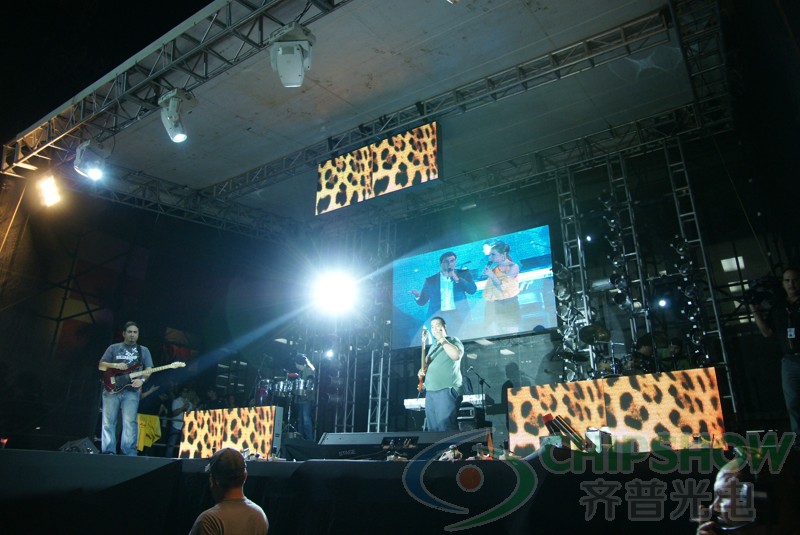
Fine Pixel Pitch for Indoor Clubs and Close Viewing Areas
Indoor clubs place viewers near the display. P1.9-P2.6, 1.9-2.6 mm (0.075-0.102 in), can keep logos, DJ names, and close camera feeds clean.
Indoor brightness should stay controlled. Low brightness grayscale matters for dark scenes, smoke, and fast color changes.
Midrange Pixel Pitch for Concert Backdrops
Concert backdrops need size and clarity together. P2.6-P3.91, 2.6-3.91 mm (0.102-0.154 in), often fits medium stages.
This range works for DJ visuals, sponsor loops, VJ content, and live camera feeds. It also keeps rental stock flexible across many event types.
Larger Pixel Pitch for Outdoor Festivals and Distant Viewing
Outdoor crowds often stand 15-45 m (49.2-147.6 ft) from the main wall. P3.91-P5.9+, 3.91-5.9+ mm (0.154-0.232+ in), can still work at that range.
The budget can shift toward brightness, IP protection, wind planning, and cabinet durability. These factors often affect outdoor show reliability.
Screen Size, Stage Depth, and Audience Layout
A stage LED screen for DJ events should fit the stage plan. Large screens need safe clearance, access space, and rigging capacity.
| Stage Factor | What to Check | Practical Decision |
| Stage width | Screen width versus truss span | Avoid oversized walls that overload rigging points. |
| Stage depth | Distance from DJ booth to screen | Keep space for heat, access, and safe cable routing. |
| Audience spread | Left, center, and right viewing zones | Add side screens for wide crowds. |
| Content type | Abstract visuals, text, IMAG, sponsor logos | Choose pitch based on fine text needs. |
Which Visual Specs Matter Most for a Concert LED Display
A useful spec sheet should support both audience viewing and camera capture.
| Visual Spec | Practical Checkpoint | Why It Matters |
| Brightness | Controlled indoor output or outdoor 4000-6000 cd/m² (4000-6000 nits) | It supports visibility under lights and daylight. |
| Refresh rate | 3840 Hz or above | It helps reduce flicker and scan-line risk on camera. |
| Grayscale | Strong grayscale at low brightness | It keeps dark stage visuals from looking flat. |
| Viewing angle | Wide horizontal coverage | It supports side audience zones. |
Brightness for Indoor, Outdoor, and Mixed Lighting Conditions
Indoor DJ events need controlled brightness. Excessive output can wash out skin tones and fatigue viewers.
Outdoor stages need stronger brightness for daylight and sunset transitions. Smooth dimming keeps night scenes comfortable.
Refresh Rate for Cameras, Livestreams, and Fast Visuals
A refresh rate of 3840 Hz or above is a practical baseline. For broadcast, livestreams, or XR use, 7680 Hz can help.
Refresh rate helps reduce flicker and scan lines. Moiré also depends on pixel pitch, camera sensor, lens, angle, and shooting distance.
Contrast and Grayscale for Dark Stage Scenes
DJ content often uses dark backgrounds, neon lines, and fast color shifts. Weak grayscale can make black areas look gray.
Ask for low brightness grayscale performance. This matters for clubs, corporate shows, and camera close-ups.
Viewing Angle for Wider Crowd Coverage
Wide viewing angles help side audiences see stable color and contrast. This matters in arenas and wide festival fields.
Ask for off-axis viewing photos from real projects. A spec number alone cannot show the full audience experience.
What Makes a Rental DJ LED Screen Easier to Transport and Install
Rental buyers should judge the cabinet as workflow equipment, not only display hardware.
| Rental Factor | What It Affects | What to Prioritize |
| Cabinet weight | Crew effort and truck loading | Lower kg per panel and kg/m², with lb equivalents. |
| Cabinet format | Panel count and cable count | Larger panels for wide backdrops. |
| Locking system | Build speed and alignment | Fast locks with repeatable fit. |
| Service access | Live event troubleshooting | Front and rear access where possible. |
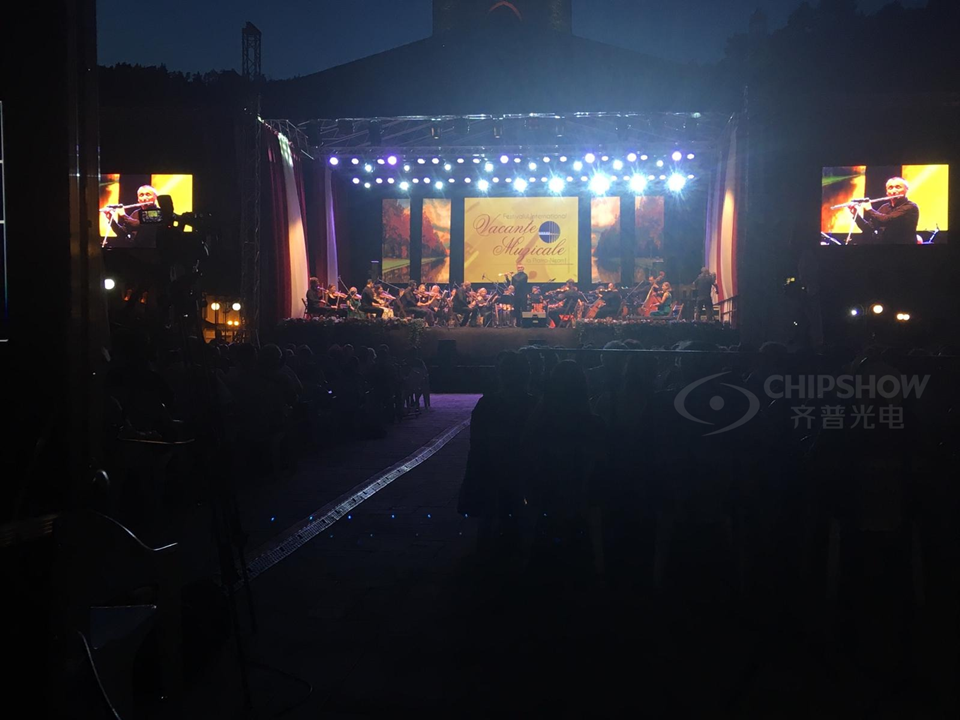
Lightweight Cabinets That Reduce Labor and Freight Pressure
A lighter rental LED display for live events can reduce lifting effort, truck load, and setup fatigue. Weight also affects rigging plans.
For large outdoor backdrops, C-Carbon P3.91 fits this checkpoint. It uses a 1000 × 1000 × 83.75 mm (39.4 × 39.4 × 3.3 in) carbon fiber frame. Each panel weighs 20 kg (44.1 lb), with ≤6000 cd/m² (≤6000 nits) output, IP65 front/back protection, 3840 Hz refresh, and magnetic front/rear service for demanding rental workflows.
Carbon Fiber Structures for Touring Rental Workflows
Carbon fiber structures help touring teams reduce load pressure. This matters across packing, trucking, rigging, and strike cycles.
The structure should also handle routine rental stress. Check corners, locks, module protection, and flight-case compatibility.
Fast Locking Systems for Repeated Stage Builds
Fast locks reduce alignment time across repeated builds. They also help crews keep seams consistent.
Test lock access with gloves and low light. A good lock should save time under real show conditions.
Front and Rear Service Access for On Site Maintenance
Live events need fast repair paths. Front access helps when the wall sits close to stage scenery.
Rear access helps on large touring walls with backstage space. Dual service gives rental teams better venue flexibility.
What to Check for Outdoor DJ LED Screen Use
Outdoor use adds weather, wind, daylight, rigging, and power risks.
| Outdoor Risk | Checkpoint | Practical Action |
| Rain and dust | Suitable IP rating | Match the rating to exposure level and site risk. |
| Wind | Structure and ballast plan | Use qualified rigging review. |
| Day and night use | Brightness control | Confirm dimming and grayscale quality. |
| Power | Circuit capacity and backup plan | Plan power, data, and control redundancy. |
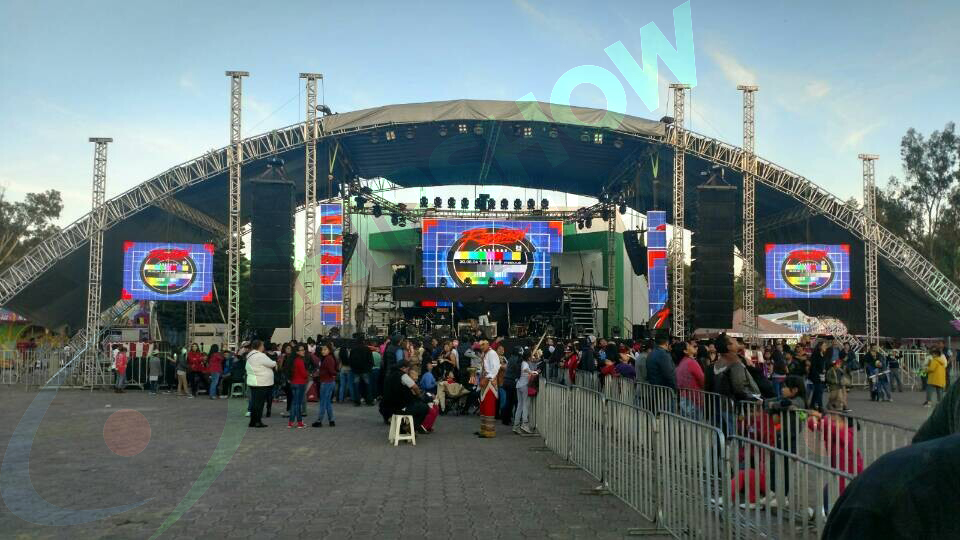
IP Rating for Rain, Dust, and Touring Conditions
Exposed outdoor LED panels need a suitable IP rating for rain and dust. Many outdoor rental projects use IP65-rated panels, but the correct level depends on exposure.
Do not place indoor panels outdoors without protection. Outdoor staging can face rain, dust, fog, heat, and fast weather changes.
Wind Load and Rigging Safety for Large LED Walls
Large LED walls can catch wind on outdoor stages. Planning should include screen size, structure, ballast, truss rating, and local rules.
Use qualified riggers for suspended or ground-supported walls. Fast setup should still follow structural review.
Brightness Control for Daytime and Nighttime Shows
Daytime festivals need enough brightness to fight ambient light. Night shows need smooth dimming to avoid harsh output.
Ask for brightness control across daylight, sunset, and night scenes. The same DJ LED Screen may run in all three conditions.
Power Distribution and Backup Planning
Power planning should cover panels, processors, control laptops, cameras, and network gear. Use amps = watts ÷ volts for circuit planning.
Ask suppliers for average power draw in W/m² (W/ft²), not only peak power. Keep spare data cables, power jumpers, receiving cards, and modules on site.
How to Improve ROI With a DJ LED Screen
ROI depends on utilization, setup speed, repair cost, and event coverage.
| ROI Lever | What It Improves | What to Measure |
| Faster setup | Higher event capacity | Build hours per m² (ft²). |
| Lighter hardware | Lower logistics pressure | Truck space, crew count, and lift effort. |
| Durable cabinet design | Lower repair spend | Dead pixels, corner damage, and module swaps. |
| Flexible pitch inventory | Wider booking range | Clubs, concerts, festivals, and conferences. |
Faster Turnaround Between Live Events
A rental company earns from equipment use days. Faster setup supports tighter schedules and shorter labor windows.
Track average build time across similar stages. A cabinet that saves hours per show can improve annual return.
Lower Transport Costs Through Lighter Display Hardware
Transport cost grows with cabinet count, weight, flight cases, and crew handling. Lighter panels reduce pressure across every move.
Do not compare panel price alone. Compare freight, labor, case volume, and damage rate across a full rental season.
Fewer Repairs From Durable Rental Cabinet Design
Rental displays face repeated loading, unloading, stacking, and cable handling. The cabinet should protect corners, modules, connectors, and locks.
Ask about spare parts, module swap time, and warranty process. Repair speed matters during event weeks.
More Event Types From One Flexible LED Inventory
A flexible inventory can serve clubs, concerts, worship venues, product launches, and outdoor festivals. Pitch and cabinet design affect that range.
The strongest stock plan avoids narrow use cases. It should cover frequent bookings and higher-margin production work.
Build a DJ LED Screen Setup for Repeated Rental Value
A well-specified DJ LED Screen setup connects visual performance with real rental workflow. Match pixel pitch, refresh rate, and brightness to your camera needs and viewing distance, then check cabinet weight, locking systems, service access, IP rating, stage sizes, truck capacity, and booking mix. The right setup can reduce handling pressure, keep visuals clean, and support long-term rental value across repeated live events.
FAQs
Q1. What Is the Best Pixel Pitch for a DJ LED Screen?
The best pixel pitch depends on the closest viewing distance. For close indoor viewing, use P1.9-P2.6 for about 2-6 m (6.6-19.7 ft). For concert backdrops, P2.6-P3.91 fits about 6-15 m (19.7-49.2 ft). For outdoor festivals, P3.91-P5.9+ works better for 15 m+ (49.2 ft+) viewing.
Q2. Is a DJ LED Screen Better for Purchase or Rental?
It depends on utilization. Rental works better for occasional shows, changing venues, or short campaigns. Purchase makes more sense when the screen can be booked several times per month. Use this formula: payback period = total system cost ÷ monthly net rental margin. If payback is too long, rental may be safer.
Q3. How Heavy Should a Rental LED Display Cabinet Be for Touring Events?
For touring use, many buyers screen for cabinets around 10-25 kg (22-55 lb), depending on panel size and structure. For a 1000 × 1000 mm (39.4 × 39.4 in) rental cabinet, 20 kg (44.1 lb) is a practical lightweight reference. Compare both kg per panel and kg/m² (lb/ft²).
Q4. What Refresh Rate Should a Concert LED Display Use for Cameras?
Use 3840 Hz or above for most camera-facing concert LED displays. For livestreaming, broadcast work, or XR-heavy production, 7680 Hz can give more camera tolerance. Refresh rate helps reduce flicker and scan lines, but it does not fully solve moiré. Moiré also depends on pixel pitch, camera angle, lens, and distance.
Q5. Can One Stage LED Screen Work for Clubs, Concerts, and Outdoor Festivals?
Yes, if the specification fits the hardest venue. A P2.6-P3.91 screen can cover many indoor and mid-range concert setups. Outdoor festivals usually need higher brightness, often around 4000-6000 cd/m² (4000-6000 nits), plus weather-rated protection such as IP65, safe rigging, and smooth dimming for night use.