

Choosing the wrong LED screen for a concert does more than hurt the visuals. It costs your crew time, limits your creative options, and puts your reputation on the line. The right LED screen for events starts with three decisions: screen type, pixel pitch, and system configuration. This article covers all three, plus the content design principles that most technical guides leave out.
What Role Does an LED Screen Play at a Live Concert Today
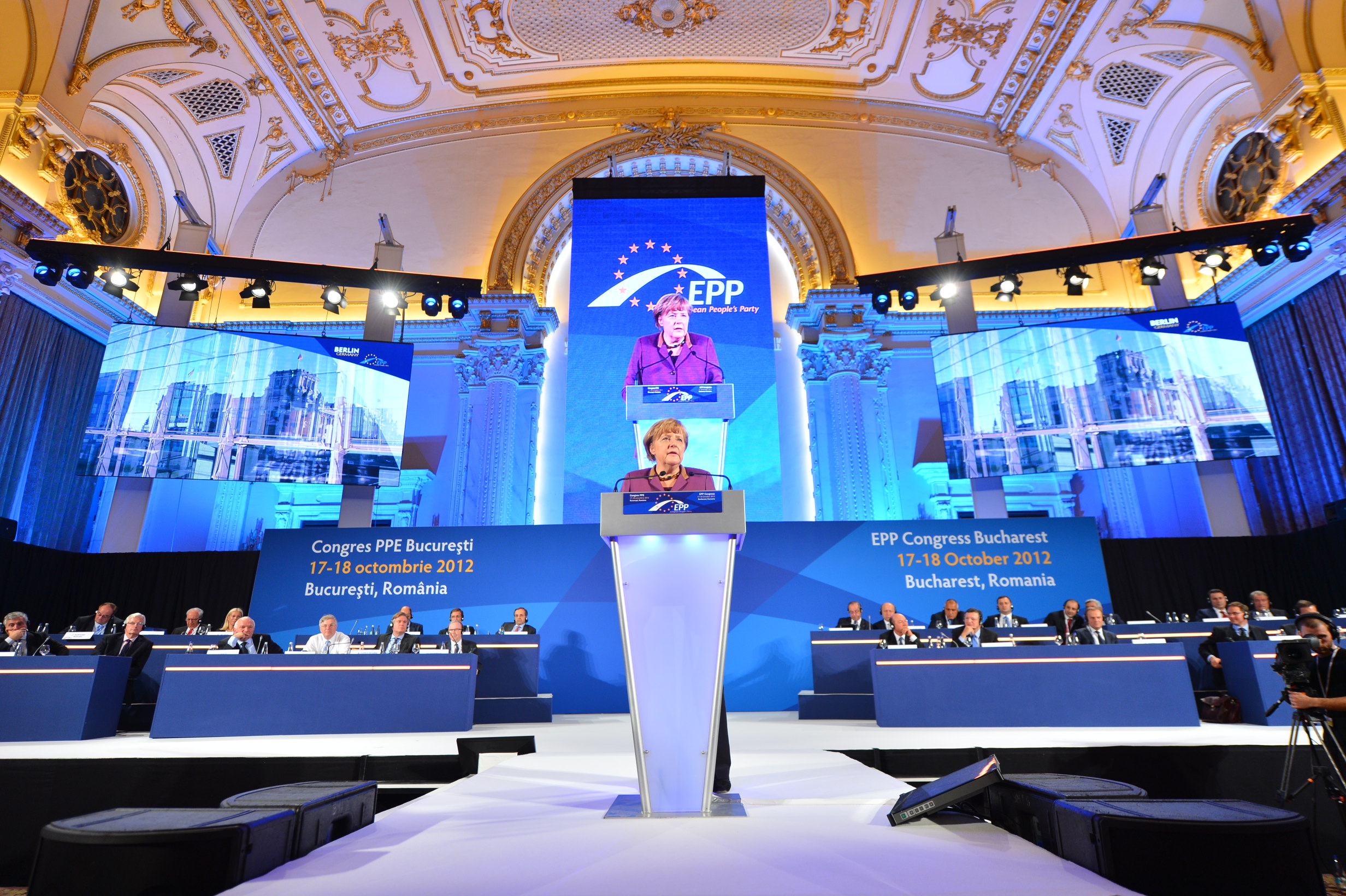
A concert LED screen serves two distinct functions, and confusing them leads to poor spec decisions. Know which goal you’re solving before you select hardware.
Visibility vs. Immersion
Visibility means that every audience member can read the stage clearly, no matter where they are sitting. Immersion means the visuals actually help determine the emotional path of the show. An extra-large screen is all you need to improve vision. A screen that does both is a tool for making things.
Stage Background LED Screens as Storytelling Canvases
The stage background LED screen is no longer a passive backdrop. Production teams now use it to shift atmosphere between songs. Slower moments call for dark, low-saturation visuals. Peaks use full-saturation color bursts. The screen drives the energy of the room, not just the lighting rig.
Which LED Screen Configurations Work Best for Concert Stages
No single screen layout fits every venue. The right configuration depends on venue size, audience spread, and whether the event is indoors or outdoors.
Main Screen, Side Screens, and Relay Screens
| Screen Type | Primary Function | Typical Pixel Pitch |
| Main backdrop | Storytelling, visual atmosphere | P2.6–P3.9 (indoor), P3.9–P5.9 (outdoor) |
| Side IMAG screens | Image magnification for far seats | P3.9–P5.9 |
| Relay screens | Extend coverage to blind spots | P3.9+ |
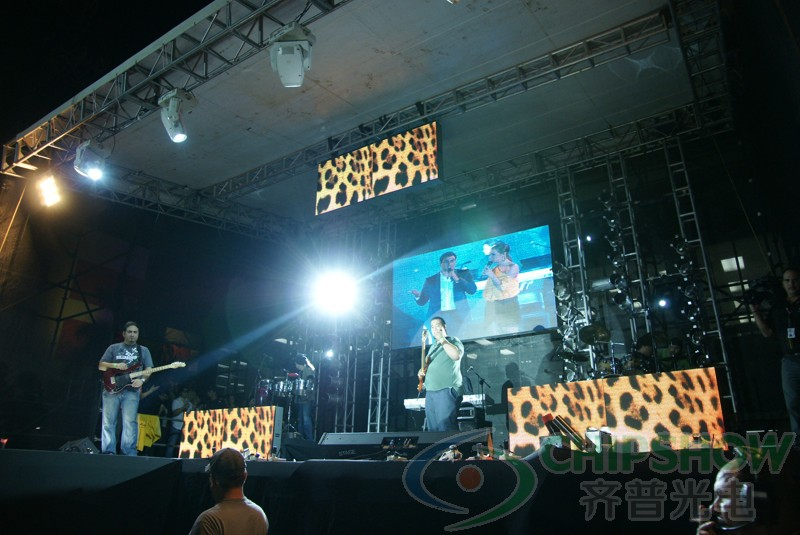
Side screens carry IMAG feeds so rear-section audiences get the same close-up access as front rows. Relay screens handle sightline gaps in irregular venues.
LED Floor Screens and Transparent Panels
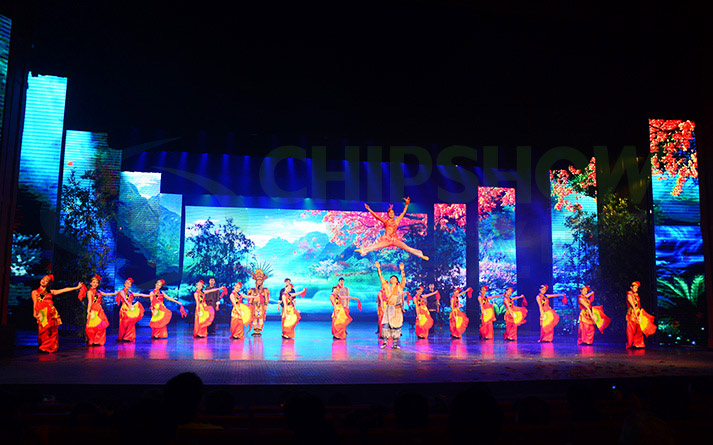
LED floor screens add a second visual plane beneath the performers. They require load-bearing ratings sufficient for performers and equipment. Confirm weight capacity before finalizing the spec.
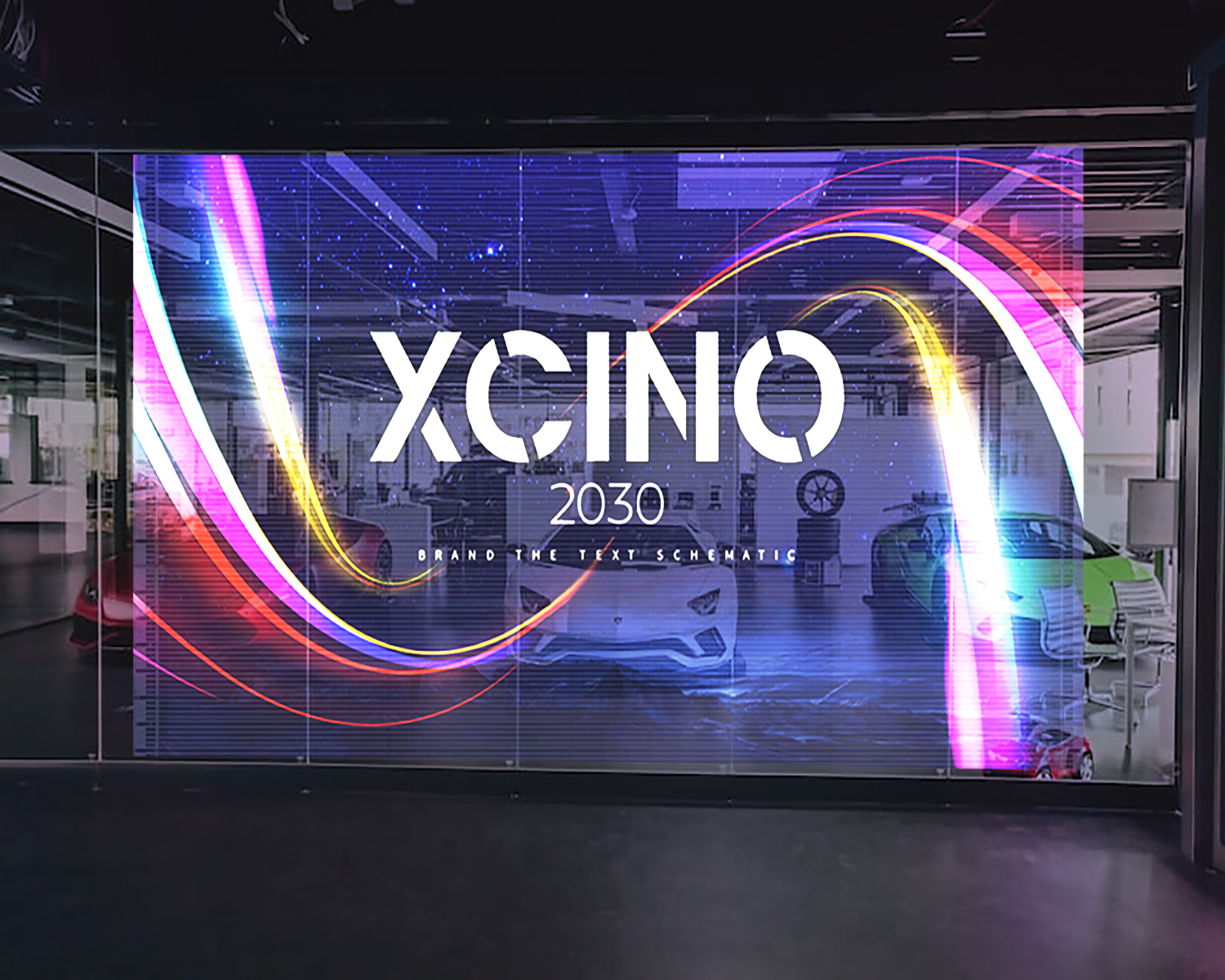
Transparent LED panels layer visuals in the foreground without blocking the stage depth behind them. Transparency percentage directly reduces brightness output, so outdoor daylight use is limited.
Indoor vs. Outdoor Concert LED Screens
| Spec | Indoor | Outdoor |
| Brightness | 800–1,500 nits | 4,500–10,000+ nits |
| IP Rating | Not required | IP65 front and rear |
| Pixel Pitch | P1.9–P3.9 | P3.9–P5.9 |
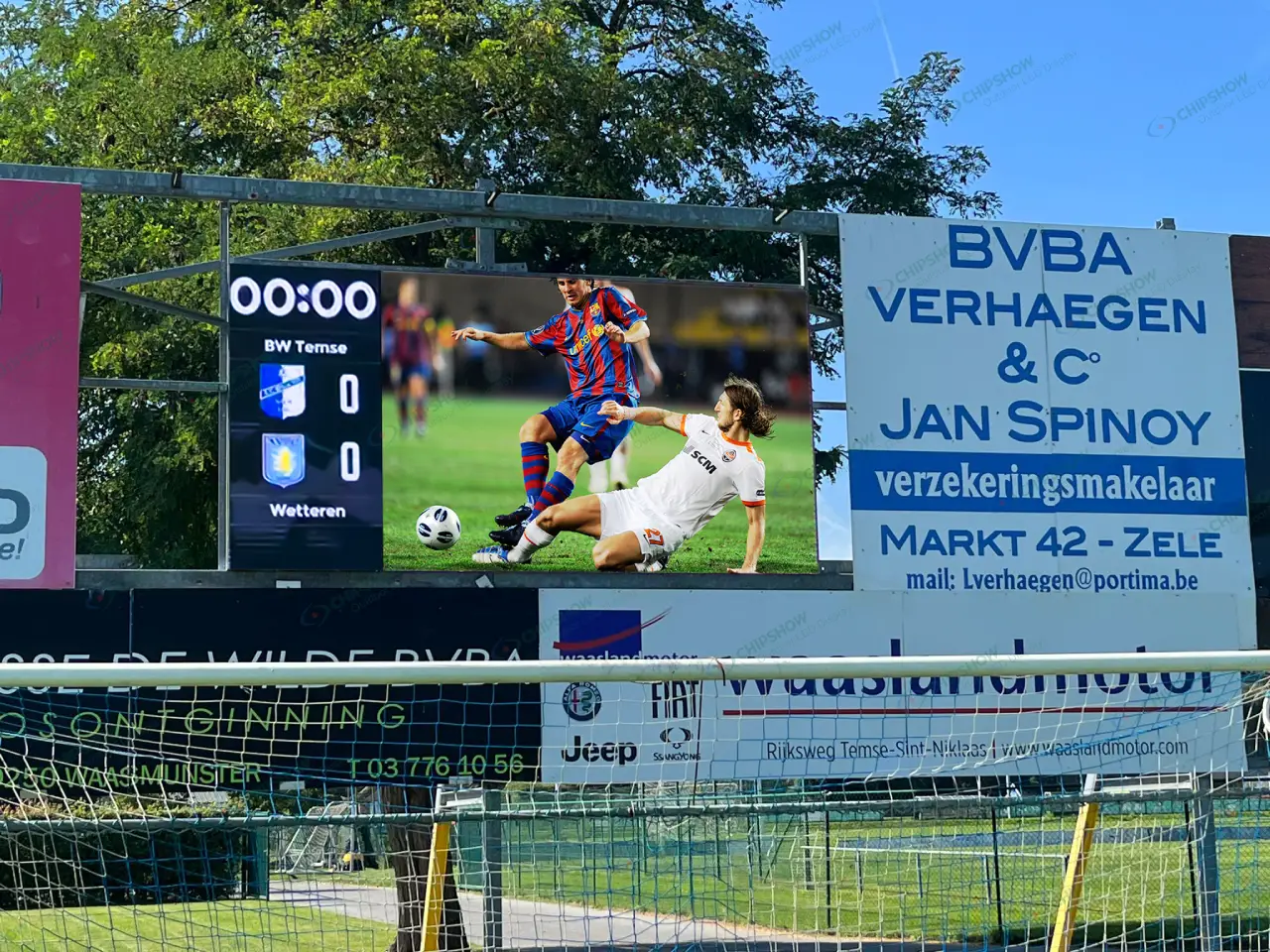
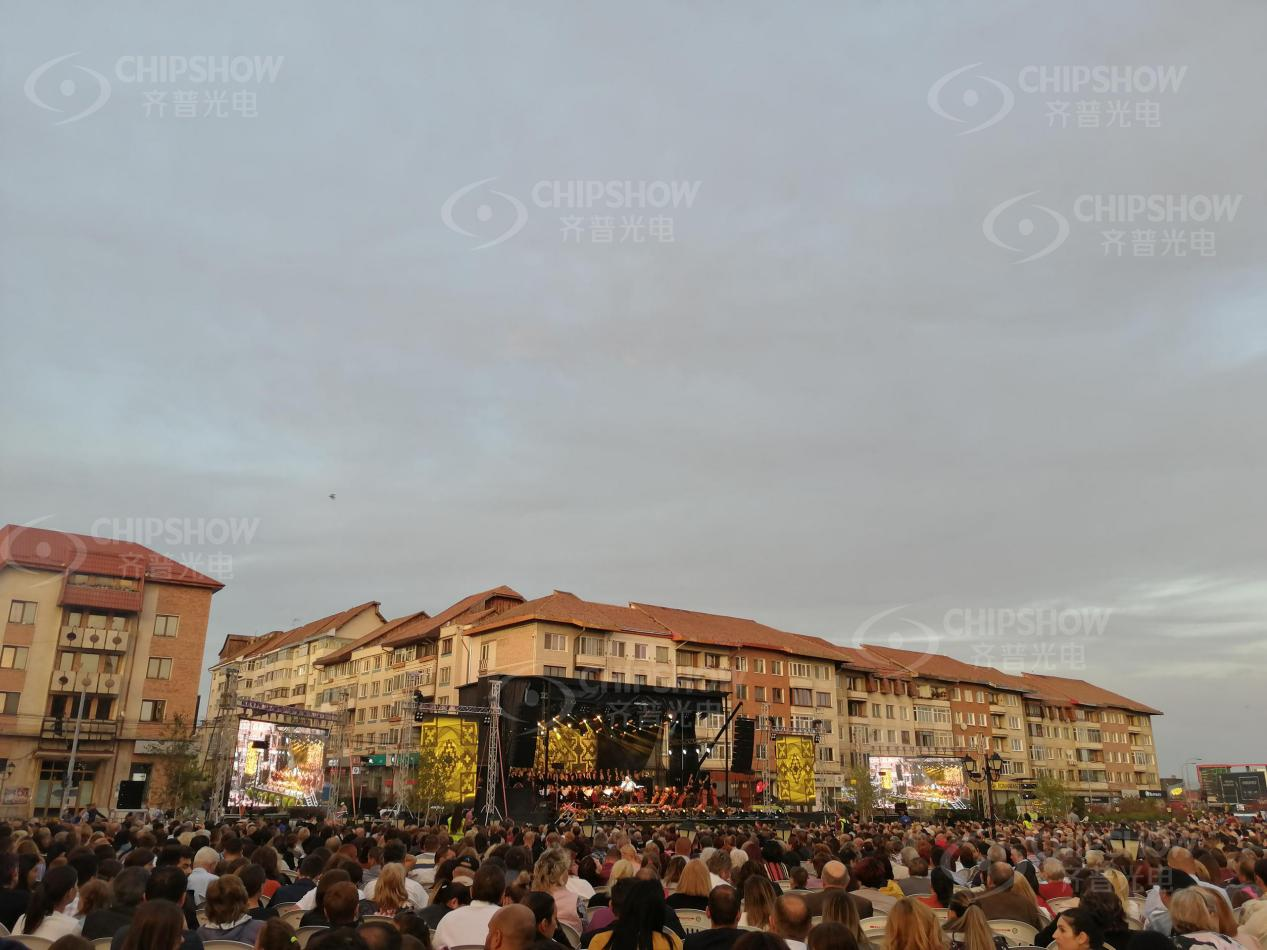
Large outdoor led display screens need sustained brightness above 4,500 nits to remain visible in daylight. IP65 protection on both front and rear panels is the minimum standard for exposed outdoor stages.
How Do You Design Visual Content That Actually Creates Immersion
Hardware sets the ceiling. Content determines whether you reach it.
Structure Visuals Around a Show Arc, Not Individual Songs
Effective concert visuals follow a four-stage arc:
- Pre-show: low-intensity, atmospheric; establishes mood without competing with audience energy
- Build: motion and color introduced gradually; primes the room for impact
- Emotional peak: maximum contrast and saturation; this is what the arc has been building toward
- Finale: high energy with a clean resolution; closes the visual story
Black screen moments are not failures. They create the contrast that makes peak hits land harder.
Synchronizing LED Content with Audio
Synchronization means anticipating emotional shifts, not matching visuals to the beat. A transition triggered one beat late reads as a production error to the audience, even if they cannot identify why. Use timecode-driven systems for pre-programmed content and reserve manual triggers for improvised or reactive segments. Latency between audio, lighting, and screen output must be tested and zeroed out during rehearsal, not during the show.
Common Mistakes That Break Immersion
| Pattern | What Goes Wrong |
| Continuous high-saturation motion graphics | Visual fatigue accumulates quickly. Audiences progressively stop registering the screen when high-saturation content runs without pause. |
| Mismatched visual style and genre | EDM flicker effects on an acoustic set read as a production error, not a creative choice. |
| Ignoring stage lighting spill | Screens appear washed out even at rated brightness; ambient light is a spec variable, not just a content variable. |
Renting panels designed for performance touring has been done with these conditions in mind: fanless silent running and brightness headroom. The specification and the content plan are not separate decisions. They inform each other from the outset.
How to Specify an LED Screen for Concerts
Choosing the right concert LED screen is not simply about finding the right spec sheet to match the budget. The decisions made at this stage will impact the image quality, setup time, and overall cost of the screen used in all the events.
Pixel Pitch Selection by Viewing Distance
Use this formula as a starting point: Minimum viewing distance (ft) ≈ 3 × Pixel Pitch (mm).
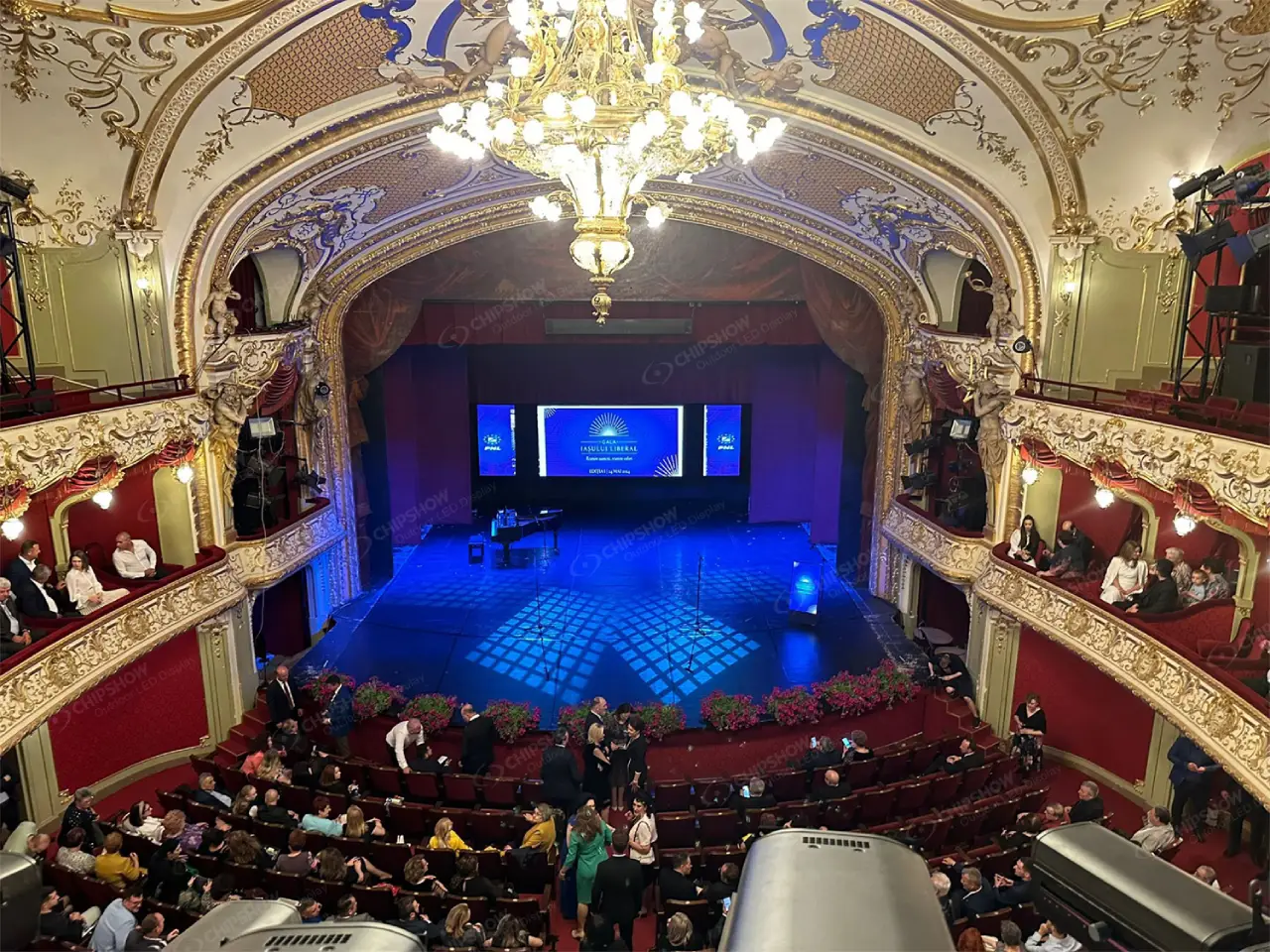
The comfortable viewing distance for a P3.9 screen is at least 11.7 feet. For a 500-seat indoor venue where the last row sits at 60 ft, P3.9 is well within range. Tighter pitches like P2.6 are appropriate for close-format corporate events where the audience is within 20 ft of the screen.
Avoid over-specifying the pixel pitch for large outdoor screens. At large viewing distances, the improved resolution is not visible to the audience anyway.
Cabinet Weight, Setup Speed, and Tour Durability
- Cabinet weight directly affects rigging structure cost and build time. Lighter panels reduce crew hours per setup.
- Quick-lock mechanisms allow single-technician cabinet connection, which matters across multi-city touring schedules.
- Corner protectors are not cosmetic. Edge damage during transport is the leading cause of pixel failures in touring rental inventory.
- IP65 protection on both front and rear panels is required for any outdoor touring application.
Refresh Rate and Camera Compatibility
The current industry standard for indoor LED displays is ≥3,840 Hz. At this threshold, moiré patterns are effectively eliminated for broadcast cameras and smartphone recording. For XR virtual production or high-frame-rate broadcast, ≥7,680 Hz is the appropriate specification.
Genlock is a synchronization protocol. It locks the rate of the LED screen to the frame rate of the broadcast camera. Without genlock, the recording picture has rolling bands that can’t be fixed after the fact.
Rental vs. Purchase: TCO for Event Companies
| Factor | Renting | Purchasing |
| Upfront cost | Low | High |
| Per-event cost at high frequency | Increases over time | Decreases per event |
| Flexibility for varied projects | High | Limited to owned inventory |
| Maintenance responsibility | Supplier | Owner |
The right answer depends on project frequency and format consistency. For buyers running frequent events in similar venues, purchasing a complete system typically delivers lower total cost over a three-year period. For those with irregular schedules or varied venue types, rental keeps upfront capital low and puts maintenance responsibility on the supplier.
What Are the Emerging Technologies Shaping Concert LED Experiences
These technologies are already in active use on touring productions.
Extended Reality (XR) Stages
In XR (Extended Reality) production, there is a camera tracking system, a media server, and an LED wall, all of which work together to create photorealistic backgrounds in real time, which change as the camera moves. This is like creating an effect where performers are standing in front of a completely created background. The origin of this process is from film and television production, but it has now entered event production and corporate keynotes. The minimum requirements for this process are ≥7,680 Hz and Genlock support.
AI-Driven Real-Time Visual Generation
Real-time AI visual generation systems can listen to the sound and make material that is synced with it without any files already being there. This affects teams that make material. Less time is spent getting ready, and more time is spent setting up the system and watching the show live.
360-Degree and Wraparound LED Configurations
Environments in which the audience is enveloped on all sides by LED display surfaces represent the current state of the art in concert immersion technologies. These configurations call for LED display panels with curved display capabilities, content management across multiple independent display surfaces, and increased rigging complexity compared to flat wall configurations.
Quick Reference: Stage LED Screen Specs by Venue Type
| Venue Type | Pixel Pitch | Min. Brightness | Refresh Rate | IP Rating |
| Indoor corporate / theater | P1.9–P2.6 | 800–1,200 nits | ≥3,840 Hz | Not required |
| Indoor concert (mid-large) | P2.6–P3.9 | 1,200–1,500 nits | ≥3,840 Hz | Not required |
| Semi-outdoor / covered stage | P2.9–P4.8 | 3,000–4,500 nits | ≥3,840 Hz | IP54 minimum |
| Fully outdoor festival stage | P3.9–P5.9 | 4,500+ nits | ≥3,840 Hz | IP65 front and rear |
| XR / broadcast production | P1.9–P2.9 | 800–1,500 nits | ≥7,680 Hz | Not required |
Pixel pitch selection starts with viewing distance. Brightness selection starts with ambient light conditions. Refresh rate selection starts with whether cameras are in the room.
Choose the Right LED Screen for Events Before the Next Build
It is important to note that the actual screen size is not the only factor for immersion but rather the actual specification matching for a precise level of immersion, content creation, and robust systems integration. The key is to always begin by calculating the viewing distances to establish the correct pixel pitch. Additionally, it is important to validate the brightness levels in relation to the ambient stage lighting and critically validate the refresh rate and Genlock compatibility before any broadcast application is locked into the calendar.
FAQs About LED Screens for Events
Q1. What Brightness Do Outdoor Concert LED Screens Need?
People must be able to see the LED signs at outdoor events, which means they must stay bright at least 4,500 nits. For the open area to be seen, the brightness must be at least 4,500 nits. The light has to be between 3,000 and 4,500 nits for the stage that is partly outside. When you figure out the lighting, you need to take into account things like the stage lights.
Q2. What Is Included in a Complete LED Wall System Beyond the Panels?
A full LED wall system goes well beyond the panels you see on stage. Rigging frames hold the cabinets in place, a media server handles content playback, and a content management system keeps the visuals consistent across every screen. Power distribution units and signal cables are also part of the setup. For broadcast or XR productions, the system will need a few extra pieces: timecode controllers, signal processors, and genlock-compatible devices.
Q3. Is Outdoor LED Display Rental Better Than Buying for a Production Company?
This would rely on how often the events happen and how consistent the venues are. If a production company puts on a lot of events at similar venues over the course of three years, the purchase choice would be cheaper overall. Rental would keep capital costs low and pass on maintenance costs to the supplier for people who don’t have many events and use a lot of different sites.
Q4. Can LED Floor Screens Support the Weight of Performers?
It’s important to remember that the rating an LED floor screen needs must be able to hold the artist and all of their gear. This is not a minor thought; it is the most important thing that needs to be said. It is important to remember that the load rating that the floor screen needs should be gotten from the maker and then compared to the real performance needs. The reason for this is to make sure that the performer’s weight and other tools don’t damage the floor screen, especially if the performer is with other artists.
Q5. What is the role of XR (Extended Reality) in modern stage design?
For XR production, you need a camera tracking system, a media server, and an LED wall. These all work together to make backgrounds that look like photos in real time. This makes it look like the artist is standing in the background because the backgrounds change as the camera moves. It needs Genlock support and frame rates of at least 7,680 Hz.
Q6. What Are the “Hidden Costs” When Renting LED Screens for a Concert?
Besides the screens, the budget might not cover the signal processing systems, special rigging gear, or power transfer systems. With 2026 in mind, the extra costs could include licensing fees for content management tools and “sustainability fees” for using less power. Make sure that the quote includes the cost of technical support staff and emergency module replacements.