

A transparent LED screen involves more than panel price. Viewing distance, ambient light, transparency, pixel pitch, structure, and maintenance access all affect project performance and cost. Retail windows, commercial façades, outdoor DOOH sites, and rental stages each require a different configuration.
How Does a Transparent LED Screen Work
Transparent displays leave open space between active LED components, allowing light and background views to remain visible.
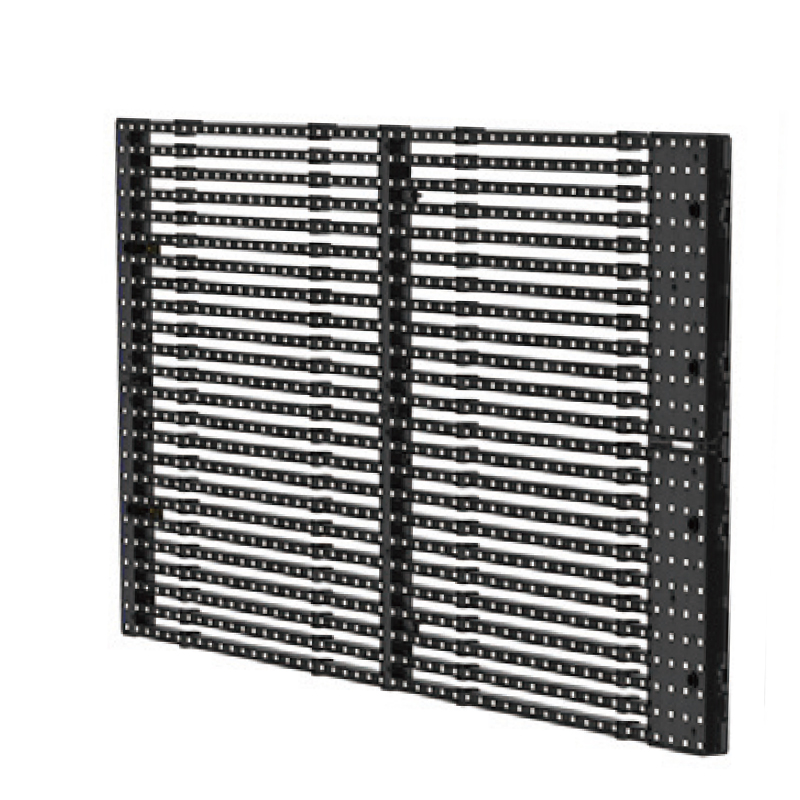
LED Strips, Pixel Pitch, and Open Space
Transparent modules place LED pixels on narrow strips, bars, or mesh sections. The gaps between these components create the see-through effect.
Pixel pitch measures the distance between pixel centers. Some transparent displays use different horizontal and vertical pitch values.
A smaller pitch adds pixel density and improves close-range detail. It also reduces open space and usually raises the hardware price.
Transparency Rate and Image Visibility
Transparency rate describes how much open area remains across the display. It does not show image quality or daylight visibility on its own.
Higher transparency preserves more daylight and background visibility. Lower transparency can provide denser pixels and fuller image coverage.
Window coatings, reflections, direct sunlight, and indoor lighting all affect perceived contrast. Testing sample content at the project site gives a clearer result than studio images.
Bright graphics on dark backgrounds often remain easier to read. Black areas use unlit pixels, so the background remains visible through them.
Viewing Distance and Resolution Balance
Viewing distance should guide pixel pitch during early planning. Extra pixel density may add cost without a visible benefit at longer distances.
Many integrators estimate minimum viewing distance with the following formula:
Minimum viewing distance in feet ≈ pixel pitch in millimeters × 3
A 3.9 mm (0.15 in) pitch gives an estimated distance of 3.6 m (12 ft). A 10.4 mm (0.41 in) pitch gives an estimated distance of 9.5 m (31 ft).
Use these figures for early planning only. Content detail, screen size, viewing angle, and site testing also affect the final selection.
What Affects Transparent LED Screen Price
Transparent LED screen price covers much more than the display area. Structure, control equipment, electrical work, installation, and maintenance access can change the total quote.
| Cost Driver | How It Affects Price | What Buyers Should Confirm |
| Screen area and dimensions | Larger screens need additional modules, power, data, and mounting support. | Confirm the active area, overall size, and module layout. |
| Pixel pitch | Smaller pitch usually requires more LEDs and greater processing capacity. | Match the pitch to viewing distance and content detail. |
| Brightness and transparency | Higher output and specialized strip designs require different components. | Test both values under actual site lighting. |
| Environmental protection | Outdoor exposure requires sealing, drainage, corrosion control, and heat management. | Define indoor, behind-glass, sheltered, or fully exposed use. |
| Structure and installation | Frames, anchors, lifting equipment, and labor add project costs. | Request separate prices for structure and installation. |
| Control and power | Processors, receiving equipment, cabling, and power distribution affect the system price. | Review the complete signal and power design. |
An itemized quote makes different proposals easier to compare. A low panel price may exclude several major project costs.
Screen Size and Custom Dimensions
Standard cabinet sizes simplify layout planning, installation, and spare-part management. Custom strips and irregular shapes require additional design work.
The active display area may differ from the final installed size. Frames, gaps, cable routes, and maintenance zones can increase the overall footprint.
Request drawings that show both dimensions. They should also show cabinet divisions and service clearances.
Pixel Pitch, Brightness, and Transparency Level
Smaller pixel pitch usually increases hardware cost. Higher brightness may require different LEDs, drivers, power supplies, and cooling arrangements.
Transparency also changes with strip spacing and pixel density. More open space can preserve views but reduce image coverage.
These specifications need to work together. Reviewing each figure separately can produce an unbalanced configuration.
Indoor, Outdoor, and Sheltered Requirements
A transparent LED display behind glass faces different risks from a screen mounted on an exposed façade.
Outdoor systems need suitable protection against water, dust, heat, corrosion, and wind. Drainage and cable sealing also need attention.
Sheltered locations can still face condensation, reflected heat, cleaning water, or moisture. Site conditions should be clearly stated in the quotation documents.
Control System, Structure, and Installation Cost
A complete quotation should cover the following project elements:
Total project cost = hardware + control + structure + electrical work + installation + freight + spares + final testing
The quotation should also state exclusions, warranty coverage, service responsibilities, and spare-part quantities.
Clear cost categories reduce unexpected charges during installation.
Which Transparent LED Screen Fits Your Project Type
Screen design should follow the site, content, operating schedule, and maintenance process.
| Project Type | Main Priority | Suitable Configuration | Common Procurement Risk |
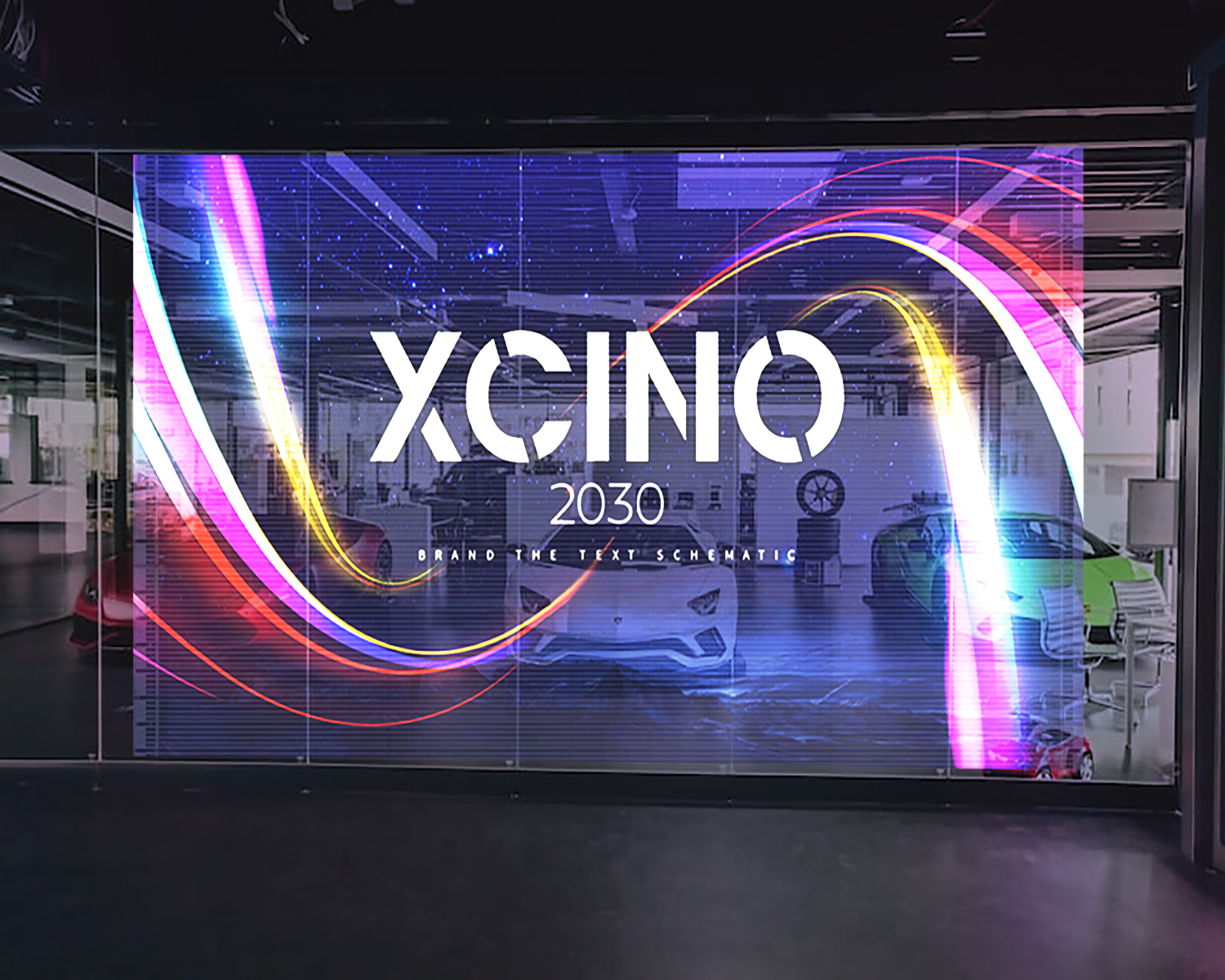
| Retail window | Daylight contrast and merchandise visibility | Indoor or behind-glass transparent display | Reflections and poor daytime contrast |
| Commercial façade | Structural integration and service access | Fixed transparent or custom mesh system | Unverified loads or limited maintenance space |
| Outdoor DOOH | Daylight visibility and weather resistance | Outdoor-rated transparent display | Insufficient output or difficult servicing |
| Stage rental | Weight, rigging speed, handling strength, and camera performance | Rental transparent or mesh cabinets | Slow assembly and high transport costs |
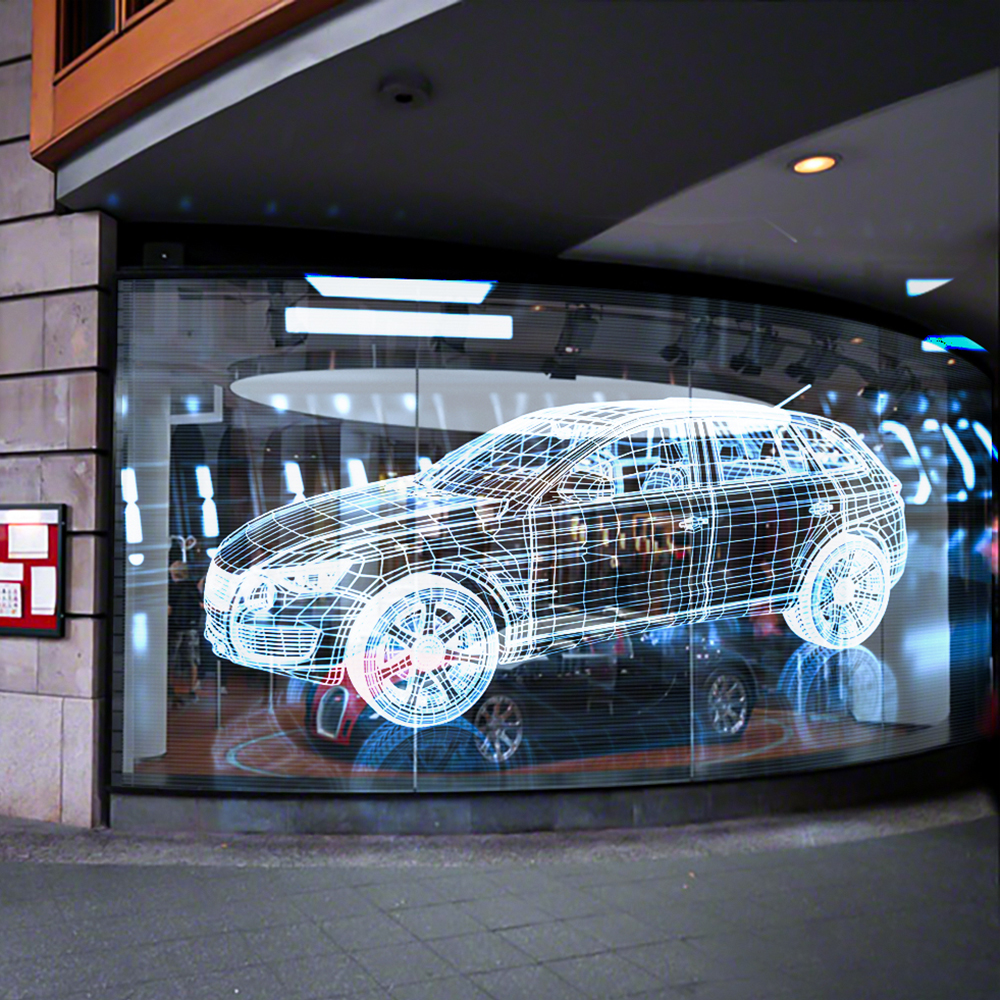
Retail Window Displays for Street-Facing Stores
A transparent LED screen for window advertising should leave products and interior displays visible.
Pedestrian distance, window direction, reflections, and content style all affect performance. Street-facing glass with direct sunlight may need stronger output.
Behind-glass installation reduces direct weather exposure. Heat buildup and cleaning access still require planning.
Cable routes should remain discreet without blocking ventilation or maintenance access.
Glass Façades for Malls and Commercial Buildings
Panel joints should line up with window frames and architectural divisions. Poor alignment can look uneven while the screen is switched off.
The structural plan should cover attachment points, display weight, frame weight, wind loads, and technician access.
A qualified structural engineer should approve the mounting design. Glass panels should never carry loads unless the façade system permits them.
Custom strip lengths can follow existing window patterns. They may also reduce visible framing across the façade.
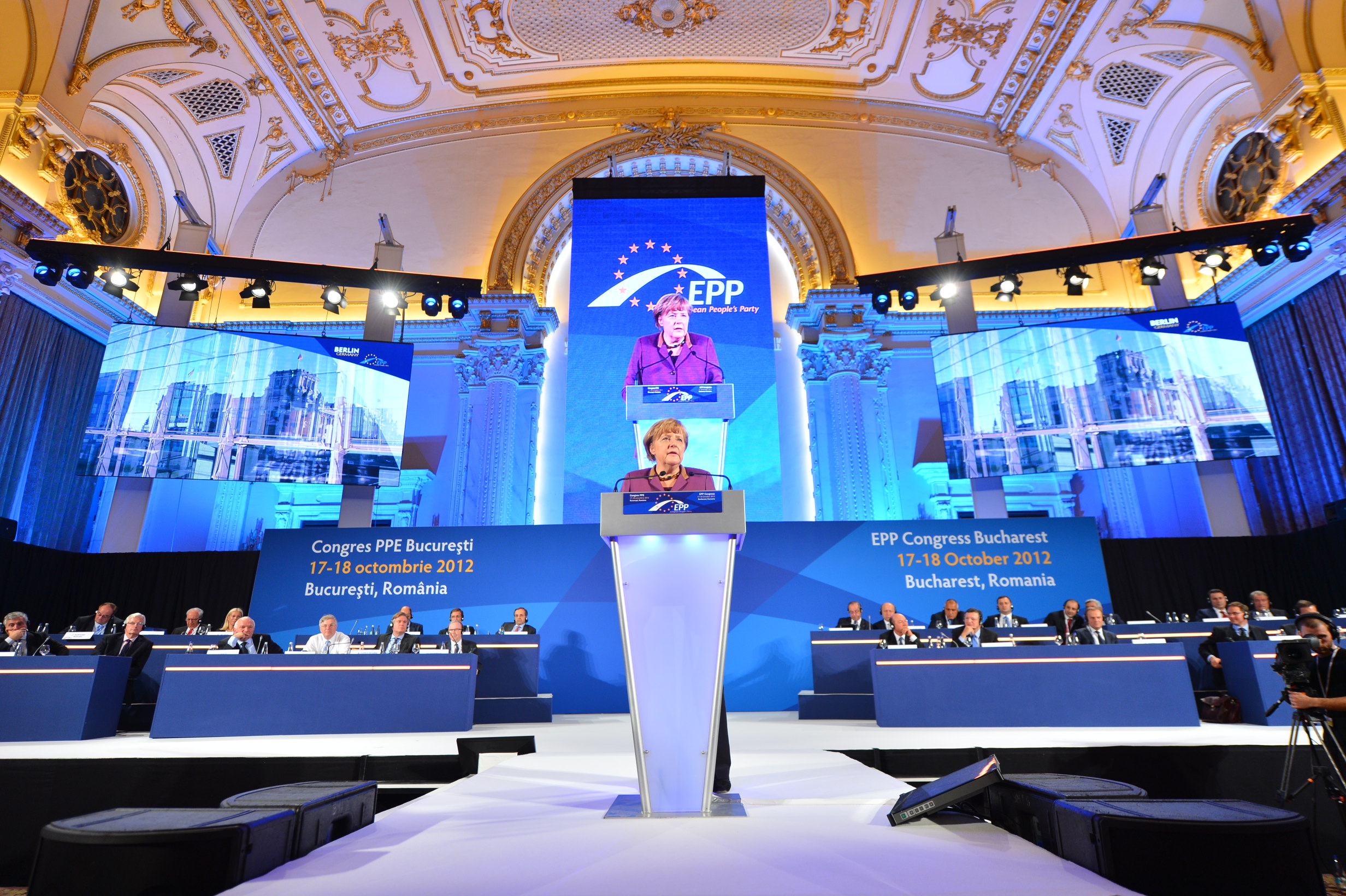
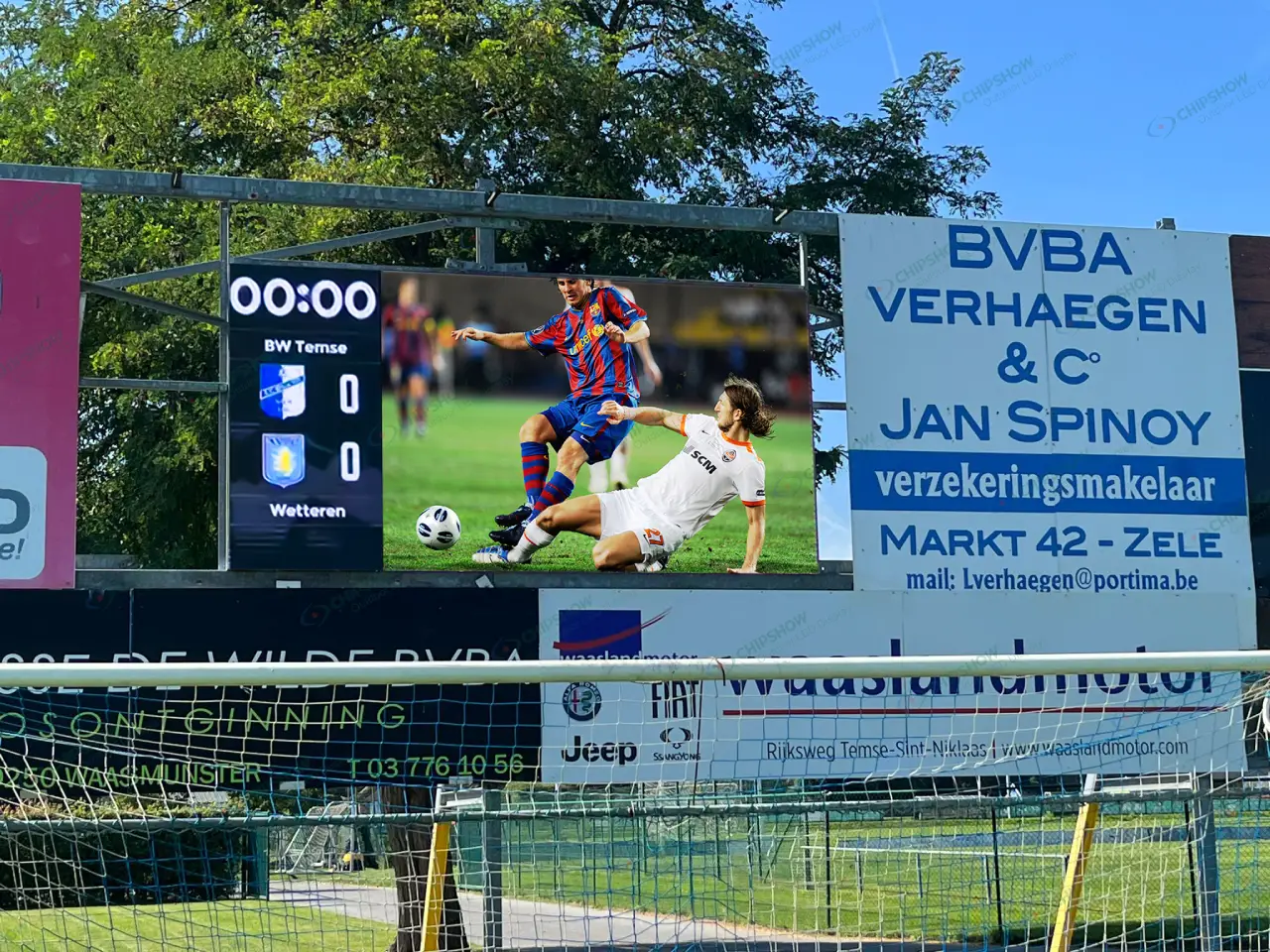
Outdoor Transparent LED Screens for DOOH Projects
Outdoor DOOH projects require clear daytime content, stable weather protection, safe structural support, and manageable service access.
The C-Trans Façade P10.41 is designed for long-view curtain-wall media installations. It offers 58% transparency, 4,500 nits, IP65 protection, and front or rear servicing.
Each cabinet measures 1,000 × 500 × 80 mm (39.4 × 19.7 × 3.1 in). Cabinet weight is 7.5 kg (16.5 lb).
Its open design preserves daylight and outward views. Final visibility and structural performance still require site-specific testing and engineering approval.
Media owners should also review power schedules, spare-part stock, service response, and access costs.
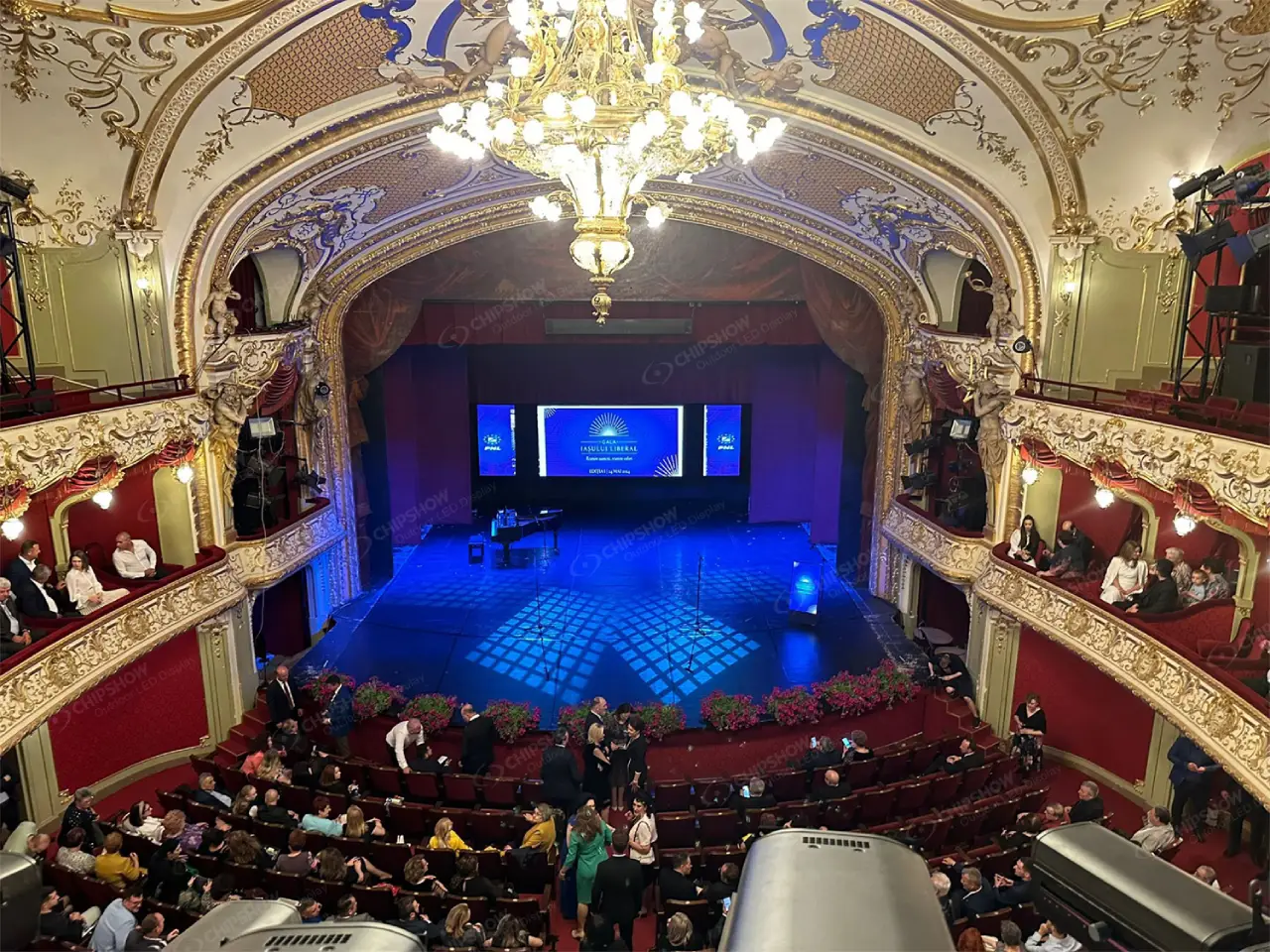
Rental and Mesh LED Screens for Stage Events
Rental companies usually focus on cabinet weight, locking speed, alignment, transport volume, and repeated handling.
Outdoor rental screens also need suitable water and dust protection. Power and signal connections should remain secure during assembly and operation.
A 3,840 Hz refresh rate suits many camera-facing events. Some XR and live broadcast projects may specify 7,680 Hz.
Higher refresh rates can reduce visible flicker and scan artifacts on camera. Optical moiré comes from spatial patterns and needs separate control.
What Specifications Matter Most for a Transparent LED Display
Each specification should connect to a real site condition, visual requirement, or operating cost.
| Specification | Project Impact | Information to Request |
| Pixel pitch | Controls visible detail at the nearest viewing distance. | Module resolution and total screen resolution |
| Transparency | Affects daylight, sightlines, wind passage, and image coverage. | Tested transparency for the quoted configuration |
| Brightness | Affects contrast under surrounding light. | Calibrated operating range and dimming controls |
| Refresh rate | Affects flicker and scan artifacts during camera capture. | Verified refresh rate for the supplied configuration |
| IP rating | Describes enclosure resistance to dust and water. | Front and rear ratings, where applicable |
| Cabinet weight | Affects freight, structural load, handling, and rigging. | Complete cabinet weight and area load |
| Service access | Affects repair time and required clearance. | Removal methods for modules, power units, and controls |
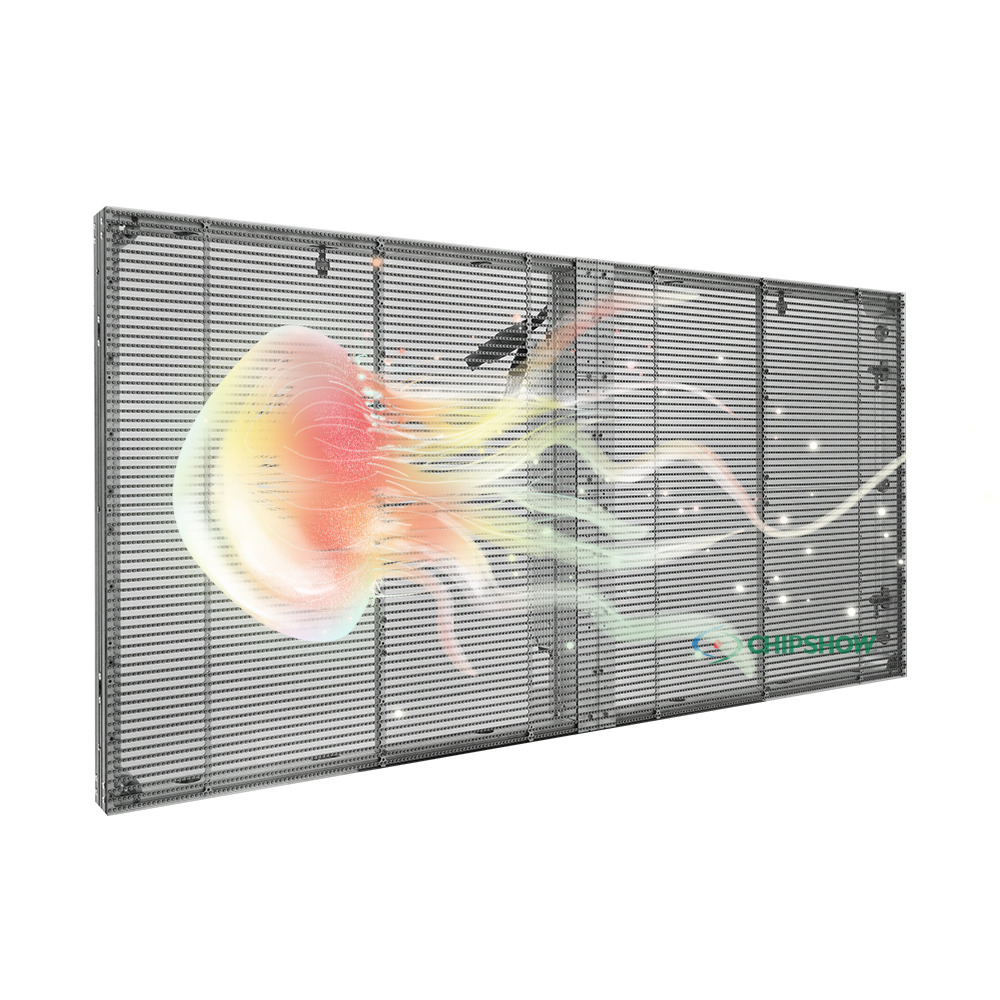
Pixel Pitch Based on Real Viewing Distance
Measure the shortest expected viewing distance. Then review text size, content detail, and total screen dimensions.
Large retail graphics can use a wider pitch than small pricing text. Façade content viewed from across a street rarely needs indoor fine-pitch density.
Ask for a content simulation at the screen’s actual resolution. A representative sample can also reveal visible strip patterns and text limitations.
Brightness and Transparency for Real Environments
Brightness needs to support visibility under actual light conditions. Excessive output can increase power use without improving the image.
Review the screen while powered on and off. Check daylight, background views, glass reflections, and nighttime appearance.
Normal operating brightness matters more than a peak figure. The supplier should provide calibrated settings and dimming options.
Refresh Rate, IP Rating, and Outdoor Reliability
A 3,840 Hz refresh rate is commonly specified for commercial displays that appear on camera.
IEC 60529 defines protection against dust and water entering an enclosure. An IP65 rating does not approve the structure, cables, connectors, or complete installation.
Outdoor performance also relies on drainage, thermal control, corrosion protection, and sealed cable routing.
Cabinet Weight, Flatness, and Service Access
Weight figures should include the complete cabinet and installed electronic components. Mounting hardware may need a separate area-load calculation.
Cabinet flatness and alignment affect seam visibility. Ask for assembly tolerances, calibration methods, and project acceptance standards.
Front access suits displays installed close to walls or glass. Rear access works well where a safe maintenance aisle is available.
What Should Buyers Check Prior to Installation
Installation planning should take place alongside quotation, structural design, and electrical coordination.
Glass Structure and Load Capacity
Confirm the glass type, window-frame spacing, permitted attachment points, and structural load limits.
The engineering review should cover display weight, mounting-frame weight, wind actions, and service loads.
Mounting Method, Power Supply, and Cable Routing
The mounting plan should specify wall support, hanging, floor support, truss installation, or behind-glass mounting.
Electrical planning should cover supply voltage, circuit capacity, grounding, isolation, and spare capacity.
Power and data routes should appear in fabrication drawings. Concealed cables still need accessible service points.
Front and Rear Maintenance Access
The maintenance plan should explain how technicians remove modules, receiving cards, power supplies, and control boxes.
Check tool clearance, lifting access, safe working positions, and temporary panel storage.
Spare inventory should include labeled modules, receiving cards, power supplies, and compatible connection parts.
Written replacement procedures can reduce downtime during live campaigns or events.
Local Permits and Outdoor Advertising Limits
Local rules may cover sign permits, building approval, electrical work, fire safety, and façade changes.
Some areas also regulate brightness, animation, operating hours, road-facing content, and screen placement.
Approval periods can affect the project schedule. The local authority should confirm all permit requirements during early design.
Evaluate Total Project Value for Your Transparent LED Screen
Compare complete project proposals based on pixel pitch, transparency, brightness, structure, service access, power, and installation needs. Share the screen size, viewing distance, site photos, exposure conditions, and maintenance access with the supplier. These details support a more accurate quotation and reduce costly changes during installation.
FAQs
Q1. Can a Transparent LED Screen Display Black?
No, not as a solid black surface. Black pixels remain unlit, so the background stays visible through the open areas. Dark content appears clearer against controlled or darker surroundings. Reflections, bright daylight, and busy backgrounds can reduce contrast.
Q2. Can a Transparent LED Screen Be Viewed From Both Sides?
Usually not as a fully readable two-sided display. Standard transparent LED screens are designed for one main viewing direction. From the rear, content may appear reversed or partly blocked by electronic parts. Two-sided viewing requires a dedicated dual-sided setup or two separate display surfaces.
Q3. What Is the Difference Between Transparent LED Film and LED Mesh?
LED film suits lightweight glass installations, while LED mesh works better for larger façades and stages. Film mounts closely to glass and keeps the structure slim. Mesh uses open strips or framed modules, which often provide better service access and easier component replacement.
Q4. Can a Transparent LED Screen Play Standard Video Content?
Yes. It can display videos, images, text, live feeds, and scheduled advertising. Content should fit the installed resolution and aspect ratio. Bright graphics, larger text, and clean layouts usually appear clearer than dark scenes or highly detailed visuals.
Q5. How Should a Transparent LED Screen Be Cleaned?
Power down and isolate the display first. Remove loose dust with approved soft or anti-static tools. Never spray cleaning liquid directly onto modules, cables, or connectors. Outdoor screens also need routine checks for drainage, seals, corrosion, and blocked ventilation paths.