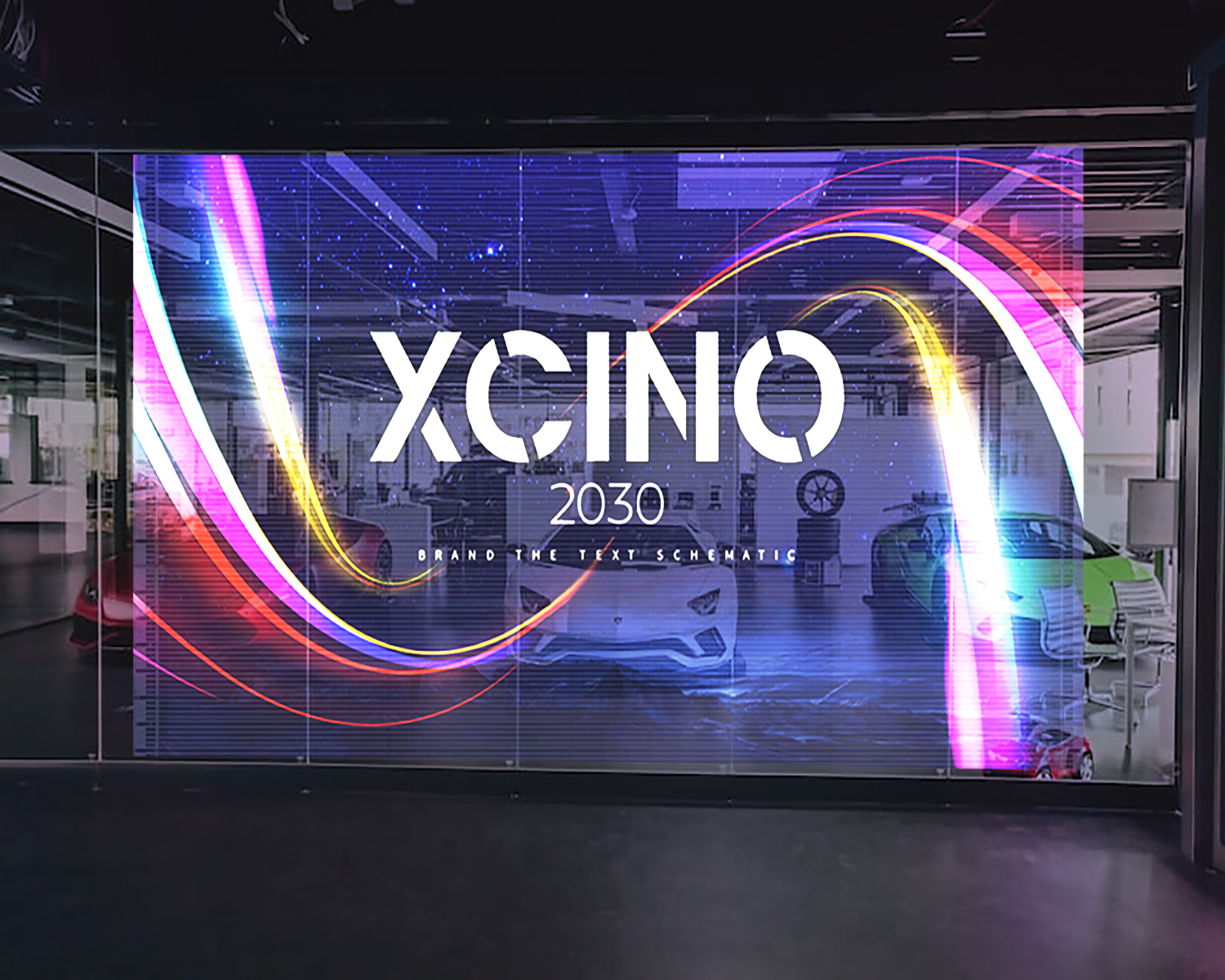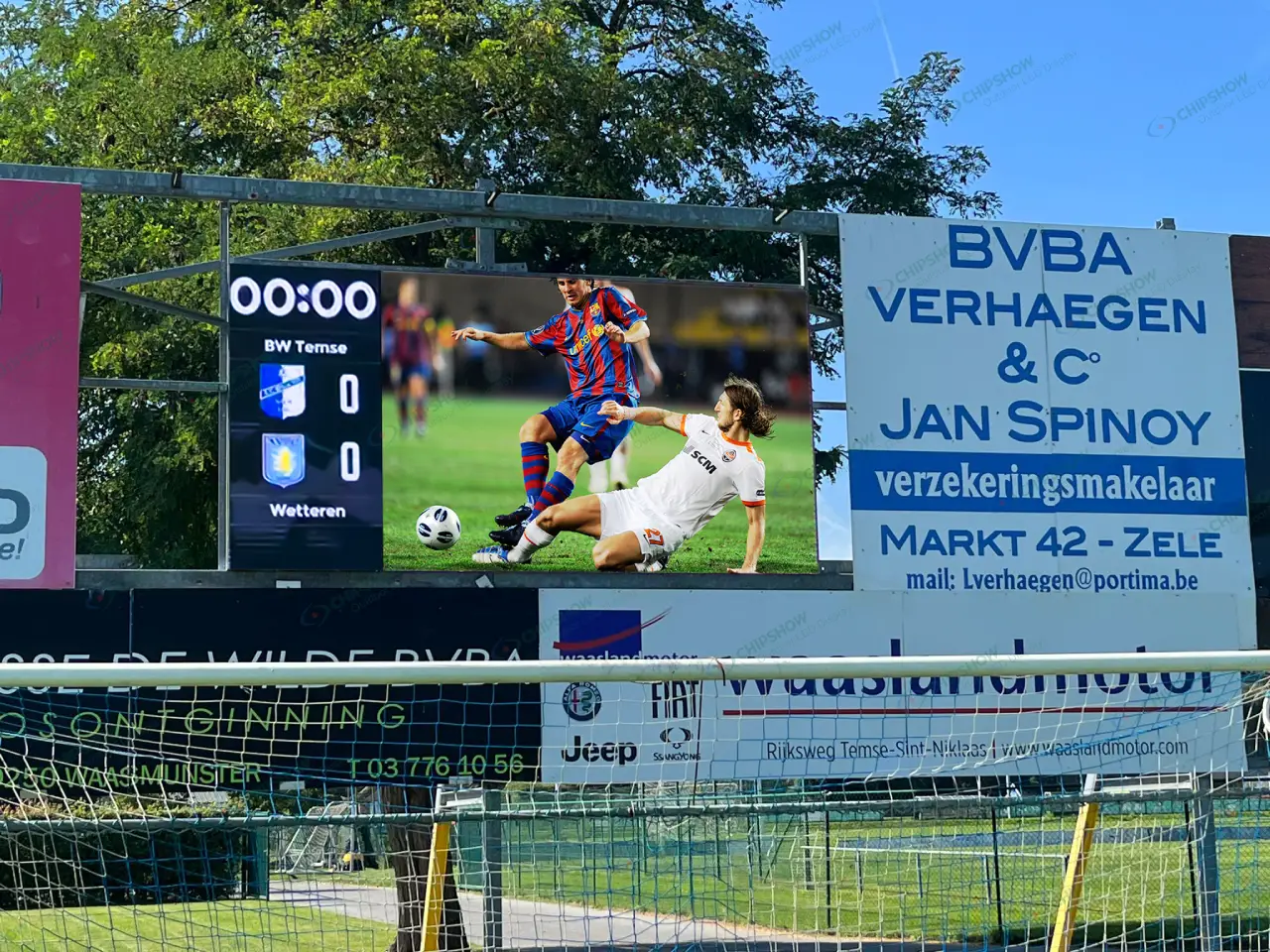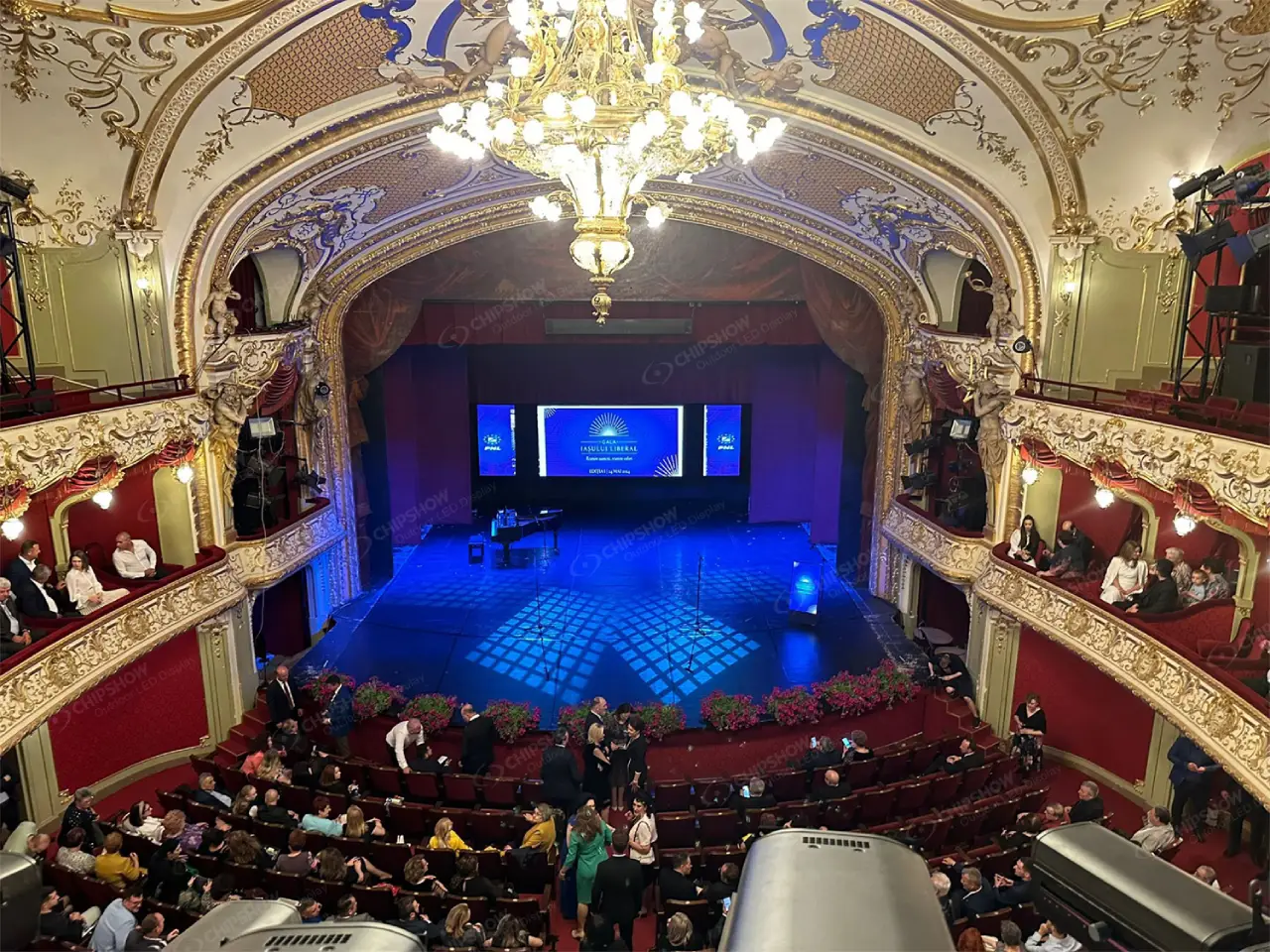


A transparent LED window display is transforming modern retail by merging physical spaces with digital content. Traditional storefronts often struggle to capture consumer attention. However, retailers implementing a transparent LED screen for retail achieve superior commercial results. They effectively capture pedestrian traffic while preserving natural light transmission. Their sleek architecture and high-definition visuals convert standard glass into dynamic storefront LED displays that generate meaningful commercial interest.
Mechanism and Operation of Transparent LED Displays
The shift from traditional posters to digital screens brings new technical capabilities to storefronts. Hardware developers have engineered glass LED displays that blend seamlessly into existing commercial buildings.
Side-Emitting Versus Front-Emitting Diodes
Engineers utilize two primary methods to manufacture these transparent panels. For front-emitting diodes, the LEDs face directly outward. They are highly reliable and structurally efficient. Side-emitting diodes project light from the edge of the panel, allowing for a significantly thinner structure. This profile maximizes the open space and transparency within the module.
Achievement of High Visibility Without Light Blockage
To increase visibility without blocking light, transparent screens use hollow louvers instead of normal digital signs that block out incoming light. Take the Chipshow P10.41SMD outdoor model; it allows 58% of the light through. Its indoor counterpart, the Chipshow P3.97-7.8, lets in even more at 68% or higher. As a result, people outside can easily read the marketing content, and those inside still get a bright, unobstructed view.
Lightweight Design for Modern Retail Interiors
Traditional video walls need heavy steel frames, but modern transparent panels use die-cast aluminum or aluminum profile cabinets instead. The Chipshow P3.97-7.8 features a highly lightweight profile, weighing just 12 kilograms per square meter. A single P10.41SMD cabinet weighs only seven and a half kilograms. Due to this lightweight architecture, installers can mount them efficiently using standard ceiling anchors. This means less need for expensive structural reinforcements in most stores.
LED Encapsulation and Component Quality
When it comes to quality, high-end transparent panels feature top-tier surface-mount device tech. For instance, the Chipshow P10.41SMD utilizes robust SMD2727 encapsulation that protects its diodes. The P3.97-7.8 model uses SMD1921 encapsulation too. These high-precision surface-mount devices emit exact red, green, and blue wavelengths. Then, technicians fine-tune these wavelengths to make millions of precise color combinations. By utilizing premium components, color reproduction remains vivid without degrading over time.
Key Commercial Benefits for Retail Environments
The following are some commercial benefits that the introduction of digital technology into the façade architecture brings to the owner of the store.
Enhancement of Storefront Curb Appeal
Digital screens turn plain glass into a dynamic showcase. Consumers frequently record these installations and share them online, leading to organic social media exposure and increased foot traffic, which significantly boosts a store’s curb appeal.
Preservation of Natural Store Lighting
Adequate ambient lighting is critical for retail environments. A retail LED window screen preserves the open-concept design preferred by contemporary architects. Customers will enjoy shopping under natural light, while a brighter environment always promotes a good mood for shopping.
Rapid Updates for Seasonal Campaigns
Retail teams spend countless hours building physical window sets. Digital panels eliminate this heavy manual labor entirely. Managers can launch a new holiday promotion with a single software upload. Brands can pivot their marketing messages instantly based on local weather conditions.
Recommended Application Scenarios & Product Matching
To maximize ROI, selecting the correct hardware for your specific commercial environment is crucial. The table below outlines the recommended specifications and Chipshow models for various retail scenarios:
|
Application Scenario |
Recommended Pitch |
Brightness (nits) |
Transparency |
IP Level |
Recommended Chipshow Model |
|
Luxury Storefront |
3.97-7.81mm |
3000-3500 |
≥68% |
IP30 |
Chipshow P3.97-7.8 (Indoor Window) |
|
Shopping Mall Atrium |
3.97-7.81mm |
3000-3500 |
≥68% |
IP30 |
Chipshow P3.97-7.8 (Indoor Window) |
|
Indoor Product Backdrop |
3.97-7.81mm |
3000-3500 |
≥68% |
IP30 |
Chipshow P3.97-7.8 (Indoor Window) |
|
Glass Curtain Wall |
10.41mm |
≥4500 |
58% |
IP65 |
Chipshow P10.41SMD (Outdoor) |
|
Outdoor Street Window |
10.41mm |
≥4500 |
58% |
IP65 |
Chipshow P10.41SMD (Outdoor) |
Clear Product Deployment Strategy
As illustrated, different environments dictate strict hardware choices. The Chipshow P10.41SMD is engineered specifically for outdoor storefronts, exterior street-facing windows, and large glass facades where high brightness and weatherproofing (IP65) are mandatory. Conversely, the Chipshow P3.97-7.8 is the optimal choice for indoor windows, a transparent LED display for shopping mall atriums, and luxury in-store backdrops, where close viewing distance (tighter pixel pitch) and maximum transparency are prioritized.
Technical Specifications Defining Display Quality
When procuring display screens for commercial use, buyers must evaluate strict technical parameters to ensure optimal performance.
Pixel Pitch and Optimal Viewing Distance
Pixel pitch is the physical distance between LED lamps. Smaller pixel pitches provide superior resolution for close-up viewing. The Chipshow P3.97-7.8 features an excellent pitch for indoor pedestrian viewing. In contrast, the Chipshow P10.41SMD utilizes a 10.41mm pitch, making it perfectly optimized for larger, outdoor viewing distances.
Brightness Levels for Ambient Sunlight
Intense natural light often degrades the visibility of standard displays in storefront windows. High-brightness LED screens resolve this by outputting significant luminance, measured in nits. For outdoor applications, Chipshow P10.41SMD has a great level of brightness with more than 4500 nits. However, the indoor variant P3.97-7.8 produces around 3000 to 3500 nits.
Energy Efficiency and Power Consumption
High-end transparent displays incorporate intelligent power supply systems that address power factor issues, thereby conserving energy. Efficient components mean reduced energy use. This is seen by the fact that the P10.41SMD requires less than 260 watts per square meter.
Refresh Rates and Grayscale Performance
Smooth video playback requires robust internal processing hardware. The Chipshow P10.41SMD model features a remarkable 3840Hz refresh rate. High refresh rates prevent annoying flicker when customers record the screen on their smartphones. Both the P10.41SMD and P3.97-7.8 models utilize high-level grayscale processing. The fourteen-bit and sixteen-bit grayscale levels ensure color transitions appear incredibly natural. Vibrant color reproduction makes high-fashion marketing videos look highly professional.
Integration of Software Control Systems
The display hardware requires reliable software support that would allow for the operation of content on a daily basis. Chipshow accomplishes this task through the use of Nova control systems that work in harmony with their crystal panels. Moreover, such integration fits seamlessly well with standard Windows systems. As a result, store managers will be able to configure varying video playlists to match morning, afternoon, and nighttime hours. In addition, network control allows the team to update display devices simultaneously across various locations remotely.
Creative Applications Across Commercial Spaces
Building Façade Enhancement Using LED Mesh

The characteristic feature of office buildings is the presence of a lot of glass on the exterior walls. In this case, the use of an LED mesh screen on the facade makes the entire skyscraper look like a glowing media structure at night. However, people working inside the building still have the possibility of enjoying the views of the city.
Applications of LED Signage in Shopping Malls
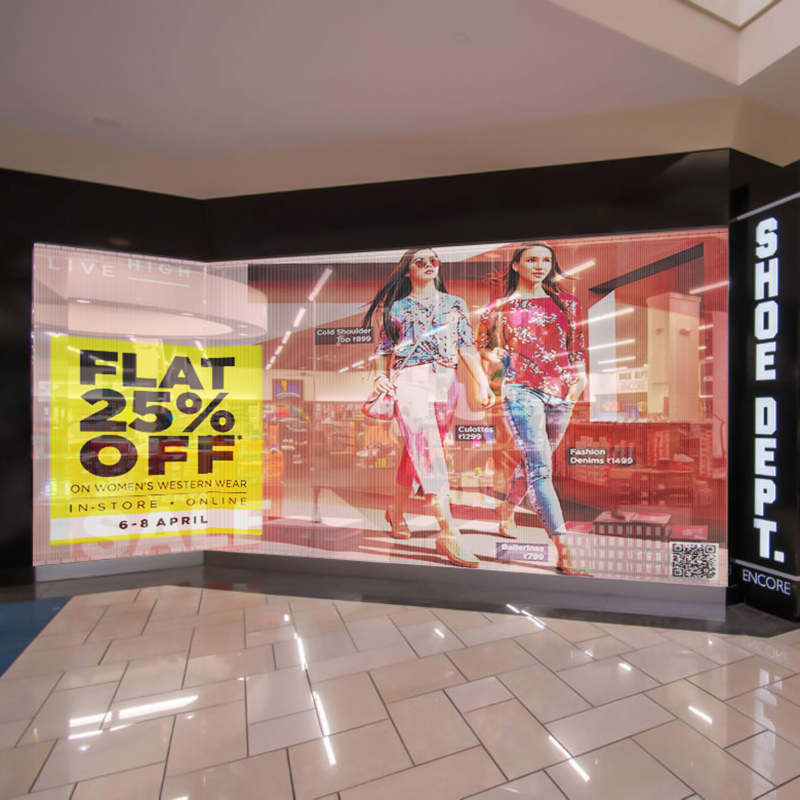
Retail facilities should have eye-catching design solutions to attract visitors. A transparent LED screen creates a floating digital picture above the central atrium of shopping malls. Floating screens project large three-dimensional animations into empty space. The transparency makes the design light and airy.
Creation of Luxury In-Store Backdrops
High-end boutiques place physical products directly behind the clear screens. The digital content interacts with the physical item in real time. A Transparent LED display for luxury retail creates highly engaging product demonstrations. This mixed-reality effect elevates the perceived value of the merchandise.
Interactive Elements in Modern Shopping Experiences
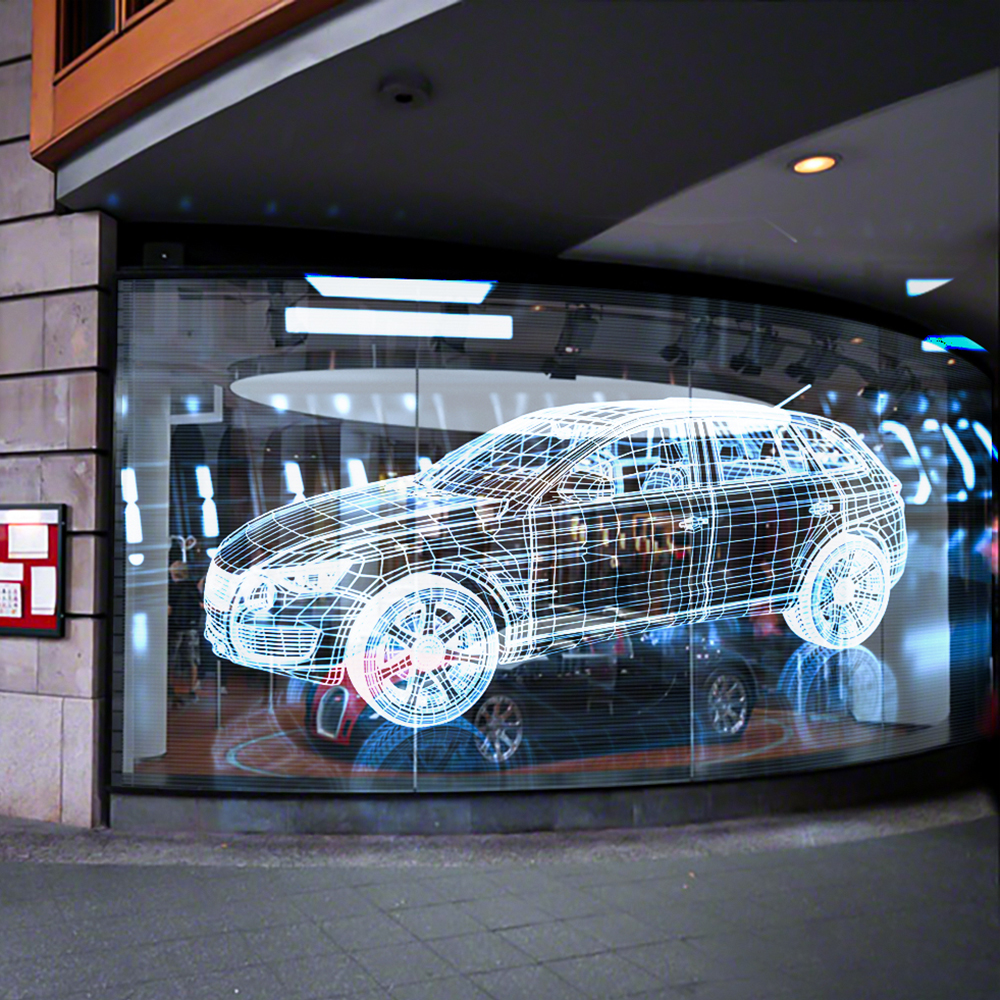 There have been instances where touch sensors are integrated into the glass screen. Customers can simply touch the glass to select images displayed on the screen. As an illustration, someone might be able to choose the colors of the digital car rotating around the screen. Interactive components enable customers to become involved in brands within seconds. Extremely interactive storefronts make customers retain the brand name in crowded environments.
System Maintenance and Long-Term Durability
Facility managers appreciate hardware designs that simplify routine upkeep and minimize operational downtime. Reliable equipment protects the initial capital investment effectively.
Modular Repair for Individual Components
Old video walls need techs to remove big, heavy panels for even easy fixes. Transparent panels, however, have individual horizontal diode strips, facilitating rapid component replacement without dismantling the primary framework.
All-Weather Protection for Outdoor Units
Outdoor equipment in street-level spots faces rough weather conditions. The Chipshow P10.41SMD handles this thanks to its IP65 rating, which fights off rain and dust effectively. Its operational temperature range of -20°C to 50°C makes it work smoothly in various climates. For the P3.97-7.8 version, it has an IP30 rating instead. This lower protection level keeps it safer indoors.
Steel-Free Installation to Reduce Structural Load
Heavy electronics usually require expensive secondary steel frameworks. The Chipshow P10.41SMD design attaches directly to the original glass curtain wall structure. This efficient approach reduces the required steel weight by approximately fifty kilograms per square meter. Lighter installations lower overall construction costs for the business owner.
Lifespan and Operational Reliability
Commercial display buyers want their equipment to last many years, and the Chipshow P3.97-7.8 meets rigorous commercial standards, offering an extensive operational lifespan of more than 100,000 hours and a mean time between failures of over 10,000 hours. This high reliability saves store owners money on emergency service calls and keeps the ads running whenever shoppers are out looking for deals.
Upgrade Your Retail Space With Chipshow Today
Store owners require reliable architectural upgrades to stand out in competitive commercial zones. A transparent LED display captures pedestrian attention by bridging physical and digital spaces while maintaining natural interior lighting. Furthermore, they feature accessible maintenance protocols and extended operational lifespans. For custom solutions, contact Chipshow today and modernize your commercial architecture.
FAQs
Q1: How transparent is a retail LED window display?
High-quality transparent LED displays typically offer between 58% to over 68% transparency. This allows ample natural sunlight to enter the retail space while maintaining an unobstructed view of the store interior for outside pedestrians.
Q2: What brightness is needed for storefront windows?
For indoor displays facing outward without direct sunlight, 3000 to 3500 nits is generally sufficient. For outdoor or direct-sunlight street windows, a minimum of 4500 nits is recommended to combat sun glare. Note: Local brightness and signage regulations vary by city. A transparent LED storefront display should support scheduled dimming and brightness control to help meet local requirements.
Q3: Can it be installed behind glass?
Yes. An indoor transparent LED screen (like the Chipshow P3.97-7.8) is specifically engineered to be mounted directly behind existing glass panes, minimizing structural modifications and protecting the hardware from outdoor elements.
Q4: What pixel pitch is suitable for close viewing?
For close pedestrian viewing distances (typically inside shopping malls or directly behind storefront glass), a tighter pixel pitch like 3.97mm to 7.81mm is ideal to ensure crisp, high-resolution image quality without visible pixelation.
Q5: Does it require front or rear maintenance access?
Modern transparent LED displays feature highly modular designs. Depending on the model and the specific structural constraints of your retail environment, they can be configured for either front or rear maintenance, allowing technicians to service individual LED strips easily.