

A transparent LED display fits a project when the screen must deliver visible content while keeping a glass facade, storefront, or event backdrop visually open. Select the installation condition first. Then match pixel pitch, brightness, transparency, service access, and project documentation to that condition.

Match the Transparent LED Display to the Installation Condition
The mounting location determines the right transparent LED display category. A retail window, an exterior curtain wall, and a temporary stage have different brightness, structure, access, and operating requirements.
| Project Condition | Primary Decision | Appropriate Direction | Project Check Before Selection |
|---|---|---|---|
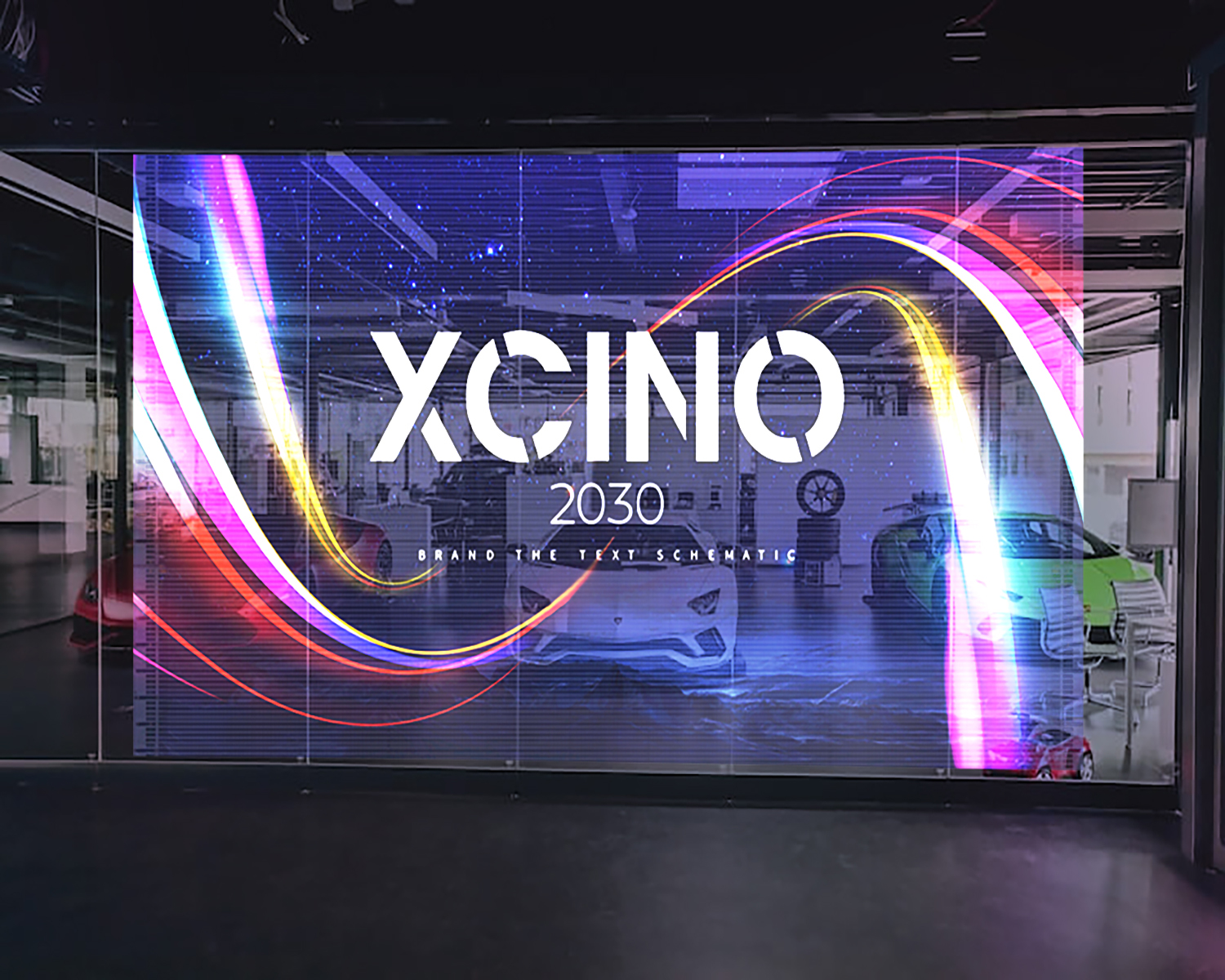
| Interior retail window | Keep daylight and interior sightlines while showing close-range content. | Use an indoor or window-facing transparent configuration after confirming reflected light and viewing distance. | Confirm glass type, indoor ambient light, power routing, and maintenance access. |
| Exterior glass curtain wall | Deliver daylight-readable content without creating a solid facade. | Use an outdoor-rated transparent facade system with a reviewed mounting concept. | Confirm screen elevation, facade mullions, wind and corrosion inputs, and service route. |
| Large opaque or non-glass facade | Balance image visibility with airflow and structural loading. | Evaluate mesh or ventilated LED formats alongside transparent screens. | Confirm wall condition, engineer-reviewed loads, wind exposure, and viewing distance. |
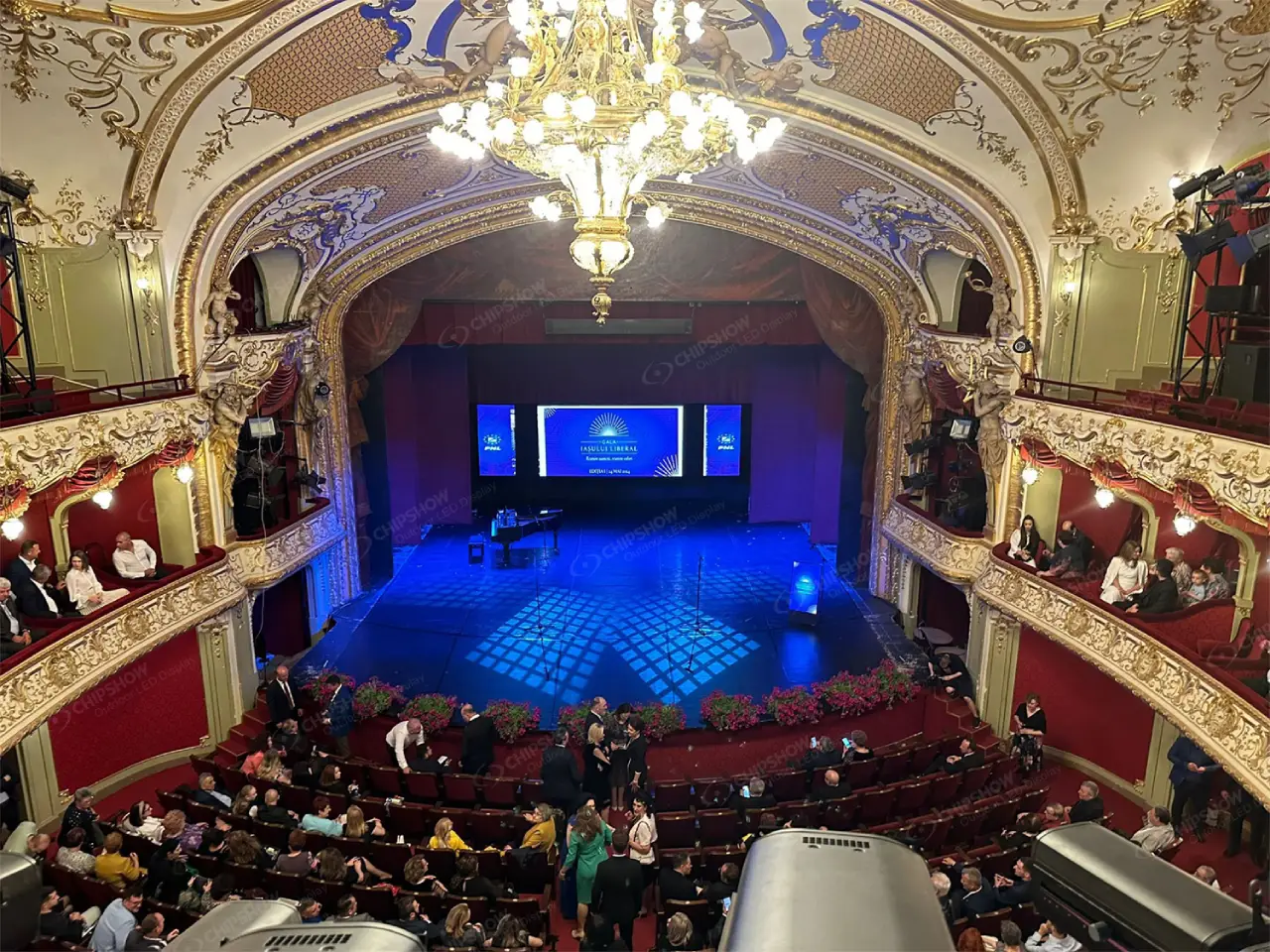
| Rental stage or event backdrop | Support fast deployment, transport, and camera requirements. | Use a rental transparent configuration designed for temporary rigging. | Confirm rigging plan, event duration, weather exposure, and camera test conditions. |

The table is a project-planning tool, not an engineering approval. A transparent LED display mounted inside glass faces different thermal, reflection, and access conditions from an exterior screen fixed to curtain-wall mullions.
Set Pixel Pitch, Transparency, and Brightness Together
Pixel pitch, transparency, and brightness must be selected as a group. A high-transparency structure leaves more open area for light and views. It can also reduce pixel density and change the screen’s close-range appearance.

Begin with the closest meaningful viewer. Record where pedestrians pause, where traffic first sees the display, and what the content must communicate. Large brand graphics can work at a longer viewing distance than dense menus, product details, or small text.
Brightness also depends on installation direction and reflected light. Exterior glass can create glare even when the display faces a busy street. An indoor transparent LED display can be appropriate behind glass, yet it is not a substitute for an outdoor-rated system exposed to rain, dust, and direct sun.
Use the pixel canvas and representative content to confirm pitch from actual sightlines. A pitch-distance shortcut is an initial layout aid, not a universal minimum-distance or readability threshold.

Choose Fixed Facade, Mesh, or Rental Construction by Operating Need
The product family should follow the operating model. Do not select a transparent LED display only from a catalog image or a single transparency percentage.
A fixed glass-facade project needs a confirmed mounting geometry, weather protection, electrical design, and service route. A mesh or ventilated display can suit a larger non-glass facade where airflow and wind behavior drive the engineering brief. A rental screen prioritizes rigging speed and repeated transport, so it needs a separate structural and service plan.
For an exterior glass curtain wall, our C-Vent P25 Transparent Curtain uses light-bar strips that align with curtain-wall mullions. Our current product information lists 63% transparency, an approximately 10.7 kg/m² load, IP65 front and rear protection, and a working range of -40 to +55°C. Those figures apply to that named configuration only. They do not establish structural suitability, permit eligibility, or an installation design for another site.

Approve Structure, Electrical Design, and Service Access Early
Installation questions should be resolved before procurement release. They have greater project risk than small differences in cabinet styling.
Give the structural engineer the approved screen area, cabinet or strip weight, mounting geometry, elevation, site wind, snow, seismic, and corrosion inputs. The engineer then determines the facade connection and load path. An IP rating does not establish wind capacity or prove that an existing glass system can carry the screen.
Give the electrical designer the final maximum and average loads for the selected configuration, supply voltage, distribution plan, grounding, disconnects, surge protection, cable routing, and local code basis. Use average power for operating-cost planning. Use maximum power for supply and protection design.
Plan service access with the same care. Confirm whether maintenance occurs from the interior, exterior, or both. Record the required lift, gondola, platform, or safe internal route. A front-service claim does not remove the need for safe technician access at the installed location.
Build an Internal Approval Case Around Inputs, Not Promised ROI
An internal business case should show decision owners what drives cost and risk. It should not promise energy savings, advertising revenue, or a payback period without project data.
Project cost = display hardware + support structure + electrical distribution + installation and access + controls and content + commissioning + spares and maintenance + permits or approvals.
For owner-operated retail or property sites, track attributable value with a measurable action such as a QR landing page, point-of-sale code, appointment request, or tenant campaign report. For third-party DOOH inventory, use contracted slot sales, operating hours, playback logs, and electricity invoices. Views and uptime are useful operating measures, but they are not sales proof.
Our published C-Vent P25 project in the Caribbean identifies a P25 screen measuring 22.5 m by 15 m. It supports a scale discussion. It does not provide a transferable ROI, permit, wind-load, or installation-cost benchmark.
Turn Project Facts Into a Transparent LED Display Quote
A complete transparent LED display quote begins with site facts. Provide the project country and city, screen width and height, elevation, mounting location, nearest and farthest viewing distances, content type, sun exposure, local climate, operating hours, electrical supply, maintenance constraints, and target launch date.
Also provide facade drawings, local approval requirements, available structural information, and the desired warranty, spares, training, and acceptance scope. These inputs allow the supplier and project team to confirm pixel pitch, brightness control, cabinet layout, load assumptions, service access, and documentation requirements.
FAQs
Can a Transparent LED Screen Mount Behind Any Glass Facade?
No. The project team must confirm the glass assembly, mullions, available depth, cable route, heat conditions, and maintenance access. Interior mounting can reduce weather exposure, but reflected light and exterior readability still need review. A structural engineer should approve every permanent connection.
How Should We Choose Transparent LED Display Pixel Pitch?
Use the closest meaningful viewing distance and content detail first. Verify legibility and visible pixel structure with a sample at the proposed pitch and resolution. Large graphics may allow wider pitch; fine text and brief pedestrian views need their own acceptance checks and may need a denser configuration.
Does an IP65 Rating Approve an Outdoor Transparent LED Screen Project?
No. IP65 describes enclosure protection against dust and water under defined test conditions. It does not approve the mounting design, wind load, electrical installation, permit, or certification scope. Verify every requirement against the final model, jurisdiction, drawings, and project conditions.
What Information Changes a Transparent LED Screen Quote Most?
Screen area, pixel pitch, installation height, support condition, service equipment, outdoor exposure, operating hours, electrical routing, and local approvals usually drive the scope. Provide these details early. They let the project team compare configurations on total installed cost rather than panel price alone.