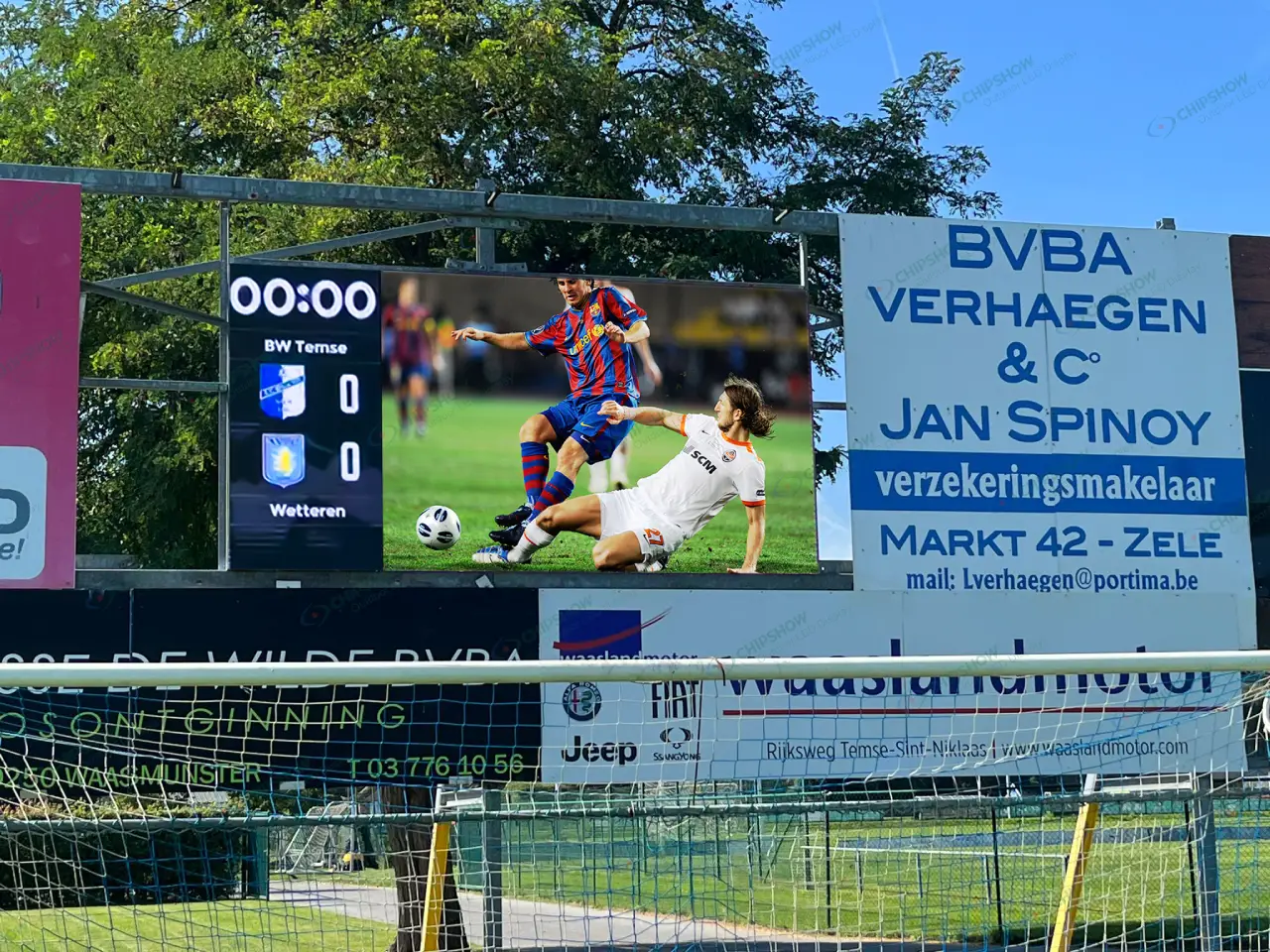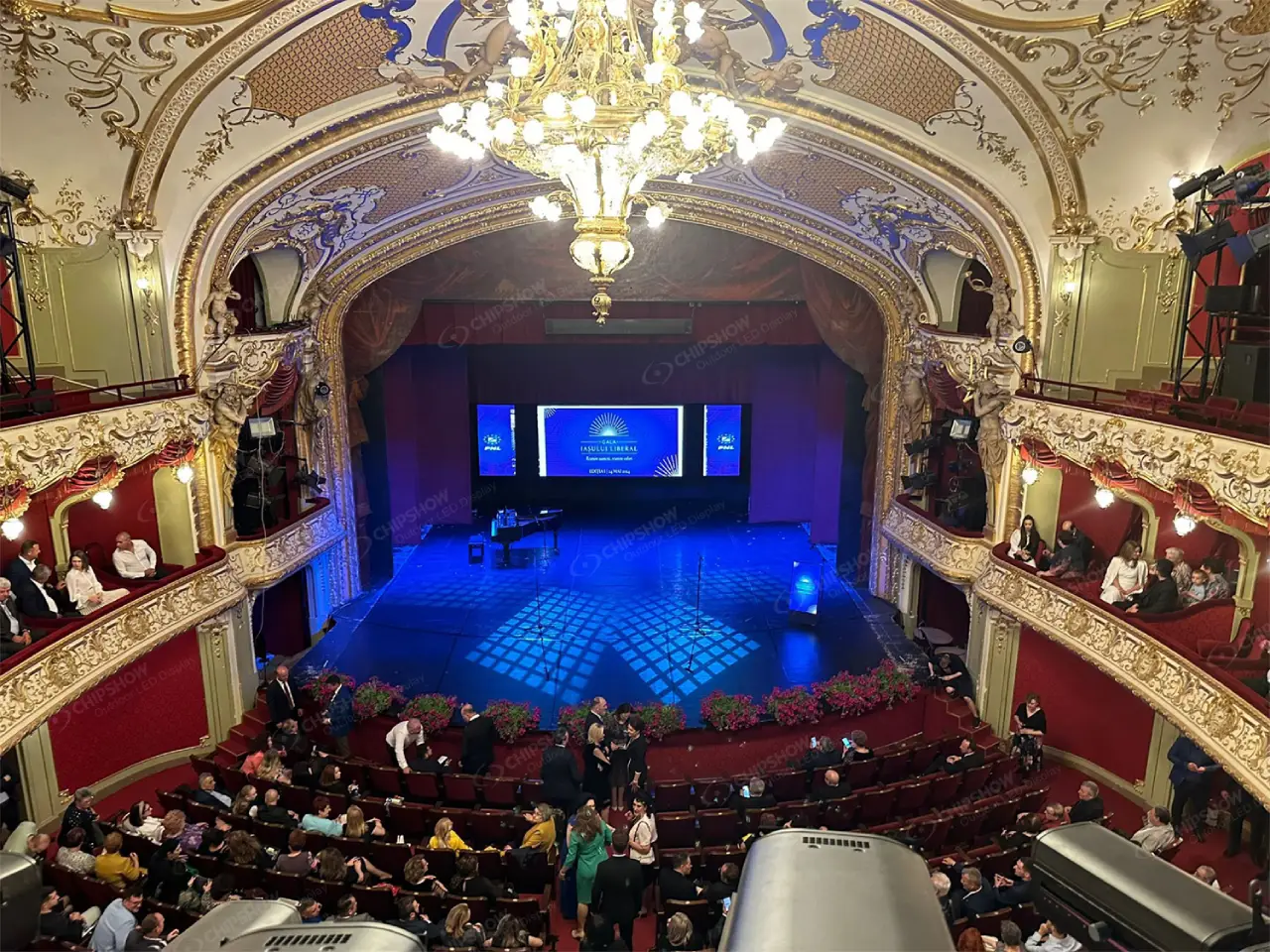


A jumbotron screen is more than a giant display. In a stadium, it turns replays, scores, sponsor messages, and fan moments into shared energy. In a plaza, it becomes a landmark, an advertising platform, and a public information hub. The challenge is choosing the right size, brightness, service design, and budget plan before the project starts. A smart purchase begins with a clear framework.
What Is a Jumbotron Screen and How Has It Evolved?
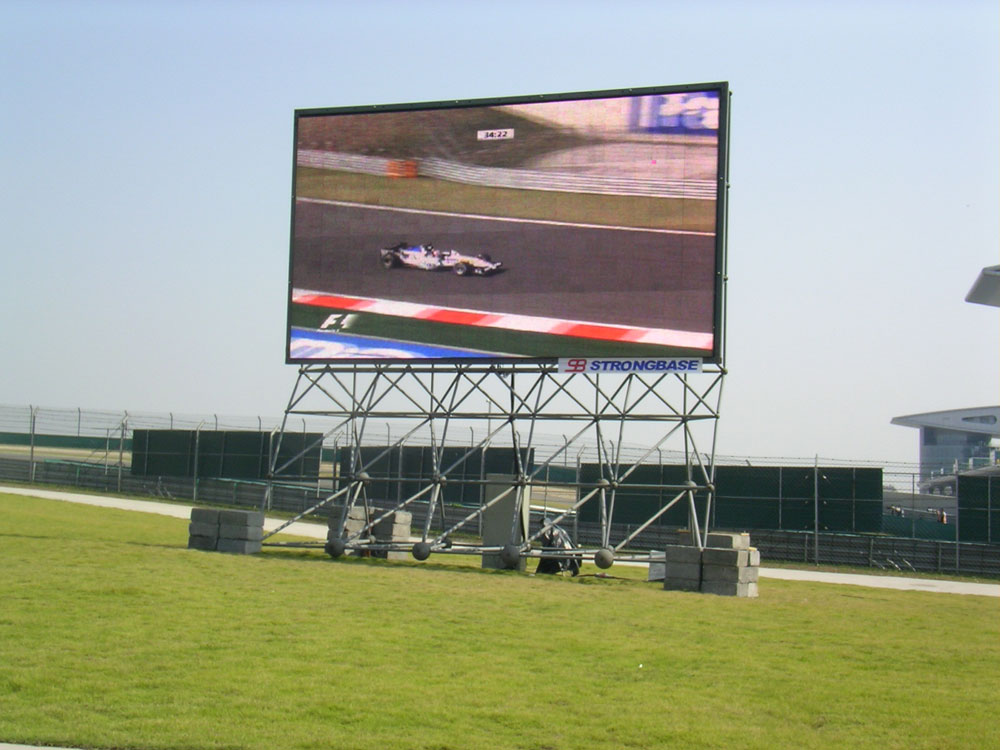
A jumbotron screen is a large-format video display built for long-distance viewing in venues such as stadiums, arenas, plazas, transportation hubs, and outdoor advertising spaces. Older systems were mostly about showing basic video. Modern systems now support sharper images, live event feeds, scheduled ads, and remote content control.
From CRT to LED: A Brief History of Jumbotron Technology
Early large venue screens used CRT, which means Cathode Ray Tube. CRT screens created images through glass tubes and electron beams. They were heavy, thick, power-hungry, and harder to scale.
Modern jumbotron displays use LED, which means Light Emitting Diode. LED technology allows screens to be thinner, brighter, more modular, and easier to maintain. Instead of one giant display body, an LED jumbotron is made from many smaller LED modules and cabinets. This makes it easier to build different sizes for stadiums, city plazas, shopping centers, and large outdoor facades.
Jumbotron vs Standard LED Billboard: Key Differences
A standard LED billboard is usually built mainly for advertising. It may show simple images, short videos, or rotating brand messages.
A jumbotron billboard does more. It can support live video, event content, sponsor ads, public announcements, social media moments, and branded entertainment. In a stadium, the screen must serve fans from many angles. In a plaza, it must remain visible in changing daylight and weather.
The key differences usually include:
- Larger viewing area
- Stronger structural planning
- Higher brightness requirements
- More complex content control
- Better maintenance access
- Event and advertising flexibility
What Screen Size and Pixel Pitch Does Your Venue Need?
Size is the first question, but it should never be answered alone. A huge jumbotron screen with the wrong pixel pitch can look blurry up close or waste budget from far away. Pixel pitch means the distance between two LED pixels, usually measured in millimeters. A smaller pitch gives finer detail, while a larger pitch works well for longer viewing distances.
Recommended Jumbotron Dimensions for Stadiums, Arenas, and Plazas
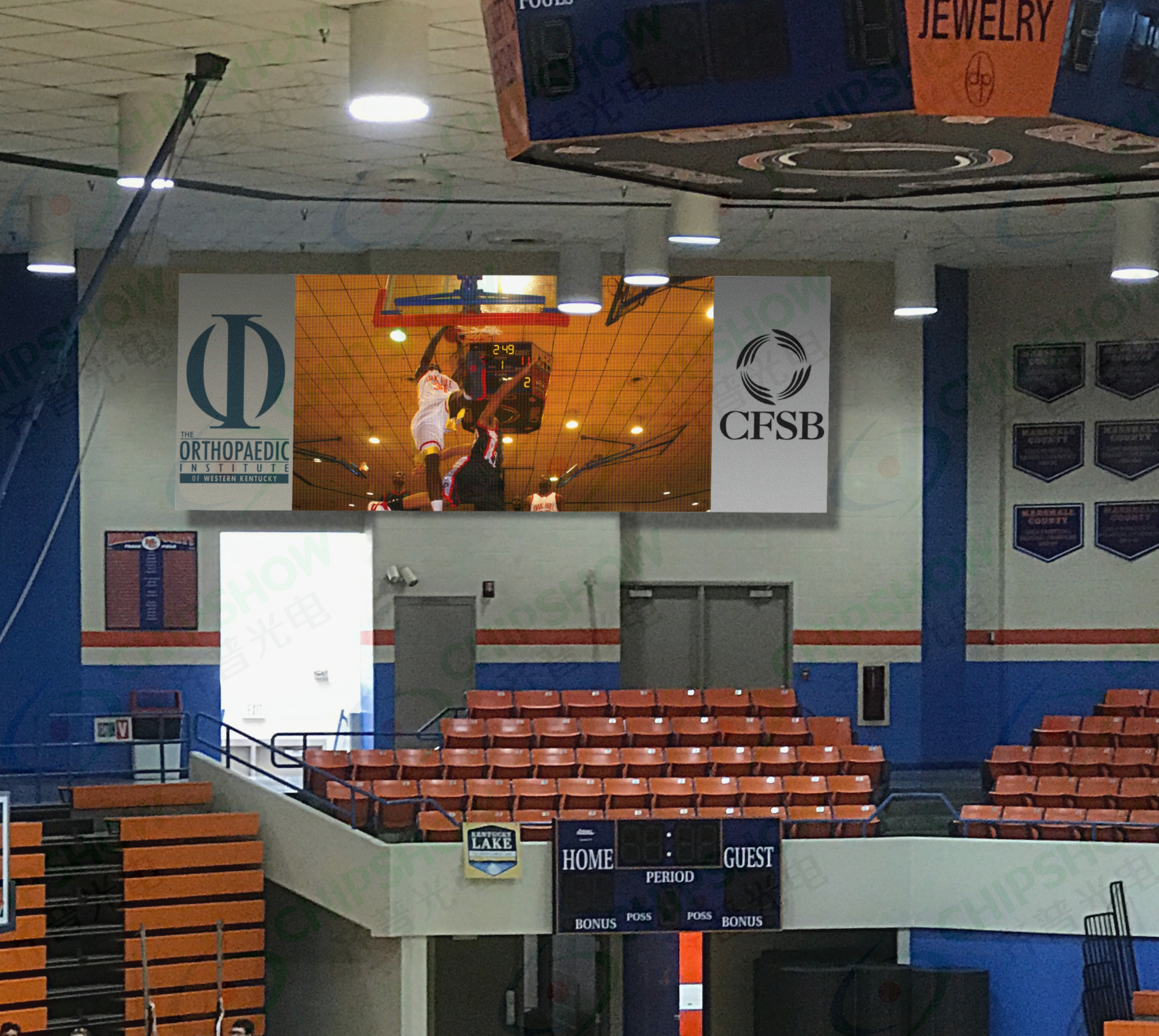
The right size depends on the viewing distance, audience size, content type, and mounting structure. A stadium replay screen needs different planning from a plaza-facing jumbotron billboard.
The table below gives practical starting points for early planning. Final dimensions should always be confirmed through site drawings and structural review.
| Venue Type | Common Use | Suggested Screen Width | Common Pixel Pitch Direction |
| Small Arena | Scores, replays, sponsor ads | 20 to 40 ft | Fine to mid pitch |
| Large Stadium | Live video, replays, crowd engagement | 40 to 100+ ft | Mid pitch |
| Public Plaza | Ads, public media, events | 20 to 60 ft | Mid to wider pitch |
| Roadside or Facade Billboard | Long-distance advertising | 30 to 100+ ft | Wider pitch |
These ranges are not fixed rules. A screen seen from 300 feet away can use a wider pixel pitch than a screen placed near pedestrian traffic.
How to Match Pixel Pitch to Viewing Distance
A simple starting rule is this: the closer the viewer, the smaller the pixel pitch should be. For example, a plaza screen viewed by pedestrians may need finer detail than a stadium screen viewed from upper seats.
For outdoor jumbotron screen planning, many projects fall into mid-range or wider pixel pitch choices because viewers are often far from the display. If the screen will show faces, live feeds, and detailed sponsor graphics, choose a finer pitch. If the main goal is bold ads seen from far away, a wider pitch may be enough.
Critical Performance Specs for Outdoor Jumbotron Screens
After size and pitch, performance specs decide whether the screen can actually work well in daily operation. Outdoor screens face sun, rain, wind, heat, dust, and long operating hours.
Brightness, Contrast, and Refresh Rate Requirements
Brightness is measured in nits, also called cd/m², which means candelas per square meter. Outdoor jumbotron screens need high brightness because sunlight can wash out weak displays.
For outdoor projects, Chipshow can support 7000+ nits standard brightness, with custom brightness upgrades available based on project needs. Some high-brightness outdoor configurations can go even higher depending on the chosen LED setup and application.
Refresh rate means how many times the screen updates per second. A higher refresh rate helps reduce flicker when cameras record the screen. For stadiums, concerts, and public events, this matters because the jumbotron screen may appear in live broadcasts, fan videos, or social media clips.
IP Rating and Weather Resistance for Year-Round Operation
An IP rating, or Ingress Protection rating, shows how well an electrical product resists dust and water. Outdoor LED screens usually need strong protection because they may face rain, humidity, and dust.
For year-round operation, buyers should check:
- Front and rear protection levels
- Drainage and sealing design
- Heat dissipation system
- Corrosion resistance for coastal or humid sites
- Operating temperature range
A jumbotron billboard in a plaza may run for many hours every day. Weather protection is not just a safety feature. It also affects downtime, service cost, and long-term image quality.
Front-Service vs Rear-Service Cabinet Design
A cabinet is the structural unit that holds LED modules, power parts, and receiving components. Front-service means technicians can access key parts from the front of the screen. Rear-service means maintenance is done from behind the screen.
Front-service designs are useful when the display is mounted against a wall or facade. Rear-service designs can work well when there is a safe maintenance walkway behind the screen. Some projects need dual-service access for easier long-term maintenance.
For stadiums and plazas, the best choice depends on the installation structure, technician access, screen height, and local safety rules.
How Much Does a Jumbotron Screen Cost?
A jumbotron screen is a system investment, not just a display purchase. The final cost depends on the screen area, pixel pitch, brightness level, cabinet design, installation site, control system, steel structure, and long-term service plan.
Hardware, Installation, and Structural Support Costs
Hardware usually includes LED modules, cabinets, power supplies, control equipment, cables, and spare parts. Smaller pixel pitch usually increases cost because it uses more LEDs per square meter.
Installation costs may include lifting equipment, steel support, electrical work, signal cabling, waterproofing, and site labor. In stadiums, structural planning can be complex because the screen must meet safety and wind-load requirements. In plazas, building codes, viewing angles, and public safety zones can also affect the budget.
A serious quote should include more than the screen price. It should cover the full project path from design to commissioning.
Ongoing Operating Costs: Power, Maintenance, and Content Management
Operating cost is where many buyers underestimate the budget. A jumbotron billboard may run daily, so electricity use matters. Power consumption depends on brightness settings, content type, screen size, and operating hours.
Maintenance also needs planning. LED modules, power units, receiving cards, and cables should be accessible. Content management adds another layer. A Content Management System, or CMS, is software used to schedule videos, ads, public messages, and event content.
For a revenue-focused jumbotron screen, the CMS should support easy scheduling, quick updates, and secure remote operation.
How to Maximize ROI from Your Jumbotron Billboard
ROI, or Return on Investment, measures how much value a project creates compared with its cost. For a jumbotron billboard, ROI comes from both direct revenue and indirect value, such as better fan experience, stronger sponsorship packages, and improved public visibility.
Advertising Revenue Models for Stadium and Plaza Screens
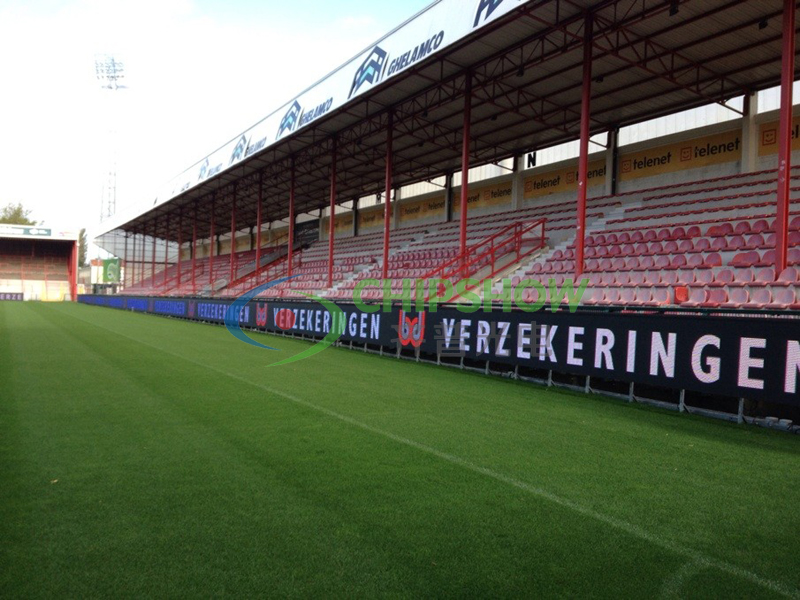
A jumbotron billboard can create revenue in several ways. Stadiums often sell sponsor placements before games, during breaks, and around replay moments. Plazas may sell rotating ad slots to local businesses, events, tourism campaigns, or retail partners.
Common revenue models include:
- Time-based ad slots
- Event sponsorship packages
- Seasonal brand campaigns
- Public-private advertising partnerships
- Premium placements during peak traffic hours
The best model depends on foot traffic, event frequency, screen location, and local advertising rules.
Content Scheduling and Remote Management Best Practices
A large screen should not run random content. Strong scheduling keeps the screen useful, fresh, and profitable.
For stadiums, content should match the event rhythm: pre-game promotions, live video, replays, sponsor ads, halftime content, and exit messages. For plazas, content should shift by time of day, audience flow, and campaign priority.
Remote management helps operators update content without sending staff to the site. It also supports faster campaign changes, emergency messages, and multi-location control if the buyer manages several screens.
How to Choose a Reliable Jumbotron Manufacturer
A reliable manufacturer should help buyers reduce project risk, not just sell panels. Large-format LED projects need technical planning, stable production, quality control, and after-sales support.
Certification, Warranty, and After-Sales Support Checklist
Before choosing a supplier, ask for clear answers on compliance, support, and service terms. The checklist below can help buyers compare options more fairly:
- Does the supplier provide product specifications for the exact configuration?
- Are brightness, refresh rate, IP rating, and power data clearly listed?
- Can the supplier support spare parts and maintenance guidance?
- Is the warranty scope clearly explained?
- Are installation drawings or technical documents available?
- Can the system support the buyer’s content and control needs?
- Are factory, testing, aging, or shipment records available when needed?
Digital assets can also support buyer confidence. For this topic, a stadium screen demo video, outdoor fixed installation video, factory video, or product aging video can be placed near the supplier evaluation section to show real production and application context.
Why Global Project Buyers Work With Chipshow for Large-Format LED Projects
Chipshow focuses on outdoor and indoor LED display systems for advertising, sports venues, plazas, rental events, traffic displays, and other commercial environments. For large-format jumbotron screen projects, the brand’s value sits in project-based customization, high-brightness outdoor capability, practical cabinet designs, and engineering support.
For stadium and plaza buyers, Chipshow can support outdoor brightness needs, weather-resistant configurations, and service-friendly cabinet options. The company also provides digital assets such as factory videos, installation videos, sports LED display videos, and outdoor LED display demos that can help project teams explain solutions to internal decision-makers.
For stadium and plaza buyers, Chipshow can support outdoor brightness needs, weather-resistant configurations, and service-friendly cabinet options. Project teams can also review practical references such as Chipshow’s sports LED display project demo or outdoor fixed LED display installation reference to better understand real-world large-format LED display applications.
Request a Custom Jumbotron Screen Plan
A successful jumbotron screen project starts with the right match between venue size, viewing distance, brightness, weather protection, maintenance access, and budget. For stadiums and plazas, the best solution is rarely one-size-fits-all. Share your site drawings, viewing distance, target screen size, and content goals with Chipshow to receive a customized LED display plan for your venue.
FAQs
Q1. Is a Jumbotron Screen the Same as a Scoreboard?
Not exactly. A scoreboard mainly shows game data, while a jumbotron screen can show live video, sponsor messages, crowd shots, replays, and announcements. Many stadiums combine both functions in one large LED system.
Q2. Can a Jumbotron Billboard Help a Plaza Become a Landmark?
Yes. A well-placed jumbotron billboard can make a plaza more visible, active, and commercially useful. It can support public messages, event promotions, cultural content, and paid advertising without changing the physical layout of the space.
Q3. What Information Should Buyers Prepare Before Requesting a Jumbotron Screen Quote?
Buyers should prepare the installation location, approximate screen size, viewing distance, photos of the site, expected operating hours, and main content type. Wind load, mounting method, and local electrical conditions are also useful for a more accurate quote.
Q4. Does a Jumbotron Screen Need Custom Content?
Yes, custom content usually works better than ordinary video files. A large jumbotron screen needs content designed for its resolution, viewing distance, and audience behavior. Clear text, strong contrast, and simple motion often perform better than crowded visuals.