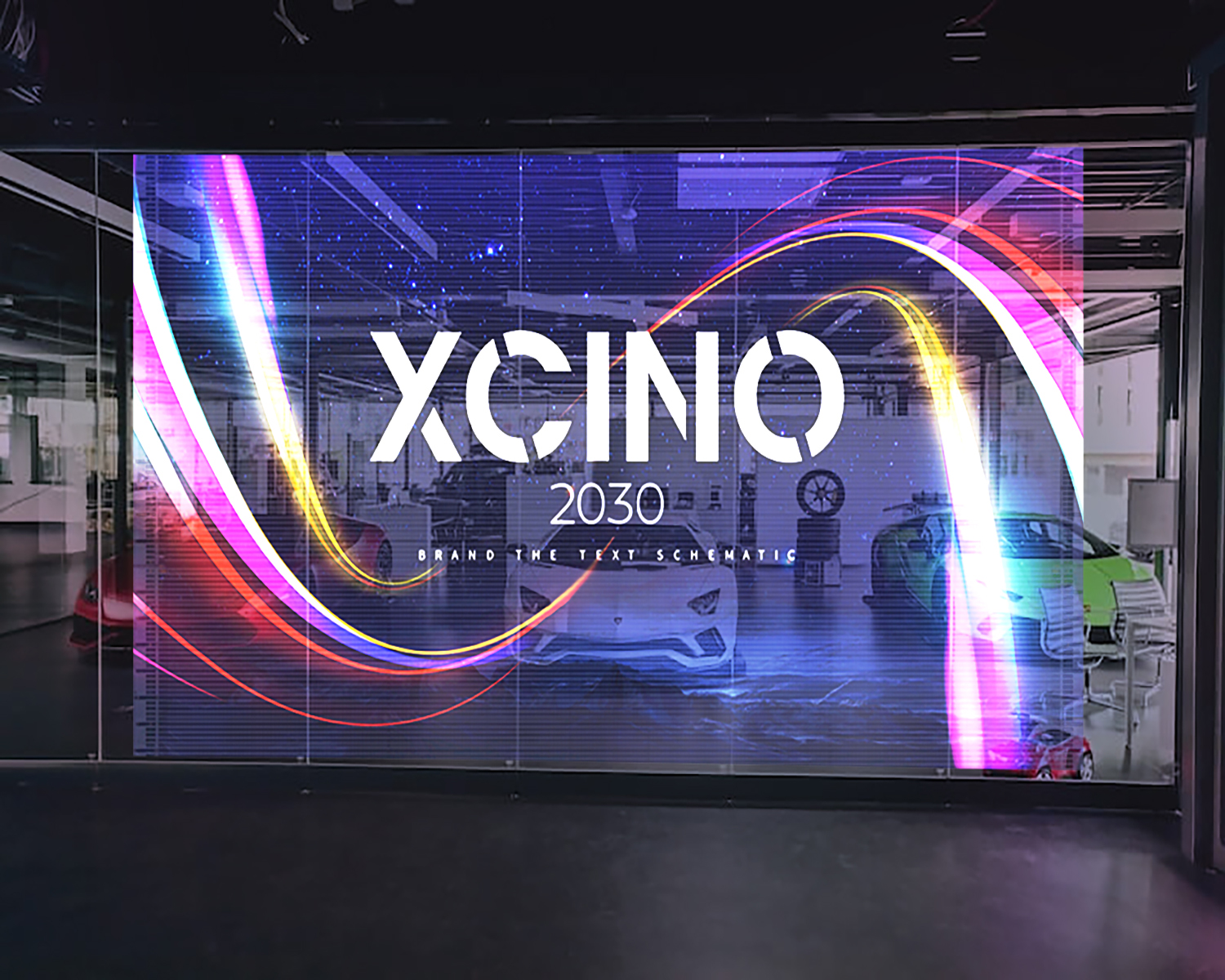
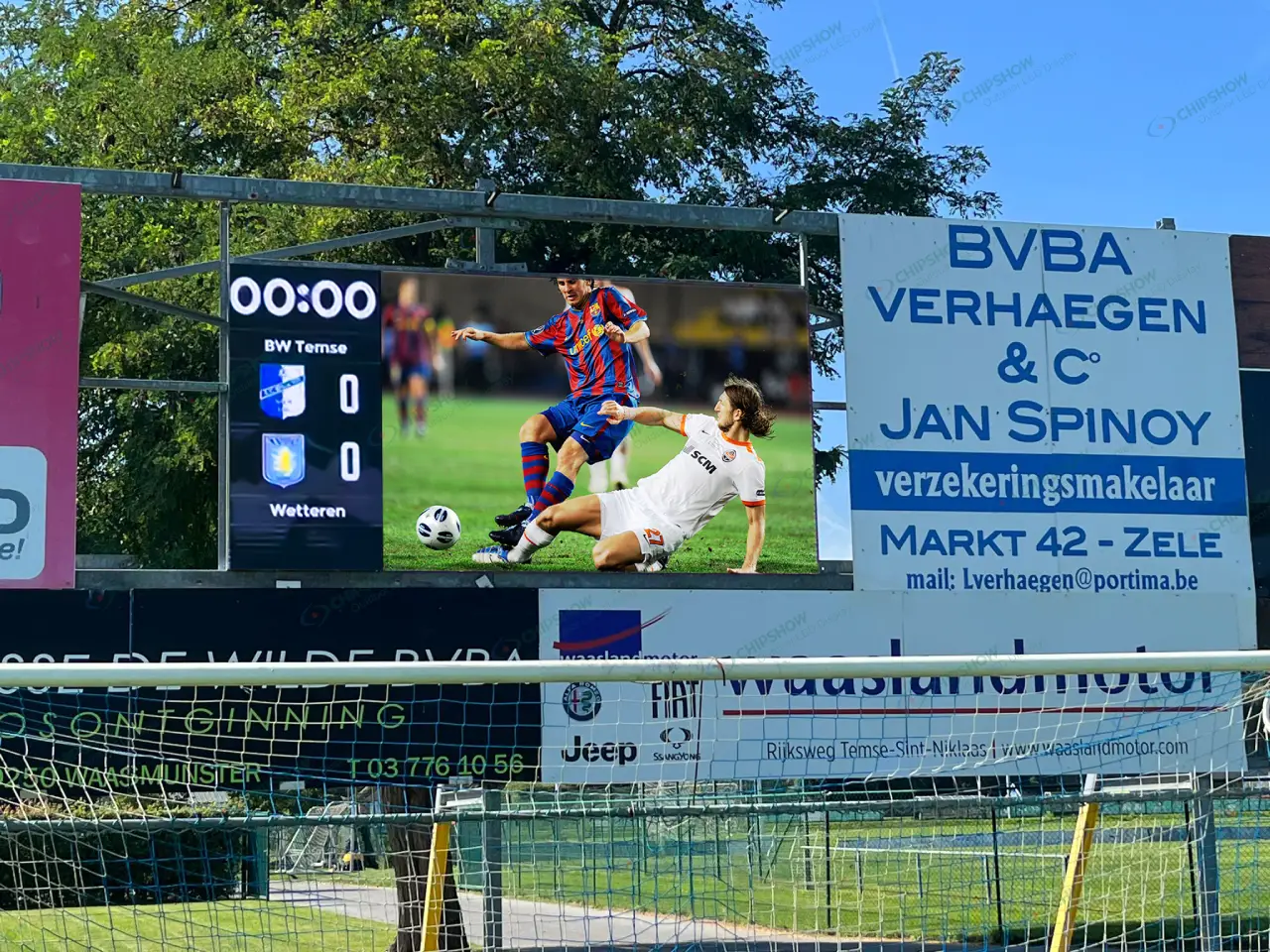
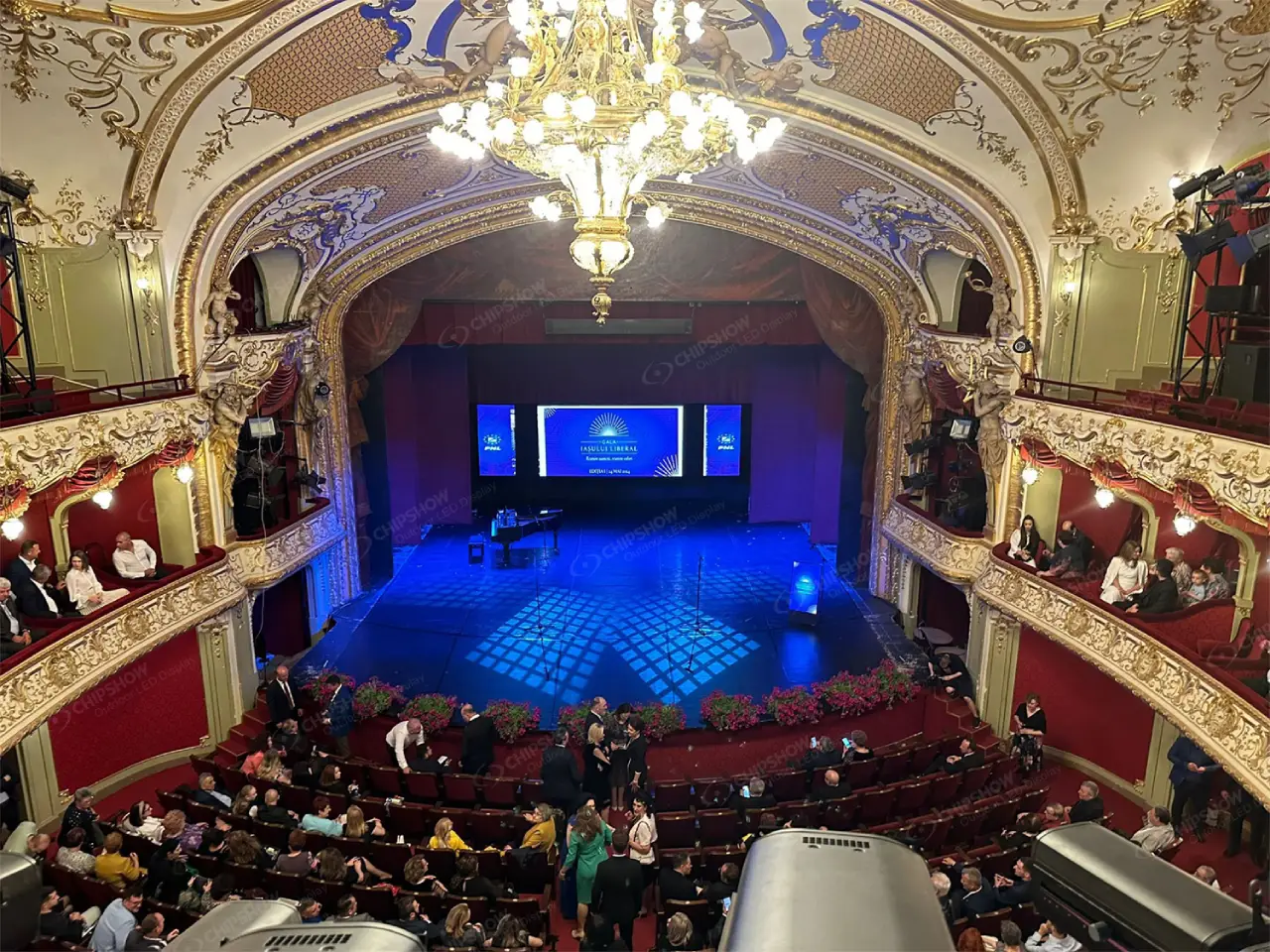
Outdoor LED display panels form the visible and structural core of an outdoor screen project. However, the word “panel” does not always describe the same component. One supplier may use it for an LED module, while another may mean a complete cabinet. Buyers need to confirm the actual size, structure, and included parts before comparing specifications or prices.
What Is an Outdoor LED Display Panel?
An outdoor LED display panel is a section used to build a larger LED screen. The exact meaning depends on how the supplier uses the term.
In some quotations, “panel” refers to the LED module that produces the image. In others, it refers to the metal cabinet that contains several modules, power supplies, receiving cards, and cables. It may also be used more generally for one assembled section of an outdoor display.
This difference matters because the quoted size, weight, price, and included components can change greatly.
When reviewing an outdoor LED screen panel, buyers should confirm:
- Whether the panel is a module or cabinet
- Its physical dimensions
- Its pixel resolution
- The number of modules included
- Whether power and control parts are installed
- Whether the price includes cables, packaging, or spare parts
A clear specification prevents buyers from comparing a basic LED module with a complete cabinet as though they were the same product.
LED Module vs Cabinet vs Full Screen
An outdoor LED screen is built in layers. Small LED modules connect inside cabinets, and multiple cabinets form the complete display. Each layer has a different role in installation, pricing, maintenance, and image quality.
LED Module
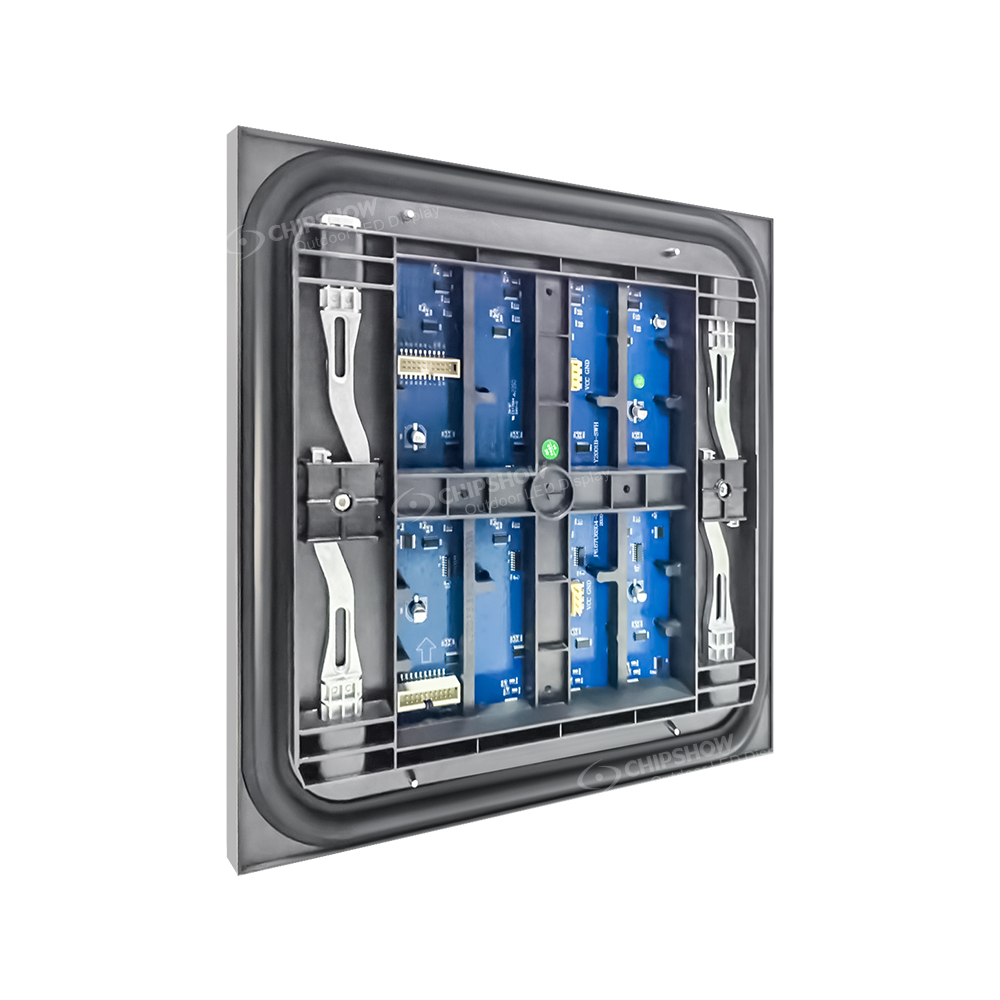
An LED module is the smallest replaceable display section in most outdoor LED systems. It contains LED lamps, a printed circuit board, driver components, and connectors. Pixel pitch means the distance between the centers of two adjacent pixels, measured in millimeters. The module’s pixel pitch, dimensions, lamp type, and resolution determine how much image detail it can produce.
LED Cabinet
An LED cabinet is the enclosure that holds several modules together with power supplies, receiving cards, cables, and supporting hardware. Cabinets make installation faster because technicians can assemble the full screen from larger, preconfigured units. Outdoor cabinet designs may use steel, aluminum, cast aluminum, or magnesium alloy depending on the weight, strength, installation, and service requirements. Buyers should also confirm whether the cabinet supports front maintenance, rear maintenance, or both.
Complete Outdoor LED Screen
A complete screen is created by connecting multiple cabinets into the required width and height. It also needs a supporting structure, power distribution, control equipment, signal cables, and content source. The final screen resolution depends on the cabinet count and the resolution of each cabinet. As a result, outdoor LED display screens should be evaluated as complete systems rather than as collections of panels alone.
The relationship can be summarized simply:
LED components form a module. Modules form a cabinet. Cabinets form the complete screen.
What Affects Outdoor LED Display Panel Price?
There is no single outdoor LED display panel price because quotations may cover different products and configurations. A low price may refer only to a module, while a higher price may include a complete cabinet with power and control components.
The main cost factors include:
- Pixel pitch: A finer pitch places more pixels within the same area. This usually requires more LEDs, driver components, and production precision.
- LED lamp configuration: Lamp package, brightness, color performance, and supplier selection can affect the cost.
- Cabinet material: Steel, aluminum, cast aluminum, and magnesium alloy offer different balances of weight, strength, heat transfer, and price.
- Brightness: High-brightness outdoor configurations may require different LEDs, power architecture, and thermal design.
- IP rating: Ingress Protection, shortened to IP, describes resistance to dust and water under defined conditions. Weather-resistant structures require sealing and suitable outdoor components.
- Maintenance method: Front-service designs may need different module locks, power boxes, and cabinet structures than rear-service systems.
- Refresh rate: Refresh rate is the number of times the display updates each second. Higher refresh configurations can support smoother camera recording but may affect component selection.
- Order quantity: Larger orders may improve production and shipping efficiency, while small custom projects may carry higher unit costs.
- Included accessories: Controllers, cables, spare modules, packaging, structural parts, and technical services may or may not be included.
Buyers should compare quotations with the same scope. The panel price alone does not show the full cost of creating an operating outdoor LED display.
Why Panel Size Matters for Installation
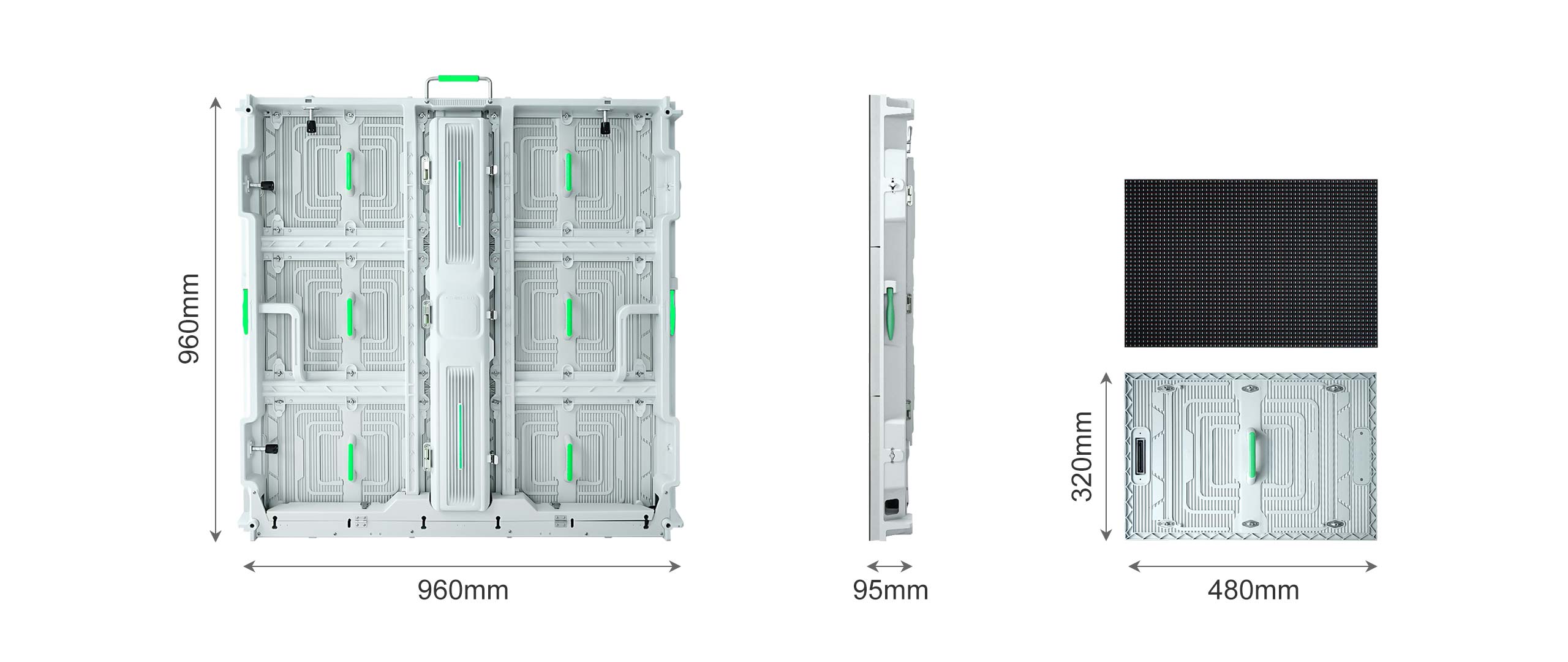
Panel and cabinet dimensions affect how quickly a display can be assembled, transported, supported, and serviced. A suitable size helps the screen fit the available structure without creating unnecessary gaps or complicated framing.
There is no universal outdoor cabinet size for every project. Different product platforms use different dimensions based on pixel pitch, module layout, structural strength, and application.
For example, selected Chipshow outdoor configurations use cabinet sizes such as 480 × 640 mm and 960 × 960 mm. A smaller cabinet can offer more flexibility for narrow signs, wall installations, and custom dimensions. A larger cabinet may reduce the number of cabinet connections required across a large billboard.
Panel size influences several project areas:
- Installation speed: Larger units can cover more screen area with fewer cabinets.
- Handling: Smaller or lighter cabinets may be easier to lift and position in limited spaces.
- Transportation: Cabinet dimensions affect flight cases, pallets, container use, and site delivery.
- Structural design: Engineers need exact cabinet weight and mounting locations when designing the supporting frame.
- Screen dimensions: The cabinet size limits the width and height increments available for the final display.
- Replacement access: A damaged module or cabinet should be removable without creating unnecessary work across the rest of the screen.
The selected size should match the installation method, access conditions, screen dimensions, and long-term maintenance plan. Project teams can also review Chipshow’s outdoor fixed LED display installation reference to see how cabinet layout and supporting structures work together during installation.
How Outdoor Panel Structure Affects Maintenance
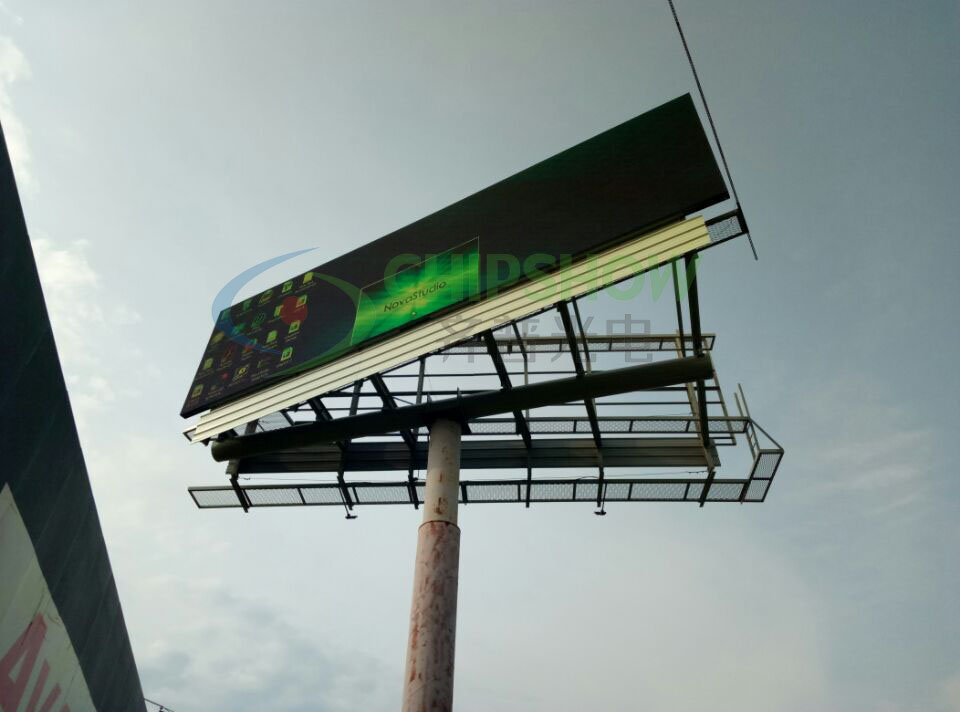
Maintenance requirements should be reviewed before the screen structure is finalized. An outdoor display may be installed against a wall, inside a steel frame, on a roadside structure, or on a commercial building. Each location provides different levels of access.
A front-maintenance display allows technicians to remove modules and selected internal components from the viewing side. This can be useful when the screen is mounted close to a wall or when rear space is limited.
A rear-maintenance display provides access from behind the cabinets. It may work well for billboards with a service platform or internal maintenance space.
Some configurations support both methods. However, buyers should confirm exactly which parts can be accessed from each side. A module may support front removal even when other power or control components still require rear access.
Chipshow specifications include front and rear maintenance options in selected outdoor models, along with modular cabinet structures and enclosed outdoor modules. The final service method depends on the chosen configuration and installation environment.
How to Compare Outdoor LED Panels Before Purchase
A strong comparison should cover technical performance, physical compatibility, documentation, and service planning. Buyers should request enough detail to confirm exactly what each supplier is quoting.
Review these areas before placing an order:
- Product specification: Check pixel pitch, module size, cabinet size, resolution, brightness, refresh rate, power use, weight, viewing angle, and operating temperature.
- Cabinet drawing: Confirm module arrangement, mounting points, cable entry, service access, and cabinet depth.
- Compatibility: Verify that replacement modules, power supplies, receiving cards, and connectors match the ordered configuration.
- Protection level: Check front and rear IP ratings separately because the two sides may have different protection levels.
- Maintenance design: Confirm which parts can be serviced from the front and which require rear access.
- Spare-parts plan: Request compatible spare modules, power supplies, receiving cards, cables, and cabinet hardware.
- Testing documents: Ask for available aging-test records, inspection reports, and project-specific performance checks.
- Applicable compliance documents: Confirm which certifications or compliance files are available for the target market and selected model.
- Packaging method: Review how modules and cabinets will be protected during international transport.
- Warranty and support scope: Clarify the warranty period, excluded conditions, replacement process, and technical support method.
Buyers should also check whether modules from different production batches can be visually matched. LED color and brightness can vary slightly between batches, so keeping suitable spare modules from the original order can simplify future repairs.
Common Quotation Mistakes to Avoid
Outdoor LED panel quotations can look similar even when they include different items. A careful comparison helps prevent unexpected purchases during installation.
Common mistakes include:
- Comparing prices without checking whether the quote covers modules or cabinets
- Assuming “panel” has the same meaning across every supplier
- Comparing different pixel pitches as if their resolution were equal
- Ignoring cabinet weight and structural requirements
- Assuming all outdoor configurations have the same IP rating
- Forgetting receiving cards, power supplies, cables, or spare parts
- Ordering the screen before confirming front or rear maintenance space
- Comparing price per unit without calculating the price per square meter
Ask the supplier to separate the hardware, control system, spare parts, packaging, and service scope. This creates a more accurate comparison between outdoor LED display solutions.
Choose Outdoor LED Display Panels With the Full Screen in Mind
The best outdoor LED display panels are not selected by unit price alone. Module dimensions, cabinet structure, pixel pitch, protection, maintenance access, and compatibility all affect the completed screen. Share your display size, viewing distance, installation structure, climate, and service requirements with Chipshow to identify an outdoor LED panel configuration that supports efficient installation and long-term operation.
FAQs
Q1. Is an LED Panel the Same as an LED Module?
Not always. Some suppliers use “LED panel” to describe a module, while others use it for a complete cabinet. Buyers should check the listed dimensions, included components, and product drawing before comparing prices.
Q2. What Is the Standard Size of an Outdoor LED Cabinet?
There is no single standard cabinet size for all outdoor projects. Common dimensions vary by manufacturer, module format, pixel pitch, and application. The best cabinet size is the one that fits the required screen dimensions, structure, transportation plan, and maintenance method.
Q3. Why Do Suppliers Quote Outdoor LED Panels Differently?
Suppliers may include different components, materials, accessories, control equipment, packaging, or services. One quote may cover only modules, while another includes complete cabinets. Ask for an itemized quotation and technical specification to make a fair comparison.
Q4. Can Outdoor LED Screen Panels Be Replaced Individually?
Modules can usually be replaced individually when the cabinet design provides suitable service access. Complete cabinets can also be replaced, but this is less common during routine maintenance. Replacement parts should match the installed configuration and approved calibration requirements.