

Choosing billboard dimensions affects three things at once: visibility, creative design, and permit risk. A board that is too small may lose impact at traffic speed. A board that is too large can raise steel, foundation, zoning, and approval costs. For media owners planning static or LED inventory, standard sizes give you a practical baseline for comparing sites, briefing advertisers, and selecting a format that can generate revenue without creating unnecessary engineering friction.
Billboard Dimensions Cheat Sheet: Common U.S. and European Sizes
The table below gives media owners a quick planning reference before site surveys, engineering checks, and permit reviews begin. These dimensions are commonly used industry references, not universal legal standards. Final display size, live copy area, cabinet layout, and approval requirements should be confirmed with the media operator, display supplier, engineer, and local authority.
| Region / Format | Common Planning Size | Typical Use |
| U.S. Large Bulletin | 20 ft × 60 ft | Premium roadside impact sites |
| U.S. Standard Bulletin | 14 ft × 48 ft | Highways, expressways, primary roads |
| U.S. Junior Bulletin | 10 ft 6 in × 36 ft | Smaller roadside or urban vehicular sites |
| U.S. Standard Poster | 10 ft 5 in × 22 ft 8 in | Urban roads, retail corridors, secondary routes |
| U.S. Junior Poster | 5 ft × 11 ft | Neighborhoods, local campaigns, close-range viewing |
| UK 48-Sheet | Approx. 3 m × 6 m | Common roadside planning format |
| UK 96-Sheet | Approx. 3 m × 12 m | Larger roadside impact format |
| Germany 18/1 | Approx. 3.56 m × 2.52 m | Common large-poster planning format |
| 4 m × 3 m Panel | Market-dependent | Regional, custom, or operator-specific outdoor formats |
| Mega-Light / City-Light Style Panel | Network-dependent | Street-level, backlit, or urban media networks |
For LED billboards, physical size is only the first planning layer. Pixel pitch, native resolution, cabinet dimensions, service access, brightness requirements, and local rules can all change the final specification.
What These Billboard Sizes Mean for Media Planning
Billboard dimensions vary by country, operator, and site type. Still, several formats appear often enough to work as planning references. Media owners should also separate the visible advertising face from the total structure, since trim, catwalks, columns, foundations, and service access can change both costs and permit requirements.
Bulletin, Poster, and Junior Poster Sizes
In the U.S., one of the most widely used roadside planning formats is the bulletin. OAAA standard OOH format references include the 14 ft × 48 ft bulletin, while digital format references also list standard bulletin creative ratios such as 1400 × 400 px. The 14×48 billboard remains a common planning size for highways, expressways, and primary roads.
These reference sizes help sellers and buyers speak the same language, but naming can shift by operator. A “poster” may refer to the live copy area, the printed material size, or the full display structure. Confirm final artwork and production specs before selling a campaign.
Common European Billboard Format References
Europe does not have one universal sizing system. The UK commonly uses a 48-sheet format around 3 m × 6 m and a 96-sheet format around 3 m × 12 m. In Germany, the 18/1 large poster format is commonly listed at 3.56 m × 2.52 m.
For cross-border projects, written specifications matter. Ask for width, height, viewing area, installation method, brightness requirements, and local artwork rules. A format name may describe a media network, not a fixed physical size.
How Do Billboard Dimensions Affect Visibility and Ad Revenue?
The commercial value of a billboard comes from legibility, sightline quality, dwell time, and audience relevance. Larger standard sizes can command premium pricing on highways. Smaller boards can still perform strongly in dense urban areas where viewers are closer and exposure is repeated.
Viewing Distance, Traffic Speed, and Minimum Size Requirements
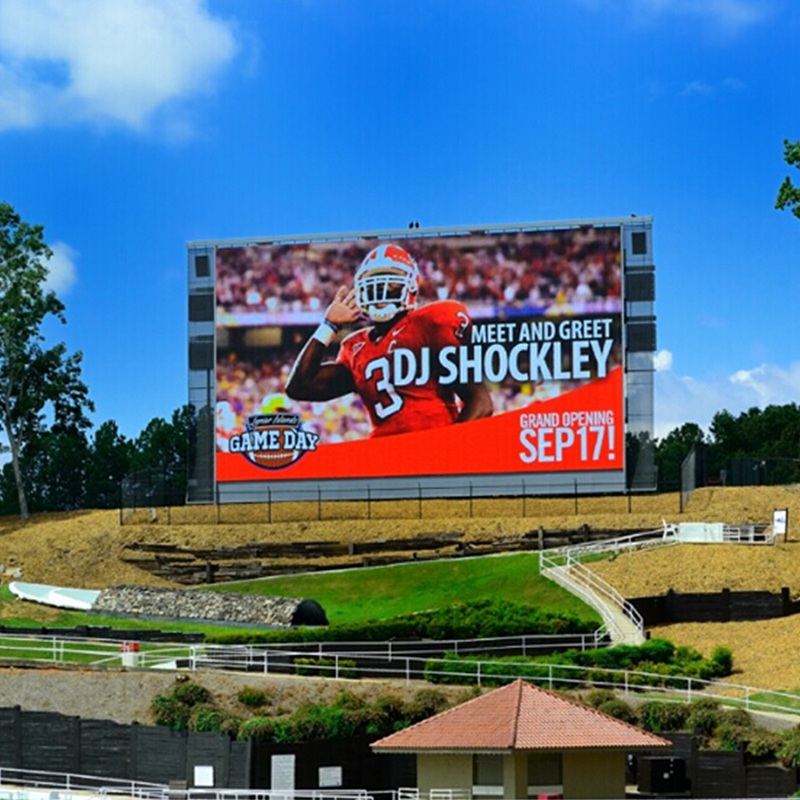
At higher traffic speeds, drivers have less time to read. A 14×48 billboard works well on highways because its large face supports short headlines, bold logos, and high-contrast images at longer viewing distances.
Smaller posters can work well on slower roads, retail streets, and neighborhood routes. Their success depends less on total square footage and more on how clearly people can see the message.
Before choosing a size, review:
- First clear viewing distance
- Dominant traffic speed
- Approach angle
- Obstructions from trees, poles, bridges, or buildings
- Competing visual clutter
- Expected reading time
A board with a large traffic count but a poor sightline may underperform. A smaller board with a clean approach, slower traffic, and strong local relevance may sell better over a full year.
When a Smaller Billboard Can Deliver Stronger CPM
A large display often improves visibility, but revenue depends on sellable value per impression. A compact urban poster near a supermarket, transit stop, school route, or shopping street can support advertisers that care about proximity and repeat exposure.
Use larger billboard dimensions for broad awareness, regional brands, and high-speed routes. Use smaller or mid-size formats for local retail, event promotion, directional campaigns, and advertisers with tightly defined service areas.
For media owners, the strongest size is the one that matches the buyer’s goal and the viewer’s behavior at that location.
Digital Billboard Dimensions: LED Pixel Count and Aspect Ratio
Digital billboards add another layer to sizing. The physical display may follow traditional standard sizes, but the creative file must match the actual LED pixel matrix. Digital billboard file requirements can vary by unit size, dot pitch, and playback system, so final specs should be confirmed with the media operator or display supplier.
How to Convert Physical Dimensions to LED Pixel Resolution
Pixel pitch is the center-to-center distance between two adjacent LED pixels, measured in millimeters. A smaller pitch creates higher pixel density on the same physical screen, which is useful for closer viewing and more detailed creative.
Use this formula:
Pixel resolution = physical dimension in millimeters ÷ pixel pitch in millimeters
For a 14×48 billboard:
- 14 ft = about 4,267 mm
- 48 ft = about 14,630 mm
| Pixel Pitch | Approximate Pixel Resolution for 14 ft × 48 ft |
| P16 | 914 × 267 px |
| P10 | 1,463 × 427 px |
| P8 | 1,829 × 533 px |
| P6.67 | 2,193 × 640 px |
These are planning estimates. Cabinet dimensions, module layout, bezel treatment, and control system mapping can change the final pixel count. Always request native screen resolution before approving creative files.
Common Aspect Ratios for Digital Billboards: 16:9, 4:1, and Custom
A physical 14 ft × 48 ft display has an aspect ratio of about 3.43:1. OAAA’s digital format examples include a 1400 × 400 px standard bulletin ratio of 7:2 and a 1800 × 600 px large bulletin ratio of 3:1.
Common digital outdoor ratios include:
- 3.43:1 or 7:2: Close to the 14×48 billboard format
- 3:1: Useful for larger roadside digital bulletins
- 2:1: Common for certain urban panels
- 16:9: Often used for video-led digital signage and city screens
- 4:1 or wider: Suitable for ribbons, façades, and custom roadside displays
For LED billboards, give creative teams the native pixel size, safe area, file format, content duration, animation rules, brightness limits, and operating schedule before production.
Structural and Zoning Considerations for Billboard Sizing
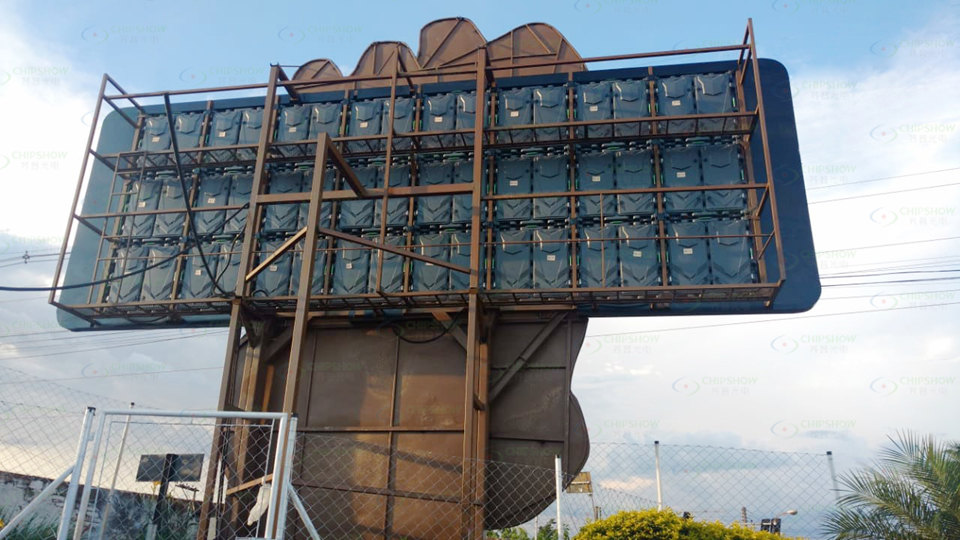
A billboard is a media asset, but it is also a structure exposed to wind, weather, vibration, heat, and maintenance loads. For LED conversions, extra weight, cabinet depth, power routing, and service access can influence the final size as much as the advertising goal.
Wind Load, Weight Limits, and Steel Structure Requirements
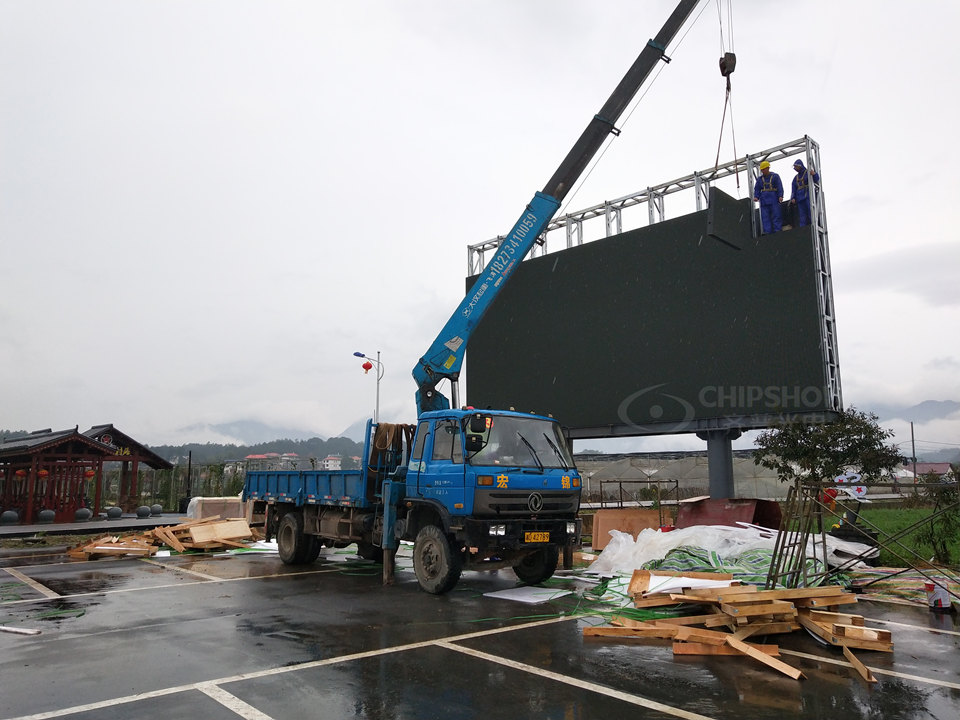
As billboard dimensions increase, wind exposure becomes a larger engineering concern. Project teams need to assess column type, foundation size, cabinet weight, service platforms, local wind requirements, and safe access for maintenance.
For digital projects, also review:
- Front or rear service access
- Cabinet depth and ventilation
- Power distribution
- Heat management
- Corrosion exposure
- Drainage and sealing
- Module replacement access
- Long-term maintenance cost
A large LED billboard should be sized after engineers review the site, structure, and installation method. Oversizing too early can lead to redesign, added steel, longer approval cycles, or reduced project margin.
Municipal Zoning Codes and Permit Restrictions by Size
Outdoor advertising near major highways is often regulated by national, state, and local rules. In the U.S., federal highway advertising control applies to certain outdoor advertising signs within 660 feet of the edge of the right-of-way and visible from the main-traveled way, while state and local rules may add limits on size, spacing, height, lighting, and zoning district.
Before committing to a display size, confirm:
- Maximum sign area
- Maximum height
- Allowed zoning district
- Required setbacks
- Spacing from other outdoor signs
- Digital dwell time and transition rules
- Nighttime brightness limits
- Structural drawing requirements
- Engineering stamp requirements
A site that looks attractive on a traffic map may still face restrictions due to residential proximity, scenic corridors, historic districts, or digital lighting rules.
How to Choose the Right Billboard Size for Your Location
The right size should come from the site first, then the revenue model. A common format can be useful, but each site has its own sightline, speed, permit path, structure, and advertiser demand. Media owners get better results when size selection is tied to field data.
Site Survey Checklist: Traffic Count, Setback Distance, and Orientation
A strong site survey captures both commercial and technical inputs. The goal is to reduce guesswork before engineering, quoting, and sales commitments begin.
| Survey Item | Why It Matters |
| Traffic count | Helps estimate audience volume and pricing potential |
| Traffic speed | Influences display size and copy length |
| Setback distance | Affects readability and minimum letter height |
| Viewing angle | Determines dwell time and visual impact |
| Obstructions | Reduces real-world visibility |
| Sun exposure | Influences brightness and contrast needs |
| Service access | Affects maintenance time and operating cost |
| Zoning category | Determines approval feasibility |
| Power availability | Critical for digital billboard planning |
| Nearby inventory | Shapes pricing and differentiation |
For a media owner, this checklist makes supplier conversations more efficient. It also helps engineers recommend realistic billboard dimensions before budgets are locked.
Chipshow Custom-Size LED Billboards for Non-Standard Installations
Some sites do not fit standard sizes cleanly. A retrofit structure may have limited steel capacity. A coastal site may face heavy wind exposure. A roadside site may need a long-view LED display with a custom ratio.
For these projects, Chipshow’s C-Vent P16 Wind-Resistant Billboard is a relevant option to evaluate. The C-Vent series is designed around ventilated, lightweight outdoor LED structures with natural cooling, P15.6/P16/P25 pixel pitch options, and high-brightness DIP346 technology for daylight visibility. For media owners working with non-standard dimensions, custom outdoor LED billboard solutions can help match the display format to the site, structure, and revenue plan.
Product selection should happen after site survey data, structural limits, permit requirements, and target viewing distance are clear. That keeps the sizing logic practical: the site defines the format, and the display system supports the business case.
Build a Billboard Size Plan Before You Invest in the Structure
Billboard dimensions shape visibility, creative design, revenue potential, structure, permitting, and LED resolution. Standard sizes such as the U.S. 14×48 billboard or the UK 3 m × 6 m 48-sheet format are useful benchmarks, but the best format depends on traffic behavior, viewing distance, local rules, and long-term maintenance needs.
For static inventory, confirm the live copy area and artwork requirements. For LED inventory, calculate pixel count from physical size and pixel pitch, then verify cabinet layout with the supplier. A well-sized billboard is easier to sell, easier to approve, and easier to operate profitably.
FAQs
Q1. What is the most common billboard size in the United States?
The 14 ft × 48 ft bulletin is one of the most widely used U.S. roadside planning formats. Posters and junior posters are also common in urban and neighborhood placements, while 14 ft × 48 ft remains a useful reference size for many large roadside media plans.
Q2. What resolution does a 14×48 digital billboard need?
There is no single required resolution. The file should match the LED screen’s native pixel matrix. Ask the supplier for pixel width, pixel height, accepted file formats, safe area, playback system requirements, and any animation or brightness restrictions.
Q3. How much does a 14×48 billboard structure cost?
A reliable budget requires engineering drawings, soil or foundation assumptions, wind requirements, steel design, access platform details, installation method, power work, and local permit costs. A supplier should quote only after reviewing site conditions and structural requirements.
Q4. Can I install a non-standard billboard size?
Yes, if the structure, site, and local approval path allow it. Non-standard billboard dimensions need careful review of zoning limits, wind load, viewing distance, maintenance access, and creative production. Confirm permits before ordering the LED display.
Q5. What is the minimum billboard size for highway visibility?
There is no universal minimum. Highway visibility depends on speed, setback, viewing angle, contrast, copy length, and obstructions. For fast traffic, larger formats and shorter copy usually perform better. A site test or visibility simulation can reduce sizing risk.
Q6. What Is the Best Pixel Pitch for a Highway LED Billboard?
The best pixel pitch for a highway LED billboard depends on viewing distance, traffic speed, screen size, and budget. P16 or P20 can work for long-distance highway viewing where drivers see large, simple messages from far away. P10 may suit closer roadside locations, slower traffic, or displays that need sharper brand visuals. Media owners should confirm the final pitch after reviewing viewing distance, native resolution, cabinet layout, and expected creative content.
Legal and Permitting Disclaimer
This article is for general billboard size planning and LED display selection only. It does not provide legal, engineering, zoning, or permitting advice. Outdoor advertising rules vary by country, state, municipality, road authority, and project site. Final approval depends on the applicable local authority, submitted drawings, engineering review, and permit documents. Media owners should confirm all size, spacing, lighting, zoning, and permit requirements with the relevant authority or qualified consultant before investing in a billboard structure or LED display.