

LED screen rental cost should be calculated as a full event budget. Panel rate, screen size, rental days, pixel pitch, cabinet weight, labor, freight, rigging, power, control gear, and support all affect the final number. A low daily panel rate can still create a high installed cost if the build is slow or freight is heavy. Rental companies need a calculator that links screen specs with site work and fleet margin.
How Much Does LED Screen Rental Cost per m² and per Day
Most rental quotes start with display area and rental duration. Site access, crew scope, and equipment needs then change the final cost.
Common per m² Pricing Logic
First, determine the size of the visible LED screen. Then round the size to the nearest buildable cabinet layout.
Screen rental cost = width × height × rate per m² per day × billable days
Example: a 5 m × 3 m (16.4 ft × 9.8 ft) wall equals 15 m² (161 ft²). If the sample panel rate is $100 per m² per day ($9.30 per ft² per day) and the billable period is three days, the panel rental cost is $4,500.
This sample only covers display panels. It does not include crew, freight, rigging, processors, cables, spare panels, power distribution, or live support.
| Pricing Item | What It Measures | Why It Affects Cost |
| Screen area | m² (ft²) | Larger walls need more panels, power, cables, and crew time. |
| Pixel pitch | mm (in) | Finer pitch raises panel cost and data load. |
| Rental period | Days | Load-in, rehearsal, show, and strike may all count. |
| Cabinet weight | kg (lb) | Weight affects labor, freight, truss load, and handling risk. |
| Environment | Indoor or outdoor | Outdoor use adds brightness, IP rating, power, and weather planning. |
Use this table when comparing supplier quotes. It keeps LED wall rental cost tied to real project inputs.
Day Rate, Setup Day, Rehearsal Day, and Strike Day
The LED screen rental price per day may not match the public event date. A one-day show can use three or four billable days.
Common billable periods include setup day, rehearsal day, show day, and strike day. Some suppliers charge full rates for each day. Others discount non-show days.
Ask how partial days, night strikes, weekend labor, and delayed returns are billed. These items can change the final stage LED screen rental cost.
What Should Be Included in an LED Wall Rental Cost Calculator
A useful calculator separates panel cost from site cost. This helps rental companies protect margin and compare quotes fairly.
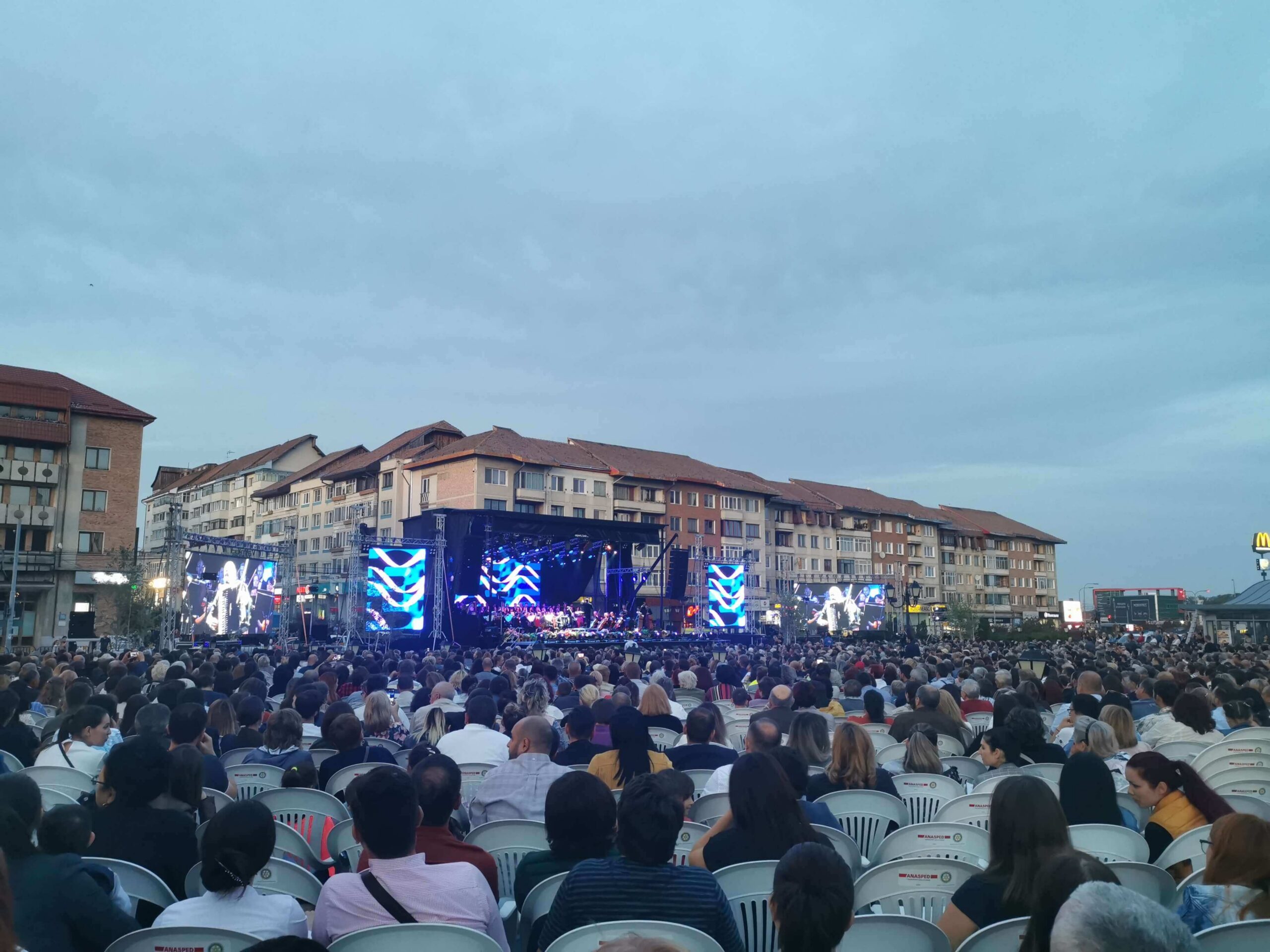
Screen Width, Height, and Total Display Area
Use the planned wall size first. Then convert that size into a buildable cabinet layout.
Total display area = screen width × screen height
Example: a 6 m × 4 m (19.7 ft × 13.1 ft) wall equals 24 m² (258 ft²). The real build may be slightly larger or smaller because LED cabinets use fixed module sizes.
Ask suppliers to quote the exact cabinet count. This prevents hidden changes in resolution, power draw, and freight volume.
Rental Duration and Event Schedule
Build the cost model around the full schedule, not the show hour.
| Time Layer | Budget Impact | What to Check |
| Inventory time | Blocks panels from other jobs. | Count days from warehouse exit to return inspection. |
| Crew time | Adds labor cost. | Include prep, load-in, show operation, strike, and overtime. |
| Venue time | Adds site risk. | Check dock access, approved labor rules, rigging windows, and curfews. |
This structure helps small and mid-sized rental companies avoid underquoting. It also gives event production teams a clearer comparison.
Labor, Transport, Rigging, and Control Equipment
Labor and rigging often decide the final cost to rent an LED screen. A lower panel rate may not save money if the system needs extra crew time.
Include these items in the calculator:
- Crew labor should cover warehouse prep, loading, setup, operation, strike, and return checks.
- Transport should cover truck size, road fees, loading windows, and case handling.
- Rigging should cover truss, motors, clamps, ballast, ground support, and inspection.
- Control gear should cover processors, sending cards, signal converters, fiber, media servers, and backup cables.
- Spare parts should cover spare panels, modules, power supplies, receiving cards, and field tools.
Ask for an itemized quote. It is easier to compare the final installed cost.
Outdoor Use, Weather Protection, and Power Requirements
Outdoor rentals need extra planning. Direct sun, rain risk, wind load, dust, and temperature can affect both product choice and budget.
Check IP rating, brightness, grounding, generator capacity, cable protection, and rain plans. IP ratings are commonly referenced through IEC 60529, which grades enclosure protection against dust and liquid ingress.
Temporary power must follow local electrical rules. For larger sites, use qualified electrical personnel and calculate the total load for LED panels, processors, audio, lighting, cameras, and backup systems.
How Do Pixel Pitch and Viewing Distance Affect Rental Pricing
Pixel pitch affects price because it controls pixel density. The right pitch depends on the nearest real viewer and the content type.
Match Pitch to the Nearest Real Viewing Distance
Use the closest audience position. Do not choose pitch based only on the back row.
Planning rule: minimum viewing distance in meters is close to the pixel pitch value in millimeters. In feet, use about 3 ft per 1 mm of pitch.
| Pixel Pitch | Metric Pitch | Approximate Minimum Viewing Distance | Common Rental Use |
| P1.9 to P2.6 | 1.9 to 2.6 mm (0.075 to 0.102 in) | 2 to 3 m (6.5 to 10 ft) | Corporate stages, close seating, product launches. |
| P2.9 to P3.9 | 2.9 to 3.9 mm (0.114 to 0.154 in) | 3 to 4 m (10 to 13 ft) | Concert backdrops, IMAG side screens, medium stages. |
| P4.8 to P5.9 | 4.8 to 5.9 mm (0.189 to 0.232 in) | 5 to 6 m (16 to 20 ft) | Outdoor stages, festivals, larger audience areas. |
| P8+ | 8 mm+ (0.315 in+) | 8 m+ (26 ft+) | Long-view outdoor screens and scenic visuals. |
A tighter pitch improves close-view detail. It also raises the LED video wall rental cost calculator output.
Use Content Type to Decide How Fine the Pitch Should Be
Fine text, product UI, sponsor slides, and close camera feeds need tighter pitch. Motion graphics, scenic backgrounds, large logos, and concert visuals can often use wider pitch.
For camera-heavy events, check refresh rate as well. A refresh rate of 3,840Hz is a practical professional baseline. 7,680Hz fits stricter broadcast, XR, and live camera workflows.
Refresh rate helps reduce camera scan lines. It does not solve all moiré issues. Moiré is also affected by camera position, lens, angle, and pixel structure.
Avoid Pixel Density That the Audience Cannot See
Overspecified pitch reduces rental profit. A P2.6 wall may look better at 2 m (6.5 ft), but that benefit may fade at 10 m (33 ft).
For rental fleets, choose panels that match many job types. Multi-use inventory often creates stronger returns than niche panels with limited demand.
Why Cabinet Weight Changes the Real Cost to Rent an LED Screen
Cabinet weight affects labor, freight, rigging, damage risk, and inventory turnover. These costs compound across repeated events.
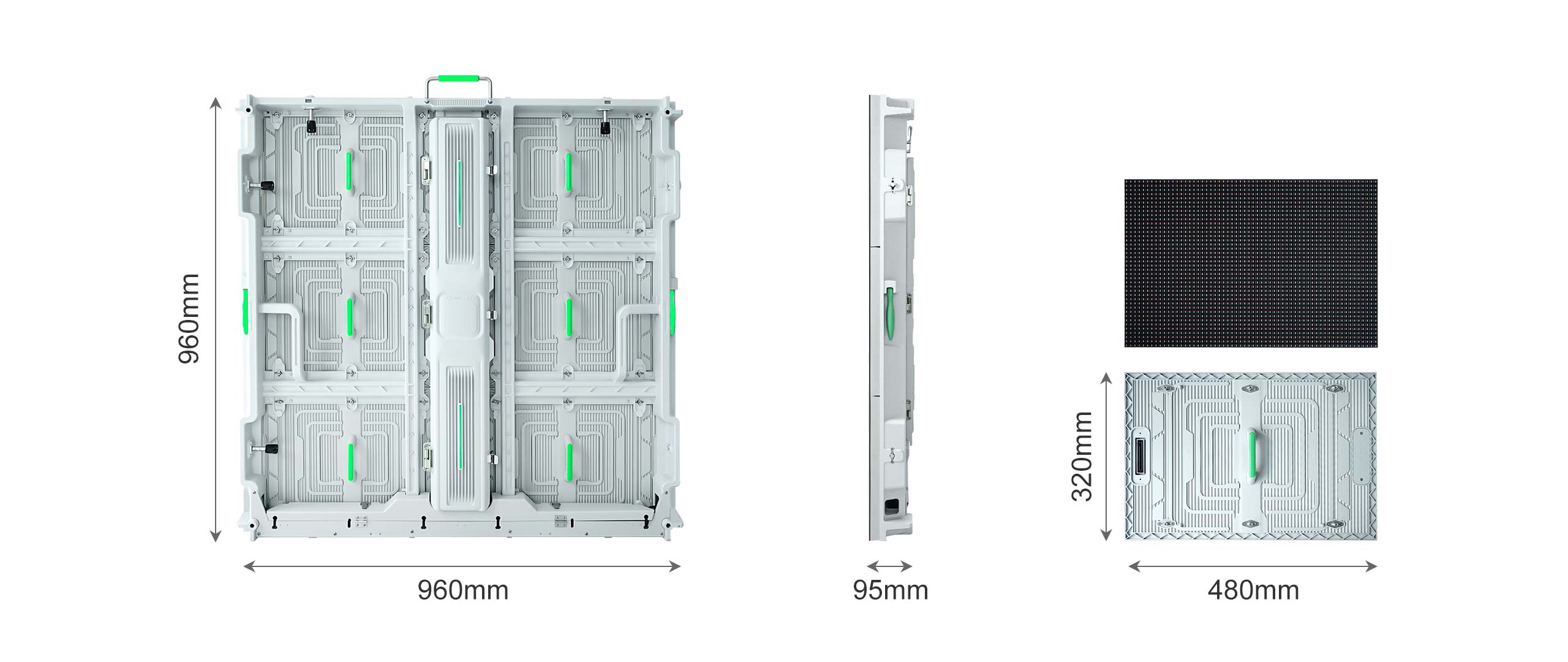
Lighter Cabinets Can Reduce Labor Pressure
Lightweight cabinets reduce strain during load-in, stacking, hanging, and strike. They can also reduce the time spent aligning and handling panels.
For large-format outdoor stage builds, Chipshow C-Carbon P3.91 fits this cost model. Each 1000 × 1000 × 83.75 mm (39.4 × 39.4 × 3.3 in) panel weighs 20 kg (44 lb) and is rated up to 6,000 nits for daylight event use. Its carbon-fiber frame and fast rigging design suit rental companies that want lower handling pressure and better fleet turnover across repeated stage rentals.
Lower Freight Load Across Repeated Events
Freight cost adds up across tours, festivals, and corporate roadshows. Weight affects truck size, case count, loading time, and crew fatigue.
A lighter cabinet system can reduce freight pressure. It can also make it easier to fit panels, control gear, and accessories into fewer vehicles.
Easier Handling Can Reduce Collision and Repair Risk
Rental panels move often. They are packed, lifted, rolled, stacked, hung, dismantled, and returned many times.
Heavy handling increases fatigue. Fatigue can raise the risk of damaged corners, broken latches, scratched modules, and alignment issues. Easier handling helps protect rental inventory.
Faster Setup Can Improve Rental Turnover Efficiency
Rental profit depends on how quickly panels return to billable use. Slow builds block inventory and increase labor cost.
Use this formula:
Fleet turnover value = rental revenue per event ÷ blocked inventory days
Blocked inventory days include prep, freight, setup, show operation, strike, return, and inspection. A faster cabinet system can improve profitability even when the panel rate stays the same.
How Should Rental Companies Compare LED Screen Rental Quotes
Quote comparison only works when size, pitch, cabinet type, and service scope are aligned.
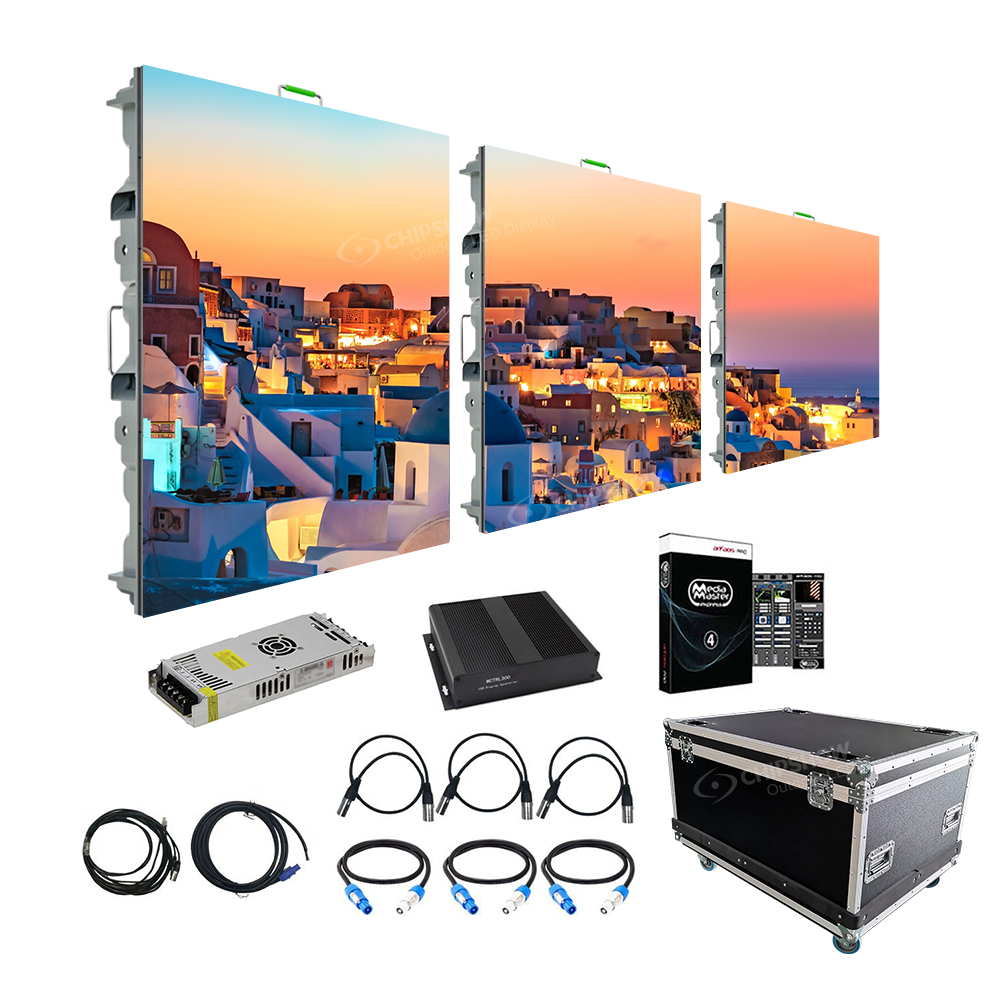
Compare the Same Size, Pitch, and Cabinet Type
Do not compare panel-only pricing with a full-service rental. Do not compare indoor fine pitch panels with outdoor touring panels.
| Quote Item | What to Compare | Why It Matters |
| Screen size | Same m² (ft²) | Area changes panel count, resolution, and power. |
| Pixel pitch | Same or close pitch | Pitch changes image detail and price. |
| Cabinet weight | kg (lb) per panel | Weight affects labor, freight, and rigging. |
| Indoor or outdoor rating | Same use environment | Outdoor protection changes cost. |
| Processor and cabling | Included or excluded | Control gear can add major cost. |
| Labor and rigging | Included or excluded | Site work can exceed panel savings. |
| Support hours | Listed clearly | Live operation and overtime affect risk. |
The lowest panel rate may not be the lowest final cost. Compare the installed and supported package.
Check Whether Labor and Rigging Are Included
Labor and rigging must be clear in writing. Ask who supplies truss, motors, ground support, ballast, and qualified riggers.
Venue rules may require approved rigging contractors or specific labor arrangements. These requirements can change the budget even if the panel rental rate stays fixed.
For outdoor ground-supported structures, design and approval may need local engineering review. In the U.S., ANSI E1.21-2024 is a useful reference for temporary ground-supported structures used in outdoor entertainment production.
Review Spare Panels, On-Site Support, and Service Terms
A rental quote should include service coverage. Live events have limited recovery time.
Check spare panel quantity, module replacement process, power supply spares, processor backup, support hours, and response time. Also confirm damage responsibility after load-in.
Build a More Profitable Stage LED Rental Budget With the Right Cost Model
A strong budget model connects panel price with operating cost. It should also protect fleet margin.
Use this full formula:
Total event cost = panel rental + labor + freight + rigging + control gear + power + support + contingency
Then add margin:
Quote price = total event cost ÷ target gross margin factor
If the target gross margin is 40%, the margin factor is 0.60. A $9,000 cost base needs a $15,000 quote.
Generic LED video wall rental cost calculator templates often ignore labor, freight, and blocked inventory days. Rental companies should add these items to avoid underpricing complex stage projects.
Specify LED Screen Rental Cost With the Right Budget Inputs
A clear LED screen rental cost model helps rental companies quote with more confidence. Start with screen area, pixel pitch, rental days, and indoor or outdoor use. Then add the costs that often decide project margin: labor, freight, rigging, control gear, power, support, and contingency. For repeated stage rentals, cabinet weight and setup speed also matter. The right cost model makes it easier to compare panels, protect profit, and choose equipment that works across more events.
FAQs
Q1. How Is the Rental Period Charged by Show Day or Calendar Day?
It depends on the contract. Many suppliers charge by calendar day, from delivery or pickup to return. A one-day event can become three or four billable days if load-in, rehearsal, show operation, and strike all use the equipment. Confirm partial-day rates and late-return charges.
Q2. What Contract Terms Should Be Reviewed Prior to Renting an LED Screen?
Review cancellation terms, insurance, damage liability, weather policy, overtime, support hours, operator scope, and spare equipment coverage. Also confirm who pays for venue delays, rigging changes, generator issues, and content format problems. These terms can affect the final LED screen rental cost.
Q3. Do Event Permits or Venue Rules Affect LED Screen Rental Planning?
Yes. Venue rules can affect rigging, temporary structures, truck access, cable paths, fire lanes, generator placement, and working hours. For planning, allow 2 to 8 weeks when permits or structural reviews are needed. Large public events may need earlier approval.
Q4. Who Is Responsible for Content Testing Prior to the Event?
The content owner usually supplies final files. The LED vendor or production team tests resolution, aspect ratio, mapping, playback, signal flow, and backup inputs. Final files should be checked at least 24 to 48 hours ahead. Live camera feeds need a separate technical rehearsal.
Q5. Can LED Screen Rental Pricing Change During Peak Event Seasons?
Yes. Pricing and availability can rise during festival season, trade show periods, sports events, and year-end productions. For standard corporate events, 4 to 12 weeks is a practical planning window. Large stage builds, touring work, and custom rigging plans may need earlier booking.