


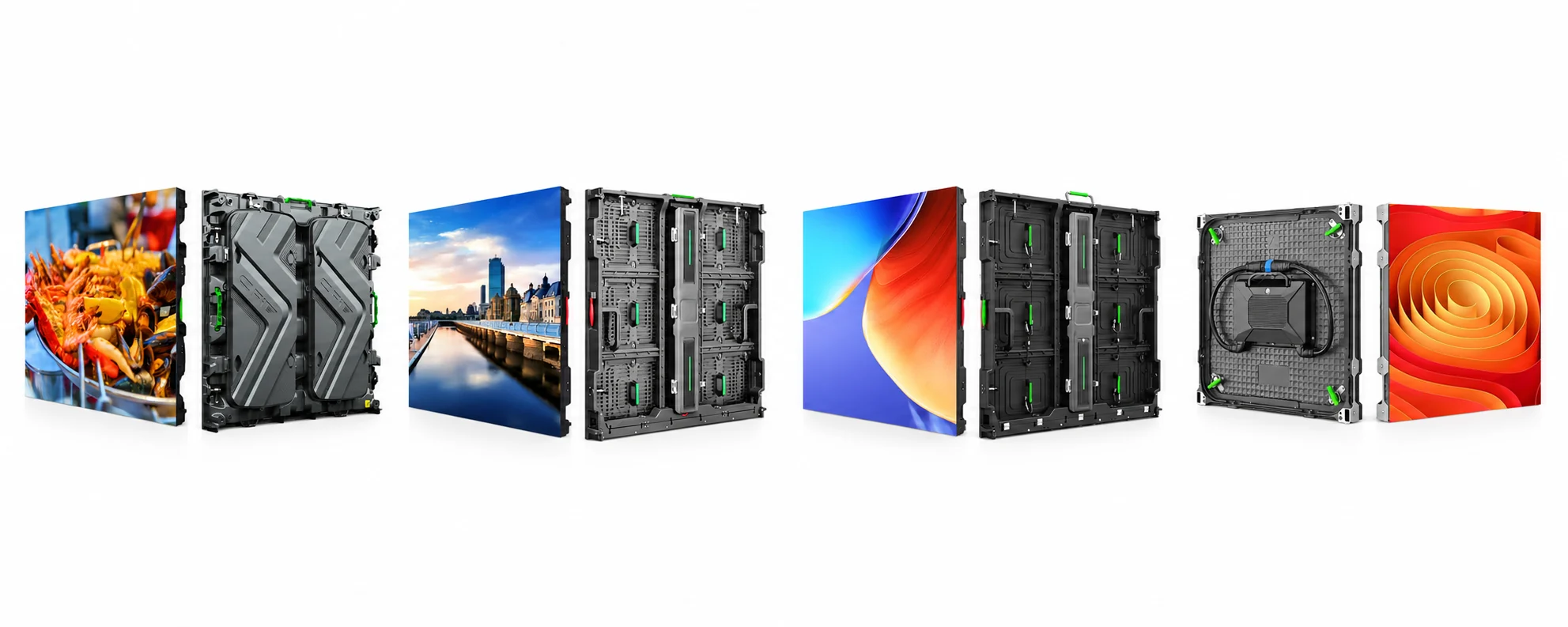
Viewing Distance
Defines pixel pitch and viewing requirements.
Provide- Viewing distance range
- Audience position
- Content viewing purpose
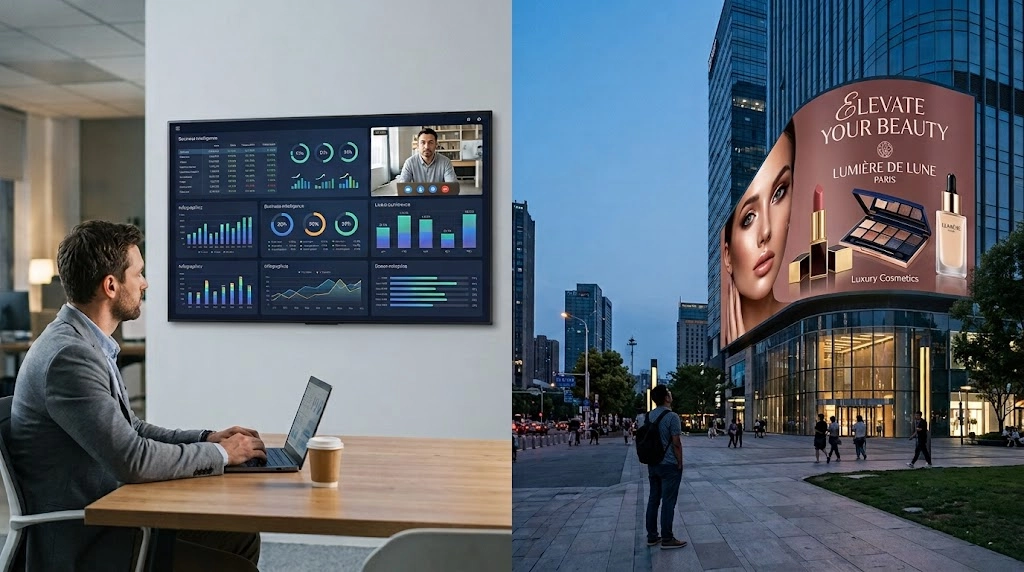

A central resource for exploring Chipshow outdoor LED applications, product series and project planning tools. Compare every supplier quotation on the same five project requirements before requesting a quote.
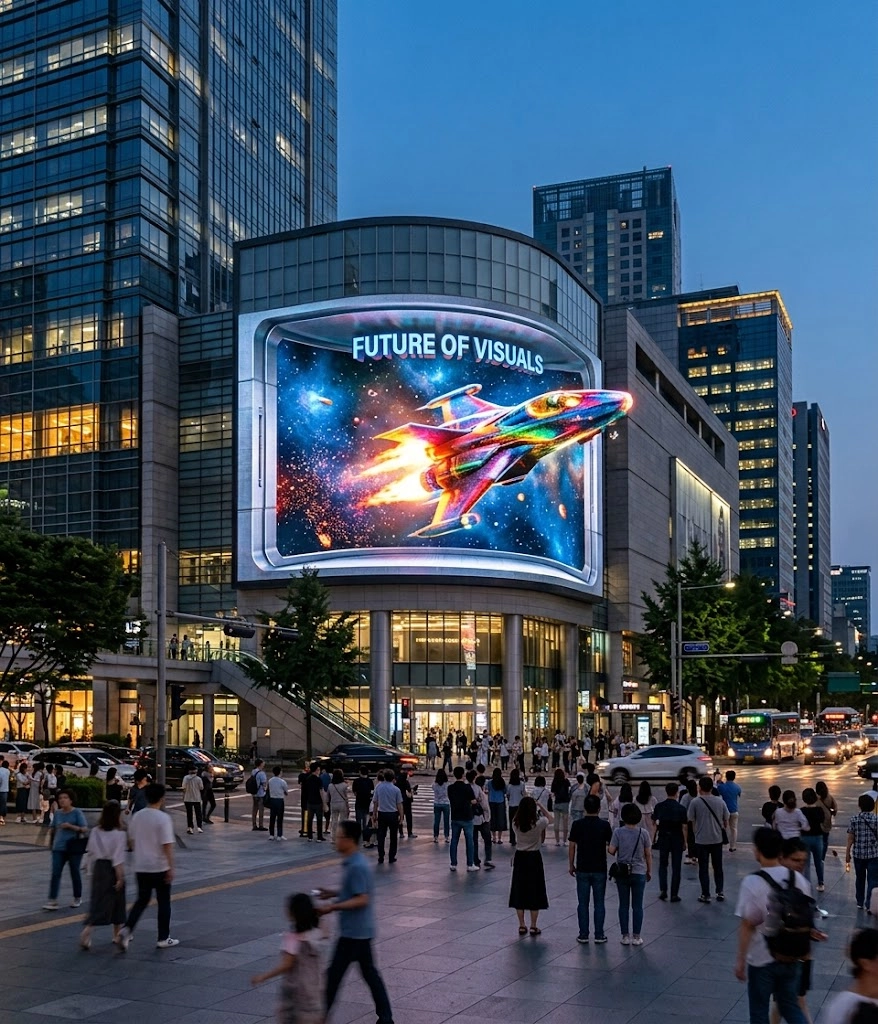
Each solution page explains the application, typical configuration approach and relevant Chipshow product routes.
Large-format digital-out-of-home advertising displays for high-brightness, high-traffic environments.
View solution → Wall-mountedBuilding-facade and wall-mounted outdoor video walls for retail and commercial frontages.
View solution → CreativeCurved and cubic LED forms for landmark and experiential outdoor installations.
View solution → Street polePole-mounted outdoor displays for roads, transit corridors and public information points.
View solution →Chipshow outdoor product series are grouped by installation type. Each category page lists the series, typical pitch ranges and configuration options.
A comparable outdoor LED quotation starts with shared project inputs and ends with model-level evidence. The four steps below show how to move from project requirements to a verified product recommendation.
Send the same five project requirements to every supplier. These five requirements define the key factors that influence LED display selection, installation planning and long-term operation.
Defines pixel pitch and viewing requirements.
ProvideIdentifies outdoor conditions and protection requirements.
Provide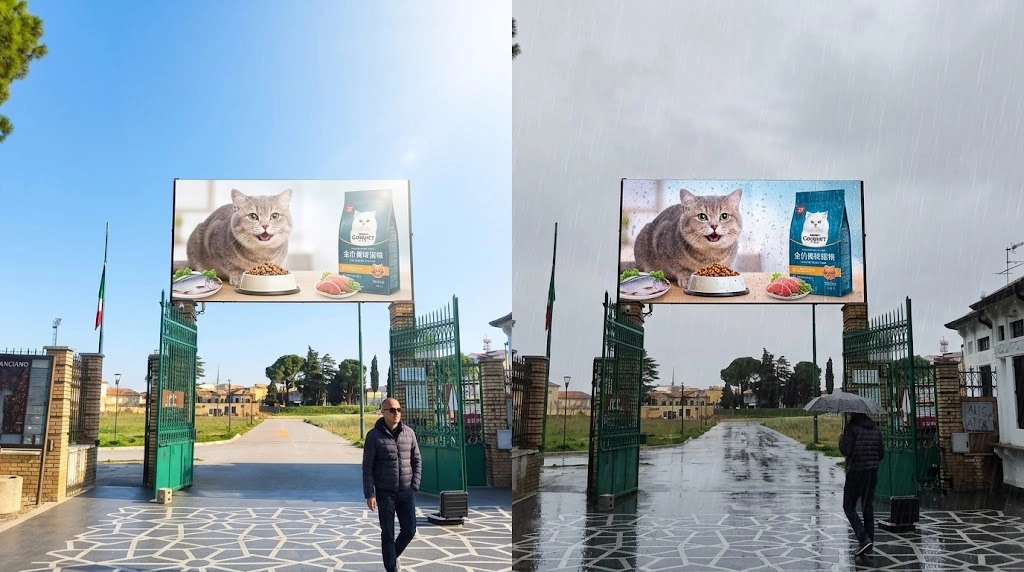
Clarifies maintenance approach and installation planning.
Provide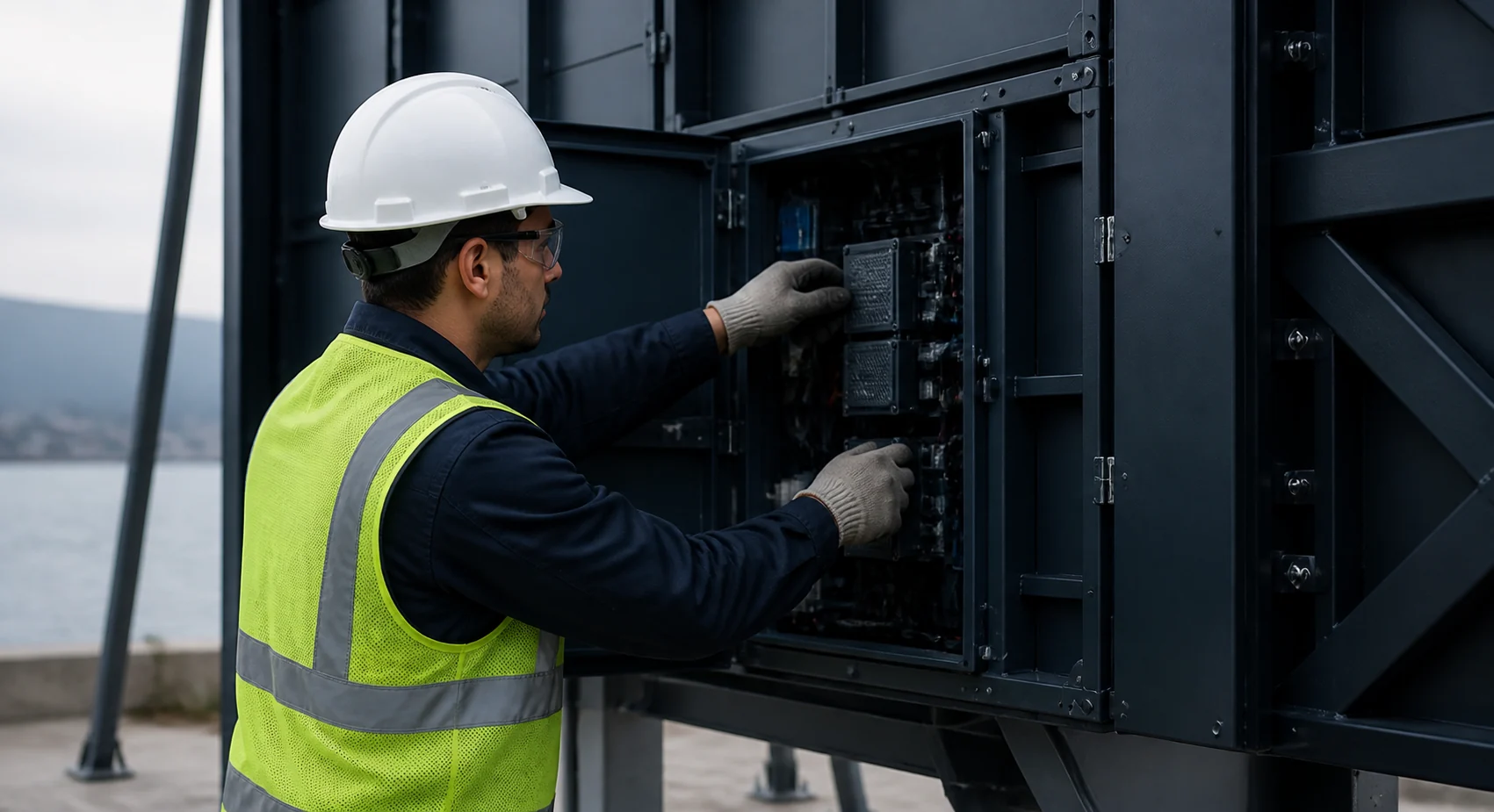
Defines structural requirements and installation conditions.
Provide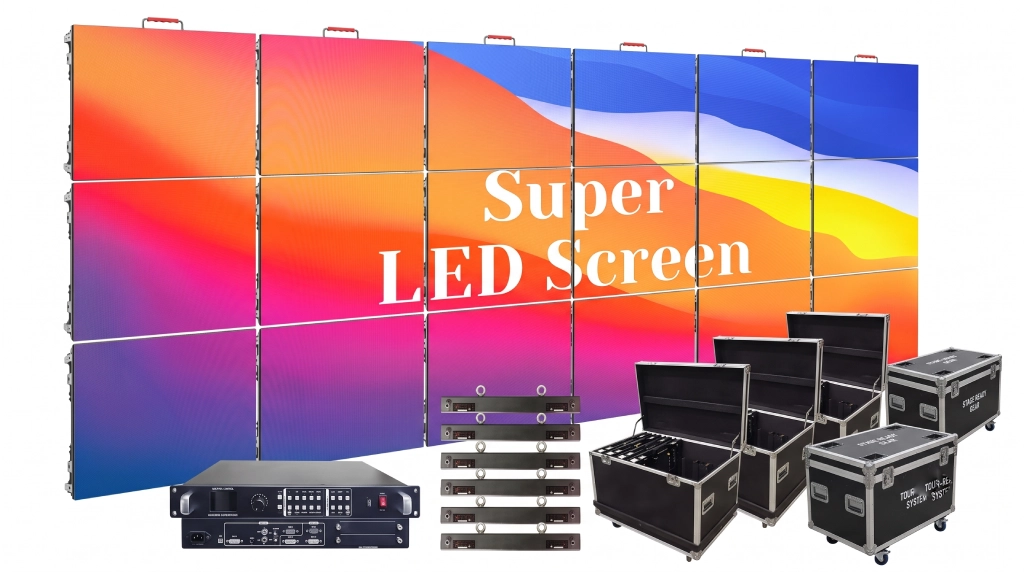
States the certification and documentation scope the project must meet.
Provide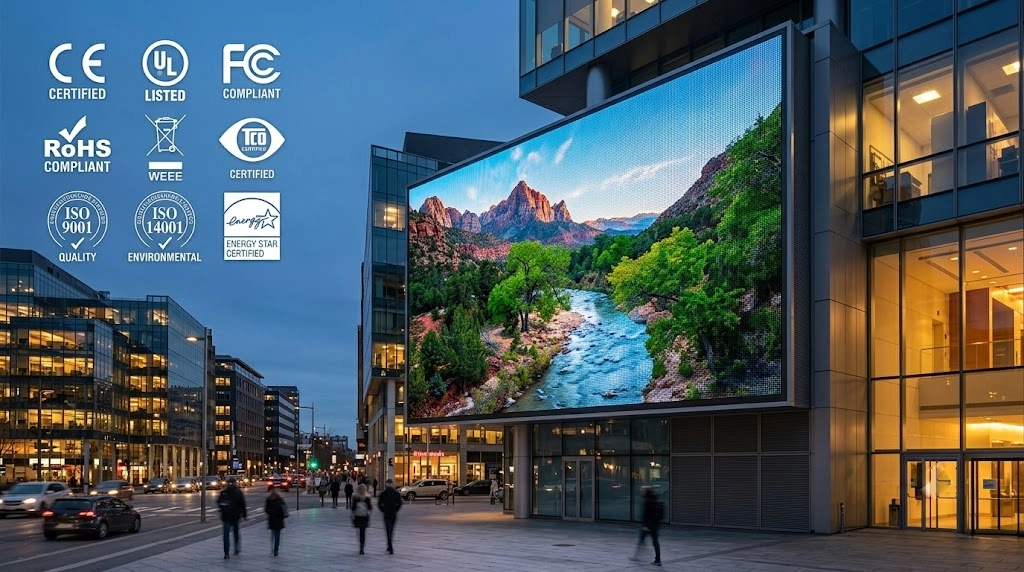
Ask every supplier to respond to the same five quotation dimensions so the returned proposals stay comparable.
A ten-row matrix links each project input to the evidence that makes a quotation comparable. Use the RFQ matrix to review supplier responses across configuration, specifications, installation and evidence. Expand the table below, or download the complete editable version.
| Project input | Why it changes the quotation | Evidence to request |
|---|---|---|
| Screen size and mounting location | Defines geometry, structure and installation access. | Dimensioned drawing and mounting context |
| Nearest and typical viewing distance | Changes readable pixel pitch and content design. | Exact pitch/model viewing data |
| Sun exposure and operating brightness | Changes optical and dimming requirements. | Brightness test and control method |
| Climate, dust, humidity and coastal exposure | Changes protection and material requirements. | Exact ingress/environment evidence |
| Front or rear service access | Changes clearance, wall mounting and downtime. | Service method for the proposed model |
| Structure and local engineering responsibility | Changes weight, wind load and installation scope. | Cabinet weight, drawings and responsibility split |
| Power input and operating hours | Changes distribution design and lifecycle cost. | Maximum/average power for exact configuration |
| Control, refresh and camera requirements | Changes processing, redundancy and content quality. | Control path and performance evidence |
| Destination market and required documents | Changes certificate and test-report scope. | Exact certificate/report identifiers |
| Spare parts, warranty and commissioning | Changes operational continuity and handover. | Named service, spares and acceptance plan |
After comparing quotations, key specifications can be matched with specific product models. The examples below show how project requirements connect to a recommended model and its documented specifications.
The C-Slim(ma) series is designed for high-brightness outdoor DOOH installations and uses a low-power common-cathode design, which suits projects with extended operating schedules.
Official specifications list a low-power common-cathode design with 14,000 nits brightness and IP65 protection.
The C-Trans series is designed for transparent display applications on glass structures, where the screen is matched to the planned installation position and viewing distance.
Official specifications list P3.91 × 7.81 mm; confirm viewing distance and brightness for the quoted configuration.
Pixel pitch depends on viewing distance, screen size, content and site conditions. Record the nearest and typical viewing distance, then ask suppliers to show how the proposed pitch fits that viewing task.
Required brightness depends on screen orientation, direct sunlight, operating hours and dimming needs. Ask suppliers to state the operating brightness for the quoted product and provide the applicable test or control method.
SMD and DIP use different LED packaging approaches. Suitability depends on viewing distance, content, exposure and the exact product design. Ask suppliers to identify the package used in the quoted product and provide specifications for that configuration.
Front maintenance can be useful when rear access is limited, but it is not automatically required for every project. Confirm the available service space and ask whether the quoted product supports front, rear or dual access.
For premium DOOH networks, compare the exact proposed configuration across operating brightness, power, cabinet weight, service access, ingress protection and supporting test records. Chipshow documents high-brightness, common-cathode and lightweight structural options on selected products; the supplier quotation must identify the exact model and evidence scope for the project environment.
Guides and articles covering panels, cabinets, selection and specification for outdoor LED projects.
Define the project requirements, prepare a comparable RFQ, then send the details for a project assessment.