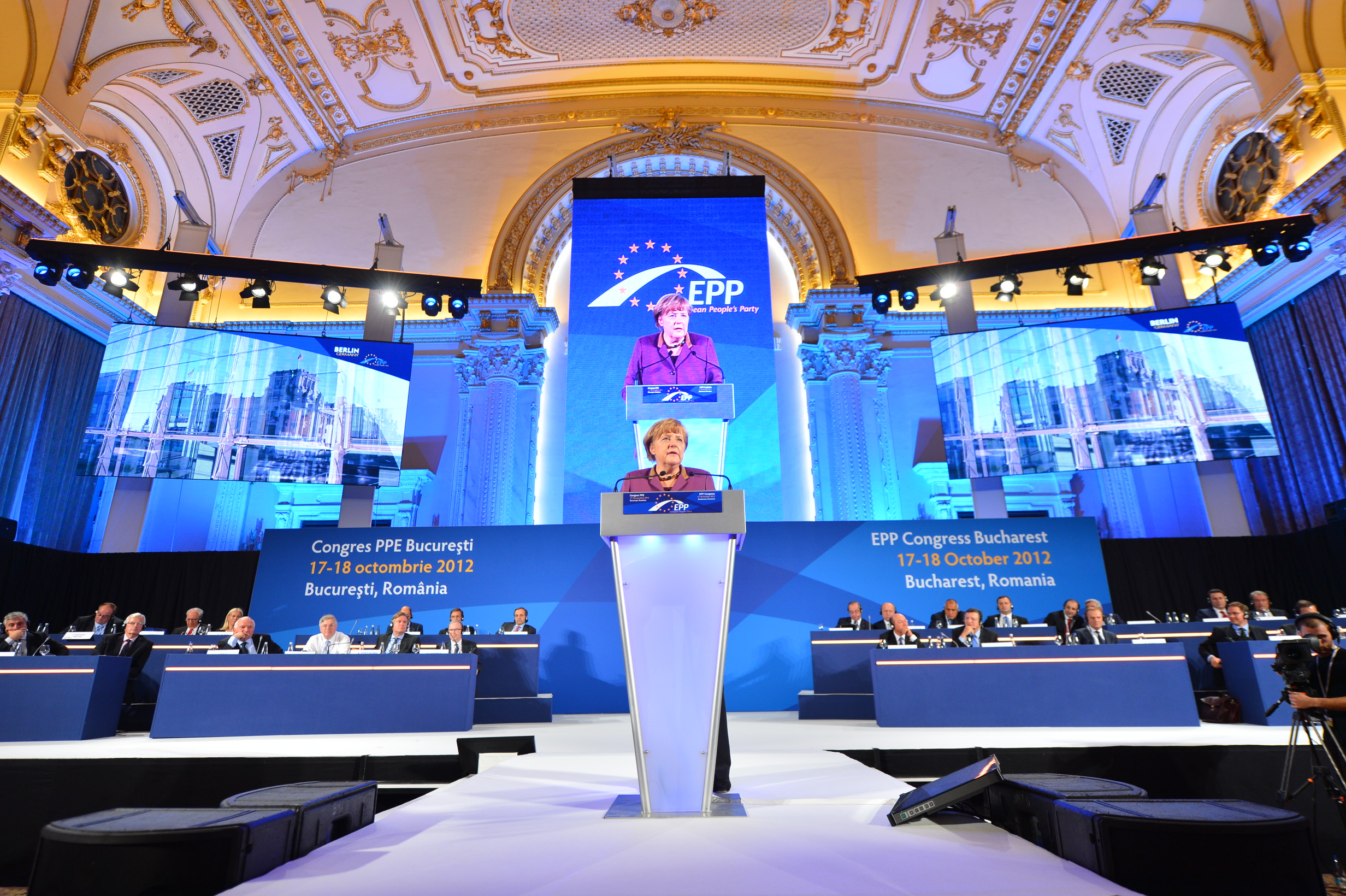
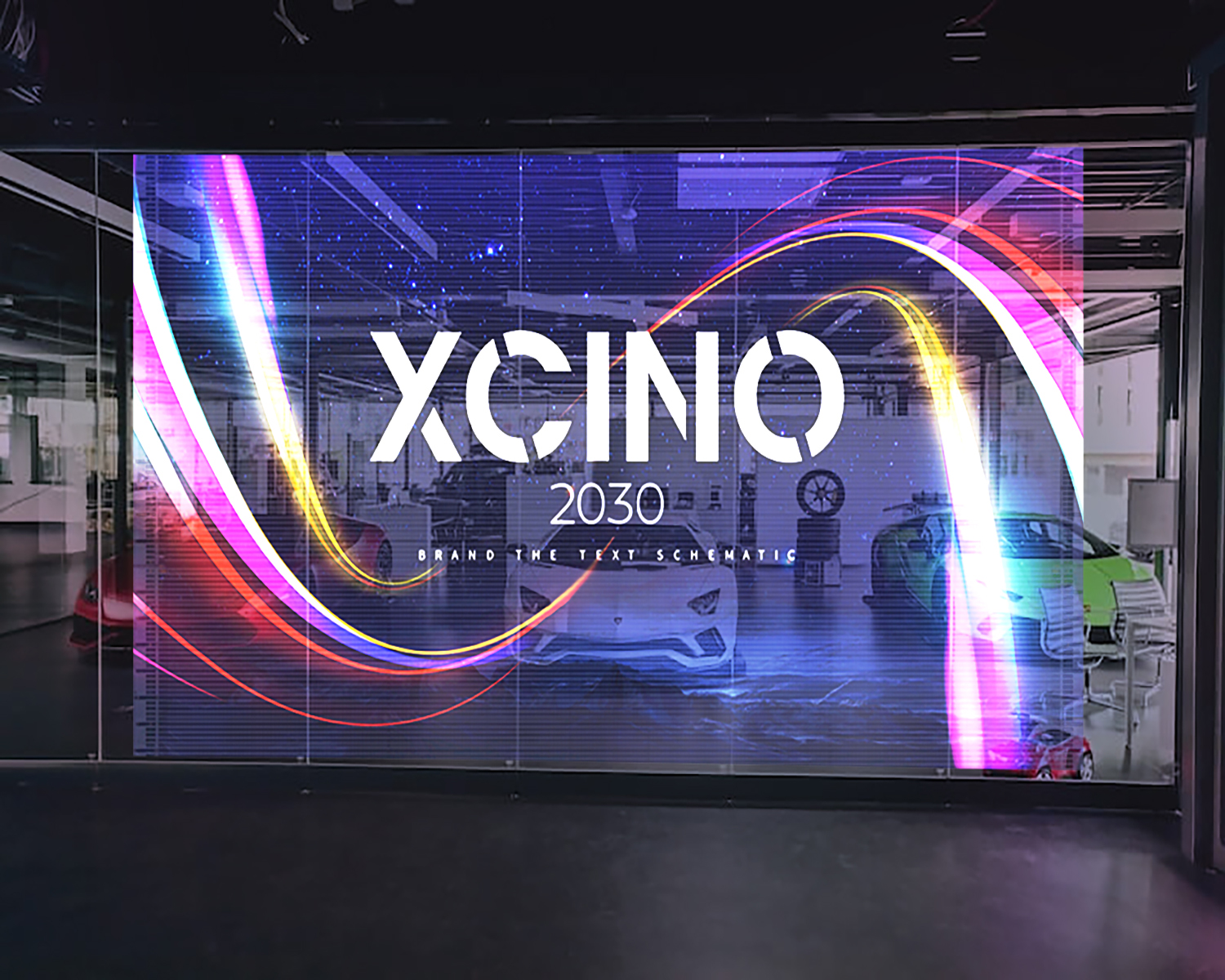
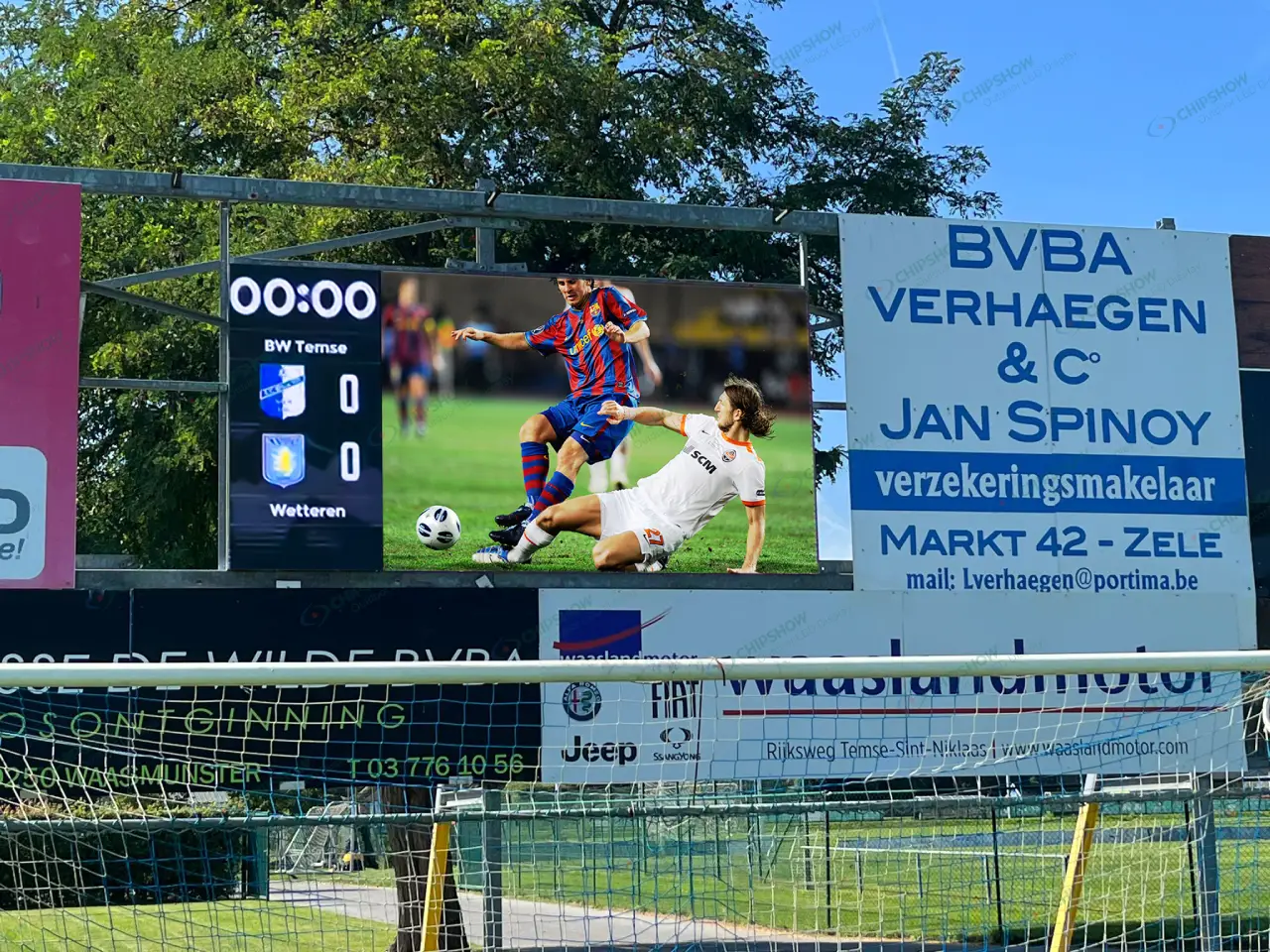
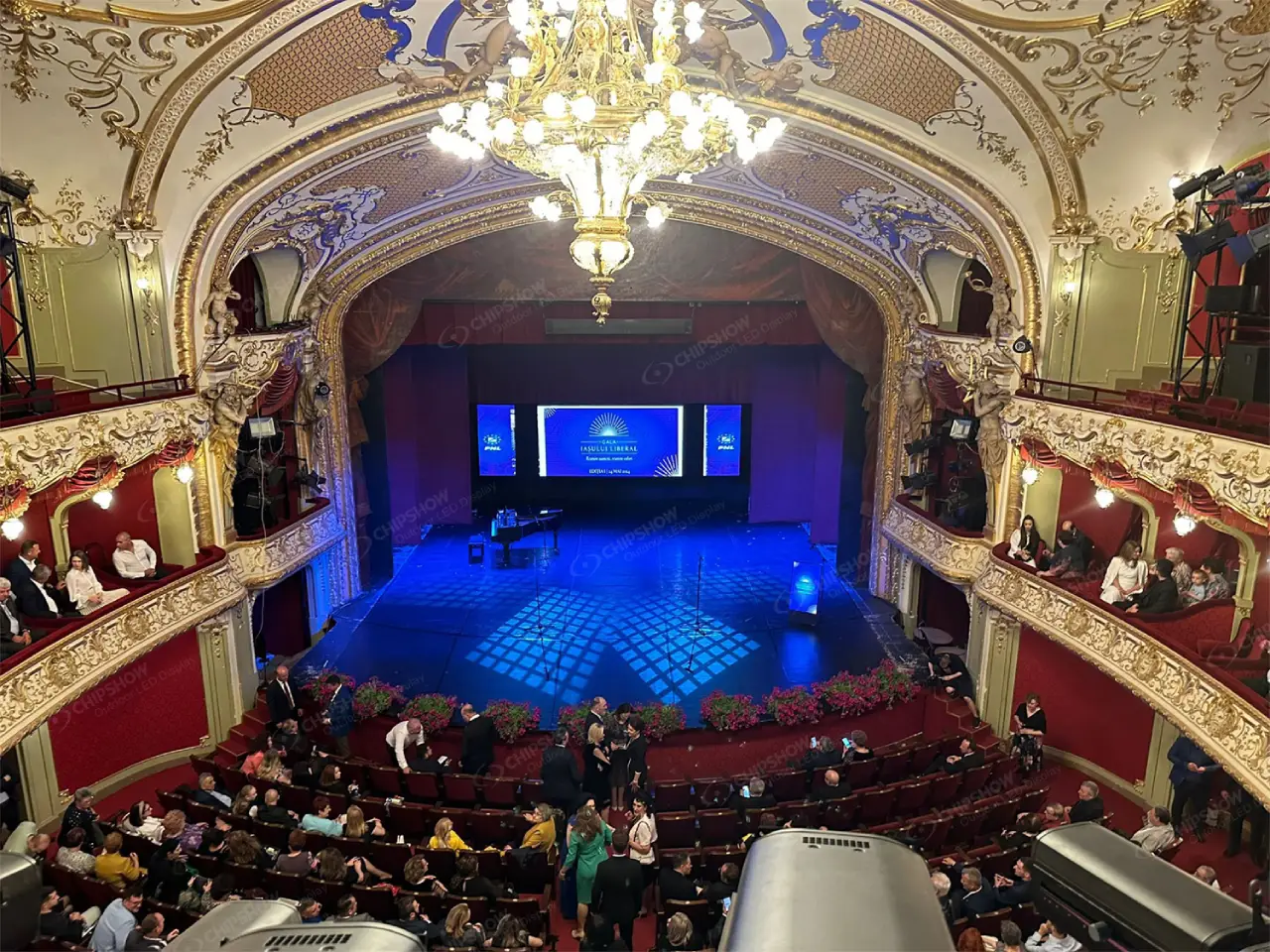
A lobby display should match screen size, viewing distance, lighting, content, and service access. The LED video wall vs LCD decision is not only about resolution. UHD and QLED are usually LCD-based choices. Direct View LED uses modular LED pixels. LCD suits smaller signage and fixed layouts. Direct View LED fits large lobby walls that need seamless visuals, flexible sizing, and front-service planning.
What Are UHD, QLED, and Direct View LED
These terms describe different parts of a display system, so buyers should compare them by structure and use case.
| Display Term | What It Refers To | Typical Lobby Format | Main Buying Point |
| UHD | A resolution standard, often 3840 × 2160 pixels. | Single LCD display or LCD video wall. | Clear detail in a fixed screen size. |
| QLED | An LCD display with quantum dot color enhancement. | Single display or tiled LCD video wall. | Stronger color than standard LCD. |
| Direct View LED | A modular display using LED pixels as the image source. | Seamless LED video wall. | Large custom size without LCD bezels. |
UHD is not a display structure. It describes pixel count. A 4K UHD display has at least 3840 horizontal pixels and 2160 vertical pixels.
QLED is still based on LCD architecture in most commercial display use. It uses a backlight, liquid crystal layer, and quantum dot material to improve color output. Quantum dot backlighting can improve LCD color gamut and light efficiency.
Direct View LED, also called DVLED, does not use an LCD panel. The LED pixels create the image light directly.
Key Differences in LED Video Wall vs LCD Lobby Projects
The main difference comes from display structure, not the label on the screen specification.
| Factor | UHD LCD | QLED LCD | Direct View LED |
| Light Source | LED backlight behind LCD. | LED backlight with quantum dot layer. | LED pixels emit light directly. |
| Screen Size | Fixed panel sizes. | Fixed panel sizes. | Modular cabinet layout. |
| Large Wall Appearance | Bezels and grid lines remain. | Bezels and grid lines remain. | Seamless after alignment. |
| Custom Shape | Limited by panel layout. | Limited by panel layout. | More flexible for wide walls. |
| Service Approach | Panel-level replacement. | Panel-level replacement. | Module-level service, often from the front. |
| Best-Fit Use | Smaller signage and standard screens. | Color-focused signage. | Large lobby feature walls. |
LCD-based displays can work well for simple lobby signage. Direct View LED becomes more suitable when the project needs a large continuous image.
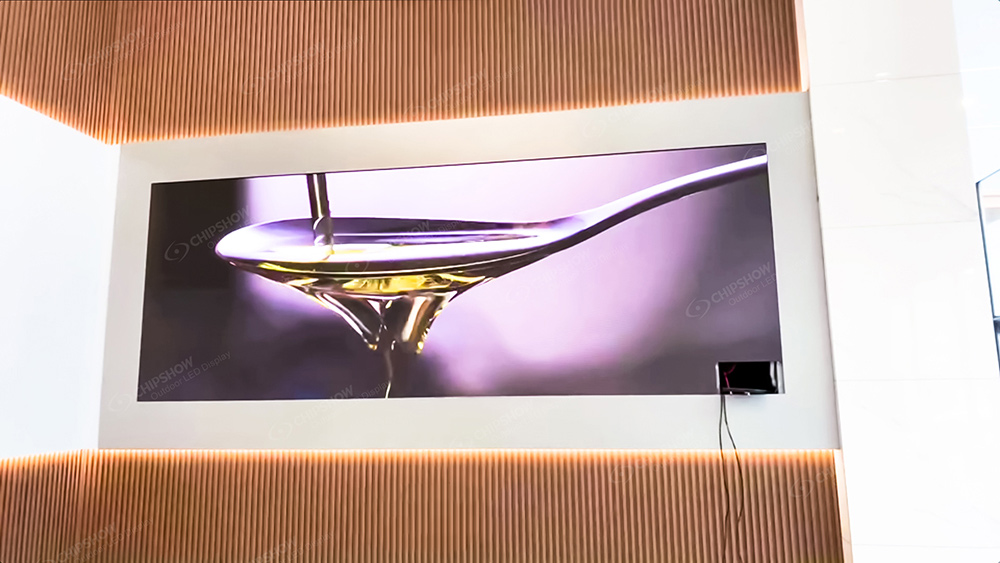
Backlit vs Self-Emissive Technology
LCD-based UHD and QLED displays need a backlight. The LCD layer controls how much light passes through each pixel.
Direct View LED is self-emissive. The LED pixels create image light directly.
This structure helps DVLED create large seamless surfaces. It also removes the bezel and grid-line issue common in tiled LCD video walls.
Brightness and Contrast Performance
Lobby brightness should match ambient light and viewing comfort.
Select lobby operating brightness from actual ambient illumination, content, and viewing comfort. Check low-gray rendering at that setting rather than treating 600–800 cd/m² as a universal operating range.
Low-brightness grayscale matters more. It shows if the screen can keep color depth and contrast after brightness is reduced.
| Performance Factor | UHD or QLED LCD | Direct View LED |
| Bright Lobby Use | Works in controlled light. | Works well across large calibrated surfaces. |
| Dark Image Areas | Limited by backlight control. | Better pixel-level light control. |
| Low-Brightness Image Depth | Depends on panel quality. | Strong when grayscale processing is good. |
| Camera Use | Depends on panel refresh behavior. | 3,840 Hz or higher is common for indoor LED. |
Refresh rate helps reduce camera flicker and scan lines, but it does not fully solve moiré. Moiré is affected by pixel pitch, camera settings, viewing distance, and content design.
Scalability and Seamless Display Capability
Large lobby displays often exceed standard LCD sizes.
| Requirement | UHD LCD | QLED LCD | Direct View LED |
| Single screen under 2.16 m (85 in) | Suitable. | Suitable. | Often unnecessary. |
| Large reception wall | Needs tiled panels. | Needs tiled panels. | Built from modular cabinets. |
| Seamless brand visuals | Bezels remain visible. | Bezels remain visible. | No LCD bezels or grid lines. |
| Custom width | Limited. | Limited. | Flexible with planned cabinet layout. |
| Future expansion | Difficult after installation. | Difficult after installation. | Possible with matched modules and control planning. |
For LED video wall vs LCD decisions, wall size is often the turning point. LCD fits standard rectangles. Direct View LED fits larger custom canvases.
Why Direct View LED Is Popular in Modern Lobbies
DVLED works well in lobbies because it can create a large digital surface without LCD panel borders.
A lobby is not a meeting room. Viewers move through the space. They look from different distances and angles.
Direct View LED can support these lobby needs:
- Seamless scale. The image appears as one continuous wall.
- Flexible sizing. The screen can fit reception walls, atriums, and wide brand areas.
- Wide viewing zones. Content can stay readable from different lobby paths.
- Front service. Modules can be reached from the front in wall-mounted projects.
- Mixed content use. The screen can show welcome messages, wayfinding, event notices, and brand films.
Pixel pitch is the key DVLED specification. A smaller pitch gives more detail, but it also raises cost.
Treat viewing-distance shortcuts as preliminary layout aids, not visual-acuity thresholds. Compare representative text and video from the nearest viewing position and confirm the pixel canvas before selecting pitch.
Illustrative layout distance: m ≈ pixel pitch (mm); verify content and viewer acceptance.
Equivalent illustrative distance: ft ≈ pixel pitch (mm) × 3.28; not a guaranteed minimum.
| Pixel Pitch | Illustrative Viewing Zone | Typical Lobby Use |
| P0.78–P1.2 mm | Under 1.5 m (5 ft) | Close-view premium reception walls. |
| P1.2–P1.8 mm | 1.5–3.0 m (5–10 ft) | Executive lobbies and presentation zones. |
| P2.0 mm+ | 3.0 m+ (10 ft+) | Hotel lobbies, atriums, and public interiors. |
Pixel pitch should be selected based on the nearest real viewing position. AVIXA’s pixel pitch guidance connects pixel pitch with viewing distance, resolution, image quality, and cost, so choosing a finer pitch than the space requires can increase costs without adding visible value.
Cost and Maintenance Considerations
A lobby display should be evaluated by upfront cost, service access, content needs, and long-term operating pressure.
| Cost Factor | UHD or QLED LCD | Direct View LED |
| Initial Equipment Cost | Lower for smaller screens. | Higher for large seamless walls. |
| Installation Planning | Simple for single displays. | Needs cabinet layout and calibration. |
| Visual Seams | Bezels and grid lines remain. | Seamless after alignment. |
| Service Access | Panel replacement may disrupt use. | Front-service modules can reduce disruption. |
| Content Flexibility | Strong for standard signage. | Strong for large brand surfaces. |
| Long-Term Value | Good for simple displays. | Strong for high-traffic premium spaces. |
For small lobby signage, LCD can be cost-effective. For a large reception wall, visible bezels can reduce the intended visual impact.
For LCD retrofit projects, Chipshow C-Max Commercial fits this decision point. It uses a 640 × 480 × 70 mm cabinet, equal to 25.2 × 18.9 × 2.8 in. The listed commercial configuration covers P2.0 / P2.5 / P3.0 / P4.0 mm. Its native 4:3 cabinet format supports LCD video wall replacement planning. Full front maintenance helps lobby projects where rear access is limited. The 5.0–7.5 kg cabinet weight, equal to 11.0–16.5 lb, can also reduce structural pressure during wall-mounted indoor installations.
Maintenance planning should include spare modules, calibration workflow, controller access, heat management, and response terms. AVIXA also notes that video wall planning should account for display type, installation conditions, and project requirements.
Ask for the supplier’s brightness-retention threshold and test conditions. If operational half-life means L50, it describes output declining to 50% of the initial reference; it does not establish when the complete wall fails.
How to Choose Between UHD, QLED, and DVLED for a Lobby
Start with the real use case, then match the display structure to the space.
| Lobby Requirement | Better-Fit Option | Reason |
| Single screen under 2.16 m (85 in) | UHD or QLED LCD | Lower cost and simple mounting. |
| Basic wayfinding or notices | UHD LCD | Good for standard signage. |
| Richer color in a bright interior | QLED LCD | Quantum dot layer can improve color. |
| Large seamless feature wall | Direct View LED | No LCD bezels or grid lines. |
| Custom wall size | Direct View LED | Modular cabinets support flexible layouts. |
| Close-view premium lobby | Fine-pitch Direct View LED | Pixel pitch can match short viewing distance. |
| Limited rear access | Front-service Direct View LED | Modules can be serviced from the front. |
For UHD vs QLED, ask if color improvement matters enough to justify the price gap.
For Direct View LED vs LCD, ask if the lobby needs scale, seamless presentation, and custom sizing.
For LED video wall vs LCD, start with screen size, viewing distance, service access, and content resolution.
Match the Right LED Video Wall vs LCD System to Your Lobby
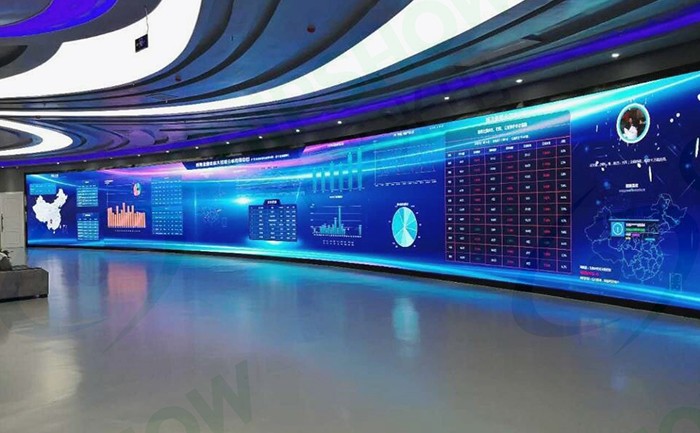
Each lobby needs a display system matched to its space and use case. UHD and QLED LCD displays suit smaller signage, fixed layouts, and cost-sensitive projects. Direct View LED suits large seamless walls, custom formats, and high-traffic reception areas. Match the choice to viewing distance, wall size, ambient light, service access, and TCO.
FAQs
Q1: Is DVLED Better Than LCD or QLED for Lobbies?
It depends. DVLED is usually better for large seamless lobby walls. LCD or QLED can be better for smaller screens, simple signage, or tighter budgets. Compare wall size, viewing distance, visible bezels, service access, and long-term use first.
Q2: What Is the Difference Between UHD and LED Video Walls?
UHD is a resolution term, usually 3840 × 2160 pixels. An LED video wall is a display structure. A UHD display can be LCD-based. A Direct View LED wall can reach different resolutions through screen size, pixel pitch, and cabinet layout.
Q3: Can LED Walls Replace LCD Video Walls?
Yes, LED walls can replace LCD video walls in many lobby projects. The replacement plan should check wall load, cabinet depth, power, control system, content resolution, and service access. LED is strongest when the current LCD wall has distracting bezels or grid lines.
Q4: Does a Lobby LED Video Wall Need Native 4K Content?
Not always. A lobby LED wall needs content that matches its actual pixel layout. Some wide LED walls use custom resolutions, not standard 16:9 4K. Ask the integrator for the canvas size in pixels, then produce content at that exact resolution.
Q5: Is LCD Still Better Than DVLED for Close-Range Detail?
Sometimes. LCD can still deliver high pixel density at small sizes. DVLED becomes more practical as screen size increases and seamless presentation matters. For close viewing under 1.5 m (5 ft), fine-pitch LED is needed, which raises cost. Viewing distance should guide the choice.