


COB means chip-on-board: LED dies are mounted directly to a substrate. For a video display, packaging is one part of the decision; image quality, service requirements and the intended environment must be assessed for the proposed configuration.
COB, SMD and GOB describe different construction choices
COB, SMD and GOB describe different aspects of construction. Their names do not replace a comparison of the actual displays and the conditions in which they will operate.
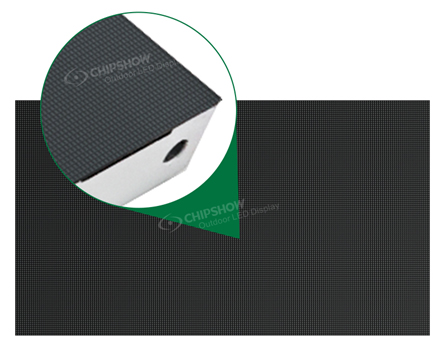
Distinguish die attachment from protective treatment
In a conventional SMD display, packaged LEDs are mounted to the display board. COB describes direct die attachment to the substrate. GOB, or glue-on-board, commonly refers to a protective treatment applied over an assembled module, often an SMD module. Ask the supplier to describe the actual construction rather than treating these labels as interchangeable protection ratings.
Compare candidate displays under matched conditions
Start with the content, display dimensions and intended viewing environment. Where possible, compare alternatives using the same source material, similar image settings and the same viewing positions. Record differences in the proposed configuration so that a demonstration does not quietly become a comparison of unrelated systems.
- Text and fine detail: show the smallest important labels from your actual content.
- Image consistency: review neutral fields, gradients and dark scenes at the intended operating settings.
- Surface appearance: examine reflections under lighting relevant to the installation.
- Protection: request the test scope and conditions for the exact module or cabinet being offered.
These are evaluation steps, not claims that one construction will outperform another. The advertising pixel pitch explainer addresses pixel spacing and advertising-copy legibility; it does not replace a model-specific demonstration.
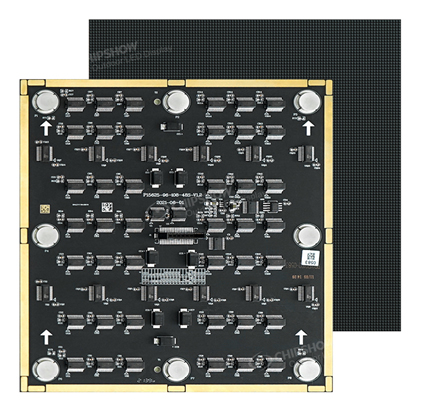
Ask how repairs will work
Confirm what can be replaced on site, what must return to a service facility and how replacement modules will be matched and configured. Request cleaning and handling instructions for the proposed surface treatment. A protective layer should not be assumed to eliminate maintenance or make every cleaning method suitable.
For control, signal-path and acceptance questions, use the LED display system evaluation guide. Keep a written record of the demonstrated model and settings, especially if the quotation later changes.
Choose the documented fit
Use the business LED display selection guide to connect packaging choices with the wider purchasing brief. A defensible decision identifies the required viewing task, the evidence supplied, the service arrangement and any unresolved exceptions. Choose the configuration that satisfies those requirements, not a technology label presented as a universal guarantee.





