


Smart pole ownership and maintenance model decisions go wrong when cities treat the pole, the attached systems, the network, and the software as one asset. In practice, control is layered: one party may own the pole, another may own the devices, and a third may control data or software access. The right smart pole ownership maintenance model is the one that makes those layers explicit before procurement, not after installation.
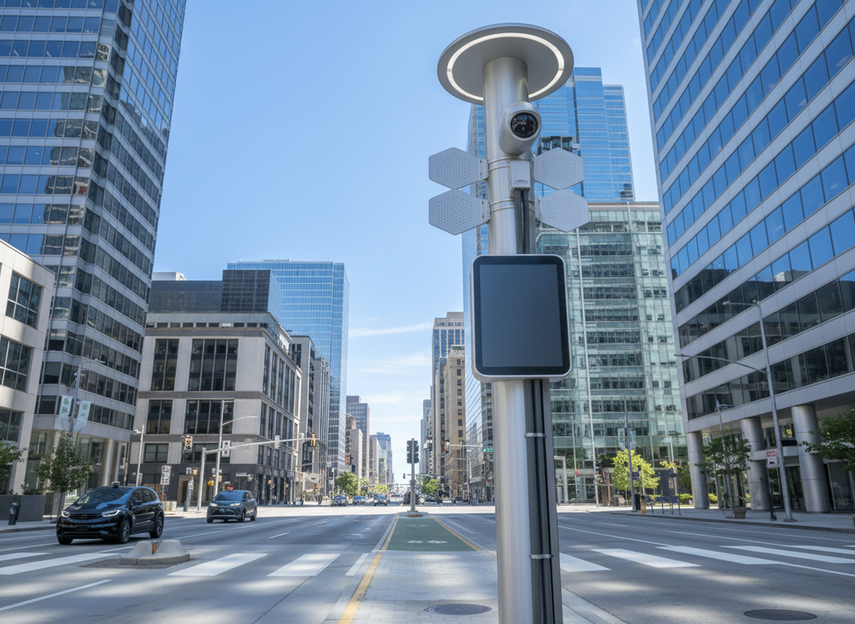
Who Owns the Pole and What They Control
Ownership Layers in a Smart Pole Project
A smart pole project usually has at least four ownership layers: the physical pole, the mounted devices, the network layer, and the software or data layer. That distinction matters because a city can own the base structure and still not own every sensor, dashboard, or communications link attached to it. The Town of Herndon & Vivacity Smart Pole Pilot Agreement is a concrete example of split title ownership, with different parties holding rights in different parts of the system.
For cities, the key question is not just "who owns the pole?" but "who can approve changes, who can access records, and who can replace the system later?" That is why a smart pole ownership maintenance model should be mapped in separate buckets before award. If the asset map is vague, responsibility tends to blur as soon as new hardware or software is added.
Municipal Control Versus Vendor Control
Municipal control and vendor control are not the same thing. A city may own the streetlight asset or the pole itself, yet still rely on a vendor for software access, service permissions, or communications infrastructure. In New York’s municipal streetlight acquisition framework, the city’s ability to acquire assets is tied to gaining more control over smart-city deployment and long-term dependence on utility leasing structures, which shows why ownership can be a governance tool, not just a balance-sheet item Smart Street Light NY.
If the city plans to add a smart pole LED screen, cameras, sensors, or other future attachments, it should define who can approve upgrades, who can schedule service, and who can revoke or transfer access. Otherwise, the city may technically own the structure but still need vendor approval for routine changes.
Asset Registers and Acceptance Handoffs
A city should not accept a smart pole deployment without a usable asset register. At minimum, the handoff should list each pole, each attachment, owner identity, warranty status, service contact, and the party responsible for future replacement. A GIS-based inventory is a practical way to track pole capacity and maintenance history, especially when the same pole may host lighting, connectivity, and multiple city systems asset protection and policy creation.
This is where many projects slip: the hardware is installed, but the city cannot easily tell what is under warranty, what is city-owned, or who should respond when something fails. A clean acceptance package reduces later disputes and makes the smart pole ownership maintenance model easier to enforce over time. A city with incomplete records usually has weaker leverage during repairs, upgrades, or rebidding.
Which Maintenance Tasks Belong to Whom
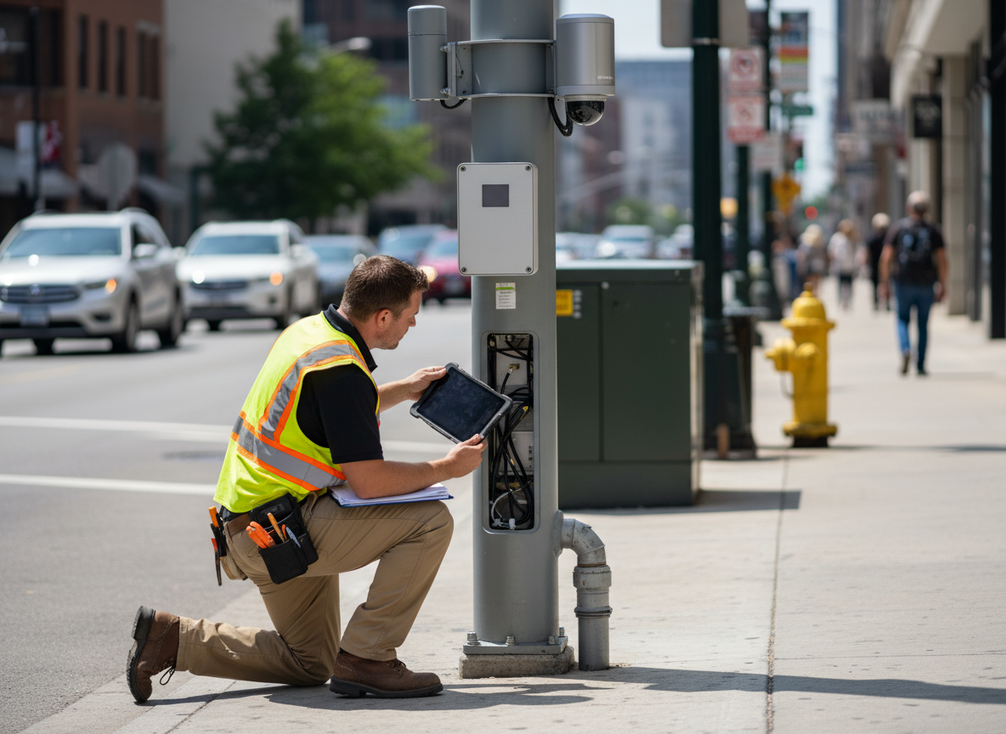
When multiple systems share one pole, maintenance should be split by function rather than assumed from ownership alone. Structural issues, electrical service, device failures, network support, and software upkeep often belong to different parties. The Chicago smart lighting RFP clarifications show this split clearly: the city retained responsibility for structural issues, while device-level warranty and software support sat elsewhere Chicago Smart Lighting RFP Clarifications.
| Maintenance Category | City | Prime Contractor | Network Partner | Software/Vendor Operator |
|---|---|---|---|---|
| Pole structure and knockdowns | Usually primary | Support | No | No |
| Lighting hardware failures | Sometimes shared | Often primary | No | Sometimes |
| Sensors and mounted devices | Sometimes shared | Often primary | No | Often primary |
| Connectivity and backhaul | Sometimes | Sometimes | Often primary | Sometimes |
| Firmware and software updates | Rarely | Sometimes | No | Often primary |
| Emergency response and callouts | Usually coordinated | Often primary | Sometimes | Sometimes |
| Replacement cycle planning | Shared | Shared | No | Shared |
| Permits and change approvals | Usually primary | Support | No | No |
That matrix is a planning model, not a universal rule. The value is in forcing a city to answer who pays for the first callout, who pays for the upgrade, and who carries the replacement cycle. If the contract does not separate those duties, billing disputes often show up later around firmware, emergency repairs, or hardware end-of-life.
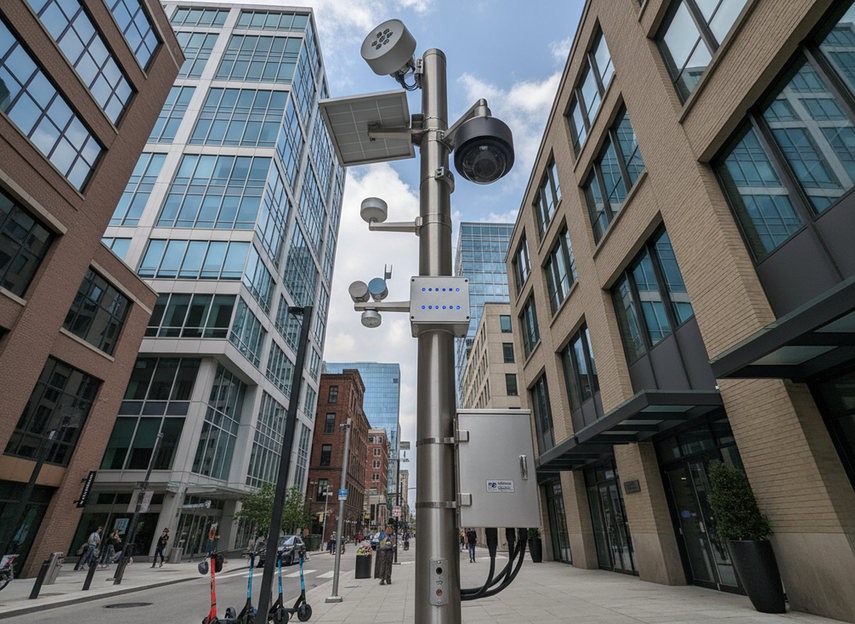
A useful test is simple: if a fault affects the pole itself, the city often stays involved; if it affects a component or software layer, the service obligation often shifts to the party that supplied or operates that layer. The smart pole ownership maintenance model becomes manageable only when those lines are written down before the first outage.
How Shared Systems Change the Governance Model
Shared Infrastructure Governance
The more systems share one pole, the more the city needs a governance model, not just a procurement file. Lighting, sensors, connectivity, and displays can all create different approval paths, service expectations, and upgrade dependencies. That is why cross-department control matters: transportation, public works, IT, and procurement may all need a role in deciding what gets attached and who can change it.
A smart pole is easier to manage when the city treats future add-ons as a governed process. That means defining attachment standards, approving who can mount new devices, and setting the order in which competing uses get priority. Without that structure, the pole can become a passive host for unrelated systems that are difficult to coordinate later.
Software, Data, and Access Rights
Data governance is often where smart city projects get stuck. Contract review sources note that data ownership is one of the most contested provisions in smart city PPPs, which is why cities should separate raw data rights from platform licensing and analytics rights AI Lawyer Bench. The city may own the pole, but that does not automatically mean it controls every dashboard, export format, or sub-processor relationship.
For planning purposes, separate three questions. Who has admin access? Who can approve updates? Who owns or can export the operational data? Those answers are not interchangeable. If the city only has read-only access, it may struggle to migrate the system later even if the hardware remains on public land. In other words, the governance layer can create dependency even when the physical asset is public.
Operations, Escalation, and Service Windows
Shared poles also need a clear operating path when something fails. The city should know who receives the first call, who diagnoses the issue, and who has authority to shut down or isolate a component. Service windows matter because multiple agencies or vendors can otherwise spend time passing a fault around instead of fixing it.
A single contact path and a written escalation sequence are simple but effective controls. They keep outage response from becoming a jurisdiction fight. For cities with several departments involved, the best operating model is the one that reduces handoff friction, not the one that looks neat on paper.
Ownership and Maintenance Models Compared
| Model | City Control | Vendor Responsibility | Budget Predictability | Lock-In Risk | Best Fit |
|---|---|---|---|---|---|
| Municipal-owned, city-maintained | High | Low to medium | Medium to high for the city | Lower if records stay portable | Cities with strong in-house staff |
| Municipal-owned, vendor-operated | High on paper, mixed in practice | High | More predictable day to day | Medium | Cities that want control but need outside operations |
| PPP split ownership | Shared | Shared | Contract-dependent | Medium to high if exit rights are weak | Corridors with shared risk and staged deployment |
| Concession-style control | Lower | High | Often structured through availability terms | Higher if transfer rights are weak | Projects prioritizing speed and private delivery |
The DDOT Smart Street Lighting Project Agreement is one example of a PPP structure that shifts performance and technology risk to the private partner in exchange for availability-style payments. That model can work, but it usually trades direct control for clearer delivery responsibility. If a city needs frequent reconfiguration or expects many future attachments, a fully locked concession can become harder to manage.
The right model depends on capacity and corridor goals. A city with a strong asset team and long upgrade horizon may prefer municipal ownership because it preserves choice. A city that wants faster deployment and is willing to accept more contract dependence may prefer a vendor-operated or PPP structure. The main decision is not which model sounds modern; it is which one keeps future rebidding and upgrades realistic.
How to Reduce Vendor Lock-In
The most useful anti-lock-in moves are contractual, not just technical. Koley Jessen’s vendor lock-in guidance highlights transition assistance, open standards or open APIs, and data portability as practical levers. In a multi-vendor smart pole project, that means the city should ask for exportable records, defined handoff support, and a clear migration path before signing.
- Require transition assistance that covers export, migration, documentation, and a reasonable support window after termination.
- Require machine-readable access to asset inventories, maintenance logs, and configuration records.
- Require open standards or open APIs where different mounted systems must interoperate.
- Require the city to retain raw operational data or to license it back on clear terms.
- Require a transfer, assignment, or substitute-operator path if the original vendor exits.
The hidden trade-off is that convenience today can create switching costs later. If the vendor runs the dashboard, the cloud account, the data exports, and the maintenance records, the city may be able to see the system without being able to move it. That is why a smart pole ownership maintenance model should be judged on portability, not just installation speed.
Smart Pole Planning Checklist for Cities
Before approving a project, confirm these items in writing:
- Who owns the pole, the mounted systems, the network elements, and the software layer.
- Who maintains structure, devices, connectivity, and software updates.
- Who has admin access, export rights, and update authority.
- What the warranty covers, and what happens when it ends.
- How maintenance calls, escalation, and emergency repairs will be handled.
- What records the city will receive at handoff, in machine-readable form.
- What the exit path looks like if the city rebids the system or replaces a vendor.
A project is usually ready for award only when the city can answer those questions without guessing. If ownership is layered, maintenance is split, and data rights are explicit, the deployment is far less likely to stall later. We recommend treating those items as pre-award gates, not post-install cleanup. If you are comparing options now, use the checklist first, then choose the model that keeps control, records, and exit rights intact.
Final Takeaway
The safest smart pole ownership maintenance model is the one that separates title, service responsibility, data access, and exit rights before the first pole goes in the ground. Cities do not need every answer to be identical across projects, but they do need each layer documented. Before procurement or award, verify ownership, maintenance, data, and transition terms in one place, then compare models with those controls in mind. That checklist usually tells you more than the hardware spec sheet.
FAQs
Who Owns a Smart Pole After Installation?
Ownership can be split. A city may own the pole while a vendor owns some mounted devices, network components, or software rights. The practical check is the asset register: if it does not name each layer separately, the city probably does not have clear control yet.
Who Pays for Smart Pole Maintenance When Systems Are Shared?
Payment usually follows the maintenance matrix, not the title deed. Structural faults often stay with the city or a civil contractor, while device, software, or network issues can shift to the supplier or operator. The key signal is which layer failed and which contract covers that layer.
What Contract Terms Help Prevent Vendor Lock-In?
The most important terms are transition assistance, export rights, machine-readable records, and a clear exit or assignment path. If a contract only promises interoperability in theory but does not guarantee data portability or handoff support, lock-in risk remains high.
Can a City Own the Pole but Not the Software?
Yes, and that is common in shared-infrastructure projects. The city should then verify admin access, update authority, and migration rights, because ownership of the structure does not automatically control the platform. If the city cannot export data or transfer operations, it may own the hardware but not the operating leverage.
Why Does Shared-Pole Governance Need a Separate Operating Model?
Because each additional system adds another decision layer. Once lighting, sensors, connectivity, and displays share the same pole, the city needs clear rules for approvals, escalation, and service windows. Without that operating model, even small failures can turn into multi-party disputes.





