


Rental and fixed LED screens look nearly identical on a spec sheet. The engineering logic behind each type is completely different. Choosing the wrong category adds cost at every stage: from installation to maintenance to total asset depreciation.
What Is the Core Difference Between a Rental LED Display and a Fixed LED Screen?
The two categories are built around opposite operating assumptions, and that difference shapes every design decision.
Rental LED Display: Built to Move
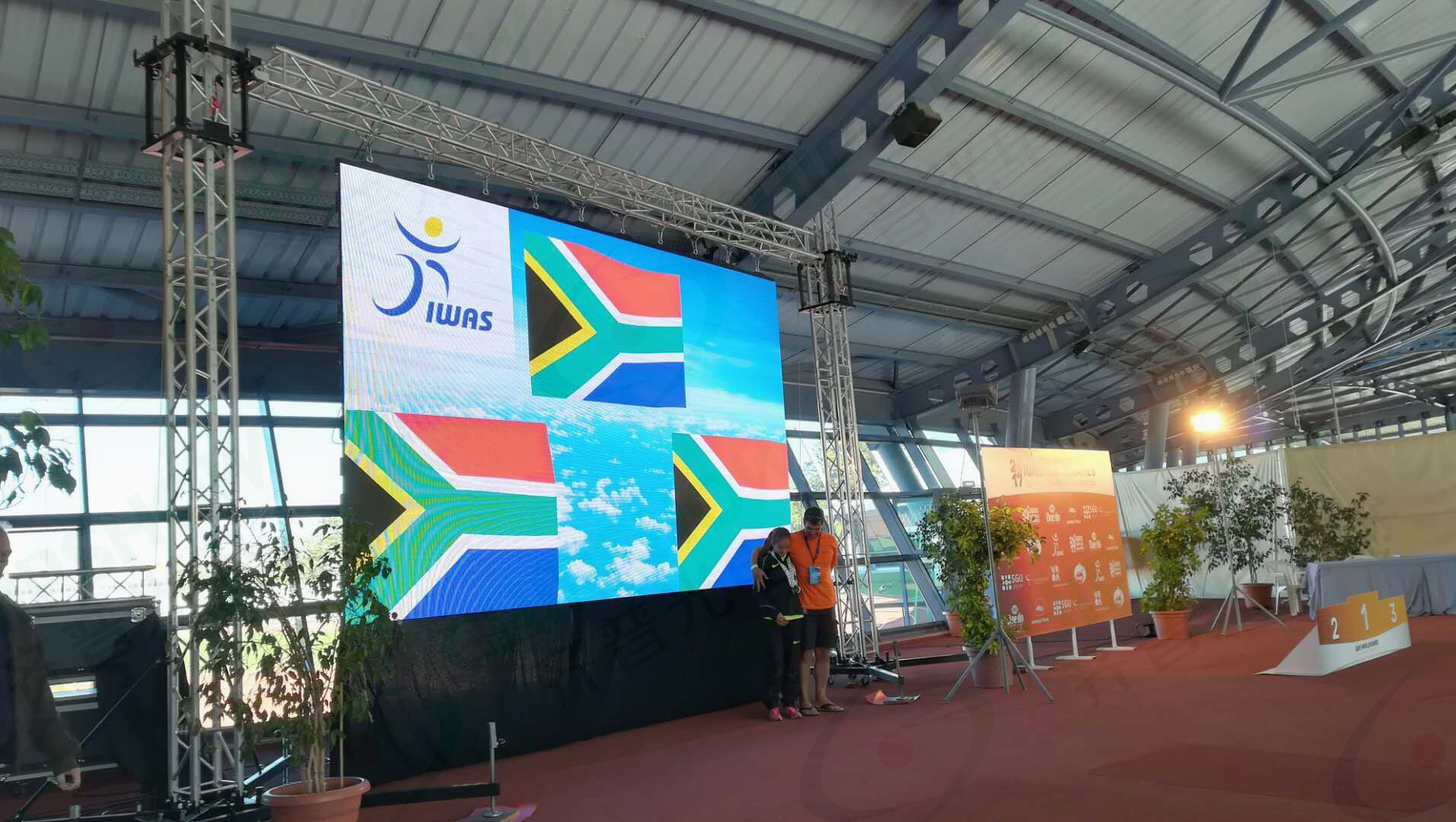
A rental LED display is engineered for repeated assembly, disassembly, and transport. The cabinet uses die-cast aluminum with tool-free quick-lock connectors. Panels ship in standard flight cases sized to protect corners and surfaces across multi-city tours. Typical applications include concerts, trade shows, corporate launches, and touring productions.
Fixed LED Screen: Built to Stay
A fixed LED screen is engineered for continuous operation, often 24 hours a day, 7 days a week. The structure is designed for permanent mounting. Typical applications include outdoor billboards, retail digital signage, transportation hubs, and permanent indoor installations such as control rooms and auditoriums.
Why Using the Wrong Type Costs More Than You Think
Rental cabinets are designed for short duty cycles, not continuous thermal load. Running a rental screen as a permanent installation increases failure rates significantly.
In the other direction, traditional steel fixed cabinets are not built for repeated disassembly. Deploying them as temporary event screens creates high labor costs, transport damage risk, and no practical path to reuse.
How Do Rental and Fixed LED Displays Differ in Physical Design?
Cabinet construction drives real-world cost differences in labor, transport, and maintenance.
Cabinet Material and Weight
| Parameter | Rental LED Display | Fixed LED Screen |
|---|---|---|
| Primary material | Die-cast aluminum / carbon fiber | Steel / magnesium alloy |
| Connection system | Tool-free quick-lock | Bolted permanent mount |
| Transport | Standardized flight cases | Pallet or crate |
The assumption that fixed screens are necessarily heavier than rental screens no longer holds. Magnesium alloy cabinet technology has changed what fixed-installation screens can weigh. Current magnesium alloy fixed cabinets can reach approximately 7.5 kg (16.5 lb) per cabinet, directly competing with rental-category panels. Weight is no longer a reliable differentiator between the two types.
The real distinction is installation logic and duty cycle.
- Rental cabinets use quick-lock systems built for repeated assembly.
- Fixed cabinets use mounting systems built for structural permanence.
For rental companies, cabinet weight still matters because it multiplies across transport costs and crew hours per event.
IP Rating and Environmental Protection
| Use Case | Recommended IP Rating |
|---|---|
| Indoor rental (concerts, corporate) | IP30–IP43 |
| Outdoor rental (festivals, touring) | IP54 minimum |
| Outdoor fixed (billboards, transit) | IP65 minimum |
| Outdoor fixed (high-wash environments) | IP67 recommended |
Match the IP rating to actual deployment conditions. An indoor rental screen with IP65 sealing adds weight and cost without a functional benefit in a controlled environment.
What Technical Specs Actually Matter?
Each parameter connects directly to how the screen performs in its intended environment.
Pixel Pitch and Viewing Distance
A practical integrator’s reference: minimum viewing distance in feet approximately equals 3 times the pixel pitch in millimeters. At P3.9, that gives a minimum comfortable viewing distance of roughly 12 ft.
| Screen Type | Typical Pixel Pitch | Typical Application |
|---|---|---|
| Indoor rental (stage) | P1.9–P3.9 | Concerts, corporate events |
| Outdoor rental (touring) | P2.9–P4.8 | Festivals, outdoor productions |
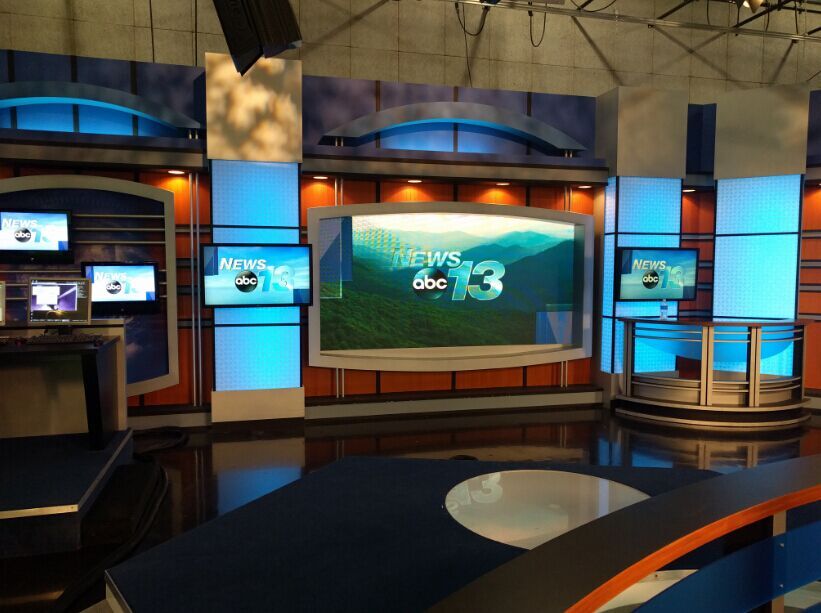
| Indoor fixed (under 5 ft) | P0.78–P1.2 | Control rooms, broadcast studios |
| Indoor fixed (5–10 ft) | P1.2–P1.8 | Boardrooms, presentation suites |
| Indoor fixed (10 ft and above) | P2.0+ | Auditoriums, lobbies, commercial |
| Outdoor fixed (billboard) | P4.0–P10+ | Roadside, long-distance viewing |
For indoor fixed installations viewed from under 2 meters (6.5 ft), COB encapsulation offers a collision-resistant surface, finer pitch options down to P0.78, and better grayscale retention at low brightness.
For viewing distances of 2 meters (6.5 ft) and above, SMD technology covers most commercial requirements at a lower cost per square meter.
Refresh Rate: Critical for Event Screens
3,840 Hz is the current industry baseline for live event and broadcast environments. At this level, the display eliminates moiré patterns when captured by cameras or smartphones. For XR production and high-frame-rate broadcast cameras, 7,680 Hz is the recommended minimum.
Fixed DOOH screens play pre-scheduled content and are not typically exposed to broadcast camera capture, so refresh rate requirements are more flexible. Note that 1,920 Hz is no longer considered a high-refresh specification by current industry standards.
Brightness by Environment
| Environment | Recommended Brightness |
|---|---|
| Indoor (controlled lighting) | 600–800 nits typical operating level |
| Outdoor rental (shaded) | 2,000–3,500 nits |
| Outdoor rental (full daylight) | 4,500 nits and above |
| Outdoor fixed (direct sun) | 4,000–10,000 nits |
For indoor screens, peak brightness is not the primary performance indicator. Indoor environments typically operate at 600–800 nits. Pushing above that range in a conference room or auditorium produces eye strain rather than better image quality.
The meaningful measure is high grayscale performance at low brightness: the ability to hold accurate color depth and contrast when the screen is dimmed to a comfortable level. A screen that loses shadow detail at 700 nits has a more significant performance problem than one that cannot reach a high peak figure. This capability separates well-engineered panels from lower-grade alternatives.
What Does Each Option Really Cost?
Purchase price is the opening figure in a TCO calculation, not the conclusion.
Upfront Costs vs. Long-Term Operating Costs
Fixed LED screens carry high initial capital expenditure: hardware, installation, structural work, and commissioning. Once operational, recurring costs are relatively low: scheduled maintenance and power consumption.
Rental screens purchased as inventory carry a different cost profile. Annual maintenance including spare parts, flight case repairs, and connector replacement typically runs 15–20% of the original purchase price, reflecting the mechanical wear of repeated assembly cycles.
Renting third-party equipment eliminates asset depreciation. For event productions, day rates for renting LED screen inventory typically range from $500 to $5,000 depending on screen size, pixel pitch, and whether crew and technical support are included.
The Break-Even Formula
Total purchase cost divided by revenue per rental event equals break-even event count.
Operations running more than 40 events per year typically reach equipment payback within 18 to 24 months, assuming consistent utilization. Below that threshold, renting third-party equipment usually carries a lower total cost. Key variables to model: storage costs, transport per event, crew hours per setup, and achievable day rates in your market.
Technology Obsolescence
LED display technology advances on a two-to-three-year product cycle. Pixel pitches decrease, HDR improves, and refresh rate benchmarks shift. Equipment purchased today will remain functional but may fall behind current specification benchmarks within a few years. Rental models reduce this exposure: each project can use current-spec equipment rather than older owned inventory.
Which One Should You Choose?
There is no universally correct answer. The right choice depends on the operating model, project frequency, and installation context.
Choose a Rental LED Display If:
- Your annual event count is below 40.
- Screen size and configuration change across projects.
- Live broadcast or camera coverage is required, making refresh rate non-negotiable.
- You do not have dedicated maintenance staff or controlled storage.
Choose a Fixed LED Screen If:
- The application requires continuous 24/7 operation.
- The installation location is permanent and structurally defined.
- The outdoor environment demands IP65 or above and 4,000 nits or above.
- A stable revenue source supports a multi-year TCO.
Aligning Project Type to Display Category
Based on typical engineering requirements, here is how common project types map to display categories:
For indoor rental and touring, fanless indoor configurations and high-brightness outdoor touring panels cover the majority of event production requirements.
For permanent outdoor DOOH and billboard deployments, the relevant specifications are IP65 or above, sustained high brightness, and low average power consumption, approximately 180 W/m² under typical operating conditions.
For permanent indoor fixed installations, the viewing distance drives the decision. Control rooms and close-view environments under 2 meters (6.5 ft) align with COB technology: Chipshow® ‘s C-Pad series offers fine pitches down to P0.78 and dual-side IP54 protection for mission-critical reliability. Boardrooms and presentation suites in the 5–10 ft range are well served by slim-profile COB options in the same family. Large auditoriums, schools, and commercial lobbies at 10 ft and above align with SMD-based options such as the C-Max series, which uses a native 4:3 magnesium alloy cabinet at 7.5 kg (16.5 lb) per cabinet with full front serviceability.
Choose the Right Display Type for Your Next Project
Rental and fixed LED screens serve different operating requirements. The decision comes down to three questions: How frequently will the screen be deployed? Is the installation location permanent? Will the display be captured by broadcast cameras?
Chipshow® covers both categories across the specifications in this article. The rental portfolio, built on quick-lock aluminum and carbon fiber cabinet systems, spans indoor touring and outdoor festival applications. The fixed portfolio includes magnesium alloy cabinet options for both indoor and permanent outdoor deployments, from control rooms and large-venue installations to DOOH and billboard networks. Project-specific guidance is available at chipshow.com.
FAQs About Rental vs. Fixed LED Displays
Q1: Can I Use a Rental LED Display for a Permanent Installation?
Not usually a good idea. Rental LED cabinets aren’t meant to be used all the time; they’re meant to be used sometimes. It takes into account the time between uses when figuring out how to remove heat and how tolerable the parts are. When working all the time, there is a much higher chance of failure than when the installation was made just for that purpose.
Q2: What Refresh Rate Do I Need for Live Event Screens?
3,840 Hz is the industry standard frequency for displays subject to camera capture, which guarantees no moiré effect during normal broadcast and mobile phone conditions. When shooting an XR project or producing content at higher frame rates, set the frequency to 7,680 Hz and make sure that Genlock compatibility works with your camera chain. At 1,920 Hz, there is more chance of moiré effect or scan lines during modern broadcast conditions.
Q3: How Long Does Installation Take for Each Type?
When you rent screens from quick-lock systems, the whole setup will be set up by the crew within one working day, even if the installation needs to follow normal steps. When it comes to set screens, there is a difference. It might take a few days to mount, wire, and calibrate small indoor screens, but it will take weeks to build large outdoor screens.
Q4: What IP Rating Does an Outdoor Fixed Billboard Require?
For an outdoor LED installation to be permanent, it needs to have at least an IP65 grade, which protects against dust and water spray from all directions. IP67 should be used for installations that will be in close contact with water, be pressure-washed, or be near the coast where it is always wet. IP grades higher than what is needed for the application add weight and cost without making the application work better.
Q5: Are Outdoor Rental LED Displays Available?
Yes. Outdoor rental screens are a different line of products that usually have an IP54 rating, which means they can handle dust and water splashing from all sides. This kind of screen provides enough protection for normal situations that come up at events and tours. At the same time, this IP rating isn’t strong enough to protect against environmental factors like rain and humidity that are common for outdoor setups that will stay outside for a long time (IP65 rating).
Q6: What Are Typical Annual Maintenance Costs?
A fixed LED screen’s annual upkeep cost is 5 to 10 percent of the screen’s original price. This includes testing and replacing individual modules and doing regular checks. Renting LED screens, on the other hand, costs more each year at 15 to 20 percent of the buying price. This higher cost is because the screen has to be put together and taken apart for more events, which causes more mechanical wear and tear.





