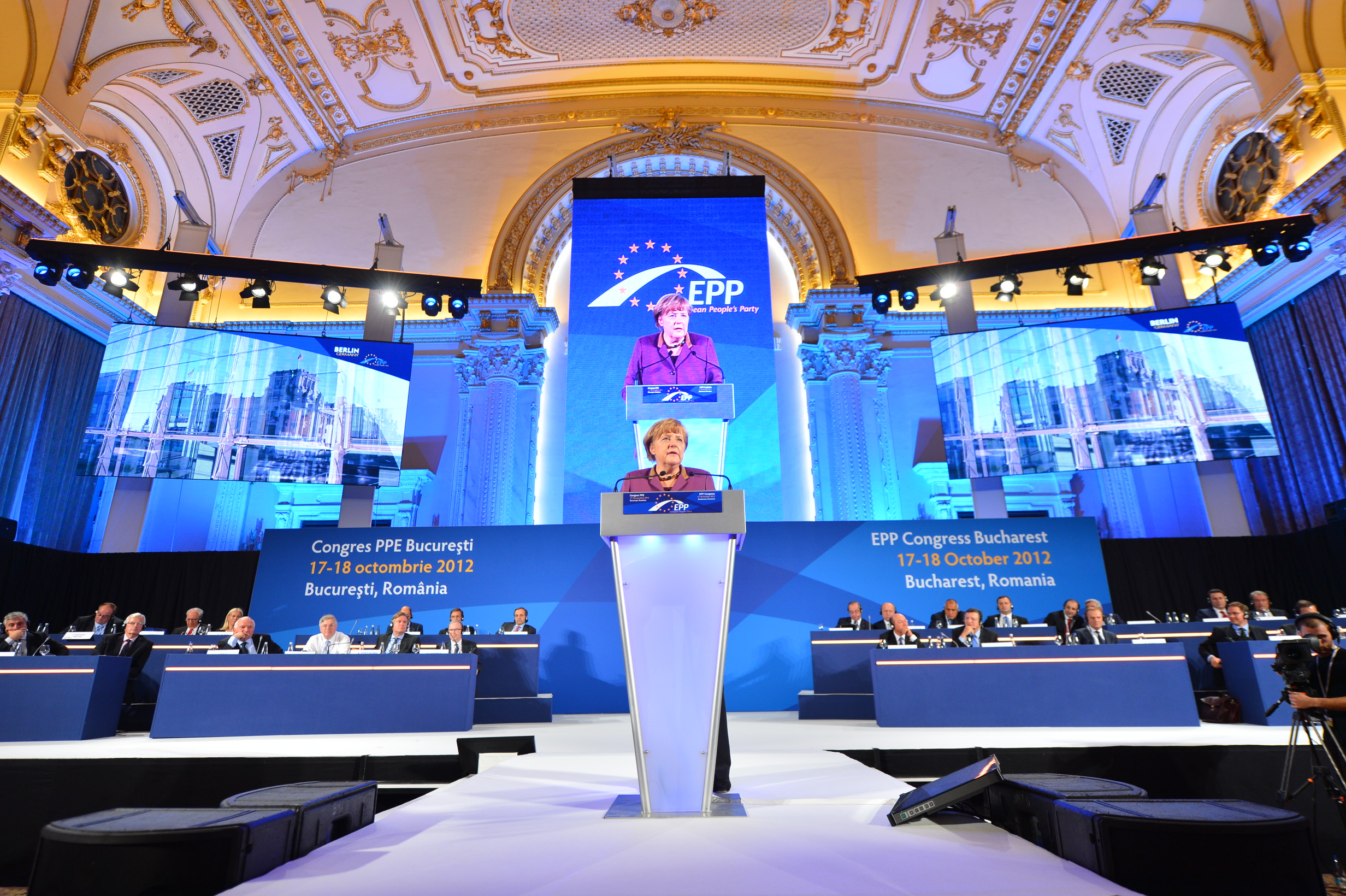
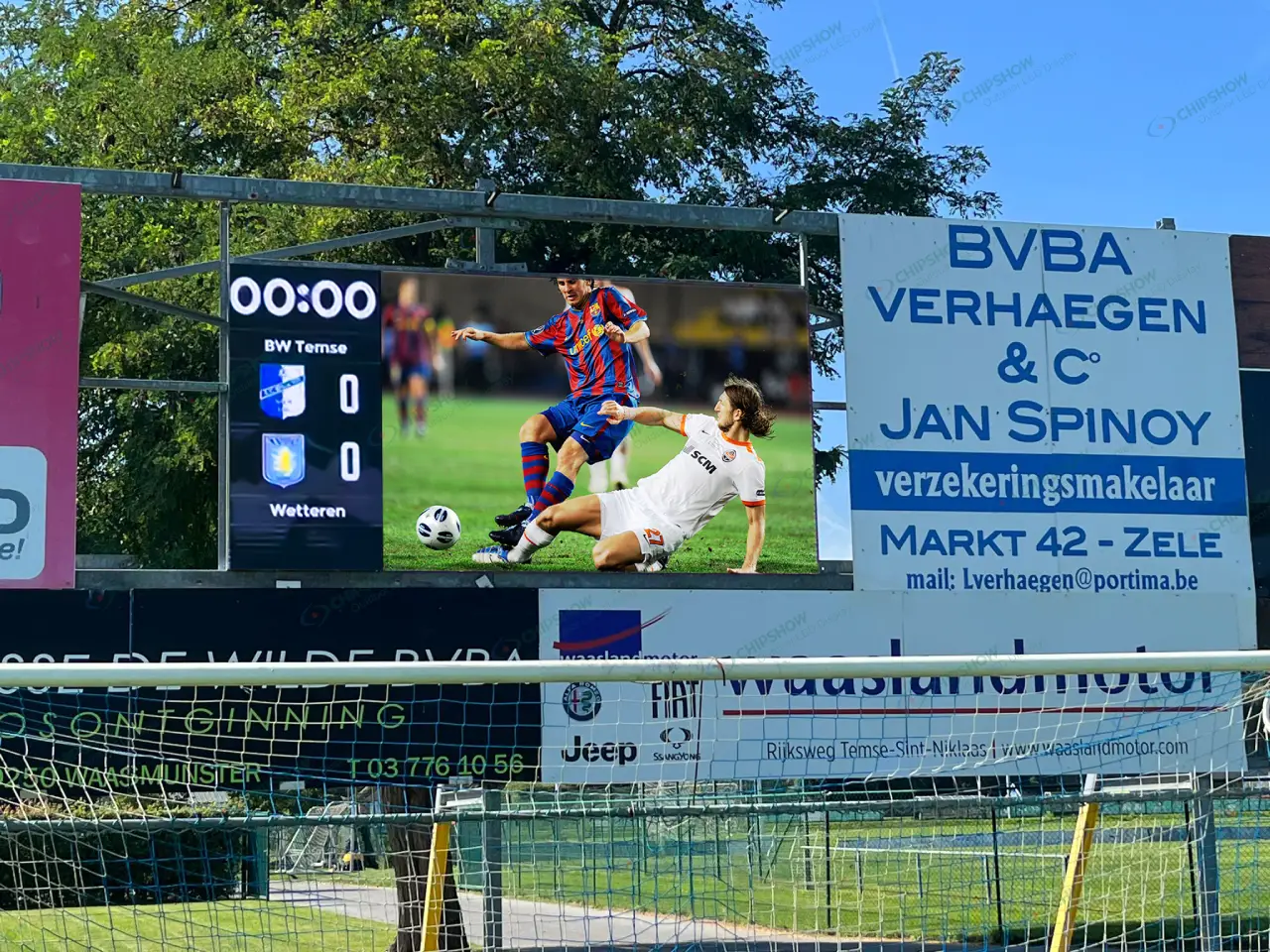
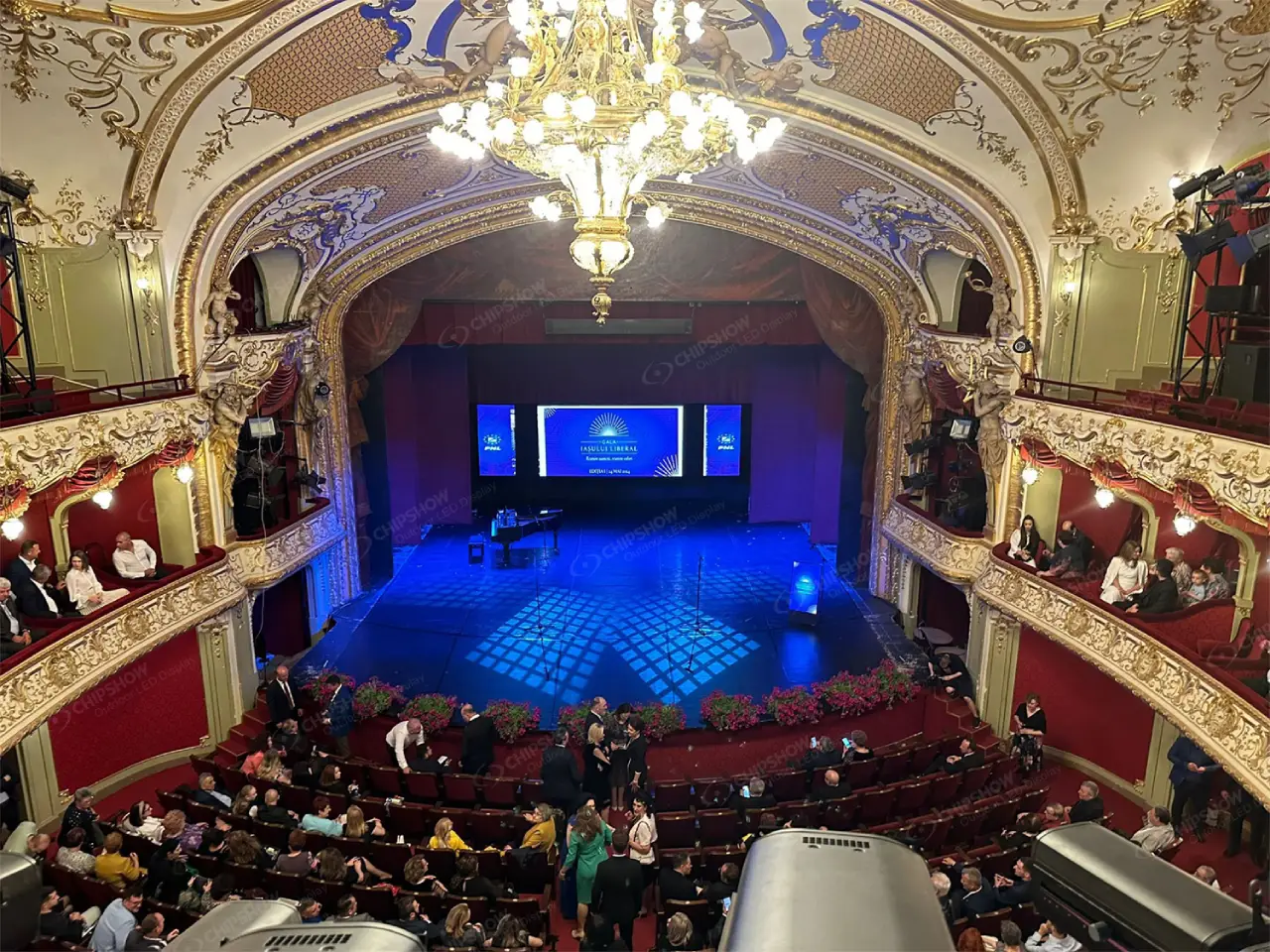
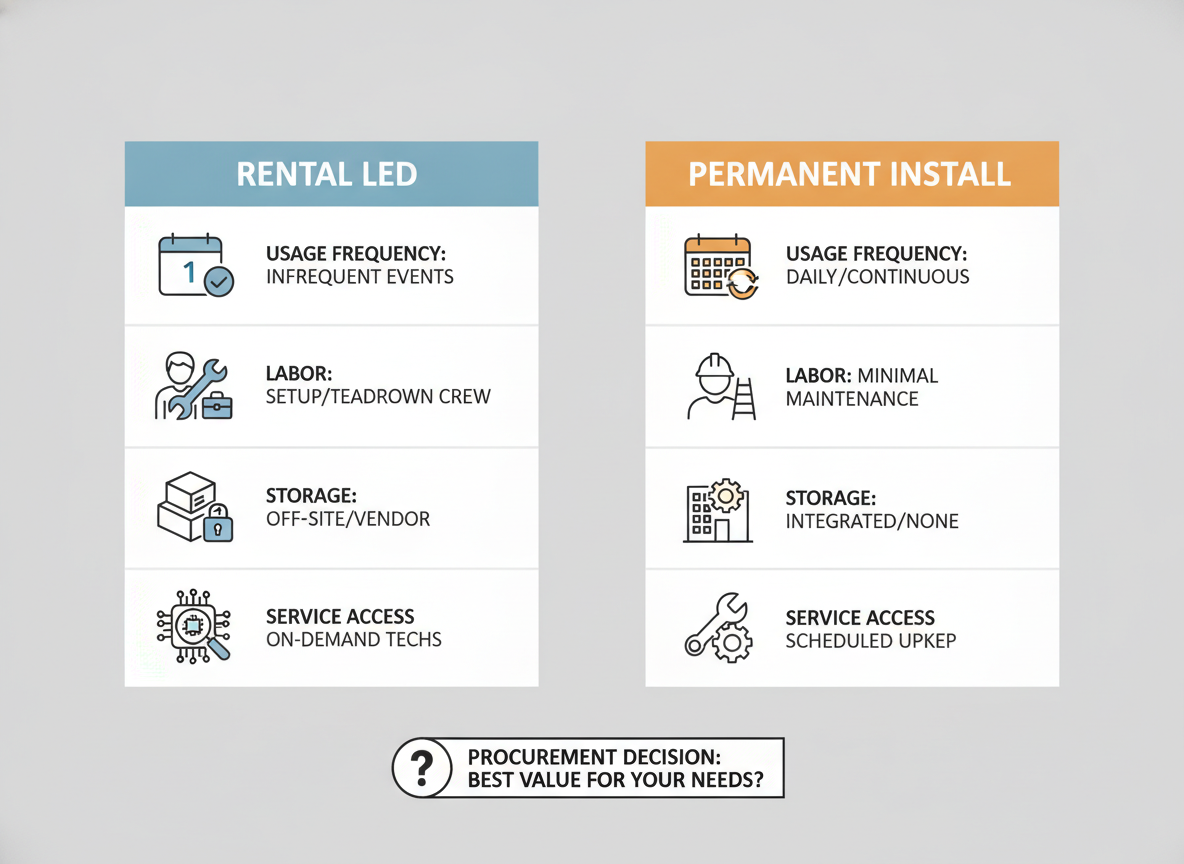
Rental LED vs permanent install comes down to how often you will use the wall, how much labor you can support, and whether the space is stable enough to justify a fixed system. If the display needs to travel, change often, or serve short-run events, rental usually gives you more flexibility. If the room is predictable and the screen will be used often, a permanent install can make more sense, but only if you can support the added service and planning needs.
How the Two Models Differ
Use Cases and Ownership Model
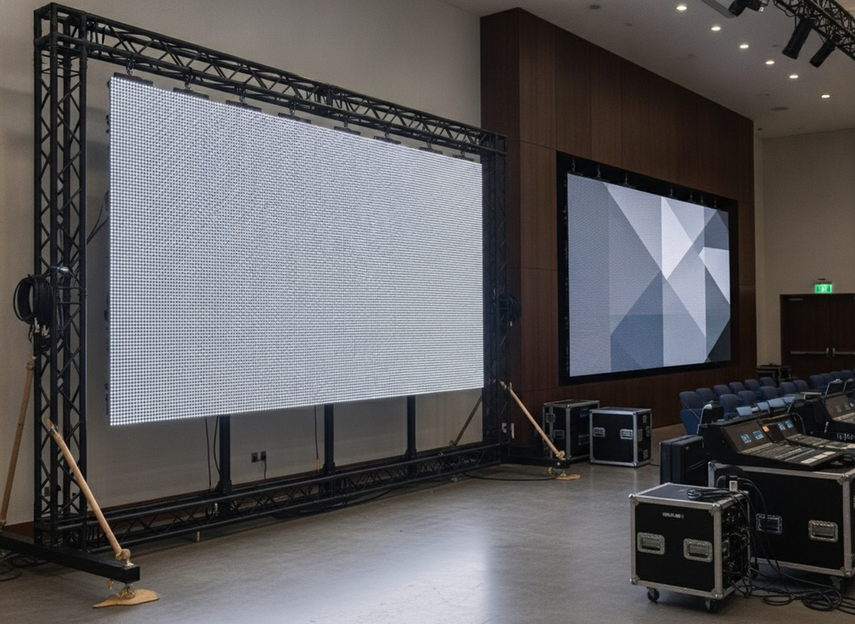
Rental LED is a temporary deployment model. It is built for events, tours, trade shows, and other use cases where the screen may move from site to site. Permanent install is a fixed model. It is built into a venue, lobby, control room, retail space, or other location where the display stays put and becomes part of the space. AVIXA’s guidance on temporary versus permanent LED installations makes that split clear: one path favors speed and modularity, the other favors long-term stability and maintenance access.
For most buyers, the real question is not which model is "better" in the abstract. It is which model fits the operating pattern. If the same screen will serve many different events, rental keeps the commitment lighter. If the same screen will serve the same audience in the same room week after week, a fixed system can be easier to justify.
What Changes on Event Day
On event day, rental LED usually means more recurring handling. Crew still has to load in, rig, align, test, strike, and transport the system. That does not make rental bad, but it does mean the labor repeats each cycle. Permanent install removes much of that repeated setup once the system is commissioned, which can save time on the calendar, but it shifts the work toward planning, documentation, and maintenance.
What this means is simple: rental is often a better fit when you can tolerate event-by-event setup, while permanent install is a better fit when you want the screen ready as part of the venue itself. The choice flips if your team is small, your schedule is tight, or your venue changes too often for a fixed build to pay back the effort.
What Changes After Installation
After installation, rental gear is managed around each event cycle, while a permanent system becomes part of ongoing operations. That changes the risk profile. Rental reduces long-term ownership burden, but it does not erase labor. Permanent install can reduce repeated teardown, but it introduces continuous responsibilities such as cleaning, inspection, troubleshooting, and access planning.
In practice, the difference is where the friction lands. Rental concentrates the friction around each event. Permanent install spreads the friction into the venue’s daily workflow. If your team can support routine facility care, fixed installation may feel cleaner over time. If not, rental may be easier to live with even when the per-event bill is higher.
Upfront Cost Versus Long-Term Economics
The simplest comparison, rental LED vs fixed installation cost, is usually the wrong one. A fairer comparison is total cost over the actual planning horizon. That means looking at upfront spend, recurring rental fees or ownership costs, maintenance, storage, spares, and downtime exposure. AVStageProduction’s buy-versus-rent framework suggests that ownership can start to become attractive around 30 to 60 days of cumulative annual use, but that should be treated as a planning heuristic, not a universal rule.
The threshold moves with utilization. A display that is used only a few times a year usually favors rental because the asset sits idle too much. A display that is in use frequently can justify ownership sooner, especially when the venue already has the space, staff, and process to support it. That is why event LED wall ownership economics should be modeled around actual days of use, not a generic "cheaper" label.
Here is a practical way to compare the two paths:
| Decision Factor | Rental LED | Permanent Install |
|---|---|---|
| Upfront spend | Lower commitment at the start | Higher initial investment |
| Recurring cost | Ongoing event-by-event fee | Ongoing maintenance and upkeep |
| Utilization fit | Better for short-run or irregular use | Better for frequent, steady use |
| Storage and logistics | Usually handled more often | Lower day-to-day movement after install |
| Budget predictability | Easier to scale per event | Better when capex can be planned |
| Ownership risk | Lower long-term asset risk | Higher commitment, but more control |
The biggest mistake is to compare only the invoice you see first. Owned systems carry maintenance and upkeep in total cost, and rental carries recurring service, transport, and labor. A calculator-style TCO view is more useful than a sticker-price view because it forces the buyer to account for the hidden line items that change the answer. For a broader buy-versus-rent framework, the AV equipment buy-vs-rent calculator is a helpful starting point, but it should be treated as background guidance rather than proof.
For a recurring event program, ask one question: will this screen be used enough to justify owning the downtime risk, maintenance burden, and storage overhead? If the answer is no, rental often stays the safer choice. If the answer is yes, ownership may be the better long-run move, but only after you model the full cost of keeping the system running.
Labor, Setup, and Access Needs
Setup and Teardown Labor
Rental LED can look simple in a sales deck, but the labor is still real. Each event may require transport, load-in, rigging, alignment, calibration, and teardown. That is manageable when events are occasional. It becomes a strain when the schedule is dense or the crew is small.
Permanent install reduces that repeated event-day labor once the system is commissioned, but it replaces it with installation planning and periodic checks. So the labor does not disappear; it changes form. If you only count the first setup, permanent install can look easier than it is. If you count every event cycle, rental can look more expensive than it first appears.
Service Access and Maintenance
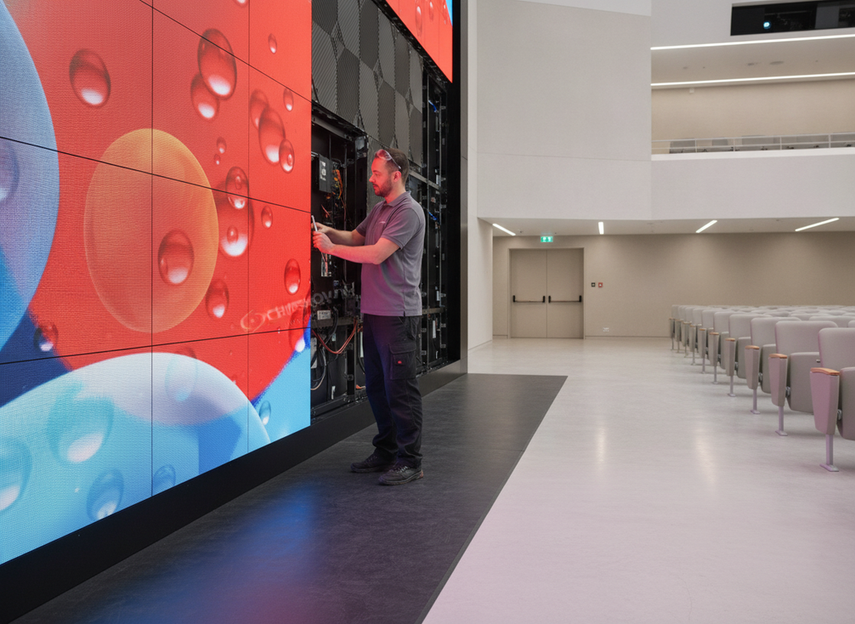
Service access is one of the biggest permanent install service access tradeoffs. If the wall sits in a tight room, behind an architectural feature, or above a stage, maintenance pathways matter a lot. ChipshowLEDUSA’s installation guide notes that front-service access and maintenance space can reduce or remove the need for rear clearance in some indoor layouts. That is not a universal rule, but it is a useful planning signal.
The decision changes depending on who owns the maintenance burden. With rental, the provider often handles much of the inventory upkeep between jobs. With permanent install, the venue or owner must think through access, spare parts, cleaning, module replacement, and troubleshooting. If you cannot answer how a failed module will be reached and replaced, the fixed system is not fully designed yet.
Downtime and Staffing Burden
Downtime matters more than many teams expect. A rental wall can fail at the worst moment and still be swapped through the provider’s process, but the event crew still pays the interruption cost. A permanent wall can avoid repeated setup, but if it fails and the service path is poor, the repair can be slower and more disruptive.
This is why staffing capacity is part of the buying decision. If your team already handles facility maintenance, a permanent system may fit well. If your staff is stretched thin, repeated event changeovers and technical support demands can become a real burden. In that case, rental may be the more practical option even if the long-run cost looks higher on paper.
When Rental Fits Better
Rental LED is usually the better fit when one or more of these are true:
- The event schedule is short-term, seasonal, or unpredictable.
- The venue changes often, so a fixed build would be hard to keep optimized.
- You do not want to tie up capital in hardware that will sit idle between jobs.
- Your team has limited storage, transport, or technical capacity.
- You need flexibility more than ownership.
Advision’s discussion of rental-fit scenarios points in the same direction: rental is often the smarter choice when traffic, timing, or program needs are uncertain. That does not mean rental is always cheaper. It means rental reduces commitment and makes change easier.
A good rule of thumb is this: if the display is a project asset rather than a venue asset, rental is worth a serious look. If the display has to adapt to a new room, a new client, or a new format every time, ownership tends to create more friction than it removes. In a rental LED vs permanent decision, that flexibility can matter more than a lower sticker price.
When Permanent Install Fits Better
Permanent install is usually the better fit when the space is stable and the display will be used often.
- The room layout is predictable and unlikely to change.
- The display will be used daily or near-daily.
- The venue can support installation planning and ongoing maintenance.
- You want the screen to feel integrated into the space.
- You can design service access before the build starts.
AVIXA’s installation guidance for LED video wall installation in open space is a good reminder that fixed systems are not just hardware purchases. They also require code review, structural verification, and project coordination before commitment. That is why permanent install makes sense only when the site is ready for the responsibility.
The upside is operational stability. A well-planned fixed wall can reduce repeated changeover work and give the venue a more polished, integrated result. The tradeoff is that you inherit the full lifecycle. If the facility is not prepared for that, the promise of lower day-to-day friction can turn into a maintenance headache.
Decision Checklist Before You Commit
Before you choose rental LED vs permanent install, walk through these checks in order:
- How often will the wall actually be used in a normal year?
- Will the venue stay stable, or will the layout and audience pattern keep changing?
- Who will handle load-in, load-out, and routine maintenance?
- Is there a clear service path for repairs and module access?
- Do you have space, storage, and budget for the ownership model you are considering?
- Has the structure, power, and documentation been reviewed before commitment?
That last point matters. AVIXA’s best practices for code and structural checks before install show why permanent systems should never be treated as automatic fits. A fixed wall needs project-specific verification, not assumptions.
If you want a cleaner procurement path, compare both models against the same scenario: the same number of event days, the same staffing level, and the same service expectations. That makes the answer much clearer than comparing a rental quote to a purchase price in isolation.
FAQs
How Do I Decide Between Rental LED and Permanent Install?
Start with use frequency, then check labor capacity, service access, and venue stability. If the wall will move between jobs or only serve occasional events, rental usually fits better. If it will live in the same space and get regular use, permanent install becomes more practical.
Which Is Cheaper Long Term: Rental or Permanent LED?
Neither is always cheaper. Long-term cost depends on utilization, storage, maintenance, and how much labor each model needs. A fixed install can be more economical when use is frequent, but rental can stay cheaper when the screen is needed only a few times a year.
When Does Rental Make More Sense Than Buying?
Rental usually makes more sense for short-run campaigns, seasonal programs, uncertain schedules, or changing venue requirements. It also helps when you want to preserve capital or avoid storage and repair responsibilities. The tradeoff is that event-by-event labor still remains.
What Service Access Issues Should I Check for a Permanent Install?
Check how technicians will reach failed modules, how much rear or front clearance is available, and whether the design includes a clear maintenance path. You should also confirm who owns spare parts, cleaning, and troubleshooting after handoff.
Can a Venue Mix Rental and Permanent LED Approaches?
Yes. Many buyers use a permanent core display for daily needs and rent extra LED for peak events, tours, or special activations. That hybrid model can balance stability and flexibility if the venue has enough planning discipline to support both.