


Gantry VMS specifications are a procurement problem, not just a display spec. For high-speed corridors, the sign has to stay readable at speed, fit the gantry structure, survive outdoor exposure, and connect to corridor control systems without guesswork. The rest of this guide breaks those decisions into four checks: readability, enclosure, structure, and protocol fit. In practice, highway VMS gantry specs should be reviewed as a corridor-level decision, not a simple product comparison.
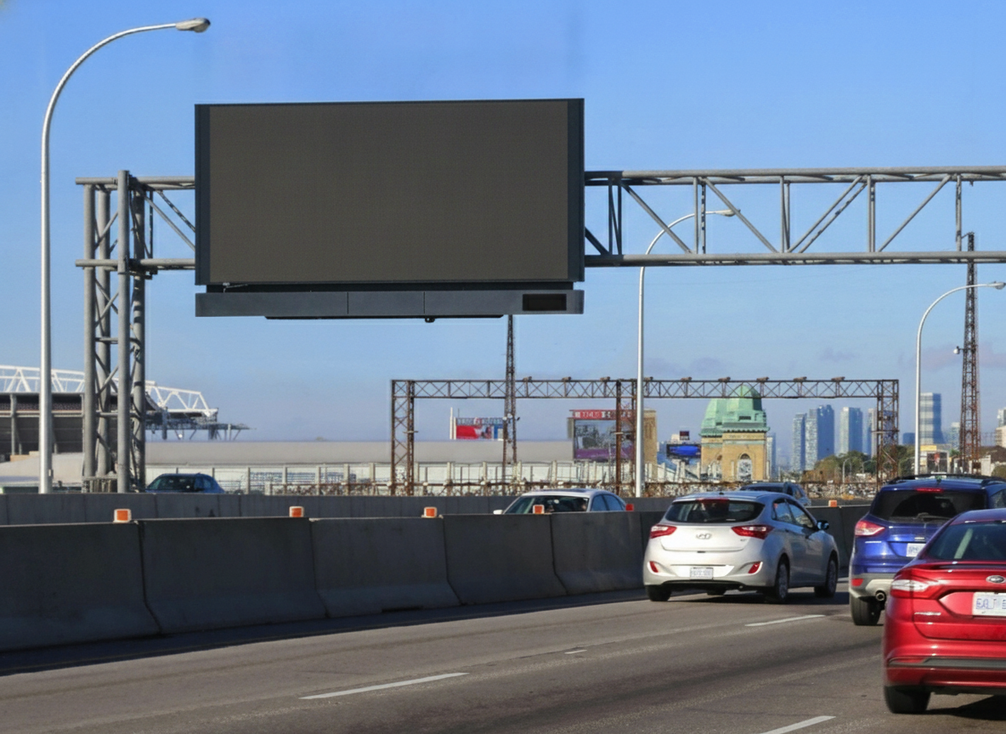
What Gantry VMS Must Do on High-Speed Corridors
A gantry-mounted sign has a harder job than a small roadside display. It must communicate fast enough for drivers to read in real traffic, stay stable in wind and weather, and work as part of a wider traffic management setup. That makes gantry VMS specifications a corridor-level review, not a single-product comparison.
For DOT buyers, the first question is not whether the sign looks bright in a brochure. It is whether the full setup matches the roadway, the support structure, and the operating conditions. The practical buyer checklist starts with readability, then checks weather protection, structural fit, and protocol compatibility.
If you are still defining the spec, a corridor VMS options path can help you compare categories without treating one marketing claim as proof of fit. Use it as a navigation step only, then verify the details against the project requirements.
Brightness and Readability at Highway Speed
At highway speed, readability is the real standard. The federal high-speed corridor visibility benchmark says changeable message signs used on roadways with speed limits of 55 mph or higher should be visible from 1/2 mile under both day and night conditions. That is a visibility requirement, not a promise that any one brightness number will solve every corridor.
NEMA TS 4 adds the hardware side of the review. Its hardware performance requirements for VMS cover the dynamic message sign hardware itself, including luminance and LED refresh behavior. In practical terms, that means buyers should ask how the display performs, not just how bright it can get at full power.
Brightness matters most when the corridor has strong sun, glare, or changing light. But brightness alone is not enough. A sign can still be hard to read if contrast is weak, the viewing angle is poor, or the message layout is crowded. For procurement teams, the useful question is: under what day, night, and approach conditions was the claim tested?
One of the safest decision rules is this: if a vendor only gives you a peak brightness number, keep reviewing. If the submittal also explains viewing geometry, contrast behavior, and the operating assumptions behind the claim, it is closer to a usable spec. That is the difference between a display that looks strong on paper and one that stays legible in a real corridor.
Enclosure and Weather Protection
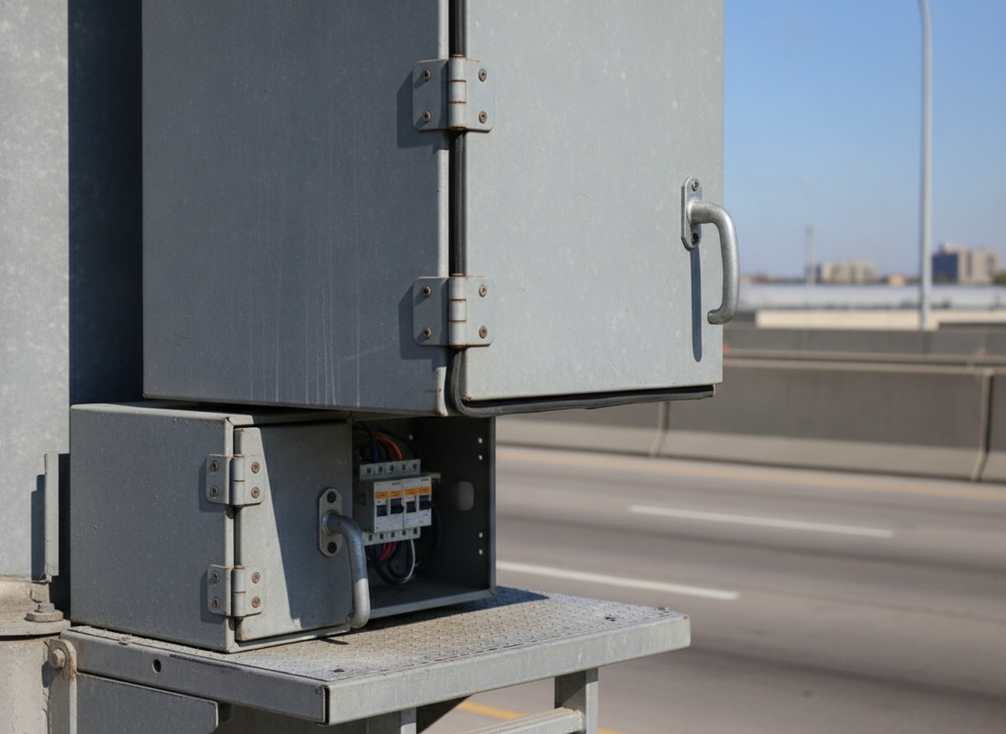
Outdoor traffic displays live in spray, dust, heat, cold, and maintenance cycles that are easy to underestimate. That is why enclosure and weather protection are deployment requirements, not just catalog features. A gantry-mounted unit should be reviewed for sealing, corrosion resistance, thermal behavior, and how the cabinet will be serviced in the field.
Use this checklist when you compare options:
- Ask for the exact enclosure or protection claim, not just a marketing phrase.
- Verify the test basis or installation limits behind that claim.
- Check how the unit handles heat buildup and ventilation in full outdoor exposure.
- Confirm whether service access fits the maintenance plan for the corridor.
- Review corrosion protection if the site sees road spray, salt, or long wet seasons.
If the source material does not state the protection basis clearly, treat the claim as incomplete. Weather protection is only useful when it matches the actual corridor exposure and the maintenance workflow. A display that is difficult to open, inspect, or repair can become a long-term operations burden even if the sign itself is technically sound.
Structure and Mounting on Gantry Supports
Gantry projects need a structural fit check before award. Sign weight, support geometry, access method, and maintenance workflow all affect whether a unit belongs on an existing gantry or needs more reinforcement than the original plan assumed. Structural support guidance for highway signs from structural support guidance for highway signs is the right place to anchor that review.
Retrofit work often creates more friction than new construction. A lighter sign can help reduce loading, but it does not automatically eliminate the need for structural review. The key question is whether the sign, mount, and corridor structure can work together without changing the project scope late in procurement.

Before you treat a gantry VMS as structurally ready, check these items:
- Total sign weight and how it affects the gantry load path.
- Mounting geometry, including height, span position, and access clearance.
- Whether the project is a retrofit or a new build, since the reinforcement picture can change.
- Maintenance access, including how service crews will reach the display safely.
If the supplier cannot show how the unit fits the support system, do not let the bid review move forward on appearance alone. A gantry-mounted sign should pass an engineering review, not just a product review.
NTCIP and DOT Compliance Checks
Protocol fit is a separate question from brightness or enclosure performance. For corridor integration, gantry-mounted VMS should support NTCIP interoperability for traffic management systems, and the submittal should show how that support aligns with the project specification. Do not treat a brochure line or product-page label as full acceptance by itself.
| Compliance area | Why it matters | What to verify | Common buyer pitfall |
|---|---|---|---|
| NTCIP or protocol fit | The sign must communicate with corridor control systems | Exact protocol version, supported objects, and integration notes | Assuming "compatible" means project-ready |
| DOT submittals | Procurement teams need evidence, not slogans | Drawings, test data, manuals, and compliance documents | Reviewing only the sales sheet |
| Testing and documentation | Acceptance depends on more than one feature | Submittal completeness and traceable test basis | Missing documents delaying award |
| Integration readiness | The sign has to work in the real control environment | Controller interface, software expectations, and acceptance steps | Treating partial support as full interoperability |
State DOT compliance matrices can be useful as submittal tools, but they should stay secondary to primary standards and project-specific requirements. In practice, the safest review asks whether the vendor can show protocol support, documentation completeness, and acceptance readiness in the same package.
Procurement Checklist for Final Spec Review
Use this sequence before award: first, check whether the corridor visibility requirement is clear; second, review the readability assumptions behind the brightness claim; third, confirm enclosure and weather protection for the actual site; fourth, verify structural fit for the gantry; and fifth, confirm NTCIP and DOT submittals are complete. If any one of those pieces is vague, the purchase is not ready.
A good final rule is simple: do not buy a gantry VMS because one brochure claim looks strong. Buy it only when the submittal matches the corridor, the support structure, and the control system. If you are comparing product families, start with the highway VMS gantry specs and then verify each requirement against the project spec.
FAQs
How Do You Specify a Gantry VMS for High-Speed Traffic?
Start with the corridor requirement, then turn it into four review buckets: readability, weather protection, structural fit, and protocol/compliance. That keeps the spec focused on what the sign has to do in real traffic instead of what it looks like in a brochure.
What Brightness Checks Matter Most for Highway Gantry Signs?
Ask for more than a peak brightness number. You need the expected day and night operating conditions, the viewing angle, and the contrast assumptions behind the claim. That tells you whether the display is likely to stay legible at speed.
Why Does Enclosure Design Matter on a Gantry-Mounted VMS?
Because the sign sits in a harsh roadside environment. Sealing, corrosion resistance, thermal behavior, and service access all affect maintenance and uptime. A display that is hard to service can create more cost later even if the hardware itself is solid.
Can a Gantry VMS Be Treated as NTCIP Compliant From a Product Page Alone?
No. Buyers should verify the exact protocol support, the project documentation, and the DOT acceptance requirements together. A product page can point you in the right direction, but it does not replace the submittal package.
What Should a DOT Team Check Before Awarding a Highway VMS Contract?
Review visibility, enclosure, structural fit, and protocol readiness in that order. If the unit fails any one of those checks, the lowest-price award can turn into a rework problem after the contract is signed.
In short, highway VMS gantry specs should be judged by whether they fit the corridor, not by one headline claim. The best submittals make those trade-offs clear before procurement, not after installation.





