


For outdoor LED display buyers, the screen is only the visible part of the project.
The control system decides how the screen is operated after installation: how content is published, how brightness is adjusted, how campaigns are scheduled, how power is managed, and how quickly operators can respond when something goes wrong.
For DOOH media owners, signage contractors, retail brands, and infrastructure projects, this directly affects operating cost, advertising delivery, screen uptime, and long-term return on investment.
That is why Chipshow outdoor fixed LED solutions, including C-Slim outdoor LED display and C-Smart outdoor signage, can be configured with NovaStar-based control workflows according to project requirements.
The goal is not simply to “light up the screen.”
The goal is to make the outdoor LED display easier to operate, easier to maintain, and more practical as a long-term visual asset.
Why Control Systems Matter in Outdoor LED Projects
A high-brightness outdoor LED display may look impressive during testing.
But after the screen goes live, the operator faces daily questions:
- Can new content be published quickly?
- Can different campaigns run at different times of day?
- Can the screen dim automatically at night?
- Can power be controlled without sending a technician to site?
- Can the system status be checked before a small issue becomes a major failure?
These questions are especially important for outdoor projects that run for long hours every day.
For a roadside billboard, the control system affects advertising delivery.
For a retail sign, it affects promotion timing.
For a smart signage network, it affects multi-location operation.
For an industrial or roadside information screen, it affects message reliability.
This is why the outdoor LED display control system should be considered during project planning, not after the screen has already been installed.
What Is the Difference Between NovaStar VX Pro and ViPlex?
NovaStar-based configurations generally serve two different operating needs.
NovaStar VX Pro is more suitable for synchronous video processing.
It is usually considered when the project involves large-format screens, live input, multi-source signals, image mosaic, 3D content, or professional video workflows.
ViPlex Express and ViPlex Handy are more suitable for asynchronous content management.
They are commonly used when the screen mainly plays scheduled advertising content, brand messages, public information, or repeated playlists.
In simple terms:
- VX Pro is for professional video processing.
- ViPlex is for content publishing and daily screen management.
Many outdoor projects may use one or both, depending on screen size, content type, network structure, and operating method.
When Should C-Slim Use NovaStar VX Pro?
C-Slim outdoor LED display is mainly designed for fixed outdoor DOOH and billboard projects.
Its value is closely connected to lightweight cabinet structure, front-service maintenance, outdoor brightness, and lower installation complexity.
In large-format DOOH projects, the display may need more than simple playlist playback.
The operator may need live input, multi-source switching, image mosaic, preset scenes, signal backup, or high-quality video output.
This is where NovaStar VX Pro becomes relevant.
A C-Slim project may consider VX Pro when the application includes:
- large outdoor DOOH billboards
- urban landmark advertising screens
- building-mounted media façades
- 3D outdoor billboard projects
- high-brightness city advertising displays
- large video sources or live event input
For these projects, the control system helps connect the screen hardware with professional display operation.
It supports signal handling, content flexibility, visual consistency, and more reliable event or campaign execution.
Final controller selection should still be based on total pixel resolution, screen layout, input source, playback method, and redundancy requirements.
How ViPlex Supports Daily DOOH Billboard Operation
Not every outdoor billboard needs live video input.
Many DOOH operators mainly need scheduled advertising playback.
For these projects, ViPlex Express can support daily operating tasks such as playlist management, schedule publishing, screen grouping, brightness adjustment, power control, and screen status monitoring.
This matters because most billboard operators do not want to send technicians to site for every content change.
They need a repeatable workflow.
For example, a DOOH operator may need to run different content blocks during:
- morning commute hours
- daytime retail traffic
- evening dining and entertainment periods
- nighttime low-brightness operation
- holiday or seasonal campaigns
With a suitable ViPlex workflow, the screen can be managed more like a media asset and less like a static sign.
This helps reduce manual work and supports more consistent campaign delivery.
How C-Smart Uses ViPlex for Outdoor Signage Networks
C-Smart outdoor signage has a different buyer profile from C-Slim.
C-Slim is often used for large-format DOOH and billboard projects.
C-Smart is more often used for brand signage, façade integration, shopfront signs, monument signs, campus signs, and information displays.
These projects usually do not need complex live video switching.
They need simple, reliable, and repeatable content management.
A C-Smart project may need to show:
- brand visuals
- store promotions
- tenant information
- campus announcements
- roadside messages
- industrial park notices
- wayfinding content
- event schedules
For these use cases, ViPlex-based control is usually more relevant than a large video processor.
The operator can manage playlists, update scheduled messages, adjust brightness, control power, and check screen status according to the project configuration.
This makes C-Smart suitable for distributed signage networks where daily operation matters more than one-time visual impact.
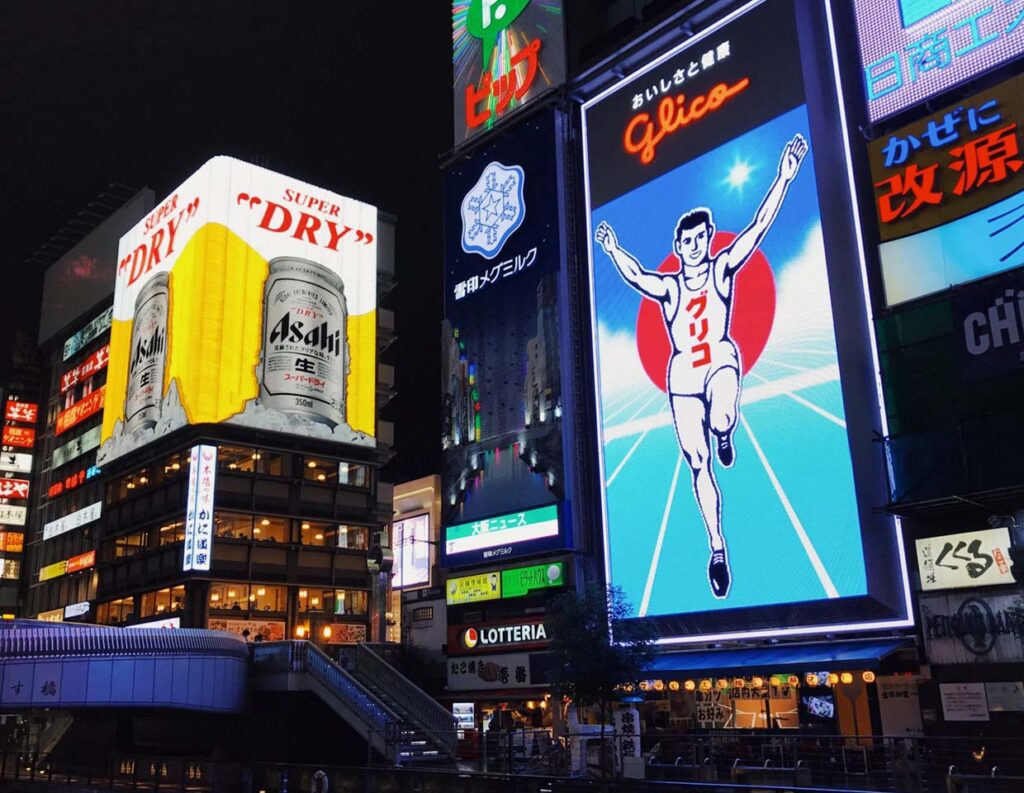
C-Smart HD Sign: For Retail, Façade, and Monument Signage
C-Smart HD Sign is designed for outdoor signage projects where the screen becomes part of a building, storefront, or brand environment.
Typical applications include:
- retail storefront signage
- shopping mall entrance displays
- building façade brand signs
- corporate monument signs
- campus information displays
- premium commercial signage
For this type of project, the control system should make content management easier.
A retail brand may need to update seasonal promotions.
A mall entrance may need to publish tenant campaigns.
A corporate campus may need to show visitor information.
A multi-location chain may need to keep brand content consistent across several stores.
With ViPlex-based content management, C-Smart can support scheduled playback, practical content updates, brightness adjustment, and screen status checks.
This allows the screen to work as part of a long-term brand communication system instead of a one-time display installation.
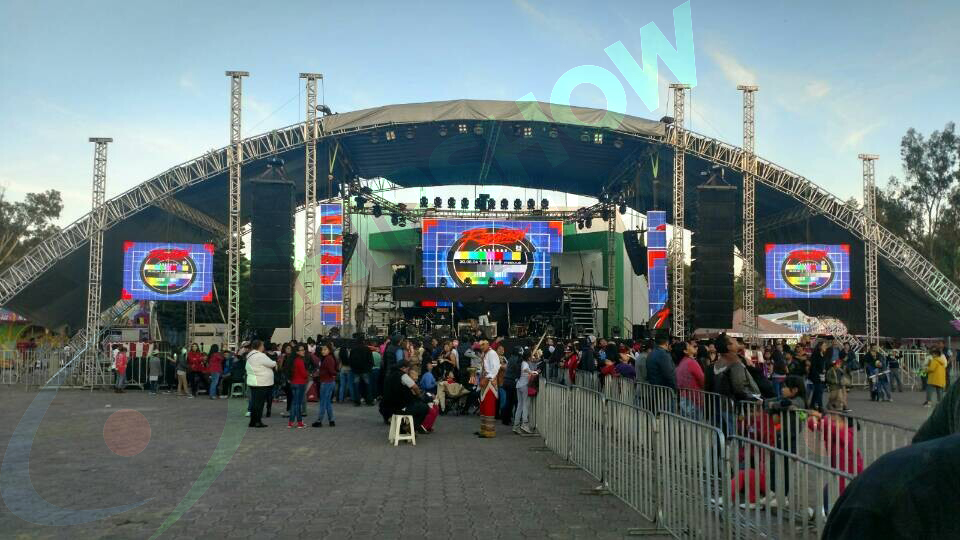
C-Smart Long-View DIP: For Roadside and Industrial Information Displays
C-Smart Long-View DIP is better suited for long-distance visibility.
Its typical use cases include highways, industrial parks, logistics yards, roadside information displays, and infrastructure signage.
For these projects, the priority is not ultra-fine image resolution.
The priority is clear long-distance reading, stable outdoor performance, and reliable message delivery.
A suitable ViPlex-based workflow can support:
- scheduled message playback
- simple information updates
- brightness adjustment
- power management
- screen status checks
- multi-site operation
This is useful for contractors and operators managing several information screens across a road network, industrial park, logistics site, or campus.
For this type of project, the best content strategy is usually simple, readable, and time-sensitive.
The control system should help the operator keep messages accurate and visible without adding unnecessary complexity.

How Brightness Control Supports Energy and Compliance Goals
Outdoor LED displays do not need to run at full brightness all day.
Morning, noon, evening, cloudy weather, shaded locations, and nighttime operation all require different brightness levels.
If a screen runs brighter than necessary, it may increase power consumption, raise internal temperature, and create glare complaints.
A NovaStar-compatible brightness control workflow can help operators adjust output based on time or ambient light conditions.
This is especially important for:
- DOOH billboards
- retail signs
- municipal signage
- campus displays
- roadside information boards
- nighttime advertising screens
For Chipshow outdoor products with energy-conscious hardware design, software-based brightness and power management can help improve operational efficiency.
Actual savings depend on brightness settings, content type, operating hours, ambient conditions, and the selected control configuration.
Why Monitoring and Maintenance Matter After Installation
Outdoor LED projects operate in difficult environments.
Screens face heat, rain, dust, UV exposure, wind, voltage changes, and long operating hours.
This is why monitoring and maintenance planning should be part of the control system discussion.
Operators may need to check:
- screen status
- power status
- brightness settings
- content playback
- device connection
- temperature warnings
- offline alerts
- scheduled operation
For DOOH operators, downtime can affect advertising delivery.
For retail brands, downtime can affect storefront visibility.
For infrastructure signs, downtime can affect public information.
A well-planned control workflow helps operators identify issues earlier and reduce unnecessary site visits.
This does not replace good cabinet design, IP protection, thermal management, or proper installation.
It supports them.
How to Choose the Right Control Workflow
Before selecting a NovaStar-based configuration, project teams should answer a few practical questions.
First, what type of content will the screen play?
A live video feed, a 3D campaign, a scheduled MP4 playlist, and a roadside text message do not require the same control logic.
Second, how many screens need to be managed?
A single storefront display is very different from a multi-city DOOH network.
Third, how often will content change?
If content changes daily or weekly, remote publishing and scheduling become more important.
Fourth, does the screen need live input?
If yes, a synchronous processor such as VX Pro may be required.
If not, ViPlex-based asynchronous management may be more practical.
Fifth, what is the operating environment?
Direct sunlight, nighttime restrictions, high-temperature areas, coastal climates, and industrial sites may all affect brightness, power, and monitoring requirements.
The right control workflow should follow the application.
It should not be selected only by controller model.
Recommended Control Logic for C-Slim
For C-Slim outdoor LED display, the main customer group is usually DOOH media owners, outdoor advertising operators, billboard contractors, and project integrators.
Their main concerns are:
- installation efficiency
- long-term maintenance
- advertising uptime
- brightness control
- campaign scheduling
- large-screen signal stability
- lower operating cost
For large-format or complex C-Slim projects, NovaStar VX Pro can be considered for professional video processing, image handling, and live signal workflows.
For routine billboard operation, ViPlex may support playlist publishing, scheduling, brightness adjustment, and screen management.
A project-specific configuration should be selected based on screen size, input source, resolution, redundancy needs, and daily operating workflow.
Recommended Control Logic for C-Smart
For C-Smart outdoor signage, the customer group is usually retail brands, façade signage projects, monument sign buyers, industrial park operators, campus managers, and signage contractors.
Their main concerns are:
- simple content updates
- day and night brightness control
- scheduled playback
- multi-location signage management
- reduced on-site maintenance
- stable information delivery
For these projects, ViPlex Express or ViPlex Handy is usually more relevant than a large synchronous video processor.
The value is not only in displaying content.
The value is in making content easier to manage over time.
Download NovaStar User Manuals
To help project teams review possible control workflows, Chipshow provides access to the following NovaStar user manuals.
- Download NovaStar VX2000 Pro User Manual
- Download NovaStar VX1000 Pro User Manual
- Download NovaStar VX600 Pro User Manual
- Download NovaStar VX400 Pro User Manual
- Download ViPlex Express User Manual
- Download ViPlex Handy User Manual
Key Takeaway
A successful outdoor LED display project is not only about pixel pitch, cabinet weight, brightness, or IP rating.
The control system determines how the screen operates after installation.
For C-Slim, it supports DOOH operation, large-format display control, advertising scheduling, and professional signal workflows.
For C-Smart, it supports smart signage operation, content updates, brightness adjustment, and multi-site management.
The best configuration depends on the application.
If your project needs large-scale video input, choose the control workflow around professional processing.
If your project needs scheduled content and simple multi-site operation, choose the workflow around publishing and management.
Chipshow can help review the screen size, content type, installation environment, and operating plan to recommend a suitable NovaStar-based control configuration.
FAQs
Q1: Is NovaStar VX Pro required for every outdoor LED display?
No. NovaStar VX Pro is more suitable for projects that require professional video processing, live input, image mosaic, 3D content, or large-format synchronous display control. Many signage projects can use ViPlex-based content management instead.
Q2: What is ViPlex Express used for in outdoor LED projects?
ViPlex Express is commonly used for playlist management, schedule management, publishing, screen grouping, brightness adjustment, power control, and monitoring in suitable asynchronous LED display projects.
Q3: Which control workflow is better for C-Slim?
C-Slim billboard projects may use VX Pro when professional video processing is required. For regular DOOH playback, ViPlex-based scheduling and content management may be more practical. Final selection depends on screen size, input source, and operating method.
Q4: Which control workflow is better for C-Smart?
C-Smart projects usually focus on scheduled signage content, retail promotions, public information, and multi-site management. ViPlex-based workflows are often suitable for this type of operation.
Q5: Can the same software manage multiple outdoor LED signs?
In many cases, yes. Multi-screen management depends on the player, network connection, software configuration, and whether the project uses local or cloud-based management.
Q6: Does brightness control reduce outdoor LED display power consumption?
It may help reduce power consumption when the screen does not need to operate at full brightness. Actual savings depend on brightness settings, content type, ambient light, operating hours, and hardware configuration.
Q7: Can Chipshow recommend a NovaStar configuration?
Yes. Chipshow can review your screen size, pixel pitch, content type, installation environment, input source, and operating workflow to recommend a suitable control system configuration.





