

Micro-LED vs COB comes down to the room, not the label. For most boardrooms, the better choice is the one that matches seating distance, ambient light, and the kind of content you show most often. If the wall will be viewed close up and maintained in a finished space, COB is often the more practical starting point; if the project is a premium showcase room with a strict visual mandate, Micro-LED stays in the conversation.

What Boardrooms Need in 2026
Boardrooms in 2026 need more than a good-looking wall. They have to keep spreadsheet text readable, make hybrid calls feel polished, and stay comfortable during long review sessions. The first question is not “Micro-LED or COB?” It is whether the room has close seating, daylight spill, and presentation content that depends on crisp text.
A useful starting point is to think in terms of the actual meeting experience. If executives sit close enough to notice pixel structure or if the room often shows dense slides, pixel pitch guidance from AVIXA is more useful than a technology label. In practice, that means a display can look impressive in a demo room and still feel underwhelming once it is mounted in a real boardroom.
Premium boardrooms also care about appearance and serviceability. A wall that looks seamless but is difficult to maintain can become frustrating after the first repair. That is why the best-fit option is usually the one that balances image quality, access, and room design together.
Decision Sentence
If the room has mixed lighting and frequent chart-heavy presentations, start with room conditions first and technology second. If the room is a high-profile showcase space with controlled lighting, then premium image refinement matters more, but only after seating distance and maintenance access are confirmed.
Micro-LED and COB in Plain Language
Micro-LED and COB both aim at premium fine-pitch performance, but they are built differently. COB, or chip on board, places multiple LED chips directly on a substrate, which AVIXA describes as a package style that can support a more durable surface for close-range use. That makes it easier to think about for boardrooms where people may stand near the wall or where accidental contact is more likely.
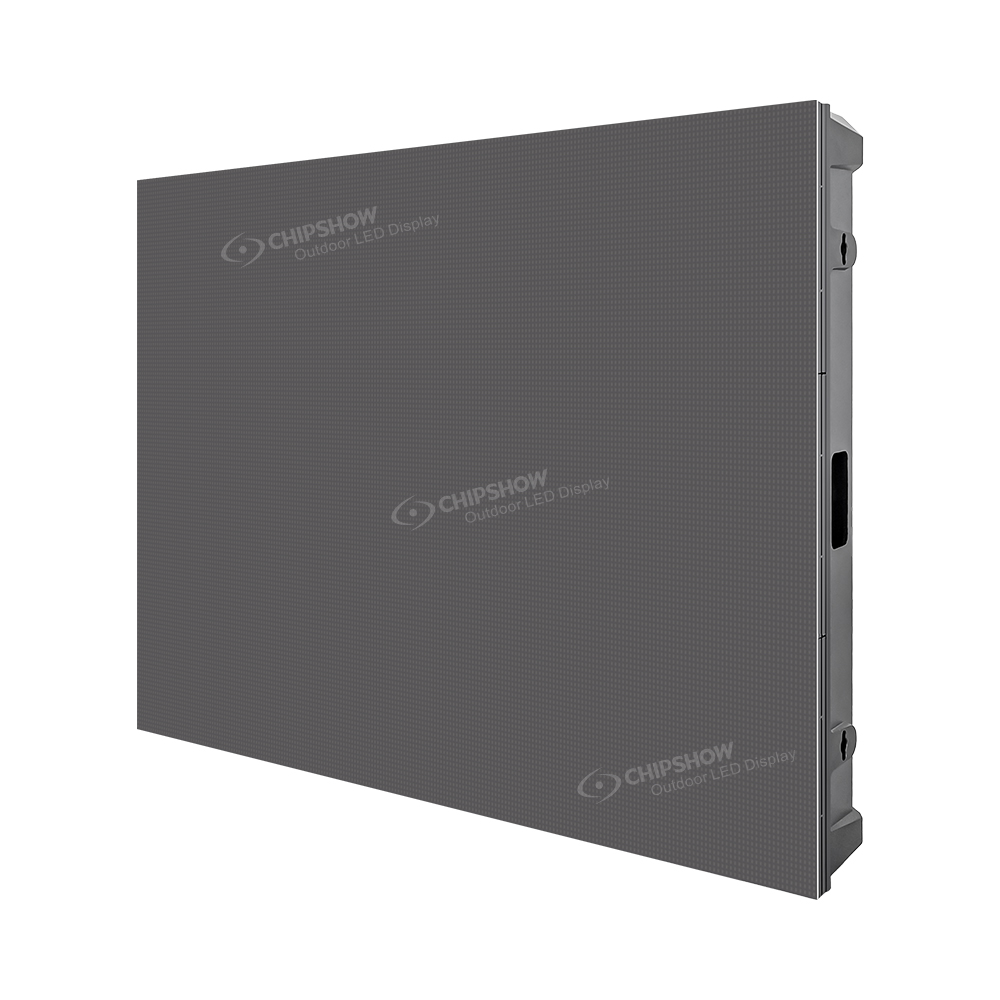
Micro-LED is usually discussed as a premium visual option with pixel-level light control and very high uniformity. The practical takeaway is simple: it is often considered when buyers want the most refined image presentation and are comparing high-end alternatives, not because it automatically wins every boardroom project.
For buyers, the important question is not which technology sounds more advanced. It is which one handles the room’s friction better. If presenters move close to the display, if staff need easier front access, or if the wall sits in a finished executive space, COB often deserves the first look. If the room is a showcase environment and the brand brief puts visual refinement above all else, Micro-LED remains a valid contender.
Engineering Resilience: Chipshow C-Max P0.9 Indoor Display Series Clears Comprehensive CE Safeguard Audits is a relevant background read if you want to compare indoor fine-pitch display positioning and safety documentation alongside the technology choice.
Decision Sentence
COB is usually the safer starting point when close-range handling and practical durability matter. Micro-LED is more attractive when image refinement is the main objective, but that advantage matters less if the room layout or service plan is weak.
Decision Sentence
If you are choosing mainly by brand prestige, pause. In a boardroom, the better choice is the one that fits the service workflow and the way the wall will be used day to day.
Where Pixel Pitch Starts to Matter
| Boardroom Factor | Why It Matters | Micro-LED Consideration | COB Consideration | Buyer Takeaway |
|---|---|---|---|---|
| Viewing distance | Closer seats make pixel structure and text softness easier to notice | Often chosen when ultra-fine visual refinement is the goal | Often chosen when fine pitch and practical handling both matter | Match pitch to the closest important seat, not the farthest one |
| 4K or 8K content fit | High-resolution content still looks soft if pitch and distance do not align | Can support premium clarity, but only if the room geometry is right | Can also support crisp presentation use when pitch is selected carefully | Resolution alone does not solve a mismatched room layout |
| Text readability | Dense slides and dashboards expose weak pitch choices fast | Best when the room needs a highly refined viewing experience | Strong option when clear close-range viewing matters and the wall may be touched more often | Prioritize readable text over headline resolution numbers |
| Room size | Smaller boardrooms usually tighten the pitch requirement | Can be part of a premium compact-room build | Often practical for compact executive rooms | Smaller rooms punish loose pitch choices |
The key idea is that pitch is a room variable, not a technology trophy. AVIXA’s guidance on choosing pixel pitch by seating distance is useful because it forces the buyer to think about the real audience position, not the marketing label. Planar’s viewing-distance guide makes the same point in a more formal way: the closer the audience, the more carefully pitch and legibility have to be matched.
For a hybrid boardroom with 3 to 6 meters of seating, mixed window light, and frequent spreadsheet or dashboard content, the question is not whether the display looks impressive in isolation. The question is whether it still reads cleanly from the nearest seat and whether the room layout leaves enough margin for comfortable viewing.
Decision Sentence
If your room shows spreadsheets, slides, or dashboards every week, pitch should outweigh technology preference. If the room is mostly used for longer-distance viewing, the choice can be broader, but only if the content remains legible at the nearest seat.
Brightness, Contrast, and Room Lighting
Brightness and contrast only matter if they survive real lighting conditions. A boardroom rarely looks like a showroom. It may have sunlight from one side in the morning, overhead lighting in the afternoon, and darker slides during a client presentation. That is why a display should be judged in the room, not only from a spec sheet.
A useful rule of thumb is that brightness should stay usable across the day, while contrast should preserve chart detail, facial detail, and dark slide content. You do not need to turn that into a universal brightness target to make a good decision. You do need to ask whether the wall will still look clear when the lights are on and blinds are only partly closed.
The reason this matters is simple. In long executive sessions, glare and weak contrast make people work harder to read the same slide. That does not just reduce polish; it can make the room feel tiring. If the boardroom has large windows or reflective finishes, treat ambient light control as part of the display decision, not as a separate interior-design problem.
For buyers comparing indoor display options, the product path should reflect the room’s lighting behavior. If the installation is heading toward a premium indoor platform, the C-Max collection is a reasonable navigation point for browsing boardroom-friendly indoor options. If your project leans toward a more mission-critical layout, the C-Pad collection is the more relevant browsing path.
Decision Sentence
If the room has strong daylight or reflective surfaces, the display choice should be tested in the actual room conditions before sign-off. If the room is consistently dim and controlled, the lighting problem is smaller, but still worth checking with real slides and video calls.
Decision Sentence
A showroom test that looks excellent under controlled lighting is not enough for a boardroom. The real test is whether charts, faces, and white text stay legible when the room is lit the way it is used.
Boardroom Fit Versus Lifetime Cost
- If the wall sits in a finished boardroom, front-service access can save disruption when maintenance is needed.
- If presenters or facilities staff may stand very close to the display, a more protected surface is easier to live with over time.
- If the room must still look executive-grade after installation, cabinet depth and flush mounting matter more than many buyers expect.
- If the budget is tight, do not judge by upfront hardware price alone. Maintenance effort, spares planning, and service downtime can matter more across the life of the room.
- If the project has limited downtime windows, choose the option that makes future access simplest, even when the initial quote is higher.
This is where the choice often flips. A lower-cost wall can look acceptable on paper, but if it creates more service work or a harder installation, it may be the wrong fit for a boardroom that has to keep running with minimal interruption. That is why long-term ownership cost belongs in the first comparison round, not the final one.
If your buyer brief leans toward ruggedized indoor COB, the C-Pad-H Slim Indoor COB(P0.9-1.56) is a sensible navigation link for checking a slim front-service COB option.
Decision Sentence
If maintenance access is difficult after installation, prioritize serviceability over headline image specs. If the wall is easy to reach and the room is controlled, you can afford to weigh visual refinement more heavily.
Decision Sentence
A display that is slightly less glamorous but easier to maintain is often the better boardroom choice. That trade-off becomes obvious the first time the room needs service during a packed executive calendar.
Which Technology Fits Your Boardroom
- Start with the room geometry, seating distance, and content type. If the room is close-viewing, chart-heavy, or used for hybrid calls, those facts should drive the decision.
- Choose COB first when the wall needs more practical surface protection, easier handling, or a more service-friendly path in a finished boardroom.
- Keep Micro-LED in the evaluation set when the room is a premium showcase environment and the visual brief demands the most refined presentation.
- Recheck lighting, mounting depth, and maintenance workflow before final approval. If those three pieces do not fit, the “better” technology on paper can still become the worse project in practice.
For most corporate boardrooms, COB is the more practical starting point. Micro-LED makes sense when the project is a true premium showcase and the room conditions support that ambition. The correct answer is the one that fits the room’s distance, lighting, and service plan, not the one that sounds most advanced in a spec meeting.
Final Boardroom Buying Checks
- Verify that the selected pitch supports the closest important seat, not just the center of the room.
- Confirm that the display remains readable for spreadsheets, slides, and remote participants under your real lighting setup.
- Check whether the surface, protection level, and cleaning routine match how close people will stand to the wall.
- Make sure mounting depth, cable routing, and wall flushness still feel executive-grade after installation.
- Review service access, spare parts planning, and maintenance timing before signing off the quote.
If the display passes those checks, the project is probably aligned with the way the room will actually be used. If it fails even one of the friction points, it is worth revisiting the room design before choosing between Micro-LED and COB.
FAQs
Q1. How Do I Choose the Right Pixel Pitch for a Boardroom?
Start with the closest seating distance and the smallest content you expect people to read, such as spreadsheet cells or agenda text. The finer the pitch needs to be, the more important room geometry becomes. A technology label alone is not enough to make the right call.
Q2. What Makes COB Attractive for Executive Meeting Rooms?
COB is attractive when the wall needs practical durability, close-range handling, or easier day-to-day ownership in a finished room. It is often the more comfortable starting point for boardrooms where presenters stand near the display or where service access matters.
Q3. Can Micro-LED Replace COB in a Corporate Boardroom?
Sometimes, but only if the room brief supports it. Micro-LED can be a strong premium option in controlled, high-end spaces, yet it does not automatically beat COB on serviceability, surface handling, or overall project fit. The room still decides the winner.
Q4. Why Does Room Lighting Change the Choice?
Because glare, reflections, and daylight exposure change how usable brightness and contrast feel in real meetings. A display that looks great in a controlled demo can feel much less convincing in a room with windows, bright ceiling lights, or reflective finishes.
Q5. What Should I Confirm Before Signing Off the Project?
Check the closest viewing seat, the actual content mix, the service plan, and the final mounting layout. Also confirm that cleaning, maintenance access, and installation depth fit the room’s daily use. Those details often determine whether the display feels polished or frustrating after launch.
The Best Boardroom Choice Is the One That Fits the Room
Micro-LED vs COB is best treated as a room-fit decision, not a status contest. If the boardroom needs practical protection, easier maintenance, and reliable close-range viewing, COB usually earns the first look. If the space is a premium showcase with a strict visual brief, Micro-LED can belong on the shortlist. The final choice should survive the real room, the real content, and the real maintenance plan. Test the shortlist against actual seating distances and service access before purchase.