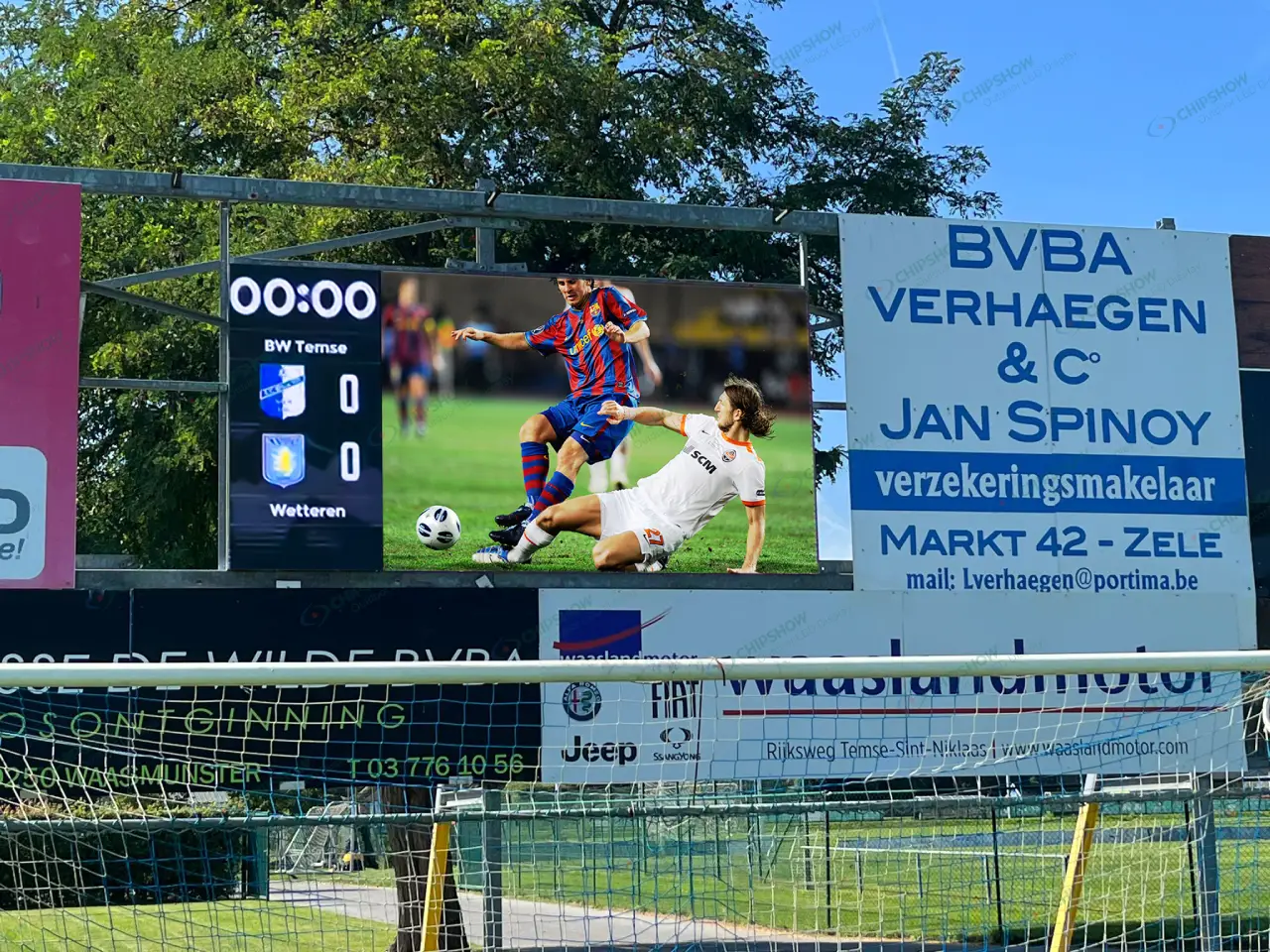
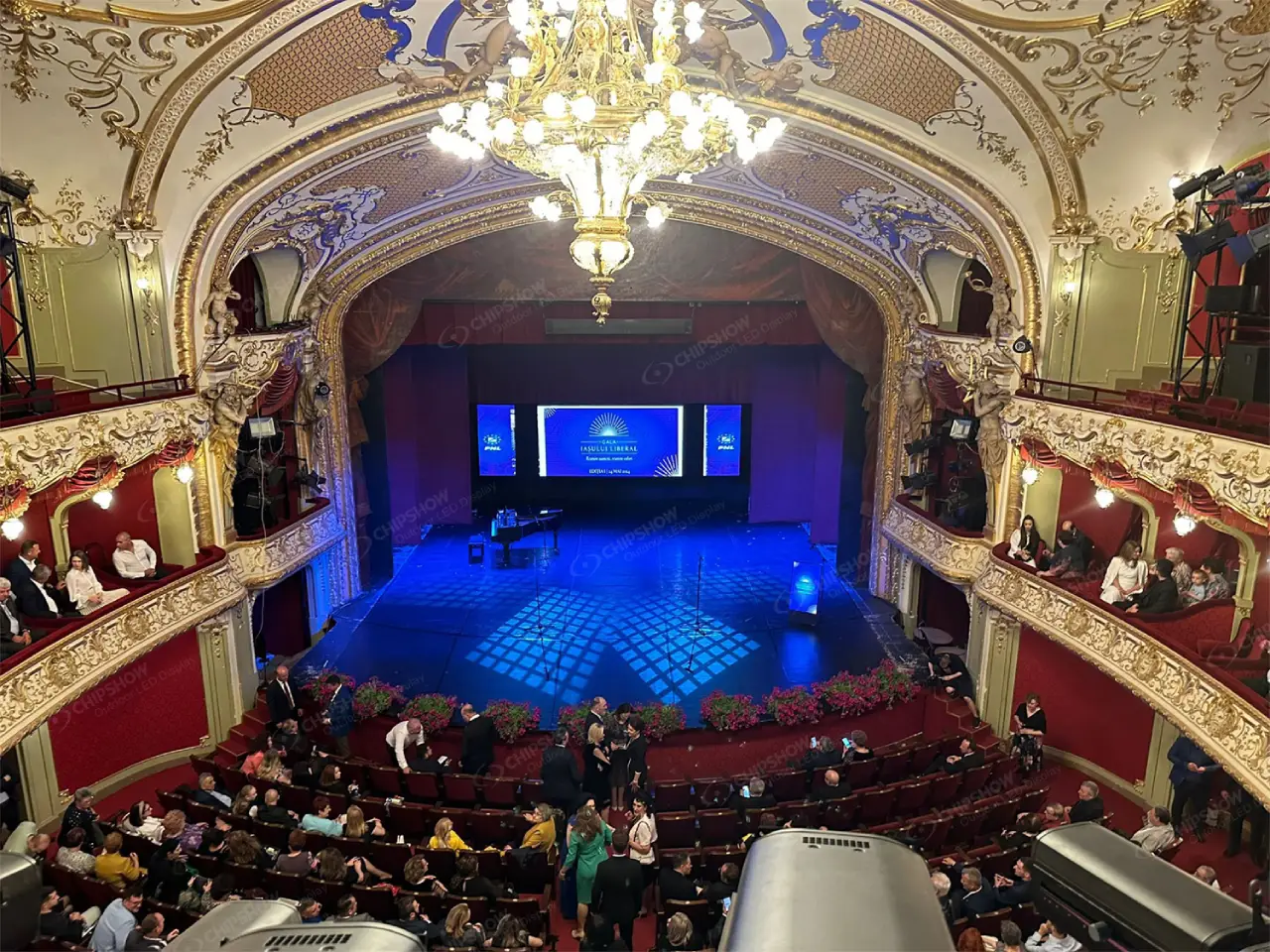
An LED billboard allows advertising content to change electronically. A useful campaign still needs a clear message, an approved publishing schedule and a way to distinguish content playback from customer response.
Start with the audience and one campaign objective
Define who can reasonably see the display, what they should understand and what action is appropriate afterward. A pedestrian-facing offer and a roadside brand message should not automatically use the same artwork. For road-facing installations, local advertising and road-safety requirements must govern content and placement; do not design interaction that depends on a driver stopping to scan or read detailed instructions.
Write a one-sentence objective before commissioning creative work. It might be to communicate an event date, explain a current offer or support brand recognition. Each objective needs its own evidence. A count of content plays cannot establish that people noticed the message, and it cannot establish sales.
Make the message readable
Use a clear hierarchy: one main message, a recognizable brand and the essential qualification. Preview the actual artwork on the proposed pixel canvas rather than relying on a high-resolution laptop mockup. Review it from representative audience positions and with the intended display duration. Text that needs a long explanation may belong elsewhere in the campaign.
Assign publishing and expiry responsibilities
Electronic updates can remove the need to replace a printed face for each message, but they introduce a publishing workflow. Decide who approves an offer, who schedules it and who can withdraw it. Prepare a neutral fallback for an expired promotion or unavailable content feed. Agree these controls with the operator before the campaign starts.
- Keep an approved creative version and its intended run period.
- Record content ownership and required venue or authority permissions.
- Assign someone to check that the displayed message matches the approved version.
- Define how urgent corrections are requested and confirmed.
Separate delivery records from business results
Use playback records to investigate whether content ran as scheduled. Where appropriate and privacy-compliant, campaign-specific landing pages or offer codes can help connect responses to a campaign. Those responses still need interpretation: a visit is not a qualified inquiry, and a qualified inquiry is not a completed sale.
Agree the measurement window and baseline before launch. If sales change, consider other promotions, seasonality and differences in trading conditions before attributing the change to the billboard. Report the observed result with these limitations rather than promising a return from the display itself.
Turn the campaign into a purchasing brief
For a new project, use the business display requirements guide to document the site and operating needs, then the outdoor LED manufacturer evaluation guide to compare supplier evidence and service scope.
The Italy park P3.91 advertising rental reference provides a separate historical application example, with a different site and audience context. Bring the audience brief, approval process and representative artwork to the supplier discussion. The goal is a campaign that can be read, managed and evaluated—not simply a screen that can play video.