

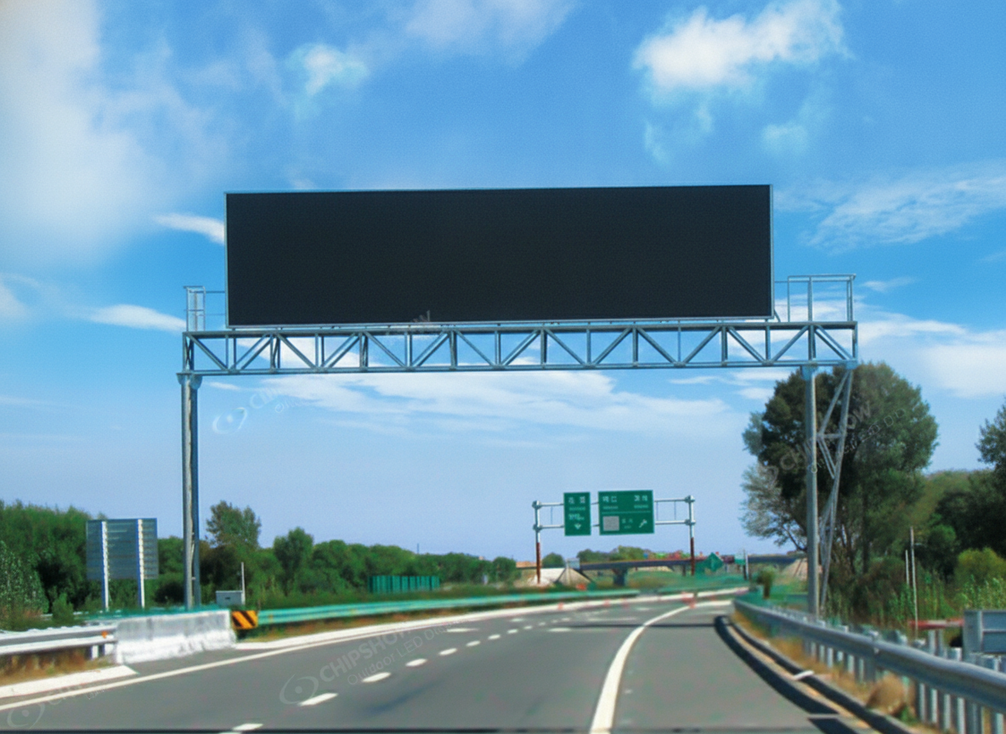
Highway VMS brightness is a corridor-fit decision, not a single-number purchase. The right spec depends on sunlight, fog, mounting height, and viewing distance, because even strong LED wall brightness can wash out in the wrong setting. In the U.S., the MUTCD baseline is the starting point for traffic control devices, but visibility still has to be judged in the context of the route, not just the display. For buyers comparing quotes, the first question is not "What is the brightest option?" It is "What combination of brightness, contrast, and optics keeps the message readable where this sign will actually live?"
Why Brightness and Visibility Drive VMS Selection
Brightness matters because roadside legibility is a public-facing decision, not just an equipment spec. A highway sign has to be readable from the approach distance the corridor allows, under the light the corridor creates. That is why specifiers should compare the full visibility package, not only the nit figure on the quote.
Sun exposure changes the answer quickly. Fog does too. So do mounting height and message complexity. A simple arrow or short word may survive a tougher site better than a dense message, but neither brightness nor layout should be treated as a universal fix. If the corridor is exposed and fast-moving, brightness and glare control become more important; if the route is sheltered or shorter-range, a lower peak number may still be workable.
For highway projects, this is the right way to think about traffic VMS options: choose the display for the corridor, then compare products against that corridor profile.
How Nit Ratings Translate to Real Visibility
A nit is a brightness measure, useful for comparing displays, but it is not a complete visibility score. In plain terms, higher nits mean more light output, yet the sign still has to keep text and symbols distinct against the background. That is why the VMS legibility research from the Access Board points buyers toward a daytime contrast target around 8:1 to 12:1 for light-emitting technologies. The practical takeaway is simple: brightness helps, but contrast tells you whether the message actually reads cleanly.
The hardware side matters too. NEMA TS 4 for changeable message signs is the reference point procurement teams should use when they want to verify hardware performance instead of relying on marketing language alone. That does not mean TS 4 guarantees field readability in every corridor. It means the buyer has a better way to check that the display package is being described in a controlled, comparable way.
That is why a 20,000 nit-class sign should be treated as a high-performance sunlight-readable example, not a universal requirement. In some corridors, that level of output may make sense; in others, optics and message contrast will matter just as much. The spec question is not whether the number sounds impressive. It is whether the number supports the route, the viewing distance, and the message that needs to be read.
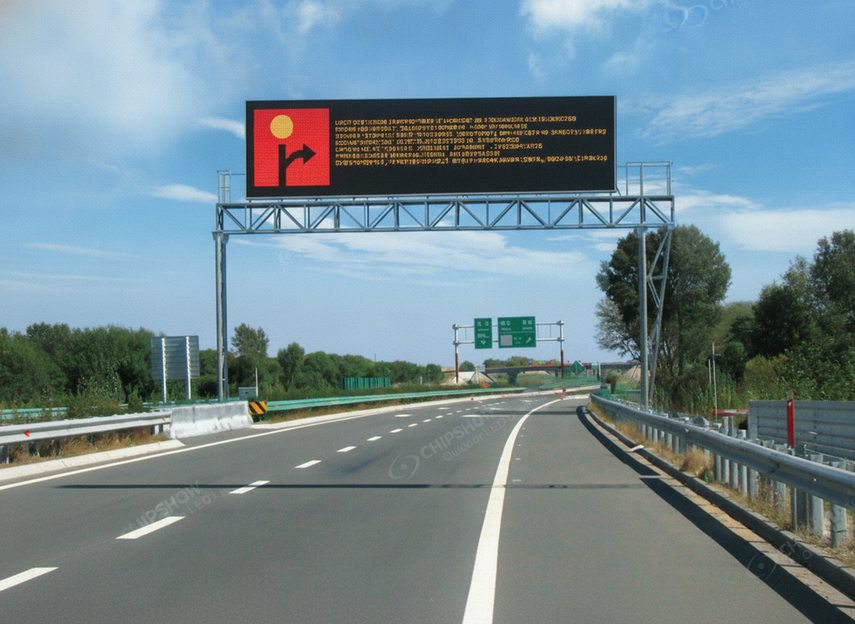
Optics Choices That Shape Day and Fog Readability
For daytime visibility, optics can be as important as raw brightness. The Access Board’s VMS technology guidance explains why glare-control optics for direct sunlight matter: shaders, louvers, and similar optical controls can reduce glare and help preserve contrast when the sun is washing across the sign face.
That changes the buying decision. If a corridor gets heavy direct sun, a higher nit rating without good glare control may still leave the message looking flat or reflective. If the route is less exposed, the optics package may not need to be as aggressive, and you can avoid paying for brightness that does not solve the real problem.
Fog is different. Visibility in fog is limited by scattering, so brightness alone should never be presented as a guarantee. The better question is whether the sign can maintain usable contrast when the air itself is degrading the signal. In practice, that means optics, message design, and corridor distance all still matter. A fog readable VMS optics specification should be treated as a site-specific judgment, not a promise that higher nits will erase the weather.
- Check whether the optics package uses shaders, louvers, or other glare-control features.
- Match light distribution to the corridor, not to a generic catalog image.
- Treat fog performance as conditional, especially on long approaches or variable-weather segments.
- If the route is bright and exposed, prioritize glare control before chasing the highest nit number.
- If the route is fog-prone, verify how the display preserves contrast instead of assuming output alone will carry the day.
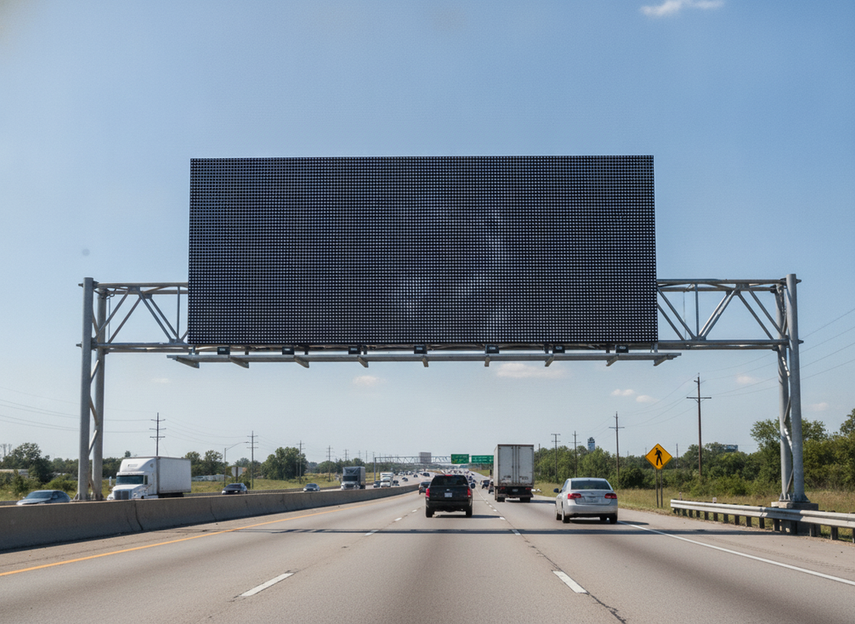
Match Brightness and Optics to Corridor Conditions
| Corridor Condition | Dominant Visibility Challenge | Brightness Priority | Optics Priority | Specification Note |
|---|---|---|---|---|
| Direct sun on a mainline approach | Washout and glare | High | High | Prioritize strong daytime contrast and glare control together. |
| Fog-prone highway segment | Scattering and reduced contrast | Moderate to high | High | Do not assume brightness alone will solve legibility in fog. |
| Urban retrofit with shorter viewing distance | Geometry and structure limits | Moderate | Moderate to high | Avoid overbuying brightness if mounting and access constraints dominate. |
This is the easiest way to avoid a bad spec. Direct-sun corridors usually reward stronger brightness plus glare-control optics. Fog-prone segments need caution because scattering can erase the benefit of a high number on paper. Retrofit corridors often sit between those two extremes, where the mounting geometry and maintenance access can matter almost as much as output.
For procurement reviews, this table is best used as a filter, not a formula. It shows where highway VMS brightness should lead the decision and where optics or geometry should lead instead. If you are comparing gantry VMS for mainline highways, look for the same route-fit logic in the datasheet and the project notes, not just a headline brightness figure.
A Practical Selection Checklist for Specifiers
- Define the corridor first. Note whether the site is direct sun, fog-prone, or a retrofit with a shorter approach distance.
- Set the readability goal. Decide what the driver needs to read, how long the message will be, and how much time the corridor gives them.
- Compare brightness with optics, not against them. A stronger nit rating is useful only if the contrast and glare control support it.
- Verify the documentation. Ask for published performance data, the relevant hardware standard, and the project documents you will use for approval.
- Pick the product path that fits the route. If the site is a mainline gantry, a product family built for larger-span highway use may be the right place to start, but check the specs against the corridor before you buy.
If the project is still in early review, this checklist is enough to narrow the field without overcommitting to a number. For a broader browse path, start with traffic VMS options and then verify whether the display class matches the sightline, weather exposure, and maintenance plan.
Final Takeaway
Highway VMS brightness should be specified as part of a visibility system, not as a stand-alone headline spec. For direct-sun corridors, higher output and glare control usually belong together. For fog-prone routes, brightness helps only within the limits of scattering and contrast. If you are comparing bids, use the corridor checklist first, then verify the datasheet against the route conditions before you lock the purchase.
FAQs
How Bright Does a Highway VMS Need to Be for Sunlight Readability?
There is no single universal number that fits every corridor. Sunlight readability depends on viewing distance, mounting height, message length, contrast, and glare control as much as on brightness. Use the corridor conditions to set the target, then compare the nit rating with the optics package and the readability goals for that site.
What Is the Difference Between Brightness and Visibility in a Roadside Sign?
Brightness is one input, while visibility is the result of several inputs working together. A bright sign can still be hard to read if contrast is weak, the viewing angle is poor, or glare is high. That is why buyers should judge the whole display system, not the headline number by itself.
Can Fog Readability Be Guaranteed by Choosing a Brighter VMS?
No. Fog reduces visibility through scattering, so a brighter sign may help but cannot guarantee legibility. Message design, optical control, and distance still matter. If a corridor is fog-prone, treat the spec as a site-specific visibility problem rather than a simple brightness upgrade.
How Does Mounting Height Affect Highway VMS Visibility?
Mounting height changes the sightline and viewing angle, which can make the same display easier or harder to read. Higher mounting can improve long-range visibility in some corridors, but it can also add angle and glare challenges. Check the approach geometry before deciding how much brightness you really need.
What Should a Buyer Verify Before Comparing Highway VMS Quotes?
Check the corridor conditions, the readability goal, the published brightness data, the optics details, the relevant hardware standard, and the maintenance plan. If those items are not clear in the quote, the safest move is to ask for a revised spec package before you compare prices or place an order.