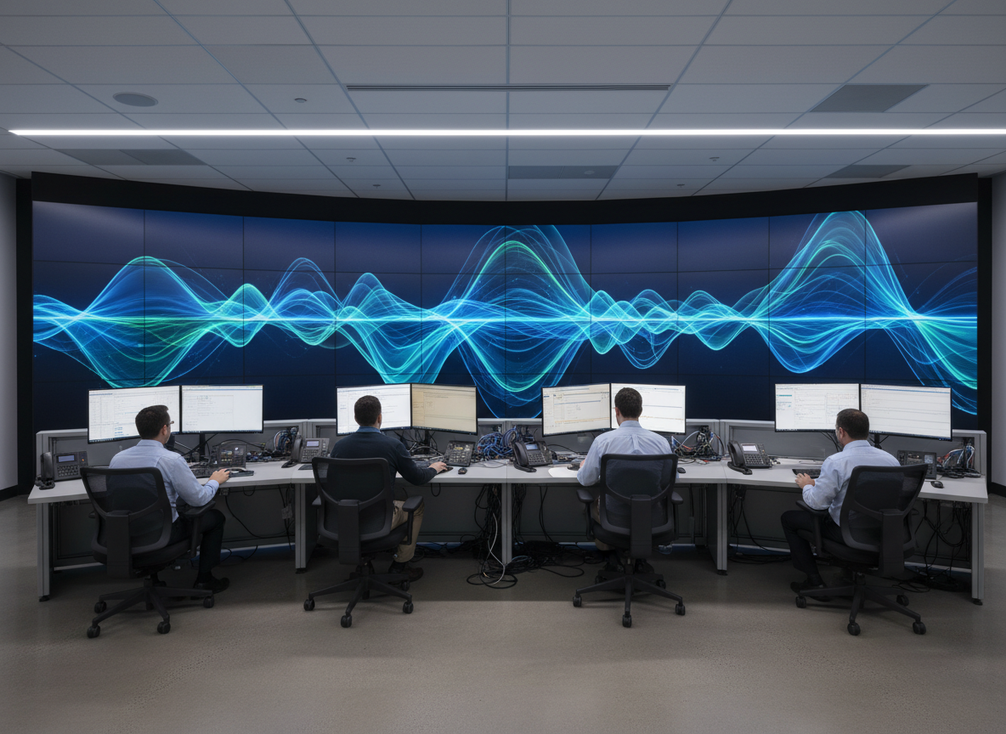
COB fine-pitch LED display can be a good fit for control rooms, but only when the protected surface, service access, and lifecycle cost all line up with the room. In 24/7 command centers, the real question is not just image quality. It is whether the wall can be maintained without creating more downtime or labor than the budget can absorb.
Why COB Changes the Control-Room Tradeoff
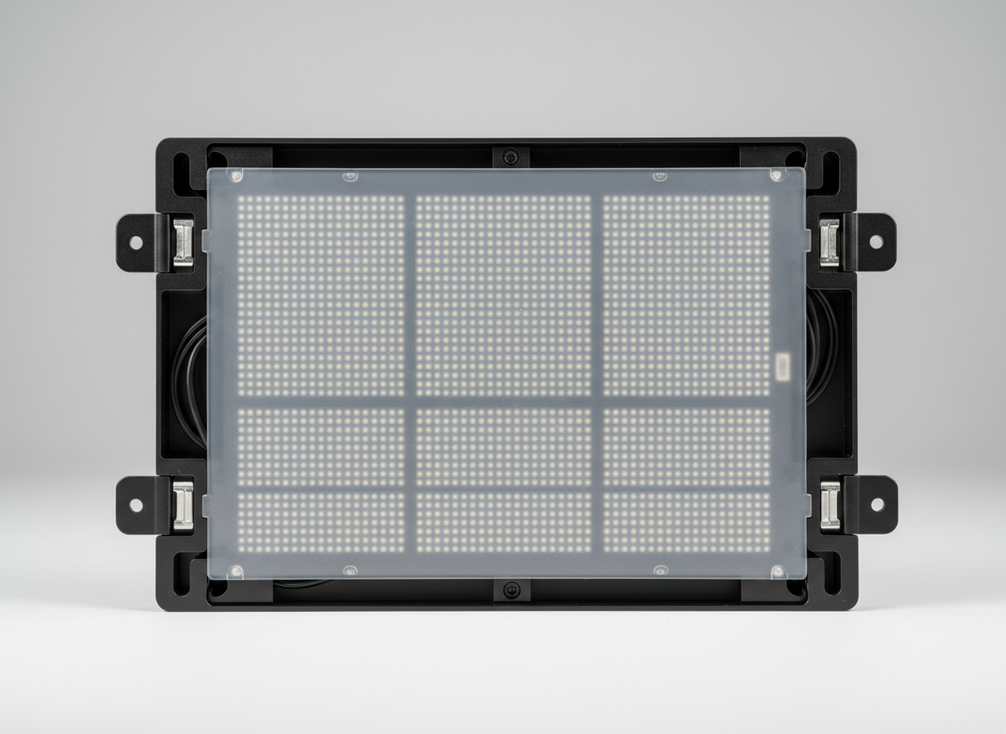
COB means the LED chips are mounted directly to the PCB, which changes how the display surface is built and protected. COB packaging shift For buyers, that matters because a control room is not a normal signage project. Operators may sit close to the wall, the room may run all day, and a maintenance event can interrupt a mission-critical workflow.
That is why a COB fine pitch LED display should be judged as a system choice, not a material upgrade. If the wall is easy to reach and downtime is less sensitive, SMD may still be the simpler path. If the room is tight, high-touch, or close viewing is common, COB becomes more interesting because surface protection matters more.
COB vs. SMD in Control-Room Use
| Buyer Criterion | COB | SMD | What It Means In A Control Room |
|---|---|---|---|
| Surface protection | Stronger surface protection in many designs | More exposed surface | COB is better when incidental contact or front-surface wear is a concern. |
| Repair path | Often more product-specific and module-oriented | Often simpler at the component level | SMD may be easier when the room values straightforward field repair. |
| Access burden | Depends heavily on cabinet design | Also depends on cabinet design | Packaging alone does not tell you how hard the repair will be. |
| Downtime risk | Can be lower or higher depending on service model | Can be lower or higher depending on service model | The access plan matters more than the label on the LED package. |
| Close-viewing fit | Usually strong for dense, close operator views | Also viable, but depends on model | COB is often attractive where viewers sit near the wall. |
| TCO sensitivity | Can justify premium if service disruption is expensive | Can win when budget and access are simpler | The winning option is the one that fits the room’s operating risk. |
The best fit is not always the most protected surface. If your room has limited rear access, COB only makes sense when the cabinet’s service model is verified first. If the room has easier maintenance access and you expect fewer disruptions, SMD can remain the more practical buy.
What Serviceability Really Means
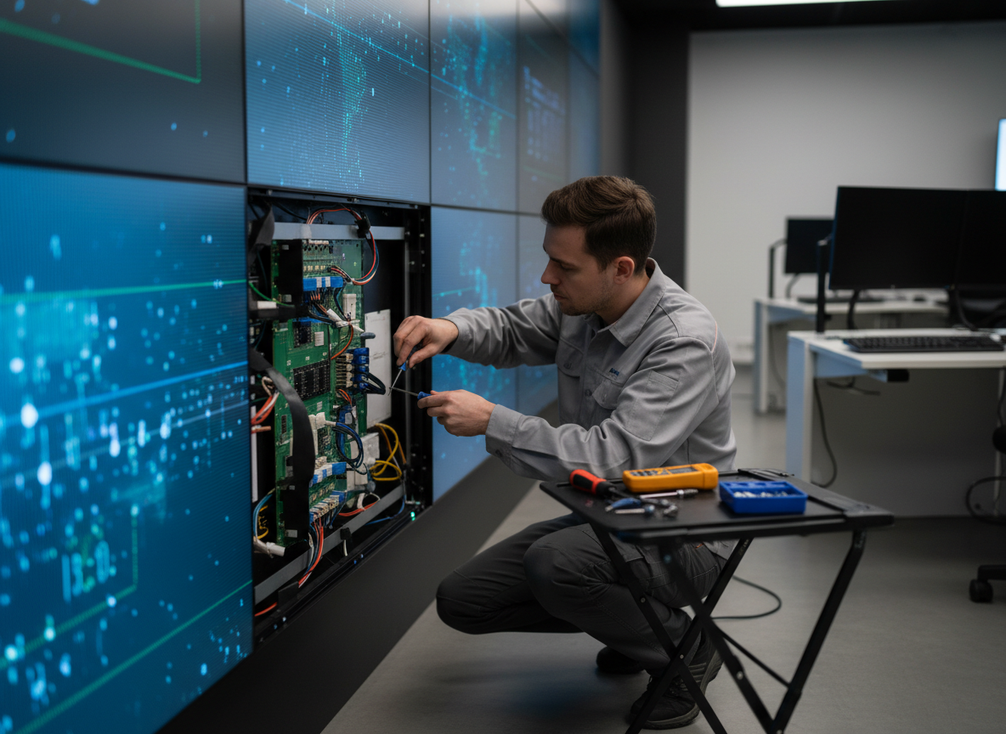
Serviceability is not a marketing label. In a control room, it means how quickly a technician can reach the fault, remove the affected part, and restore the wall without disturbing more of the system than necessary. That includes cabinet access, module replacement steps, cable reach, and whether adjacent panels need to come offline.
That is also why front-service design matters so much in tight rooms. A front-service COB video wall can be a better maintenance fit than a wall that requires rear access, but only if the exact cabinet design supports that workflow. COB packaging by itself does not guarantee easy repair.
A useful rule of thumb is this: if your team is trying to minimize disruption during a fault, measure the restore path, not just the pixel pitch. A display that looks more durable on paper can still be a harder repair if the access path is awkward.
When COB Makes the Most Sense
- Close viewing is part of the job. If operators sit near the wall for long shifts, the more protected surface can matter more than it does in a lobby or meeting room.
- Incidental contact is a real risk. If the wall sits in an active work zone, the surface protection of COB may reduce the chance that routine handling becomes a visible problem.
- Downtime is expensive. If a maintenance event interrupts dispatch, monitoring, or incident response, paying more up front can be rational.
- The room is hard to service. If rear access is limited, the exact cabinet layout becomes a major buying filter.
- You care more about lifecycle resilience than the lowest purchase price. COB can be worth considering when disruption, labor, and replacement planning matter more than a simple upfront comparison.
COB is a weaker fit when the installation has easy rear access, the room can tolerate longer service windows, or the budget is tight and the maintenance plan is straightforward. In those cases, the premium may not buy enough operational value to justify itself.
How TCO Changes Over the Lifecycle
Total cost of ownership in a control room should include purchase price, install effort, service labor, downtime exposure, replacement planning, and the operating effects of thermal behavior. The packaging and thermal behavior discussion matters here because packaging can influence heat handling and long-term operating cost in 24/7 environments.
That does not mean COB always saves money. It means the upfront price is only one part of the equation. If a display reduces service disruption, shortens maintenance work, or lowers the chance that a fault spreads into a bigger operational problem, the premium may be easier to defend. If your room is easy to service and downtime is manageable, the same premium can be harder to justify.
For procurement teams, the cleanest way to compare COB vs SMD LED command center TCO is to ask three questions: What does the wall cost to buy? What does it cost to keep serviceable? And what does one fault cost the room if it happens at the wrong time? That third question often separates a good-looking quote from the better lifecycle decision. For broader budgeting context, our LED screen price guide can help frame the cost drivers, but room access still decides the real service burden.
A Practical Decision Checklist
- Confirm whether the wall is front-serviceable or rear-serviceable in your actual room layout.
- Match the service model to your staffing and downtime tolerance.
- Compare the full ownership cost, not just the quote.
- Verify the cabinet design before you assume COB will be easier to maintain.
- Check whether the repair path fits your team’s workflow, not only the spec sheet.
- Ask who will handle a fault at 2 a.m. and how much access that person will need.
If the access path and downtime risk do not fit, keep comparing mission-critical video wall options before you commit.
FAQs
Is COB Better Than SMD for Control Rooms?
COB is often stronger when the room needs a more protected surface and operators view the wall up close. SMD can still be the better choice when service access is simpler, downtime tolerance is higher, or the project is more budget-sensitive. The better answer depends on the exact cabinet design and repair workflow.
Are COB Displays Worth the Extra Cost?
They can be, but only when the premium helps reduce disruption in the specific room. If downtime, technician labor, or repeated surface wear are meaningful risks, COB may justify itself better than a lower-cost option. If those risks are modest, the extra spend is harder to defend.
What Does Serviceability Mean in a COB Video Wall?
It means how easily the team can diagnose, reach, and restore the affected area without creating extra disruption. In practice, that includes access direction, module replacement steps, and how many adjacent panels are affected during a repair. The COB label alone does not answer that question.
Can a COB Wall Be Front-Serviceable?
Yes, but front-serviceability comes from the cabinet and service design, not from COB packaging by itself. Before specifying the wall, check whether the product documentation supports front access in your room layout. That is especially important where rear clearance is limited.
How Should a Procurement Team Judge TCO for 24/7 Video Walls?
Procurement should compare the quote price with maintenance access, service labor, downtime exposure, and replacement planning over the expected operating life. In a 24/7 room, the cheapest purchase is not always the lowest-risk ownership choice. The better buy is the one that fits the room’s operating limits.