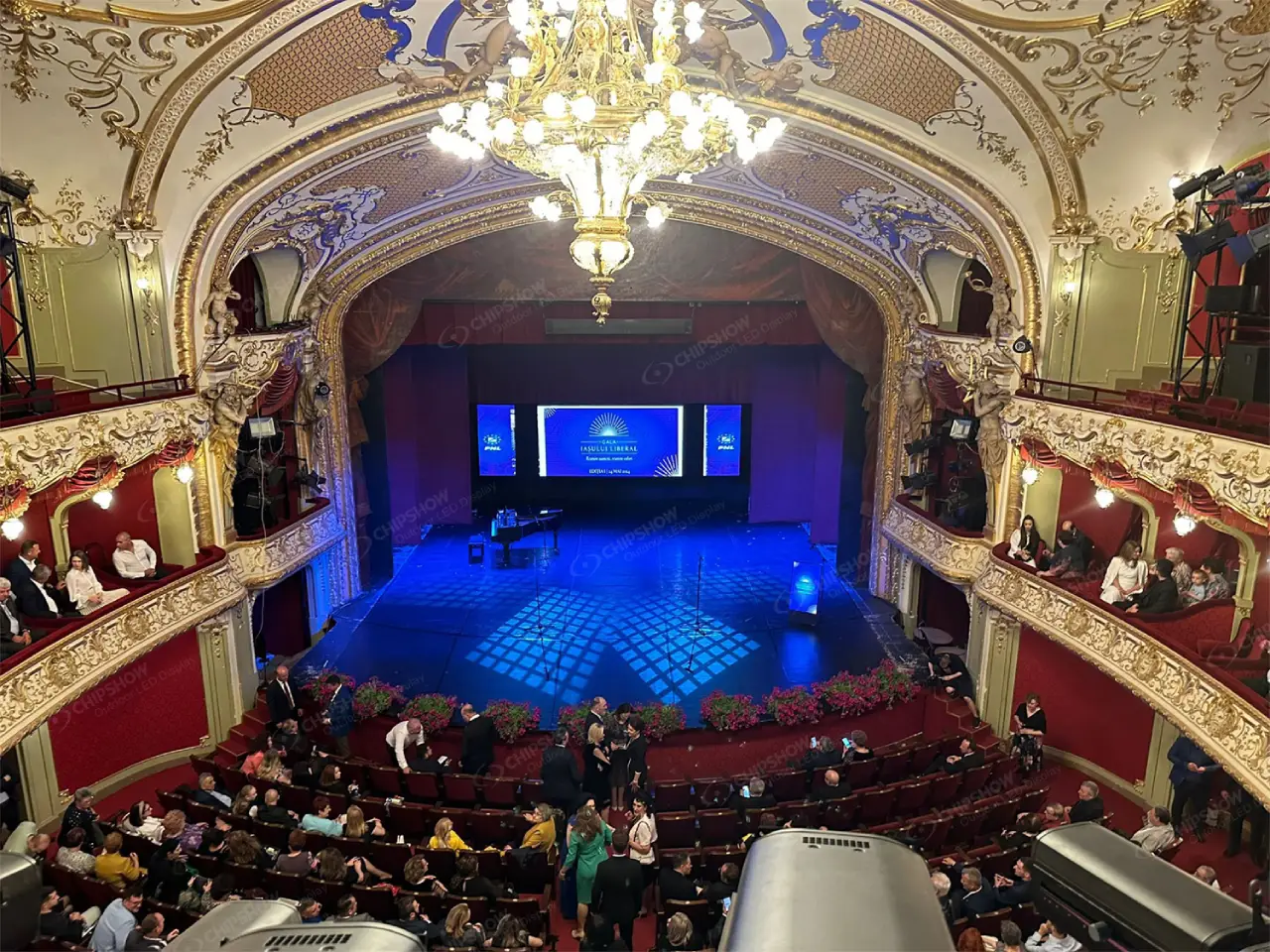
For a bright church sanctuary, compare LED and projection with the actual stage wash and daylight, readable lyrics from the back rows, and a recorded livestream camera test. An LED wall can provide a large self-emissive image without projector throw distance; projection can remain cost-effective when its measured contrast, size, and installation fit the room. Include quiet operation, access, power, service, and content in the comparison.
What Is a Church LED Wall and What Is a Projection Screen?
These two display technologies serve the same general purpose but operate on different principles. Knowing how each works clarifies which one fits your sanctuary.
How a Church LED Wall Works
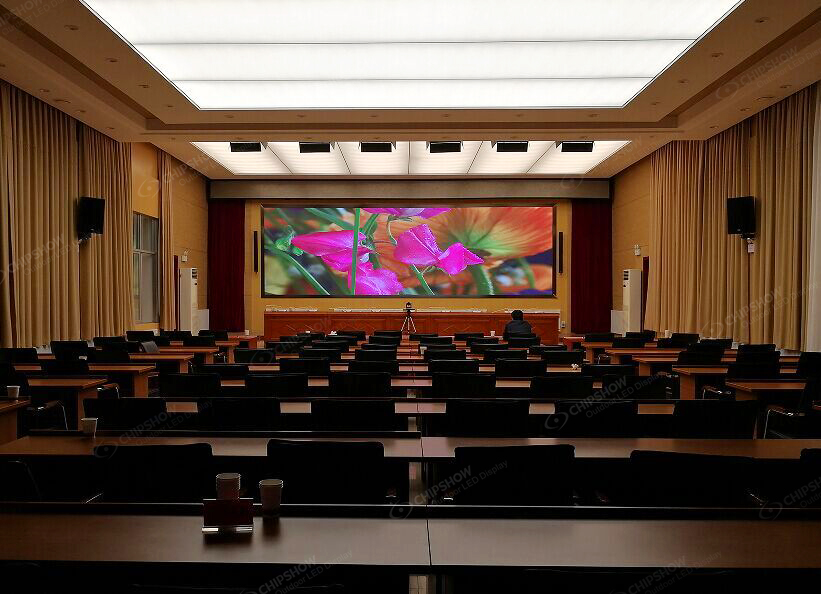
A church LED wall is assembled from self-emissive modules. It needs no projector throw distance, but ambient reflection still affects perceived contrast and legibility. Test the planned brightness and content with stage lights and daylight in the actual sanctuary.
How a Projection Screen Works
A projector forms an image on a reflective screen. Evaluate the selected projector, screen material, image size, throw geometry, and ambient light together. For lamp-based models, quote replacement lamps and rated maintenance intervals; for laser and higher-lumen units, confirm the manufacturer’s light-source retention, noise, and service terms. A lamp-price or replacement cycle is not universal.
Key Technical Differences Between a Church LED Wall and a Projection Screen
The differences that affect Sunday service quality, livestream output, and long-term operating cost are worth examining individually.
| Factor | Church LED Wall | Projection Screen |
| Upfront Cost | Quote the complete LED installation | Quote projector, screen, mounting and integration |
| Consumable Costs | Spares, power, maintenance and service costs | Model-specific light-source maintenance and replacement |
| Image in Bright Room | Test legibility and contrast in actual light | Test projector/screen contrast in actual light |
| Livestream Quality | Verify the actual livestream camera setup | Verify exposure, contrast and timing on camera |
| Refresh Rate | 3,840Hz–7,680Hz depending on model | Model-specific frame and image processing |
| Fan Noise | Fanless models available | Fan noise from projector unit during operation |
| Operational Half-Life | Model-specific brightness retention and system service life | Model-specific light-source retention and service plan |
| Installation Complexity | High; structural, electrical, AV integration required | Low to moderate |
| Content Flexibility | Multi-zone; IMAG (image magnification), lyrics, motion graphics simultaneously | Content canvas depends on signal design; verify throw and screen size |
The projector remains a practical option for dark sanctuaries without an active streaming program and with a limited display budget. For churches with ambient light challenges or active streaming, LED is the functional starting point.
Silent Operation and Why It Matters for a Church LED Wall
Fan noise is an afterthought in most LED display comparisons. In a sanctuary, it is a primary specification.
The Noise Problem in Worship Spaces
Compare acoustic output at the planned brightness and thermal load, measured from relevant seating and microphone positions. Fan-cooled equipment may affect quiet services; fanless designs remove fan noise but do not establish that the whole AV and power system is completely silent.
Fanless Design for Sanctuary Installations
Passive cabinet cooling can support quiet venues. Chipshow’s C-Max Commercial is marketed for service-friendly indoor spaces with a metal-alloy cabinet and quiet operation. Confirm the quoted cooling arrangement and measure the complete installation near the intended microphones.
Pixel Pitch and Refresh Rate for a Church Stage LED Screen
Selecting a church stage LED screen requires matching pixel pitch to viewing distance and refresh rate to camera workflow. These two specifications determine real-world image quality more than any other parameter.
Pixel Pitch Selection by Viewing Distance
A practical industry reference: minimum comfortable viewing distance in feet is approximately three times the pixel pitch in millimeters. Use this as a starting point, not a fixed rule, since content type and ambient light also affect perceived clarity.
| Pixel Pitch | Illustrative Viewing Zone | Typical Church Application |
| P1.9–P2.6 | 6–8 ft (1.8–2.4 m) | Stage backdrop, front-row seating, conference sanctuary |
| P2.6–P3.9 | 8–12 ft (2.4–3.6 m) | IMAG side screens, mid-size sanctuary |
| P3.9–P4.8 | 12–16 ft (3.6–4.8 m) | Large sanctuary supplemental screens |
For a backdrop, check the camera’s distance, lens, focus, angle, and framing alongside congregation viewing distance. Visible pixel structure and spatial moiré differ from temporal scan bands. Test both instead of choosing pitch from one distance number.
Refresh Rate and Camera Compatibility for Stage Backdrop Use
For livestreaming, test the proposed panel and processor at the actual frame rate, shutter, brightness, scan settings, and timing reference. A 3,840 or 7,680 Hz rating does not eliminate artifacts at every shutter or frame rate.
Chipshow’s C-Rock Indoor offers fine-pitch and fanless configurations for speech-led events and worship spaces. Its published refresh options are configuration-dependent; confirm the exact option and capture result for the wall you intend to install.
Chipshow’s C-Shine Plus offers an indoor rental option with service-friendly control-box design and published high-refresh features. Confirm pitch, receiver card, refresh settings, handling plan, and camera performance for the quoted configuration.
How Brightness Works for an Indoor LED Screen for Church Use
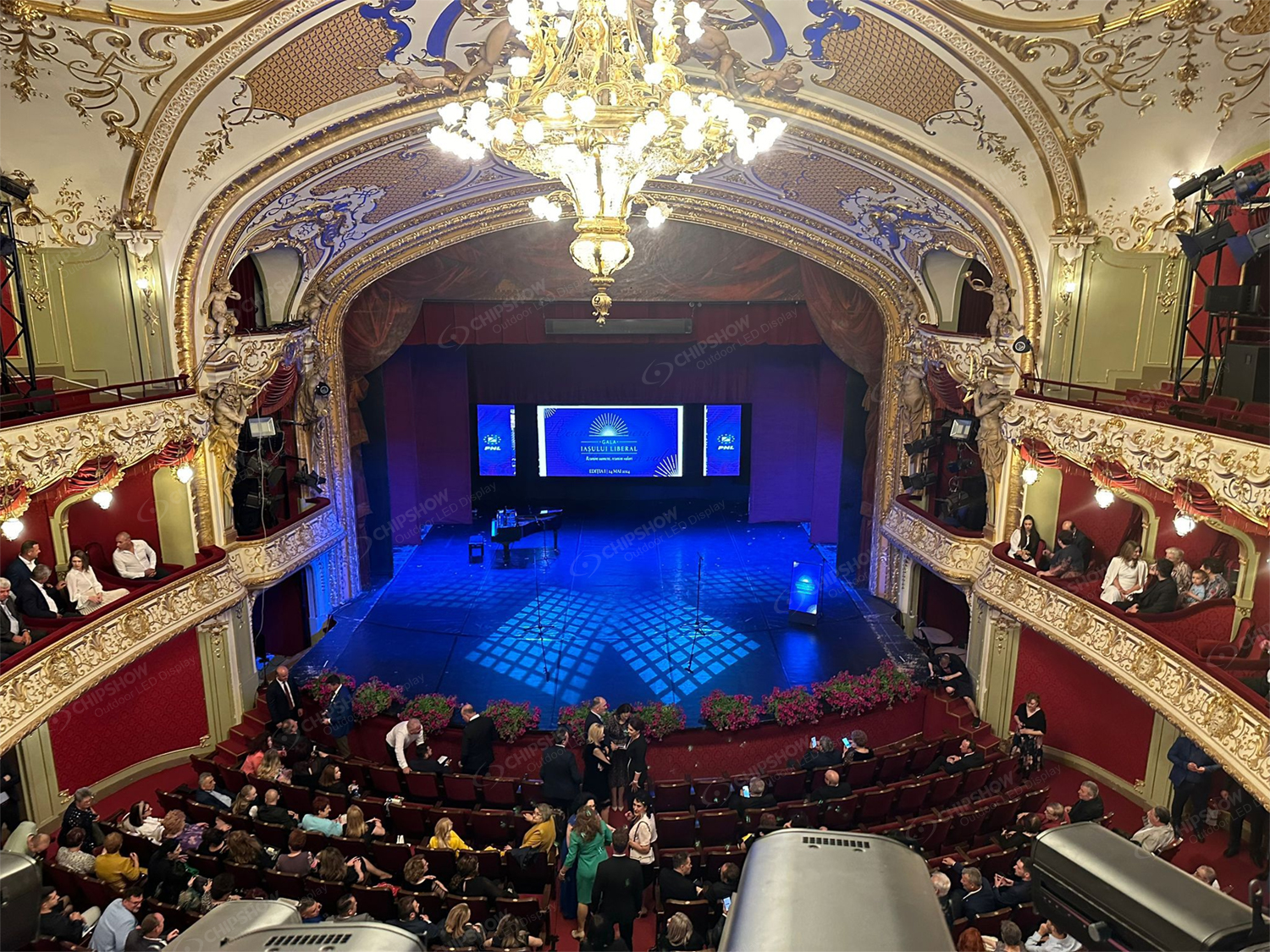
Brightness for indoor church displays is frequently misunderstood. The relevant question is not how bright the panel can go, but how well it maintains image quality at reduced brightness levels.
Operational Brightness vs. Peak Brightness
Set operating brightness from stage lighting, daylight, content, viewing positions, and camera exposure. Inspect contrast and low-gray rendering after dimming; 600–800 nits is not a universal sanctuary target or an eye-comfort threshold.
Low Brightness, High Grayscale
Low-brightness grayscale describes how the wall renders dark tones at reduced output. Inspect gradients, shadow detail, color, and uniformity at the brightness actually used during services. A high-bit-depth claim does not guarantee unchanged color and contrast across every setting.
Installation, Structural Costs, and Total Cost of Ownership for an LED Video Wall for a Church
Panel cost is rarely the full project budget. Structural, electrical, and AV integration costs can significantly exceed the base panel price and should be budgeted separately from the outset.
Structural Mounting Options for Sanctuary Walls and Stage Frames
For a permanent sanctuary wall, front-service modules can be useful where rear access is limited. Confirm access to power and control components, removal tools, cooling clearances, and the mounting design before selecting a wall-flush installation.
A flown wall needs an installation-specific structural and rigging design. A ground-supported wall needs rated supports and verified footprint, floor loading, ballast or anchoring, and access. Neither building age nor a generic 3–4-foot depth establishes the required design.
For permanent sanctuary wall installations, Chipshow’s C-Max Wall is worth considering where architectural continuity matters. Its proprietary textured surface aligns patterns seamlessly across cabinets, mimicking tiled walls or wallpaper. When powered off, the display blends into the surrounding wall finish rather than presenting a black screen. When powered on, it delivers full-resolution visuals. For sanctuaries where the LED wall needs to coexist with existing interior materials and décor, this removes the visual disruption that a standard black panel surface creates at rest.
Electrical, RF, and AV Integration
Plan electrical distribution for the maximum specified system load and test RF compatibility with microphones, in-ear monitors, and assistive listening equipment. Request applicable FCC compliance documentation for the exact equipment. A compliance label alone does not prove that the installed AV system is free of interference.
Confirm the electrical and product-conformity documents required by the project jurisdiction and approving authority. In the U.S., check an applicable NRTL listing and its model/standard scope where required; UL and ETL are examples of certification marks, not the only possible approval route. Confirm local requirements before procurement.
Spare Panels and Content Production Costs
Set spare-module quantities from installed size, response needs, parts lead time, and the approved service plan. Confirm compatible batches and replacement calibration instead of assuming every different batch will mismatch. Include content software, licensing, training, and design effort in the operating budget.
Which Display Setup Is Right for Your Church?
The right configuration depends on sanctuary lighting conditions, seating capacity, livestream priority, aesthetic requirements, and budget sequencing.
Decision Framework by Church Profile
| Church Profile | Recommended Configuration |
| Under 200 seats, dark sanctuary, no active livestream | Laser projector is cost-appropriate |
| Under 200 seats, windows or bright stage lighting | Compare a quiet LED configuration and a suitable projector/screen in actual light |
| 200–500 seats, active livestream | LED center stage; projector for side screens (hybrid) |
| 500+ seats, contemporary worship production | Evaluate an LED canvas with tested pitch and camera settings |
| Traditional or liturgical congregation | Evaluate aesthetic fit first; physical backdrop or projector as Phase 1 |
Budget Sequencing
- Phase 1: center-stage LED wall, which is the surface that cameras face most.
- Phase 2: congregation side screens or IMAG displays.
Physical backdrop alternatives, including printed banners and wood panels with uplighting, serve as a viable Phase 0 for churches not yet at the LED investment threshold.
For a livestreaming church, prioritize the camera-facing display and validate the chosen technology with the production camera.
Choose the Right Church LED Wall for Your Sanctuary
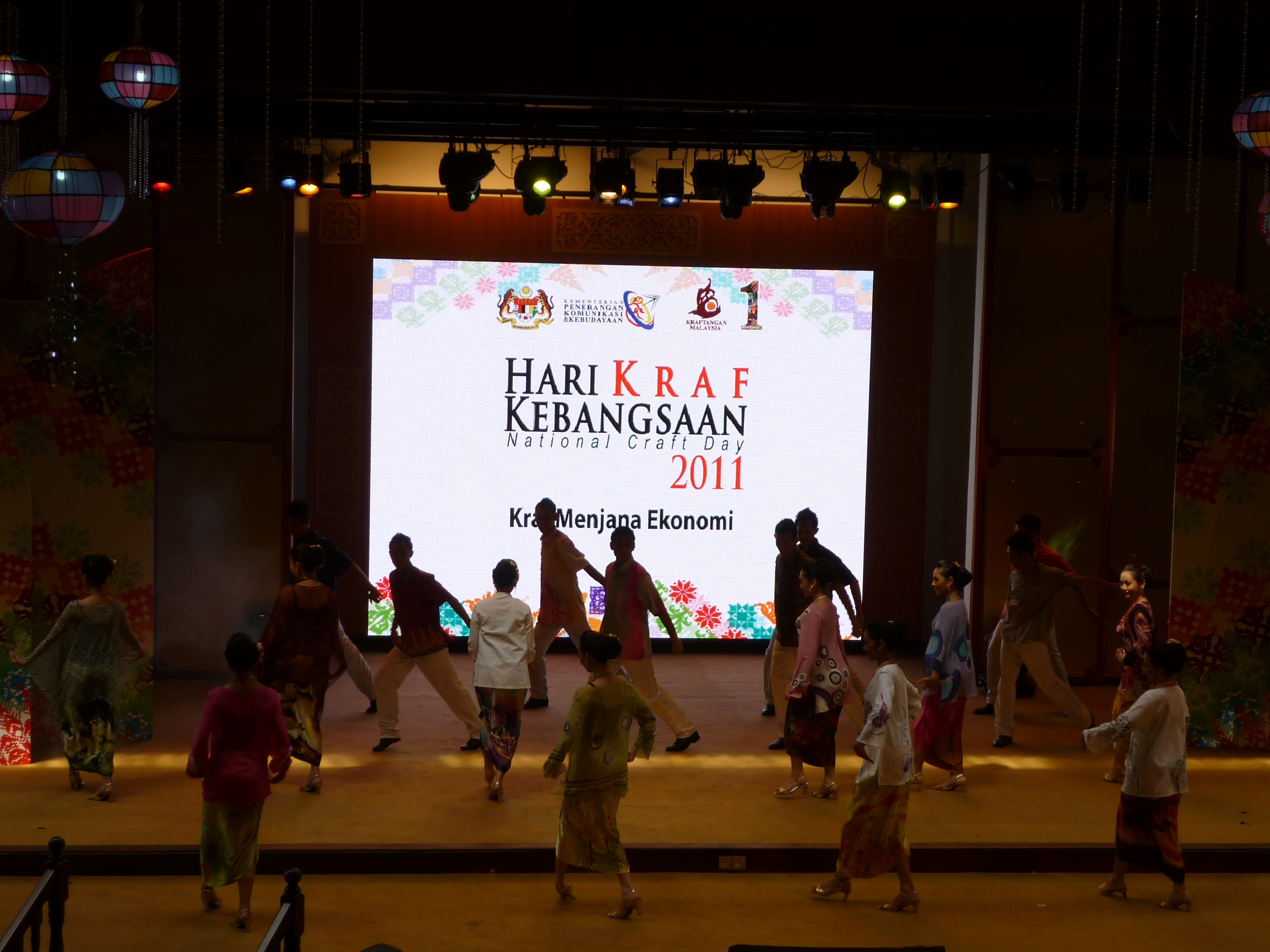
A church LED wall is an attractive option when bright-room readability, a large continuous image, and flexible staging are priorities. Compare it with a properly sized projector and screen under the actual sanctuary lighting and camera settings, then evaluate installed cost and service requirements.
Quiet operation and repeatable camera capture are valuable sanctuary requirements. Measure acoustic performance and validate exposure, refresh/scan timing, low-gray rendering, and synchronization; no single 3,840 or 7,680 Hz figure establishes pristine video.
FAQs About Church LED Walls and Projection Screens
Q1. What Is the Difference Between a Church LED Wall and a Stage Backdrop Screen?
An audience screen prioritizes readable lyrics, scripture, slides, and sightlines. A camera-facing backdrop also needs framing, exposure, artifact, and foreground/background tests. One display can serve both roles if its size, pitch, content, and camera behavior meet both sets of requirements.
Q2. What Costs Should a Church Budget for Beyond the LED Panel Price?
Budget support structure, electrical work, AV processing, cabling, installation, commissioning, access, spare modules, training, and content production. Quote software and service terms from the selected products, and set spare quantities from the actual response plan rather than a universal percentage.
Q3. Can a Church Use Both an LED Wall and a Projector at the Same Time?
Yes. A hybrid design can use an LED wall and projection where each meets the location’s viewing and camera requirements. Compare image consistency, brightness, latency, content routing, access, and total installed cost; savings depend on the actual design.
Q4. How Does a Church LED Wall Affect Livestream Quality Compared to a Projection Screen?
LED and projection can both be filmed successfully with an appropriate setup. Compare exposure, contrast, synchronization, and captured artifacts with the planned stage lighting. LED refresh rating alone does not guarantee scan-free footage or unchanged color under every ambient condition.
Q5. What Pixel Pitch Is Recommended for a Church Stage LED Screen?
For a camera-facing backdrop, select pixel pitch by testing camera distance, lens, focus, angle, framing, content, and audience sightlines. There is no universal P2.6 recommendation. Distinguish visible pixel structure and moiré from timing-related scan bands.