


Common-cathode LED wall efficiency matters most when a command center LED wall runs all day, every day. In that setting, even modest power differences can turn into operating-cost differences because the wall uses electricity continuously and adds heat the room has to remove. Common-cathode is a design approach that can reduce wasted power compared with standard arrangements in some configurations, so the question is less about display specs alone and more about power, HVAC load, and total cost of ownership in a 24/7 room.
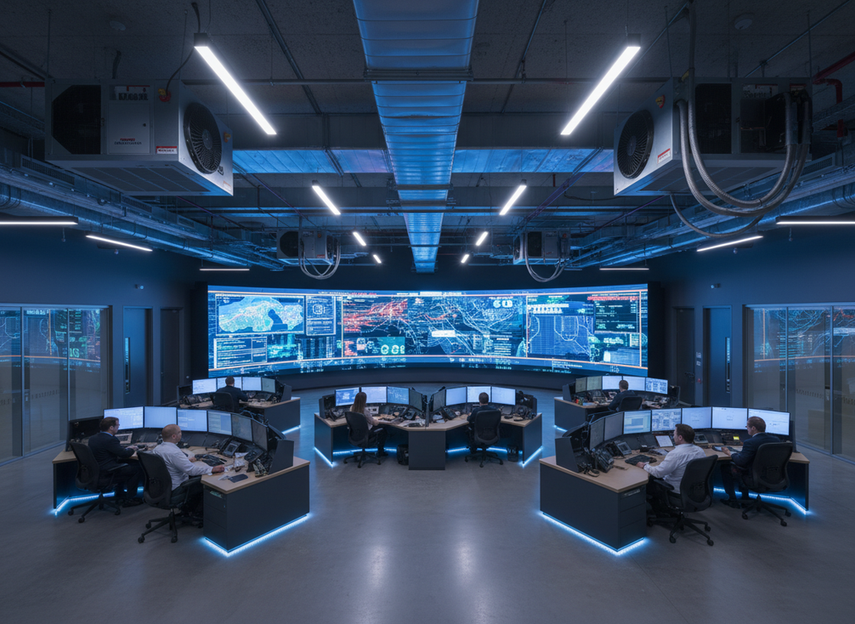
Why Common Cathode Matters in 24/7 Command Rooms
A command center LED wall is not a short-use display. It can run through entire shifts, overnight coverage, and weekends, which means the utility bill and cooling load keep moving long after the purchase order is signed. That is why common-cathode LED wall efficiency belongs in the procurement conversation early, not as an afterthought.
In plain terms, common-cathode uses a shared negative terminal and independent voltage supply to each RGB channel. That setup can let the display match voltage more closely to the red, green, and blue chips, which may reduce wasted energy compared with standard designs. The main buyer takeaway is simple: if the wall runs constantly, a small efficiency gain has more time to compound.

A useful comparison point is this: a design that saves little in a lobby or meeting room can matter more in a control room that never really turns off. That does not mean the savings are guaranteed or dramatic. It means the operating-cost case gets stronger as runtime rises, especially when the room already has tight cooling limits or high electricity rates.
For buyers who want a starting point, the command-center solution path and mission-critical LED walls are the right categories to compare first, but only if the room truly needs 24/7 performance. If the wall is used only part of the day, the efficiency premium is harder to justify.
Where the Operating Cost Difference Comes From
The cost difference starts with power draw, then passes through heat, then shows up again in cooling. That chain matters because display electricity is not just an energy line item; it also becomes internal heat that the HVAC system has to carry away. For room-level planning, room-level HVAC load inputs should include the wall and every other major heat source in the space.
Power Draw and Electrical Efficiency
Common-cathode designs can reduce wasted electrical energy in some setups because they do a better job of matching voltage to what the LEDs actually need. When that happens, the wall may draw less power during normal use, especially at operating levels that reflect real command-center brightness rather than showroom settings.
That is the right way to think about common-cathode LED wall efficiency: it is a power-management improvement first, and a cost story second. The display is still doing the same visual job, but it may do it with less wasted energy. Buyers should treat that as a directional advantage, not a promise of a fixed percentage reduction.
Heat Output and Cooling Demand
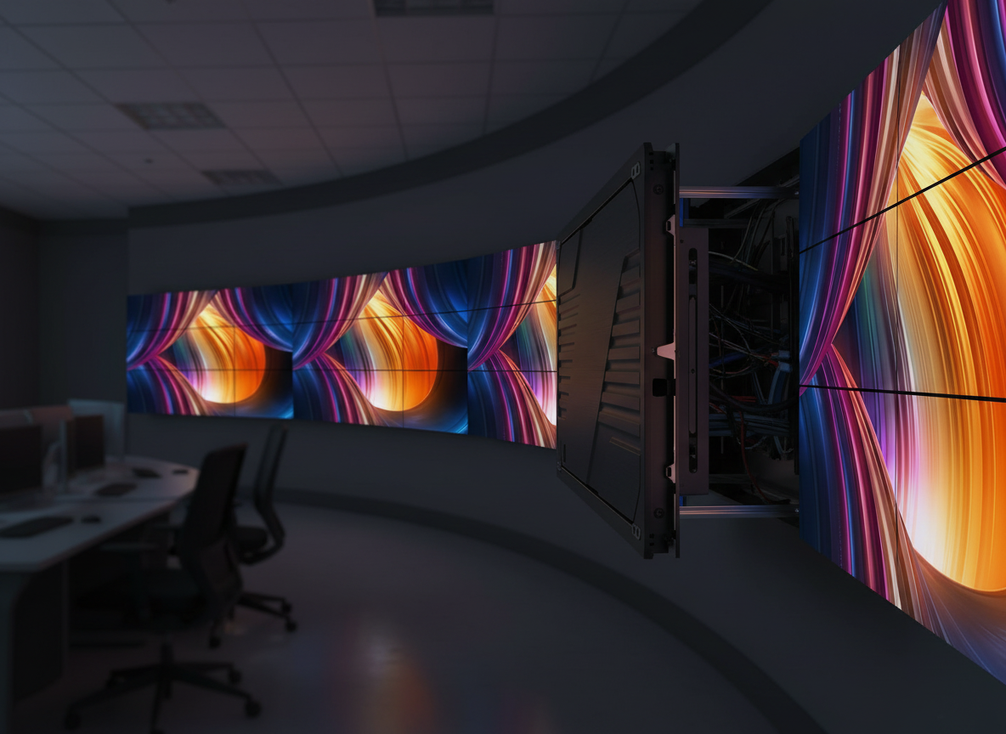
Lower electrical waste usually means less heat from the wall itself. In a 24/7 command room, that matters because the room has to remove both the display heat and the heat from operators, servers, processors, and other equipment. A lower-heat wall can ease the cooling burden, but the size of the effect depends on room size, airflow, setpoints, and the rest of the heat load.
That is also why it is a mistake to talk about display efficiency as if it automatically equals whole-building savings. The wall is only one internal load. It can still be worth specifying, but only when you are comparing room conditions, not just product brochures.
Why 24/7 Run Time Changes the Equation
Runtime multiplies the effect. A small difference in draw becomes much more meaningful when it runs around the clock across a year of operation. That is the basic TCO logic behind 24/7 cost compounding: electricity and cooling costs keep accumulating, so even a modest efficiency advantage can matter more in a command room than in a short-use space.
For most buyers, this is the point where the decision flips. If the wall is always on, room heat is a concern, and the utility rate is not trivial, the efficiency case gets stronger. If the room runs only part time or already has abundant cooling headroom, the same design difference may not justify a premium.
Common Cathode Versus Standard LED Designs
| Factor | Standard LED Design | Common-Cathode Design | What It Means For Operating Cost |
|---|---|---|---|
| Power efficiency | More likely to waste energy in some configurations | May use power more efficiently | Can lower electricity use over long runtimes |
| Heat output | More waste heat is possible | May run cooler in some setups | Can reduce room cooling pressure |
| HVAC relevance | Indirect room load | Still a room load, but potentially lower | Matters most when cooling is already tight |
| Upfront cost tendency | Usually easier to buy on price | Often positioned as a higher-spec option | Opex benefit has to offset the premium |
| Operating-cost sensitivity | Lower in short-use rooms | Higher in 24/7 rooms | The more the wall runs, the more this matters |
| Best-fit environment | Intermittent-use spaces | Always-on command centers | Best when power and cooling budgets are closely watched |
The table shows why common-cathode is not a universal winner. It is a better fit when operating hours, HVAC pressure, and electricity cost make efficiency worth paying for. It is a weaker fit when the room is used briefly, the wall load is small relative to the rest of the room, or the buyer is trying to solve a serviceability or image-quality problem instead of an energy problem.
If you are comparing actual product paths, the zero-downtime COB video wall and fine-pitch COB display are useful examples to review after you have defined the room’s runtime and cooling constraints. The product class matters, but only after the operating-cost case is clear.
How to Estimate HVAC Load and Operating Cost Impact
A rough estimate is good enough for procurement screening, as long as you do not confuse it with an engineering model. The goal is to see whether common-cathode LED wall efficiency is likely to matter enough to request a room-specific quote.
- Define the wall configuration. Capture the cabinet size, total wall area, expected brightness target, and whether the wall will run continuously or only during staffed hours.
- Estimate the wall’s operating draw. Use the vendor’s normal-use power profile, not the headline maximum alone, because real operating cost follows real use.
- Multiply by annual runtime. A 24/7 wall has far more opportunity to change the utility bill than a room that runs only during business hours.
- Apply your electricity rate. Local kWh pricing is what turns watts into dollars, so two facilities with the same display can see very different annual cost impact.
- Add cooling and maintenance context. The wall’s heat output contributes to HVAC load, but the estimate should also reflect the rest of the room’s equipment and service access requirements.
That sequence gives you a buyer-friendly total-cost view without pretending the wall is the only factor in the room. It is especially useful when you are comparing standard designs against command center solutions that may carry a higher upfront spec but a lower operating-cost profile.
A practical rule of thumb is this: if you cannot state the expected runtime, the electricity rate, and the room’s main heat sources, you are not ready to judge the HVAC impact yet. Get those three inputs first, then ask for a room-level estimate.
When Common Cathode Is Worth Specifying
Common-cathode is usually most compelling when all three of these are true: the wall runs 24/7, the room already cares about cooling, and utility costs are large enough to make operating expense part of procurement. In that scenario, the efficiency premium can be rational because the savings have more time to accumulate.
It is a weaker choice when the room is only used part of the day, the display is a small portion of the total heat load, or the buyer needs to prioritize a different constraint such as service access, initial capex, or image-processing features. In those cases, a higher-efficiency wall may still be nice to have, but not a buying priority.
Before you specify the premium, verify three things: the actual power profile at your target brightness, the room’s cooling headroom, and whether the maintenance path still works for your operations team. If those checks do not line up, the efficiency advantage may be too small to matter.
For a quick procurement shortcut, compare the operating profile first, then the cooling limits, then the product class. That sequence is usually better than starting with a spec sheet and hoping the numbers solve the room.
Wrap-Up
Common-cathode LED wall efficiency is most useful as an operating-cost decision, not a spec-sheet talking point. In 24/7 command rooms, lower power waste can matter because it affects both electricity use and HVAC load over time. If the room runs continuously, has tight cooling margins, or faces high utility costs, the premium may be worth evaluating. Compare the runtime, verify the real power profile, and request a room-specific estimate before you buy.
FAQs
How Does Common Cathode Affect LED Wall Power Consumption?
It can reduce wasted electrical energy in some configurations, so the wall may draw less power than a standard design over long operating hours. The key signal to check is the normal-use power profile at your real brightness target, not the peak number on a brochure. If the wall runs only a few hours a day, the difference is less likely to change the decision.
What Is the HVAC Load Impact of an Always-On LED Wall?
An always-on wall adds internal heat, which increases the cooling work the room has to do. The size of the impact depends on the wall’s draw, the rest of the equipment in the room, airflow, and thermostat setpoints. If the HVAC system already runs near capacity, even a modest reduction in wall heat can matter more than it would in a looser room.
Can a More Efficient LED Wall Lower Total Cost of Ownership?
Yes, but only when operating-cost savings are large enough to matter against the upfront premium. The variables that change the answer are runtime, local electricity price, cooling burden, and maintenance access. If those inputs point to a short-use room or a low-heat environment, the TCO case weakens quickly.
Why Does 24/7 Operation Change the Efficiency Payback?
Because electricity and cooling costs keep compounding every hour the wall is on. A small efficiency gain looks minor in a day and much bigger over a year. The practical threshold is simple: the longer the wall runs and the tighter the room’s budget, the more likely the premium deserves a closer look.
What Should Buyers Verify Before Choosing a Common Cathode Wall?
Check the actual power profile, the brightness level the room will really use, the available cooling headroom, and the service path for the installation. If any of those variables are unclear, ask for a room-specific estimate before you commit. That is the fastest way to avoid paying for efficiency that your operating pattern will not fully use.





