


At Tini SoundGarden in Italy, Chipshow’s C-Lite P3.91 project used a reported 40 m² of display divided into four 5 m × 2 m sections. Separate screen surfaces give designers different options for repeating, dividing or coordinating show content.
The project description lists 1000 × 500 mm and 500 × 500 mm display units. The four separate sections provide a useful example of why a screen map should be agreed before preparing stage artwork.
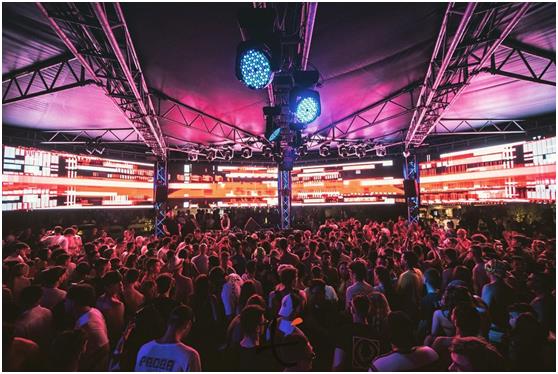
Planning content across separate screen sections
For another multi-section stage project, decide whether the sections should repeat the same image, carry independent content or form parts of a larger visual composition. That decision belongs in the content and processing brief before media files are finalized.
Agree on a screen map
- Label each physical section and record its proposed pixel dimensions.
- Identify the part of the source canvas assigned to each section.
- Test recognizable labels and framing marks before reviewing finished show content.
- Save the approved configuration and identify who may change it during the event.
Keep service planning separate from visual design
Ask how technicians will access equipment once the stage dressing and surrounding structures are complete. Confirm isolation procedures, safe access and responsibility for restoring the approved configuration after maintenance. Do not infer service time or energized-replacement capability from the rental-series name.
Related rental references
The French National Day C-LITE-D reference offers a separate service-design discussion. The fixed and rental LED display comparison helps frame deployment choices. The Italy park advertising rental reference concerns another setting and should not be read as an extension of the Tini SoundGarden installation.
Use the documented four-section layout as a discussion reference, then request a project-specific screen map, equipment list and handover plan. Current availability and specifications need separate confirmation for any new order.





