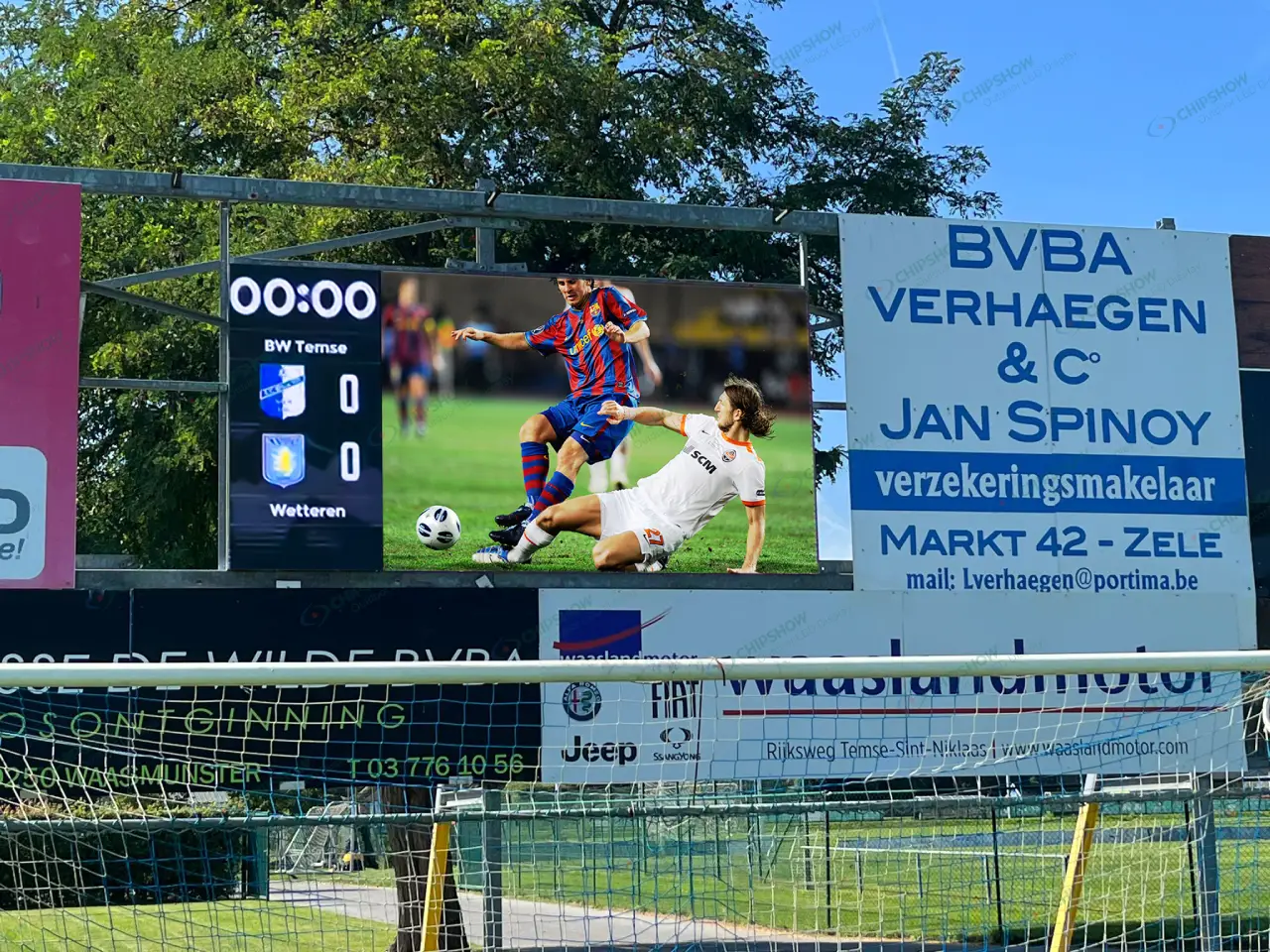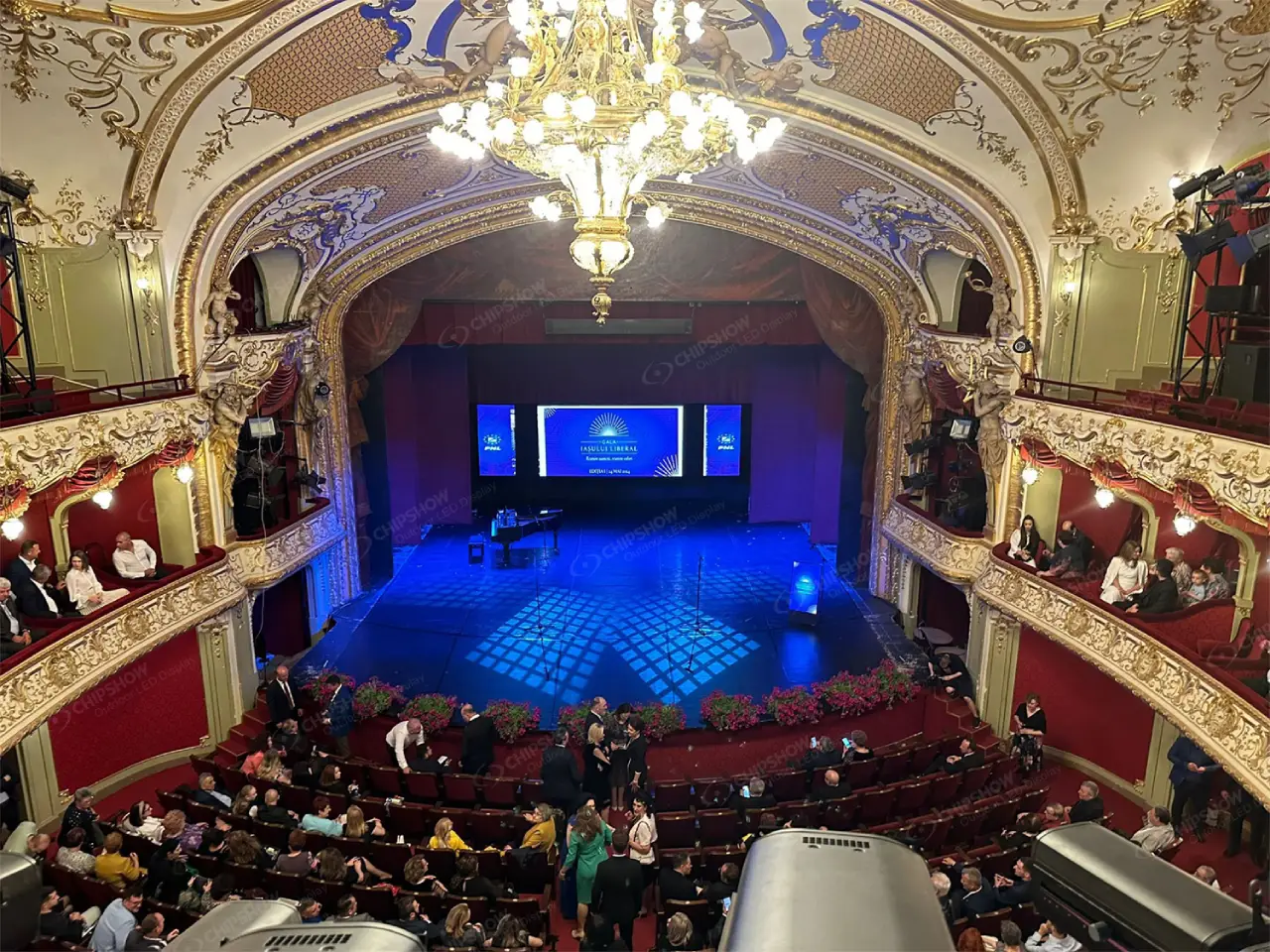


Smart pole permitting is usually a municipal coordination process, not a single permit. For most projects, the review can touch right-of-way access, electrical work, structural attachment, and visual or public-realm approval. The exact path depends on the city, the site, and whether the pole sits in public right of way, so the first job is to match the packet to local reviewers and document expectations.

What Smart Pole Permitting Usually Covers
A smart pole LED permitting review usually asks one basic question: can this installation fit the site, the code, and the public space without creating a conflict? In practice, that means the city may look at land use, the right of way, attachment details, power, and how the display affects the streetscape. The City of San Diego’s checklist is a good example of how permit packets often combine agreements, drawings, and site-specific location details.
That is why smart pole permitting is rarely handled by one office alone. A display can be acceptable in one corridor and delayed in another if the site is in a downtown district, a historic overlay, or a tighter right-of-way. Height, clearance, and enclosure volume also matter, and those physical constraints can change whether a packet is accepted without revisions.
If you are trying to route a municipal smart city pole approval process, start by treating the project as four checks at once: location, structure, power, and visual impact. That framing keeps teams from filing a polished design that still lacks the technical pieces reviewers need.
For readers comparing a reference installation after the process overview, our smart pole display example can serve as a navigation point, but the city review still controls what can be approved.
Which Departments Review the Project
The first contact is often a permitting or planning office, but the project usually gets routed across several reviewers. The names vary by city, yet the functions are similar: planning or zoning checks land use and overlay issues, public works or transportation checks right-of-way effects, building or electrical staff checks code and attachment details, and design review looks at public appearance.
Planning and zoning usually care about where the display is placed and whether it fits the allowed use in that district. In a downtown or historic area, that review can become more detailed because the site context changes what is considered acceptable. Public works and transportation tend to focus on pedestrian space, curb access, maintenance access, and any street work or traffic control needs tied to installation. Flagstaff’s submittal checklist shows how a 24-hour traffic control plan and pole-owner authorization can become part of the package when the project touches the public realm.

Building, electrical, and structural reviewers look at the part of the project that carries the most risk. A pole-mounted display can add wind exposure, attachment complexity, and load that the original pole was never intended to carry. Foster City’s checklist shows why a stamped structural analysis may be requested, and New York State DOT’s pole specifications show how PE-stamped design calculations can be required for worst-case loading on traffic signal poles.
Design review is the layer that many teams underestimate. If the city has a design board, historic commission, or public realm review, the display may be judged on color, brightness, animation, sightlines, or whether it blends with the streetscape. In some cases, that review is the difference between a fast approval and a packet that sits unresolved while other departments wait on visual changes.
Permit Documents to Prepare
A cleaner street pole digital signage permit checklist usually starts with drawings that all tell the same story. Municipal reviewers often want a site plan, elevations or mounting details, technical sheets, and ownership or authorization documents if the pole belongs to a utility or another public entity. San Diego’s permit packet is a strong example of how a municipal submittal package can combine agreements, construction drawings, and site-specific coordinates in one review set.
Use the document stack below as a practical pre-file checklist:
- Site plan with the exact pole location, access points, and surrounding context.
- Elevations or installation details that show height, mounting position, and visual profile.
- Structural drawings or calculations when the display adds load or changes the attachment method.
- Electrical information that shows how the unit will be powered and serviced.
- Product cut sheets or technical sheets that match the submitted design.
- Traffic control or work-zone materials if installation affects lanes, sidewalks, or curb space.
- Pole-owner authorization, encroachment paperwork, or other consent forms if the site requires them.
- Any dimension or envelope checks the city uses for clearance, height, or enclosure volume.
Those physical-fit details matter more than many teams expect. Beaumont’s review checklist shows that clearance and enclosure limits can affect acceptance, so a packet can fail simply because a unit is too tall, too bulky, or too vague on its final footprint. If the site is close to a driveway, sidewalk, or utility path, that is the first place to check.
The most common mistake is not a missing form. It is a mismatch between the site plan, the elevation, and the technical sheet. If those three pages disagree on size, placement, or attachment, the reviewer has to stop and ask for a revision.
How the Approval Path Typically Moves
The typical approval sequence starts before formal filing. A good municipal team uses early coordination to confirm the reviewer list, the permit type, and whether the project will move in parallel or in sequence. If one office handles the intake and another office reviews design, structural, and right-of-way issues at the same time, the path can move faster. If the city requires one comment round before the next office starts, the schedule slows quickly.
A practical sequence looks like this:
- Confirm the jurisdiction, reviewer list, and local permit name.
- Match the submittal checklist to the site and the pole owner.
- Assemble the drawings, calculations, authorizations, and traffic-control materials.
- File the formal package with one coordinating office.
- Work through reviewer comments on structure, access, and appearance.
- Revise the packet and resubmit any unresolved sheets.
- Receive final approval, permit issuance, or a conditional sign-off.
- Complete field verification or inspection if the city requires it.
That is also where smart pole LED permitting requirements tend to expand. A city may accept the basic layout but still ask for a better structural note, a clearer owner letter, or a design change before final approval. Miami Beach’s historic review materials show how a Certificate of Appropriateness can become part of the path when the project sits in a sensitive district.
If you need a deeper technical follow-up after the process step, our technical compliance reference is a useful background link, but it does not replace the city’s own submittal rules.
What Usually Triggers Delays
Most delays come from a small set of predictable issues, not from the entire concept of the project. The first is inconsistent drawings. If the site plan, elevation, and cut sheet do not match, reviewers have to send the file back before they can judge the installation. The second is structural uncertainty. Longmont’s small-cell guidance shows how wind loading and TIA-222 criteria can become explicit review items, so a design that lacks clear load information often stalls.
Aesthetic conflict is the other major delay trigger. If the display is in a downtown, historic, or neighborhood-sensitive area, reviewers may focus on brightness, animation, sign size, or content restrictions. Norfolk’s right-of-way standards are a useful example of how advertising and sign limits can shape approval, especially where the city wants only owner identification or safety-related content.
Utility and access issues can also slow the packet. If the project affects service routing, street work windows, or maintenance access, the permit may stay open until the coordinating office sees a workable plan. That is why a city should not wait until the end to ask whether traffic control, pole-owner consent, or utility coordination is needed.
A simple pre-file test helps. If a reviewer could compare your drawings, structural notes, and field plan without asking what changed from one page to the next, the packet is in much better shape.
What to Check Before Submission
Before filing, run one last municipal readiness screen. Confirm the jurisdiction and the exact reviewer list. Match the drawings to the site, and make sure the site plan, elevation, and technical sheets use the same dimensions. Verify the structural, electrical, and aesthetic attachments. Check whether the packet needs owner authorization, encroachment paperwork, or traffic-control materials. Then confirm the contact names and signatures, because a clean file can still stall if the city cannot route questions quickly.
If the site is in a downtown, historic, or sensitive corridor, verify the appearance package before submission as well. If the city is likely to care about clearance, enclosure size, or pole loading, make sure those items are shown clearly rather than implied. That final check is usually faster than a full resubmittal.
For teams working on smart pole permitting at scale, the best next step is to assemble the permit packet, confirm the reviewer list, and verify the structural and design documents before filing. If you want a practical reference point, compare the package against the site conditions and then decide whether the city is likely to ask for revisions before intake.
Final Takeaway
Smart pole permitting moves faster when the packet tells one clear story: where the pole sits, how it is attached, how it is powered, and how it fits the streetscape. The most common delays come from missing drawings, unclear structural support, and unresolved design or right-of-way questions. Before you file, assemble the packet, confirm the reviewer list, and verify the structural and design documents so the city can review it without guessing.
FAQs
Do Smart Poles Need Permits?
Many do, because the project often affects the right of way, pole ownership, electrical work, structural attachment, or sign rules. The exact permit path depends on the city and the site. If the installation touches public space or adds load to an existing pole, start by checking the local intake office and the submittal checklist rather than assuming a standard sign permit is enough.
Which Department Should Review a Smart Pole First?
The first stop is often planning, public works, or a central permitting office, but the lead can vary by city. A good rule is to start with the office that can route the package across zoning, right-of-way, and building review. If the pole is privately owned or utility-owned, the owner contact may need to be identified even earlier.
What Drawings Do Cities Usually Ask For?
The common drawing set usually includes a site plan, elevations, mounting details, and technical sheets that match the installed equipment. For projects with structural or traffic impacts, cities may also ask for load calculations, electrical details, or traffic-control notes. The key check is consistency: every sheet should show the same pole, the same placement, and the same final dimensions.
How Long Does a Smart Pole Permit Take?
There is no reliable universal timeline. Review time changes with city workload, the number of departments involved, and whether comments come back on structure or design. If the project sits in a sensitive district or needs resubmittal, plan for at least one revision cycle. The safer planning approach is to build in comment time, not just filing time.
Can Aesthetic Review Affect Approval?
Yes. In many cities, design review can shape the final outcome, especially in downtown, historic, or neighborhood-sensitive areas. If the city has a design board or preservation step, the appearance package should show materials, size, brightness, and placement clearly. When that package is thin, the project can move from a permitting issue into a design issue.